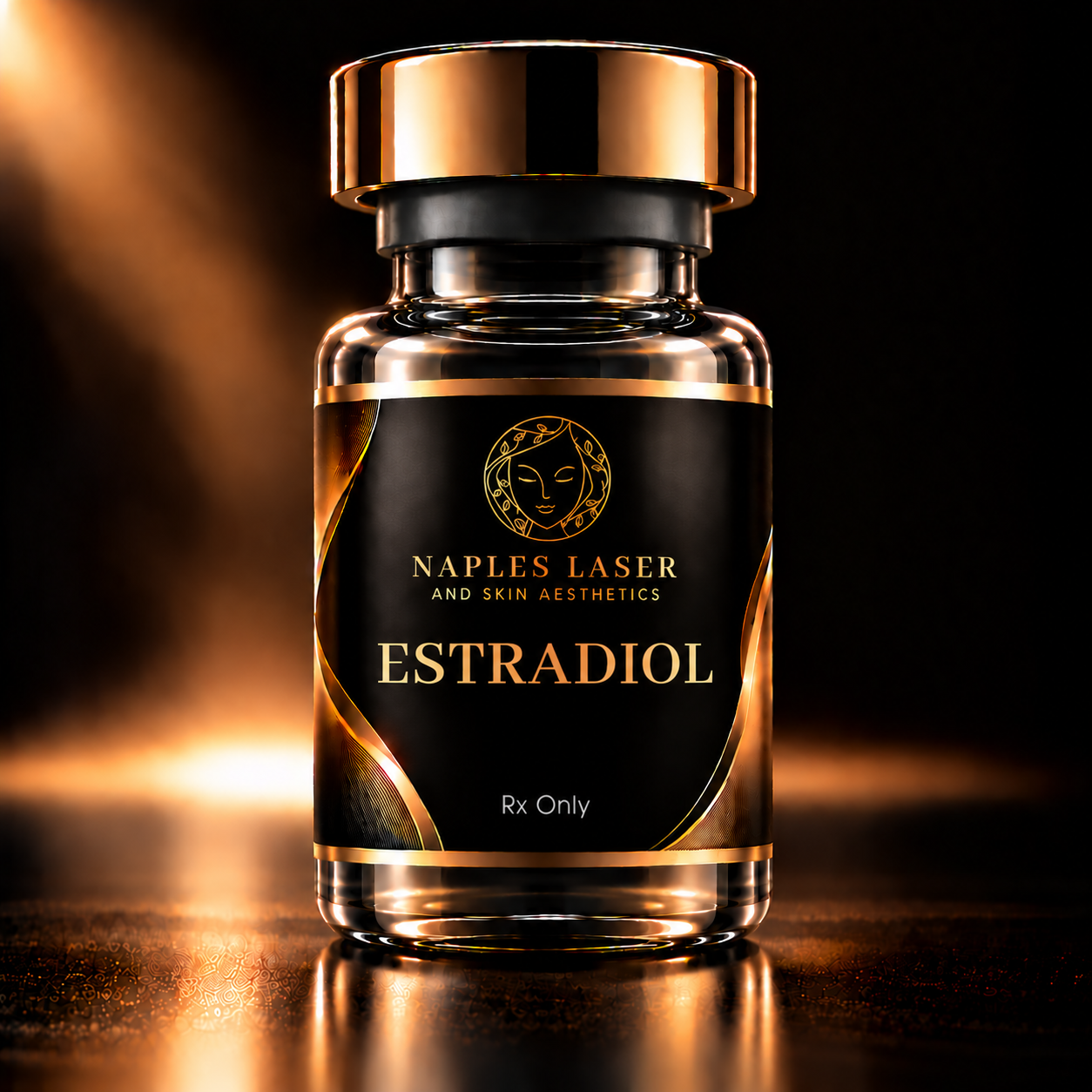
Estradiol is the primary form of estrogen produced by the ovaries during the reproductive years. As estrogen levels decline during perimenopause and menopause, women may experience symptoms such as hot flashes, night sweats, vaginal dryness, sleep disruption, and changes in overall well-being.
Topical estradiol is absorbed through the skin and enters the circulation, where it interacts with estrogen receptors throughout the body.
By restoring estrogen signaling when clinically appropriate, estradiol therapy can help address vasomotor symptoms, vaginal and urinary changes, and other effects associated with estrogen deficiency. Estradiol also plays an important role in maintaining bone strength.
Hormone therapy is personalized, and improvement may develop gradually as your provider adjusts treatment to your individual needs.
Depending on your symptoms and treatment goals, estradiol therapy may help with:
• Fewer hot flashes and night sweats
• Improved vaginal comfort and moisture
• Support for comfortable intimacy
• Improved sleep when menopause symptoms are disruptive
• Support for bone health
• Improved overall menopause symptom control
Your response, symptoms, and any relevant laboratory findings can be reviewed over time to determine whether your treatment needs adjustment.
Before starting Estradiol, your provider will review your medical history, current medications, menopause symptoms, hormone history, and treatment goals.
Be sure to discuss any history of breast or other estrogen-sensitive cancers, unexplained vaginal bleeding, blood clots, stroke or heart attack, liver disease, migraines, or other significant medical conditions.
If you have a uterus, your provider will also determine whether progesterone should be included in your hormone-therapy plan to protect the uterine lining.
Your dose and application schedule will be individualized and adjusted when clinically appropriate.
Prescription required.