.png)
.png)

Life places constant demands on the body, and those demands often show up physically. Many people notice swelling, sluggishness, tension, or prolonged recovery without understanding the cause. The body's lymphatic system works quietly behind the scenes, yet it influences how people feel every day. When that system becomes less efficient, discomfort and fluid retention can gradually develop. Lymphatic drainage treatment offers a practical way to support the body's natural functions while promoting comfort, recovery, and overall wellness.
Lymphatic drainage treatment is a specialized massage technique that promotes the flow of lymph throughout the body. The treatment uses gentle, rhythmic motions to support fluid balance, waste removal, and natural recovery processes. Many people seek lymphatic therapy to reduce swelling, improve comfort, and support overall wellness. It is commonly used after surgery, during recovery periods, and as part of preventive self-care routines.
The lymphatic system consists of vessels, nodes, and organs that work together. These structures collect excess fluid that blood vessels leave behind. The fluid travels through lymphatic channels before returning to circulation. Along the way, lymph nodes filter waste products, bacteria, and other unwanted particles. This process helps maintain fluid balance while supporting immune function throughout the body.
A lymphatic drainage session uses gentle, rhythmic movements on targeted areas. These techniques encourage lymph fluid to move more efficiently through the body. The pressure remains light because lymph vessels sit close to the skin's surface. Many clients describe the experience as relaxing and comfortable. The treatment focuses on supporting natural physiological processes rather than applying deep tissue pressure.
H3: When Professionals Recommend Lymphatic Drainage
Healthcare and wellness professionals often recommend lymphatic drainage therapy in specific situations. Common examples include post-surgical recovery, persistent swelling, injury rehabilitation, and wellness maintenance. The treatment is often incorporated into recovery plans because it supports the body's natural fluid management. Many individuals also use it proactively to maintain comfort and circulation year-round.
Lymphatic drainage therapy supports several natural functions that affect how the body feels and performs daily. From reducing fluid retention to aiding recovery and relaxation, the advantages extend well beyond a single session. The following reasons highlight why this treatment continues to attract attention from those seeking lasting wellness support.
Persistent swelling can affect comfort, appearance, and mobility. Fluid accumulation often develops after surgery, injury, prolonged inactivity, or certain health conditions. Lymphatic drainage therapy addresses this issue by promoting more efficient fluid movement. Many individuals seek treatment specifically because of noticeable swelling.
Recovery after cosmetic or medical procedures often involves temporary swelling. Excess fluid can accumulate around treated areas, causing discomfort. Lymphatic massage helps guide that fluid toward functioning lymph nodes. As swelling decreases, patients often notice improved comfort and smoother healing. Many healthcare professionals recommend this therapy as part of a comprehensive recovery plan.
Fluid retention does not always result from surgery or injury. Long workdays, limited movement, and prolonged sitting can contribute to swelling. Many people notice puffiness in their legs, ankles, or other areas. Lymphatic treatments help stimulate circulation and fluid movement. Regular sessions may help reduce the sensation of heaviness associated with fluid buildup.
The body continuously processes waste products generated through daily metabolic activity. Several organs contribute to detoxification, including the liver, kidneys, and lymphatic system. Efficient lymph movement supports this natural process. Many individuals pursue lymphatic treatments as part of broader wellness routines.
Cells produce waste as part of normal biological activity. The lymphatic system collects much of this material from surrounding tissues. When lymph flow becomes sluggish, waste removal may occur less efficiently. Gentle stimulation can encourage movement through lymphatic pathways. This support helps maintain healthier tissue environments throughout the body.
The lymphatic and circulatory systems work closely together. Improved lymph movement helps maintain healthy fluid distribution within tissues. Better fluid balance often contributes to increased comfort and reduced congestion. Many clients report feeling lighter after treatment sessions. These effects can support a broader wellness strategy focused on physical balance.
Exercise challenges the body in beneficial ways, but recovery remains equally important. Muscles experience stress, inflammation, and microscopic tissue changes after intense activity. Proper recovery allows the body to adapt and strengthen. Lymphatic drainage can complement recovery efforts by supporting fluid movement.
Athletes and active individuals often experience soreness after demanding workouts. Fluid accumulation can contribute to feelings of stiffness and heaviness. Lymphatic massage encourages the movement of excess fluids away from affected tissues. This process may help improve comfort during recovery periods. Many active individuals include these treatments within their wellness routines.
Consistent training requires efficient recovery between sessions. Prolonged soreness can interfere with performance and exercise schedules. Improved lymph circulation may help support the body's recovery processes. Clients often report feeling refreshed after treatment sessions. This support can help individuals maintain consistent physical activity habits.
The immune system depends on several interconnected processes. The lymphatic network serves as one of the body's major defense pathways. Healthy lymph movement allows immune cells to travel efficiently. Many people overlook this connection when considering wellness strategies.
Lymph fluid carries important immune cells throughout the body. These cells help identify and respond to potential threats. Improved lymph circulation supports the movement of these protective components. Better flow helps maintain communication between different parts of the immune system. This ongoing activity contributes to normal immune function.
Wellness develops through consistent habits rather than isolated actions. Adequate sleep, nutrition, exercise, and stress management all contribute. Lymphatic drainage can complement these efforts by supporting the body's natural processes. Many people incorporate regular sessions into broader self-care routines. This approach encourages sustained attention toward overall health.
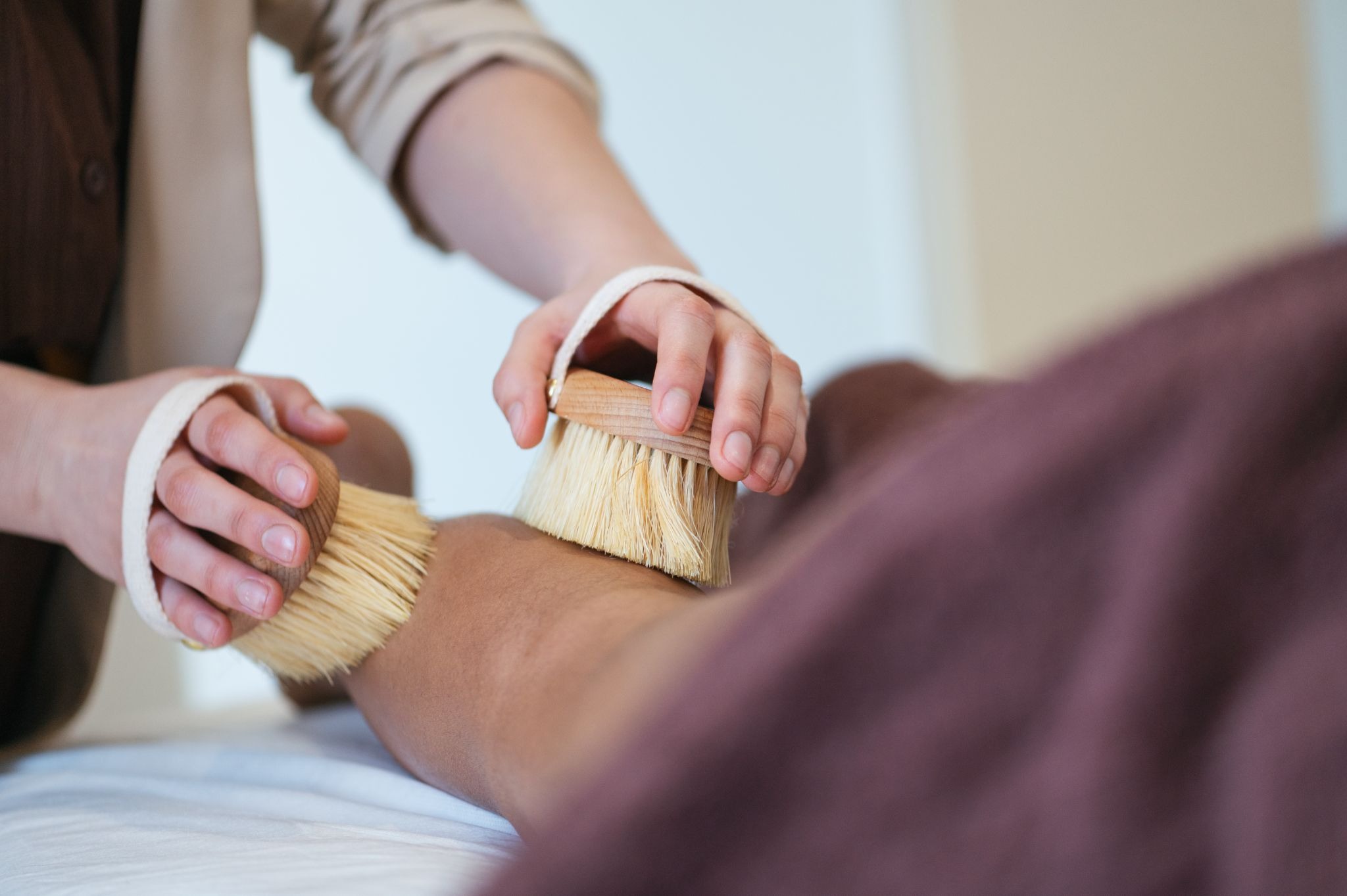
Physical tension often accumulates gradually through daily activities. Stress, repetitive movement, and prolonged sitting can contribute to discomfort. Many wellness treatments focus on relaxation because stress affects multiple body systems. Lymphatic drainage provides both physiological and mental benefits.
The gentle nature of lymphatic massage distinguishes it from deeper bodywork techniques. Slow, rhythmic movements create a soothing experience for many clients. The treatment environment often promotes relaxation and mental calmness. Many individuals leave sessions feeling less tense and more refreshed. This calming effect adds value beyond physical benefits alone.
Stress influences sleep quality, energy levels, and physical comfort. Many people seek wellness services that encourage relaxation. Lymphatic treatments provide dedicated time for rest and recovery. The experience allows individuals to step away from daily demands temporarily. Consistent relaxation practices often contribute to improved overall well-being.
Healthy skin reflects many internal processes, including circulation and fluid balance. Excess fluid retention can affect facial contours and skin appearance. Many people notice visible benefits after lymphatic treatments. These improvements often complement skincare and wellness routines.
Facial swelling can develop from stress, lack of sleep, or fluid retention. Lymphatic techniques encourage the movement of excess fluid from affected areas. Many clients observe a more refreshed appearance after treatment. Reduced puffiness can help facial features appear more defined. These visible changes contribute to growing interest in lymphatic facial treatments.
Skin health depends on proper circulation and balanced tissue environments. Improved lymph movement helps maintain fluid balance within tissues. Many individuals report healthier-looking skin with consistent treatments. Lymphatic support complements professional skincare and home routines. Together, these approaches contribute to a more vibrant appearance.
Many people seek wellness solutions that support health without invasive procedures. Lymphatic drainage offers a gentle approach with minimal discomfort. The treatment works alongside the body's natural functions rather than forcing change. This characteristic appeals to individuals pursuing preventive wellness strategies.
Preventive care often provides benefits beyond immediate symptom relief. Supporting healthy circulation and fluid movement contributes to overall body function. Regular lymphatic sessions can become part of a proactive health plan. Many clients view treatment as an investment in long-term comfort. Consistency often produces more noticeable results over time.
Wellness rarely depends on a single service or habit. Effective routines typically combine several supportive practices. Lymphatic drainage complements exercise, nutrition, hydration, and stress management. This flexibility makes it suitable for many lifestyles. People can customize treatment frequency according to their individual goals.
As interest in lymphatic drainage treatment continues to grow, certain questions recur among first-time clients and those considering treatment. Understanding the answers can help individuals make informed decisions about their health and wellness goals. The following questions address some of the most common concerns surrounding lymphatic drainage treatment.
Treatment frequency depends on individual needs and goals. Some people benefit from weekly sessions during recovery periods. Others schedule treatments monthly as part of their wellness routine. A qualified practitioner can recommend a schedule based on personal circumstances. Regular appointments often help maintain the benefits achieved through treatment.
People experiencing fluid retention, post-surgical swelling, exercise-related soreness, or general wellness concerns often seek lymphatic treatments. Athletes, office workers, and individuals focused on preventive care may also benefit. The therapy supports natural body functions without invasive procedures. Many people choose treatment to improve comfort and support recovery. Individual results depend on health status and treatment objectives.
Some individuals notice reduced swelling and increased comfort shortly after treatment. Others experience gradual improvements over several sessions. The timeline depends on factors such as health status, treatment goals, and consistency. Post-surgical clients may experience different timelines than those seeking general wellness support. A personalized treatment plan often provides the best outcomes.
Lymphatic drainage massage uses light, gentle movements rather than deep pressure. Most people find the treatment relaxing and comfortable throughout the session. The technique focuses on stimulating lymph flow near the skin's surface. Clients often describe the experience as soothing rather than intense. Any concerns about comfort can be discussed with the practitioner before treatment begins.
Small changes in your wellness routine can produce meaningful benefits over time. Lymphatic drainage treatment offers a practical way to support recovery, reduce swelling, and promote everyday comfort. Instead of waiting for discomfort to become a recurring issue, consider a proactive approach that works with your body's natural processes. A professional treatment plan may be the next step toward feeling lighter, more comfortable, and better prepared for the demands of daily life.
Curious about what today's aesthetic and wellness treatments can offer? Explore the Naples Laser & Skin Aesthetics blog for expert perspectives, helpful answers, and ideas tailored to your goals.
%402x.svg)