.png)
.png)
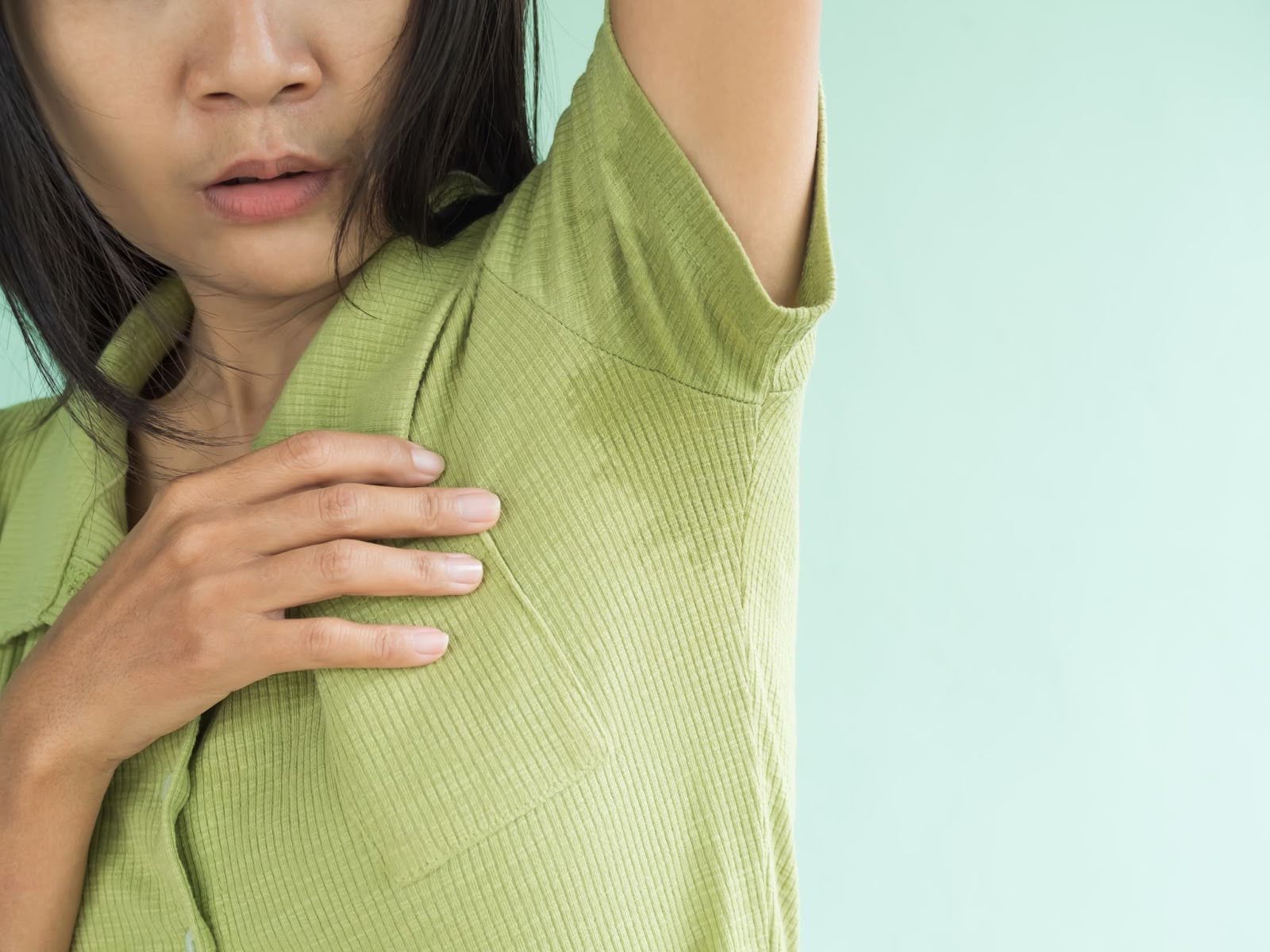
Hyperhidrosis causes excessive, unpredictable, and difficult-to-control sweating. This condition affects daily comfort, professional confidence, and social interactions more deeply than many people expect. Sweat may appear without heat, exertion, or emotional pressure, which often leaves individuals searching for explanations. Misunderstandings frequently frame hyperhidrosis as nervousness or poor hygiene, adding unnecessary stigma. Hyperhidrosis is triggered by identifiable internal and external factors that explain why the body behaves this way.
Hyperhidrosis is a medical condition in which the body produces excessive sweating beyond what is necessary for temperature regulation. This condition causes sweating even when the body remains calm and relaxed. Unlike normal perspiration, hyperhidrosis follows faulty nerve signals rather than environmental demands. These distinctions explain why sweating feels unpredictable and challenging to regulate.
Hyperhidrosis refers to excessive sweating that occurs without an apparent physical trigger. This sweating exceeds what the body requires for cooling and balance. Clinicians diagnose hyperhidrosis based on symptom patterns, location, and frequency. This condition commonly affects the hands, feet, underarms, or face. In some cases, sweating appears across larger body areas. Medical guidelines classify hyperhidrosis as a neurological sweat disorder rather than a skin problem.
Regular sweating helps regulate body temperature during heat or physical activity. Hyperhidrosis causes sweating at rest, in mild temperatures, or during low exertion. This sweating often appears suddenly and without warning. The moisture tends to persist longer than expected, even after conditions stabilize. This pattern interferes with everyday tasks and social comfort. These distinctions explain why hyperhidrosis feels different from typical perspiration.
Primary hyperhidrosis originates from internal nerve signaling rather than illness. This form often begins early in life and continues into adulthood. No external medical condition explains the sweating. These triggers operate regardless of climate or emotional state.
Genetics strongly influences how sweat glands respond to nerve signals. Many people with hyperhidrosis report family members with similar symptoms. This inherited sensitivity causes sweat glands to activate more easily. The body responds faster and more intensely than necessary. This pattern explains why symptoms often begin at a young age. Family history frequently supports clinical diagnosis.
The sympathetic nervous system controls involuntary functions, such as sweating. In hyperhidrosis, this system sends signals too frequently. Sweat glands activate without heat, stress, or exertion. This response continues even when the body remains comfortable. The nervous system struggles to shut off stimulation. This overactivity explains sudden and persistent sweating episodes.
The brain constantly interprets physical conditions to maintain balance. In hyperhidrosis, these interpretations exaggerate the need for cooling. Sweat production activates as a precaution rather than a necessity. This miscommunication occurs without conscious awareness. The body behaves as though overheating is imminent. This mechanism explains sweating during calm or sedentary moments.
Secondary hyperhidrosis develops due to an underlying health issue. This form often affects broader areas of the body. Symptoms may appear later in adulthood. These triggers require medical evaluation for proper management.
Hormones regulate metabolism and temperature control. Thyroid disorders increase heat production and sweat output. Menopause introduces fluctuating estrogen levels that disrupt thermal balance. These changes trigger sweating without external heat. Night sweats commonly accompany hormonal shifts. Clinical data show symptom improvement after hormonal stabilization.
Diabetes affects nerve signaling and sweat regulation. Low blood sugar activates the body's stress response. Sweating is a warning sign of low blood sugar. This reaction often feels sudden and intense. Long-term diabetes can damage sweat-regulating nerves. Consistent blood sugar control helps reduce symptoms.
Infections raise the body's internal temperature during the immune response. Sweating helps release excess heat during this process. Chronic inflammation prolongs the body's state of alert. This prolonged reaction leads to ongoing sweating. Symptoms may persist even after other signs have faded. A medical assessment is necessary in these cases.
Hyperhidrosis does not arise without reason, even when triggers seem unclear at first. The body’s sweat response becomes overactive due to internal signals rather than external demands. These responses tend to repeat under similar conditions, creating noticeable patterns over time. Understanding what causes hyperhidrosis provides a clear foundation for examining the triggers that follow.
Emotional responses directly affect sweat production. Hyperhidrosis amplifies these reactions. These triggers often involve visible areas, such as the hands and face. This connection explains social discomfort.
Stress activates the body's survival response. Sweat glands prepare the body for perceived threat. Palms and soles react quickly to stress signals. This reaction evolved for physical danger. Hyperhidrosis exaggerates this response unnecessarily. Sweating may continue after stress resolves.
Anticipation alone can trigger sweating. The body reacts before events occur. Social or professional situations often provoke symptoms. This response creates a cycle of fear and sweating. Over time, the pattern strengthens. Awareness helps interrupt this loop.
Past experiences influence physical reactions. The nervous system remembers discomfort from previous episodes. Sweating begins before conscious thought. This conditioning reinforces future responses. The pattern feels automatic and persistent. Understanding this process reduces self-blame.
Environmental conditions influence sweat production for everyone. Hyperhidrosis increases sensitivity to these changes. Mild conditions may feel overwhelming. These triggers affect daily planning.
Warm environments increase sweat gland activity. Hyperhidrosis accelerates this response quickly. Mild warmth can cause heavy sweating. Cooling measures may provide limited relief. This sensitivity disrupts comfort and focus. Temperature awareness supports symptom management.
Humidity prevents sweat from evaporating. Moisture remains on the skin longer. This condition increases discomfort and visibility. Poor airflow intensifies the effect. Indoor environments may feel stifling. Climate control improves tolerance.
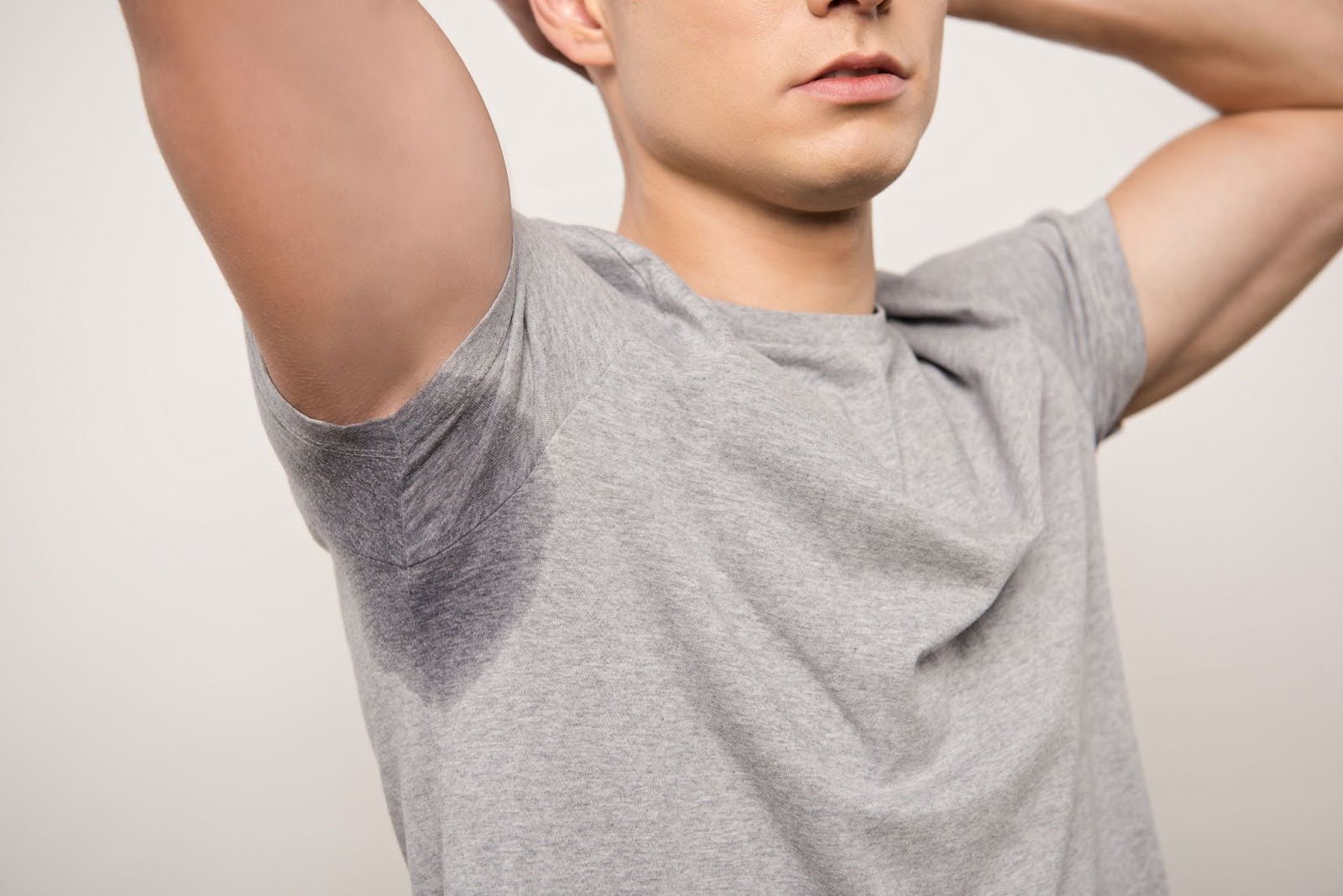
Seasonal changes alter sweating patterns. Warmer months increase symptom frequency. Cooler months reduce evaporation but not gland activity. Clothing layers complicate temperature regulation. The body needs time to adjust. Planning helps minimize disruption.
Diet affects internal heat and nerve activity. Certain substances stimulate sweat production. Hyperhidrosis reacts strongly to these inputs. Awareness supports symptom control.
Spicy foods activate heat receptors in the mouth. The body responds as if the temperature has increased. Sweating follows shortly after consumption. This reaction occurs regardless of the actual climate. Hyperhidrosis intensifies this response. Adjusting spice intake reduces flare-ups.
Caffeine increases alertness and heart rate. Sweat glands respond to this stimulation. Coffee and energy drinks increase sweating. Individual tolerance varies widely. Frequent intake compounds symptoms. Moderation improves stability.
Alcohol expands blood vessels near the skin. This expansion raises surface temperature. Sweating increases to compensate. Flushing often appears alongside moisture. Hyperhidrosis magnifies this effect. Reduced intake improves comfort.
Certain medications alter sweat regulation. Side effects may develop gradually. Hyperhidrosis symptoms often intensify. Awareness supports informed discussions.
Some antidepressants increase sweating. These medications alter neurotransmitter balance. Symptoms may appear during dosage adjustments. Sweating can persist with continued use. Communication with healthcare providers remains essential. Alternatives sometimes reduce this effect.
Pain medications influence temperature regulation. Opioids stimulate histamine release. This response causes sweating and flushing. Long-term use increases sensitivity. Dosage changes may intensify symptoms. Monitoring helps manage discomfort.
Hormonal treatments affect internal balance. Blood pressure medications alter circulation. Both influence heat distribution. Sweating may increase unexpectedly. Reactions differ between individuals. Adjustments often improve tolerance.
Exercise naturally increases sweat production. Hyperhidrosis complicates recovery afterward. The body struggles to return to baseline. This response frustrates many people.
Physical activity raises core temperature. Sweat glands activate appropriately at first. Hyperhidrosis prolongs sweating after exertion. Cooling takes longer than expected. Clothing may remain damp at rest. Hydration supports recovery.
Body fat insulates internal heat. This insulation increases sweat demand. Hyperhidrosis exaggerates this effect. Weight changes influence symptom intensity. Metabolism affects heat output. Gradual adjustments improve balance.
Hyperhidrosis treatment focuses on reducing excessive sweat production and improving daily comfort. The right approach depends on severity, affected areas, and underlying causes. Medical providers and aesthetic services often begin with conservative options before advancing to clinical interventions. These strategies aim to control symptoms rather than eliminate natural sweating.
Prescription-strength antiperspirants reduce sweat by temporarily blocking sweat ducts. These formulations often contain higher concentrations of aluminum-based compounds. Providers typically recommend nighttime application for better absorption. Skin irritation may occur, especially in sensitive areas. Consistent use improves effectiveness over time. This option is suitable for mild to moderate hyperhidrosis.
Oral medications work by calming overactive nerve signals. These drugs reduce the stimulation of sweat glands throughout the body. Providers prescribe them carefully due to possible side effects. Dry mouth and blurred vision may occur in some patients. This treatment is suitable for cases involving widespread sweating. Medical supervision remains essential.
Minimally invasive procedures target sweat glands directly. These treatments provide longer-lasting relief than topical options. Providers often recommend them when conservative measures fall short. These approaches balance effectiveness with recovery time.
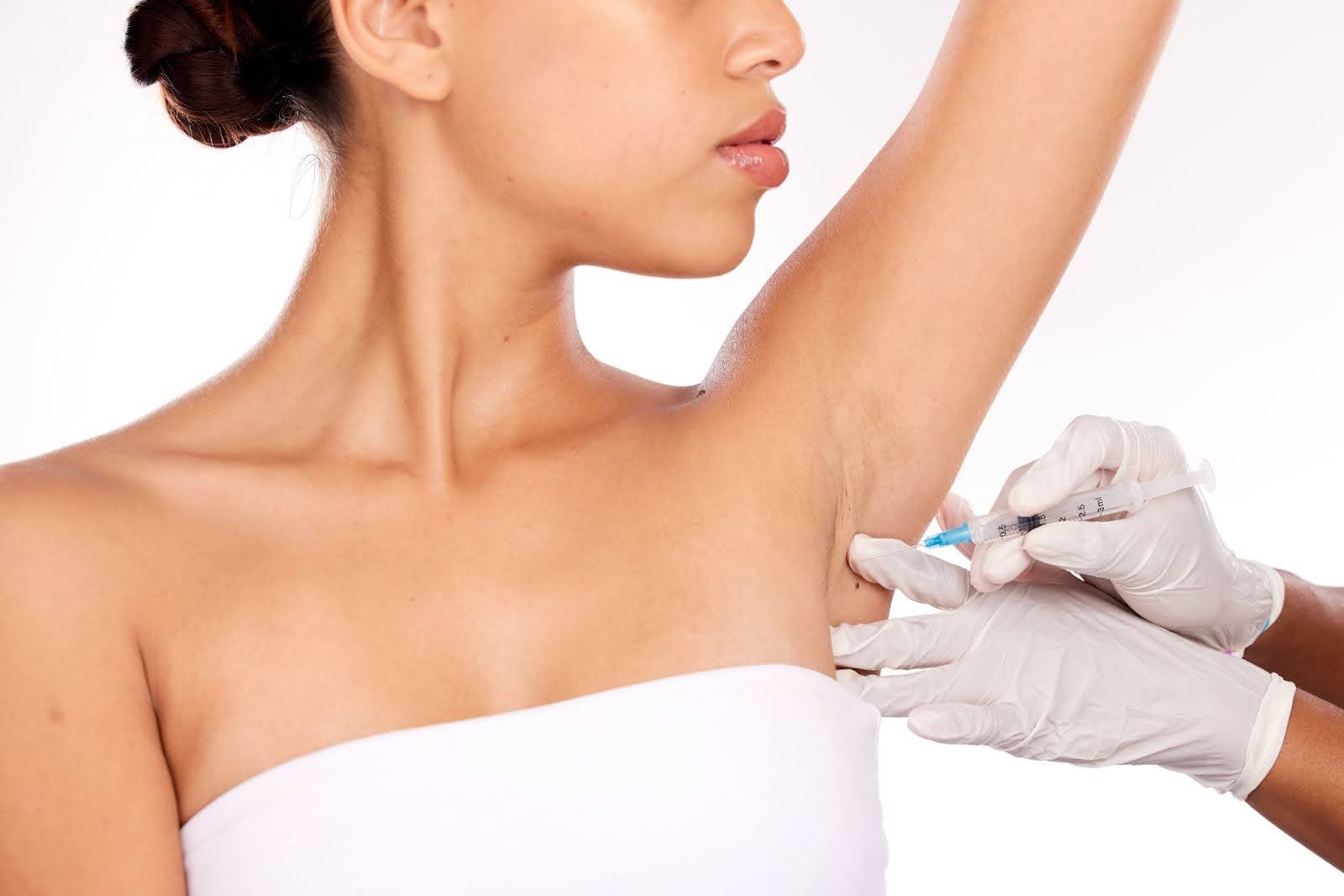
Botulinum toxin injections block nerve signals that activate sweat glands. Providers commonly use this treatment for the underarms, hands, and feet. Results typically last several months. The procedure requires precision and medical expertise. Discomfort varies by treatment area. Many patients report substantial symptom reduction.
Iontophoresis uses mild electrical currents to reduce sweating. Hands and feet respond best to this method. Treatments initially occur several times per week. Maintenance sessions help sustain results. This therapy suits patients seeking non-drug options. Clinical data support its effectiveness with consistency.
Hyperhidrosis responds best to clarity rather than avoidance, especially when symptoms disrupt comfort and routine. Once triggers become recognizable, choices around care, lifestyle, and professional guidance feel more deliberate and grounded. This understanding shifts excessive sweating from a source of frustration into a condition that can be addressed with structure and confidence. Progress with hyperhidrosis begins when awareness turns into informed, purposeful action.
For medically grounded perspectives on hyperhidrosis and skin health, continue reading on the Naples Laser & Skin Aesthetics blog.
%402x.svg)