.png)
.png)
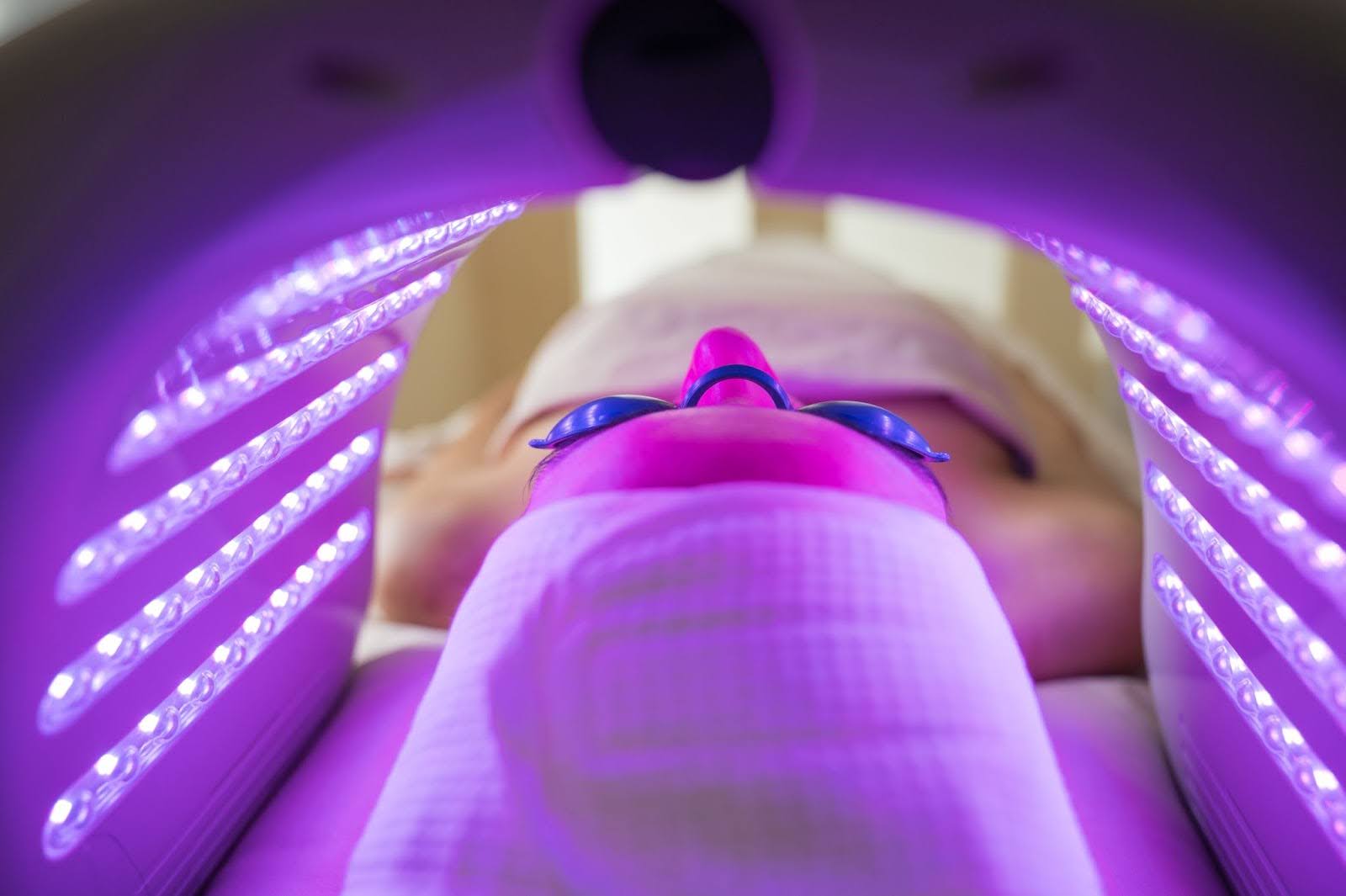
Professional skincare treatments often raise questions before the first visit. Many people want results without discomfort or disruption. LED light therapy treatment sessions feel calm, structured, and predictable. The experience centers on controlled light exposure and skin safety. That balance helps clients feel informed and comfortable from start to finish.
A professional LED light therapy treatment uses medical-grade light wavelengths to support skin function. This treatment differs from home devices through precision controls and provider supervision. Skincare clinics tailor light color, intensity, and timing to individual skin needs. That structure creates consistent outcomes while maintaining comfort throughout each session.
LED light therapy treatment works by delivering visible light into the skin layers. Different wavelengths trigger specific cellular responses within the skin. Red light supports collagen synthesis and skin renewal. Blue light targets surface bacteria linked to breakouts. Providers select wavelengths based on skin goals and conditions. This targeted approach avoids damage while supporting gradual improvement.
Clinical LED light therapy treatment systems deliver stronger, stable output. These devices maintain precise distance and exposure times. Home tools often lack consistent wavelength accuracy. Providers monitor skin reactions during every session. That oversight allows immediate adjustments if sensitivity appears. This difference improves reliability and client confidence.
Preparation for LED light therapy treatment stays practical and straightforward. Clinics usually share instructions before appointment day. Clean skin allows better light absorption during treatment. Following guidance helps ensure smoother sessions and more predictable skin responses.
Skin preparation begins with gentle cleansing before arrival. Makeup, sunscreen, and heavy products should be avoided. These products may block light penetration during exposure. Shaving or exfoliating requires provider approval beforehand. Clean skin reduces the risk of irritation during treatment. This preparation supports an even distribution of the product across the skin.
The consultation clearly defines goals and treatment direction. Skincare providers assess skin type, tone, and current concerns. Medical history questions identify possible light sensitivities. Treatment timelines and expectations are explained early. Clients can ask questions about wavelengths and devices. This discussion helps clarify expectations before treatment begins.
An LED light therapy treatment session follows a calm, step-by-step process. Clinics design rooms for comfort and minimal distraction. Providers explain each step before light activation. This structure helps clients relax during treatment.
The treatment room remains clean and softly lit. Equipment is positioned before the session starts. Protective eyewear is provided for eye safety. Clients settle into a comfortable seated or reclined position. Providers confirm comfort before proceeding. This setup prepares the client for light exposure.
The LED device is placed above the treatment area. Providers maintain a controlled distance from the skin. Light activation begins gradually to support comfort. Exposure time follows the treatment plan precisely. Devices remain stationary throughout the session. This consistency supports even skin coverage.
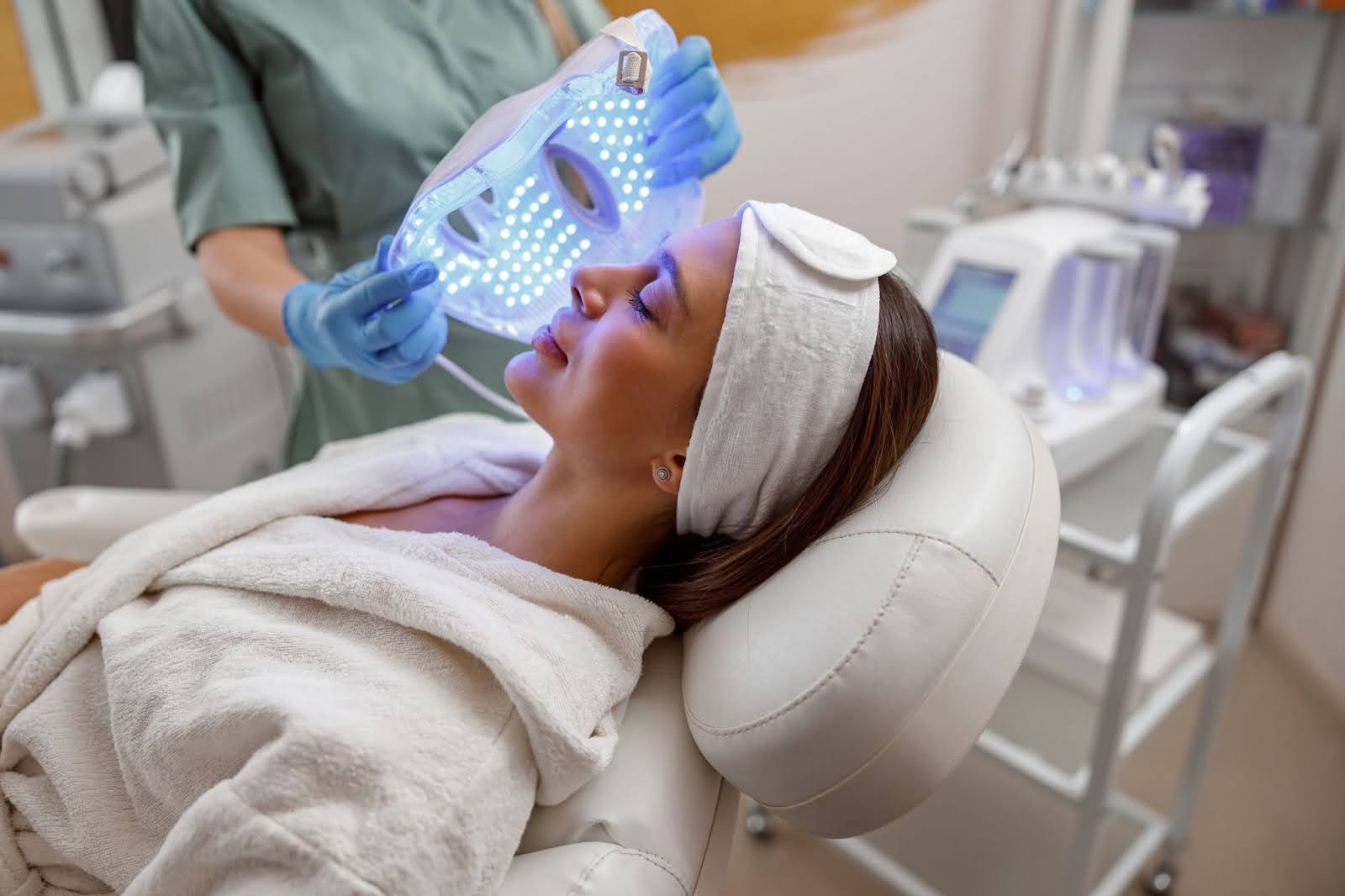
Most clients feel a gentle warmth on the skin surface. The sensation remains mild and steady throughout exposure. No sharp heat or pain should occur. Many clients describe a calming or relaxing feeling. Stillness helps maintain consistent light delivery. Any discomfort should be reported immediately.
LED light therapy treatment sessions require modest time commitments. Session length depends on skin goals and the type of light used. Providers recommend frequency based on skin response patterns. Consistency supports visible progress over time.
A typical LED light therapy treatment lasts about 20 minutes. Some sessions extend slightly for targeted concerns. Light color combinations may affect timing adjustments. Providers monitor exposure closely throughout the session. Treatments never feel rushed or prolonged unnecessarily. This timing supports regular scheduling.
Providers often suggest weekly or biweekly sessions initially. Active skin concerns may require closer spacing. Maintenance sessions occur less frequently once goals stabilize. Providers reassess schedules during follow-up visits. Lifestyle and skincare routines influence frequency decisions. This flexible planning supports sustainable results.
Safety protocols guide every LED light therapy treatment session. Clinics follow established guidelines for equipment use. Providers assess skin sensitivity before exposure begins. These steps protect client comfort throughout treatment.
Protective eyewear shields the eyes from light exposure. Providers ensure proper fit before activation. Untreated skin areas remain covered as needed. Light intensity stays within approved safety ranges. Providers monitor skin reactions continuously. These measures support confidence during treatment.
Certain medications increase the risk of light sensitivity. Providers review medical history carefully beforehand. Active skin infections may delay treatment scheduling. Pregnancy guidelines vary by clinic policy. Open communication prevents unwanted reactions. Clearance keeps treatments appropriate and safe.
Aftercare supports skin comfort after LED light therapy. Most clients return to their daily routines immediately. Providers share simple post-session guidance. These steps help maintain treatment benefits.
Skin may appear slightly flushed after exposure. Mild warmth usually fades within minutes. No peeling or downtime typically occurs. Skin often feels calm and refreshed. These responses fall within normal expectations. Providers explain what reactions are typical.
Gentle skincare products work best after treatment. Hydration supports skin balance and comfort. Harsh exfoliants should be avoided temporarily. Sunscreen remains essential for daily protection. Providers may suggest suitable products. Consistent care supports ongoing improvement.
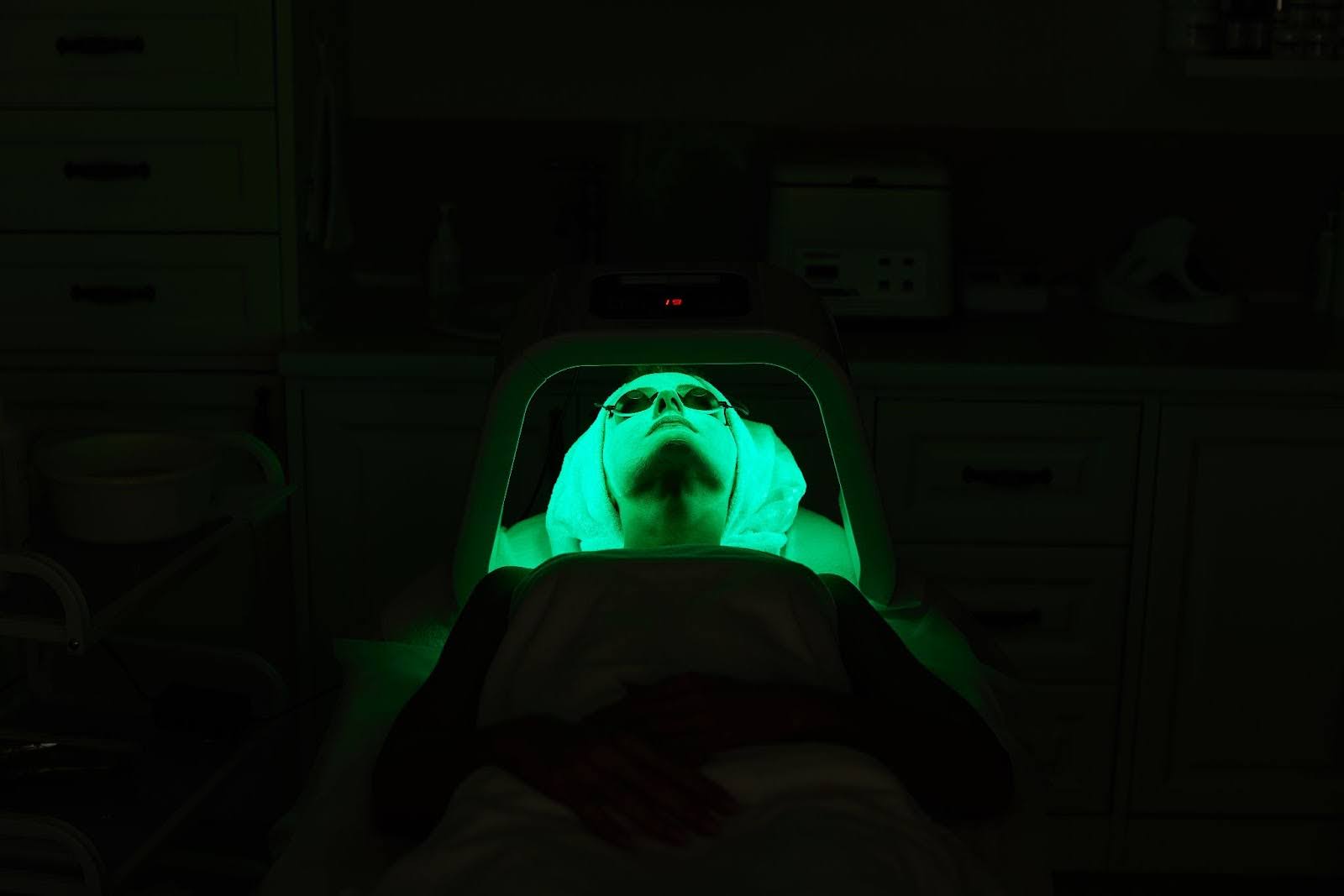
LED light therapy treatment results appear gradually with consistency. Each session builds on previous exposure. Providers explain realistic expectations early. Patience supports long-term satisfaction.
Some clients notice a brighter skin tone quickly. Texture may feel smoother after early visits. Redness or irritation may decrease gradually. Acne-prone skin often appears calmer. These changes remain subtle but encouraging. Providers track progress during follow-ups.
Ongoing LED light therapy treatment supports greater improvements. Collagen activity increases gradually over time. Breakout frequency may reduce with consistency. Skin clarity becomes more noticeable over the weeks. Results vary based on individual skin factors. Providers adjust plans as progress appears.
Skin biology determines how LED light therapy treatment performs on different individuals. Factors like thickness, hydration, and circulation influence light absorption. Clinics account for these variables when designing treatment plans. This biological perspective explains why results vary across skin types.
Skin thickness affects how deeply light wavelengths travel. Thicker skin may absorb light differently from thinner skin. Providers adjust distance and exposure time accordingly. Facial areas often respond faster than body areas. This variation explains uneven progress across treatment zones. Understanding skin structure improves treatment accuracy.
Hydrated skin responds better to LED light therapy treatment. Water content supports efficient cellular communication. Dehydrated skin may reflect light rather than absorb it. Providers often recommend hydration before sessions. This guidance improves light interaction at the cellular level. Hydration directly influences visible outcomes.
Consistency shapes outcomes more than intensity in LED light therapy treatment. Skin responds to repeated, controlled exposure over time. Skipping sessions interrupts cellular signaling cycles. Providers emphasize regular scheduling for this reason.
Skin cells adapt gradually to light-based stimulation. Each session reinforces prior cellular responses. Irregular exposure weakens cumulative effects. Collagen activity builds slowly with repetition. This process mirrors other regenerative skin treatments. Consistency supports stable, visible improvement.
Long gaps between sessions may slow progress. Skin may return to baseline behavior during breaks. Providers often notice plateaus after missed appointments. Adjusting frequency can restore momentum. This pattern explains delayed results for some clients. Scheduling discipline supports sustained progress.
Environmental factors influence LED light therapy treatment outcomes more than expected. Daily habits affect how skin responds to light exposure. Providers often assess lifestyle during consultations. This context helps explain uneven results.
Excessive sun exposure can overstimulate skin cells. Overexposed skin may respond more slowly to LED light. Providers recommend sun protection during treatment periods. Controlled exposure supports predictable responses. This guidance protects treated skin areas. Environmental awareness improves treatment efficiency.
Chronic stress affects skin regeneration processes. Stress hormones interfere with cellular repair cycles. LED light therapy treatment supports recovery but cannot override stress effects. Providers may discuss lifestyle balance during consultations. This conversation helps manage expectations. Skin health reflects overall well-being.
A professional LED light therapy treatment offers clarity, structure, and purpose within modern skin care. The controlled setting, trained oversight, and measured consistency create confidence at every visit. Choosing professional care reflects an informed approach to long-term skin health. Scheduling a session opens the door to steady improvement guided by expertise rather than guesswork.
Visit the Naples Laser & Skin Aesthetics blog for clear, clinician-informed perspectives on advanced skin treatments.
%402x.svg)