.png)
.png)
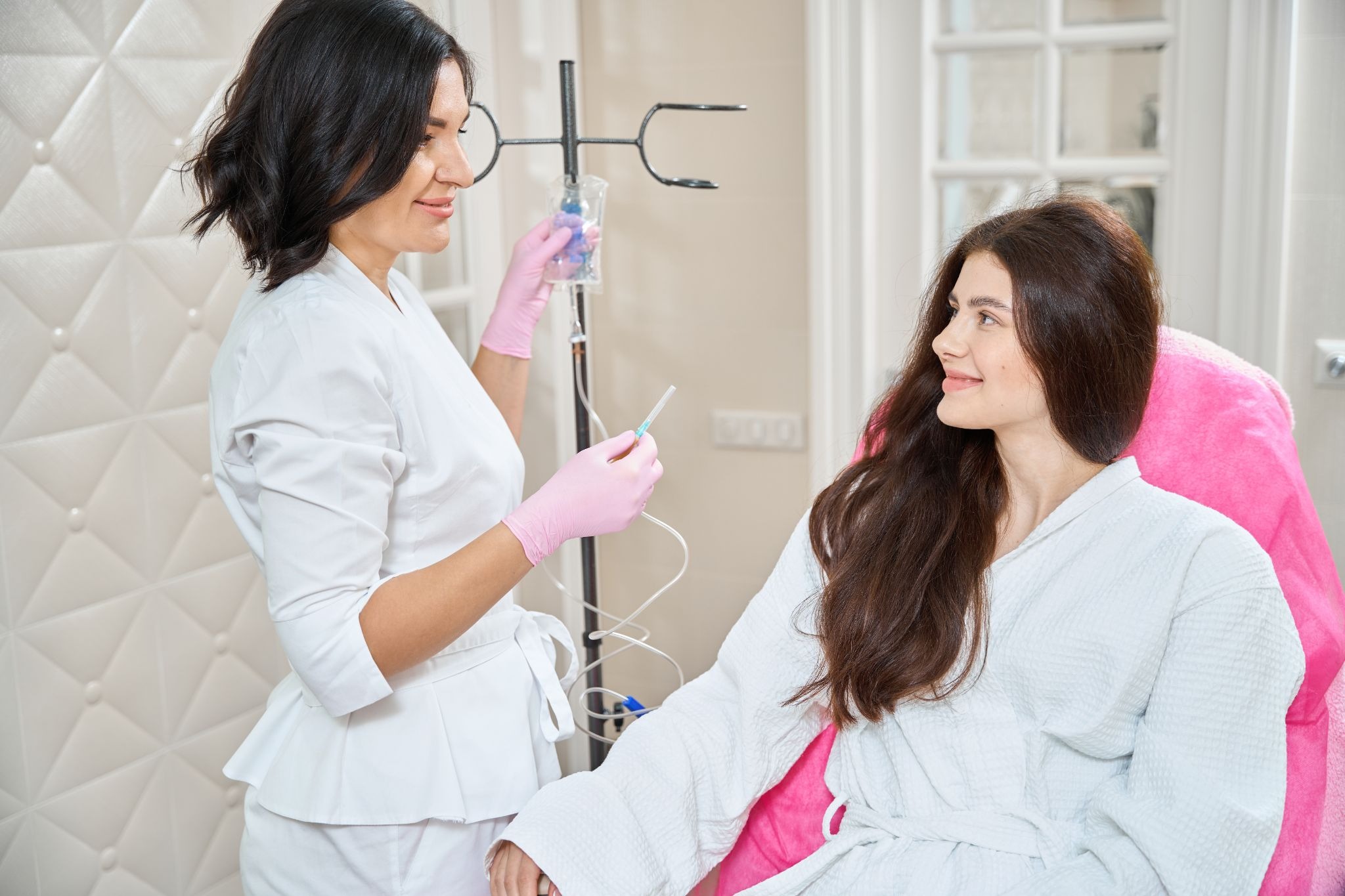
Energy dips and constant fatigue have become common in fast-paced routines. Many people look for solutions that deliver faster results than traditional supplements. Oral vitamins often take time to absorb and may not meet immediate needs. This growing gap has led to interest in more direct wellness approaches. Vitamin IV therapy offers a faster route that many now consider for hydration and nutrient support.
Vitamin IV therapy delivers vitamins, minerals, and fluids directly into the bloodstream through an intravenous line. This direct method allows nutrients to bypass digestion and reach cells faster. Many wellness and aesthetic clinics now provide this service as part of modern care options. This approach attracts people who want efficient nutrient delivery without relying on oral supplements.
A small catheter is inserted into a vein, usually in the arm, to deliver nutrient-rich fluids. This process sends vitamins and minerals directly into circulation, allowing immediate absorption. Many providers design each infusion based on specific wellness goals, such as hydration or recovery. Sessions typically last between 30 and 60 minutes while patients remain seated comfortably. Medical staff monitors the process to maintain safety and adjust flow when needed. Based on recent clinic data, many users report faster perceived effects compared to oral supplements.
Infusion formulas often include Vitamin C to support immune response and recovery. B-complex vitamins are also widely used because they assist with energy production and metabolism. Magnesium is commonly added to help muscle relaxation and nerve function. Many providers include antioxidants like glutathione to address oxidative stress. Electrolytes such as sodium and potassium help restore fluid balance during treatment. These combinations are often customized based on individual needs and provider recommendations.
Vitamin IV therapy delivers nutrients quickly, appealing to people with busy lifestyles. This method allows higher absorption compared to oral intake in some cases. Many individuals choose it for hydration, energy, or recovery support. This growing interest reflects a shift toward personalized wellness solutions.
Fluids delivered directly into the bloodstream help restore hydration more quickly than oral intake. This rapid hydration can reduce fatigue and support overall energy levels. Many users report feeling refreshed shortly after a session, especially after travel or long workdays. The boost in energy may result from both hydration and the added vitamins in the infusion. Athletes and professionals often use this method to recover from demanding schedules. Based on user feedback, results vary but are often noticeable within hours.
High-dose Vitamin C and antioxidants are often included to support immune function. These formulations appeal to individuals during periods of stress or seasonal illness. Many people seek treatment when they feel run-down or need faster recovery support. Antioxidants may help reduce inflammation and support cellular repair. Clinics sometimes recommend these options as part of a broader wellness routine. Outcomes still depend on overall health and should not replace proper medical care.
Hydration and nutrient delivery can improve overall skin appearance. Well-hydrated skin often looks brighter and more refreshed after treatment. Some formulations include glutathione, which is linked to improved skin clarity. This beauty-focused use has gained attention through social media and wellness trends. Many users report smoother texture and better tone with consistent sessions. Results vary depending on skin condition, lifestyle, and treatment frequency.

Vitamin IV therapy delivers nutrients directly into the bloodstream, which affects how the body uses them. This process differs from oral intake, where digestion limits absorption rates. Many people assume full utilization occurs, but the body regulates how much it actually uses. This distinction helps explain why effectiveness varies among individuals.
Nutrients entering the bloodstream are immediately available, but the body only uses what it requires. This difference means that not all delivered vitamins reach cellular function. Water-soluble nutrients, such as Vitamin C, are often excreted when present in excess. Factors like metabolism, hydration, and existing nutrient levels influence how much the body retains. This variation explains why individuals experience different results from similar treatments. Understanding this concept helps set realistic expectations for outcomes.
Biological and lifestyle factors influence how efficiently nutrients are used after infusion. Age, activity level, and overall health condition can affect the body’s response. Individuals with deficiencies may utilize nutrients more effectively than those with balanced levels. This difference underscores the value of personalized formulations over standard blends. Hydration status and liver function also play roles in nutrient processing. Based on clinical observations, tailored dosing often leads to more consistent results.
Vitamin IV therapy frequency depends on individual goals, health status, and provider recommendations. This treatment can be used occasionally or as part of a scheduled wellness routine. Some individuals prefer regular sessions, while others use it only when needed. This variation underscores the importance of understanding appropriate usage patterns.
Treatment schedules vary widely depending on the intended purpose. Some individuals opt for occasional sessions, while others follow structured plans for ongoing support. Providers often recommend spacing treatments to allow the body to process nutrients naturally. This approach helps prevent unnecessary buildup of vitamins and minerals. Individuals with specific conditions may require closer monitoring and customized schedules. Professional guidance helps determine the most suitable frequency.
Frequent use can lead to reliance on quick results instead of long-term health habits. This pattern may reduce attention to proper nutrition and hydration. Repeated high-dose infusions can also affect the body’s natural regulation processes. This concern becomes more relevant when treatments are used without a clear purpose. Experts often recommend combining infusions with balanced lifestyle practices. Maintaining moderation helps avoid unnecessary dependence.
Vitamin IV therapy sessions follow a structured process that prioritizes safety and comfort. This procedure usually begins with a consultation and ends with simple aftercare. Many clinics design the experience to feel calm and efficient. This setup helps first-time users feel more at ease.

A consultation typically begins with an assessment of the patient's health history and treatment goals. Providers use this information to recommend suitable nutrient blends. Patients can ask questions and address concerns before treatment starts. Safety checks, including vital signs, may also take place. This preparation helps align the treatment with individual needs. Clear communication builds trust and confidence throughout the process.
A small needle is inserted into a vein to initiate the infusion. Most individuals feel only mild discomfort during insertion. Patients remain seated or reclined while fluids flow through the IV line. Sessions usually last between 30 and 60 minutes, depending on the formula. Staff monitors the infusion to maintain safety and comfort. Many people use the time to relax or engage in quiet activities.
The IV line is removed once the infusion is complete, and a small bandage is applied. Most individuals can resume normal activities immediately after the session. Some notice immediate effects, while others experience gradual improvements. Providers may recommend hydration and rest following treatment. Follow-up sessions depend on personal goals and professional advice. Consistency varies based on individual needs and lifestyle.
Vitamin IV therapy costs vary depending on ingredients, provider expertise, and clinic location. This pricing structure reflects the customization and medical oversight involved. Many clinics offer different packages to suit various needs and budgets. This flexibility allows individuals to choose services that align with their goals.
Session costs can range from moderate to higher, depending on the formulation. Basic hydration infusions are usually less expensive than specialized blends. Some clinics offer membership plans that reduce the cost per visit. This option appeals to individuals planning regular treatments. Insurance coverage is uncommon because these services fall under wellness care. Comparing providers helps determine whether the cost aligns with expected value.
Selecting a qualified provider is key to safety and treatment quality. Clinics should employ licensed professionals trained in intravenous procedures. Clean facilities and proper equipment reflect strong safety standards. Transparent ingredient lists help patients understand what they receive. Reviews and recommendations offer insight into service reliability. Asking questions before booking helps identify trustworthy providers.
Vitamin IV therapy operates within a healthcare framework that varies by provider type and location. This structure includes medical oversight, licensing, and safety protocols. Many people overlook these standards when choosing a clinic. This awareness helps reduce risks and improve treatment quality.
Licensed professionals should administer intravenous treatments to maintain proper medical standards. This requirement often includes nurses or physicians, depending on local regulations. Clinics must follow strict hygiene and safety protocols during each session. Proper oversight reduces the risk of complications such as infection or incorrect dosing. Some wellness centers operate with varying levels of supervision. Verifying credentials helps patients make informed and safer decisions.
High-quality ingredients play a critical role in both safety and effectiveness. Proper storage and handling help maintain the integrity of vitamins and fluids. Clinics that follow strong standards often provide clear information about their formulations. This transparency allows patients to understand what they receive during treatment. Poor handling or low-quality sources can reduce effectiveness and increase risks. Checking these details helps identify reliable providers.
Certain warning signs can indicate lower standards in some clinics. Lack of medical supervision or unclear ingredient lists raises safety concerns. Poor facility cleanliness may also signal weak operational practices. Patients should feel comfortable asking detailed questions before treatment. Transparency and professionalism reflect a higher level of care. Careful evaluation helps avoid unreliable or unsafe providers.
Vitamin IV therapy delivers fast results, but thoughtful decisions shape the overall experience. This treatment works best when aligned with your health needs and realistic expectations. A careful approach helps you choose qualified providers and appropriate formulations. This awareness supports safer use and more consistent outcomes over time. A clear understanding leads to better choices that fit your long-term wellness goals.
Get clear, expert-backed insights on Vitamin IV Therapy at the Naples Laser & Skin Aesthetics blog.
%402x.svg)