.png)
.png)
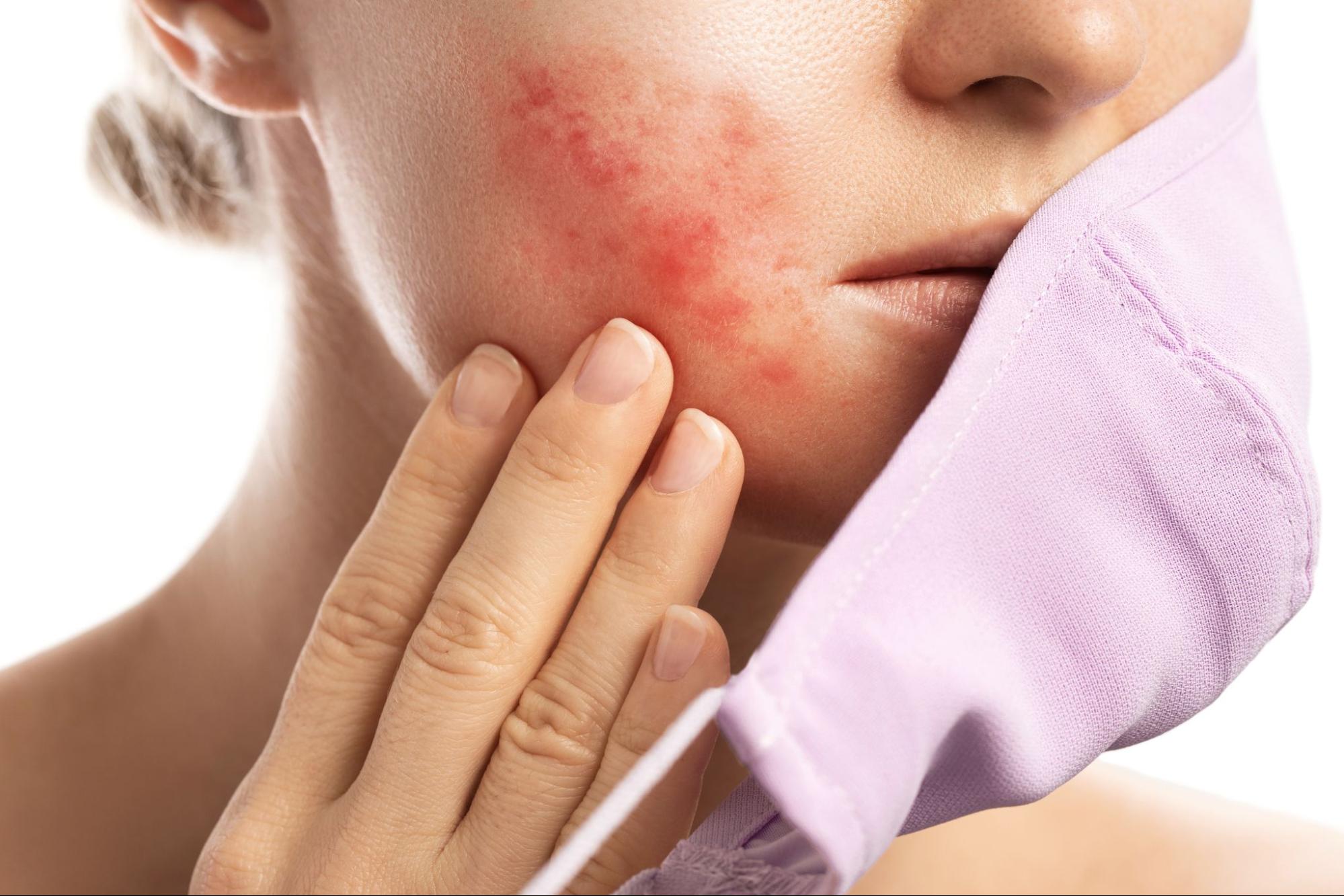
Many people notice redness across their cheeks and assume it comes from sun exposure or stress. The color may linger longer than expected and slowly spread across the nose or chin. Small bumps sometimes appear and resemble acne, leading to confusion about the true cause. Skin may feel warm, sensitive, or irritated after simple triggers like hot drinks. These experiences often lead people to ask an important question about their skin condition: What exactly is rosacea?
Rosacea is a chronic inflammatory skin condition that mainly affects the central face. Doctors define rosacea as a disorder that causes persistent redness, visible blood vessels, and acne-like bumps. This condition often appears gradually and may worsen without proper management. Understanding how rosacea behaves helps people recognize symptoms and seek proper dermatological care.
Rosacea describes a long-term inflammatory skin disorder that affects facial blood vessels and surrounding tissue. The condition usually appears on the cheeks, nose, forehead, and chin, where flushing occurs easily. Many people first notice redness that resembles a mild sunburn and fades slowly. Over time, repeated flushing may leave the skin with a constant pink or red tone. Skin often becomes sensitive and reacts strongly to heat, sunlight, or skincare products. According to dermatology research cited by organizations such as the American Academy of Dermatology, inflammation and vascular sensitivity are the primary drivers of most rosacea symptoms.
Rosacea often resembles other skin conditions, making early recognition difficult. The bumps associated with rosacea may look like acne pimples, especially during flare-ups. However, rosacea usually lacks blackheads and deep, clogged pores that appear with acne. People often treat rosacea with acne products that further irritate sensitive skin. Persistent redness and visible facial vessels usually help dermatologists identify rosacea. Accurate diagnosis enables medical professionals to recommend treatments that reduce inflammation rather than aggravate it.
Rosacea symptoms appear in several forms that affect the skin and sometimes the eyes. Dermatologists group these symptoms into patterns that help identify the condition quickly. Some people develop mild redness while others experience bumps or visible blood vessels. Recognizing these symptoms helps individuals understand when facial redness may signal rosacea.
Persistent redness forms the most recognizable symptom of rosacea. The cheeks and nose are usually the first to show visible flushing. At first, redness may appear after exercise, alcohol, or warm beverages. Over time, this facial redness may remain present throughout the day. The skin may feel warm or slightly swollen during flare-ups. Dermatology clinics often identify rosacea when redness persists beyond normal flushing.
Visible blood vessels often develop as rosacea progresses. These thin vessels appear as delicate red lines across the cheeks or nose. Dermatologists refer to these small vessels as telangiectasia. Inflammation weakens vessel walls, allowing them to remain visible through the skin. Many people notice them after years of repeated flushing episodes. Laser dermatology treatments sometimes reduce their appearance when redness becomes more noticeable.
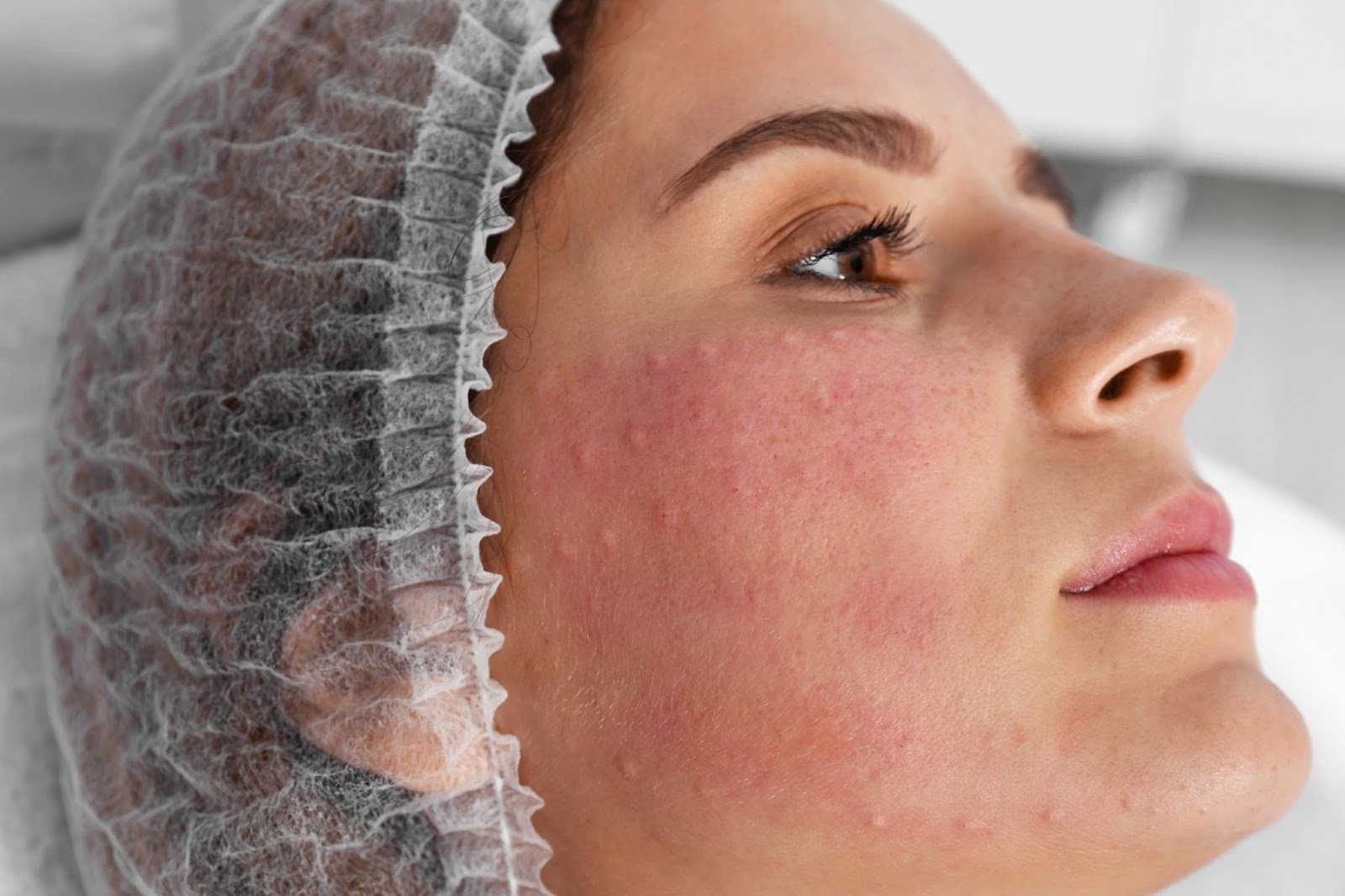
Rosacea sometimes produces small red bumps that resemble acne breakouts. These bumps often appear in clusters across the center of the face. The surrounding skin may feel irritated or unusually sensitive. Harsh exfoliants and fragranced skincare products may quickly worsen irritation. Additionally, people often notice flare-ups after eating spicy foods, drinking hot drinks, or experiencing emotional stress. Dermatology clinics report that inflammatory bumps respond well to medical treatment and gentle skincare routines.
Rosacea can affect the eyes, a condition doctors call ocular rosacea. This ocular condition may cause dryness, irritation, and redness in the eyes. Patients sometimes describe burning sensations or watery eyes during flare-ups. Eyelids may swell slightly and develop bumps similar to styes. Additionally, light sensitivity may occur when inflammation reaches the eye surface. Eye specialists and dermatologists often collaborate to safely manage ocular rosacea symptoms.
Rosacea develops through a combination of biological sensitivity and environmental triggers. Medical research suggests that inflammation, blood vessel responses, and immune responses interact. Dermatologists study these patterns to understand why certain people develop rosacea. Learning about these triggers helps individuals reduce flare-ups and protect sensitive skin.
Genetic predisposition increases the likelihood of developing rosacea. Many people report family members who experience similar facial redness patterns. Researchers believe inherited traits affect how facial blood vessels respond to heat or stress. These inherited responses can cause stronger inflammatory reactions in the skin. Additionally, genetic factors may influence immune responses that affect facial tissue. Dermatology research published in clinical journals supports the connection between genetics and rosacea susceptibility.
The immune system contributes to rosacea symptoms by triggering inflammatory reactions in the facial skin. Certain immune proteins react strongly to common environmental triggers. This immune response causes redness, swelling, and irritation across sensitive areas. Researchers also study the microorganisms that naturally live on human skin. For example, Demodex mites are more abundant on rosacea-prone skin. These organisms may trigger inflammatory reactions in people with sensitive immune responses.
Environmental triggers often worsen rosacea symptoms. Sun exposure ranks among the most common triggers reported in dermatology clinics. Heat, wind, and cold weather may also irritate facial blood vessels. Emotional stress can also increase facial flushing in susceptible individuals. Additionally, spicy foods and hot beverages may trigger redness in many patients. Identifying personal triggers helps people reduce flare-ups and manage rosacea more effectively.
Daily habits influence how rosacea behaves over time. Alcohol, caffeine, and certain cosmetics may irritate sensitive facial skin. Fragrance-heavy skincare products often worsen redness and inflammation. Aggressive exfoliation can weaken the skin barrier and increase irritation. Gentle skincare routines often improve comfort for people with rosacea. Dermatologists commonly recommend fragrance-free products for sensitive skin.
Rosacea affects people across many backgrounds, yet some patterns appear more frequently. Dermatologists observe trends related to skin type, age, and genetic background. These patterns help clinicians identify rosacea during early dermatological evaluations. Increased awareness allows people to seek medical advice when symptoms appear.
Rosacea most often develops in adults between thirty and fifty years old. Fair skin tones tend to show redness more clearly beneath the surface. Individuals with sensitive skin may notice stronger reactions to environmental triggers. Sun exposure often worsens redness in these skin types. Additionally, people with northern European ancestry report rosacea more frequently. Dermatology research suggests that lighter skin tones may reveal vascular changes more visibly.
Both men and women develop rosacea, yet patterns differ slightly between genders. Women report symptoms more often during dermatology visits. Hormonal fluctuations may influence facial flushing and skin sensitivity. Men sometimes develop thicker skin around the nose during advanced stages. This condition, called rhinophyma, gradually enlarges the nasal area. Dermatologists often treat these cases with medical or surgical approaches.
Early rosacea symptoms often appear mild and easy to overlook. Occasional flushing may resemble normal skin reactions to heat or stress. Sensitive skin reactions to cosmetics may also appear unrelated. However, repeated redness may signal an underlying inflammatory pattern. People sometimes notice burning sensations after sun exposure or spicy meals. Recognizing these patterns helps individuals seek dermatological evaluation sooner.
Dermatologists diagnose rosacea based on clinical observation and a patient's history of symptoms. Doctors evaluate visible skin patterns rather than relying on laboratory tests. This clinical approach allows specialists to identify rosacea based on characteristic features. Accurate diagnosis helps guide treatments that reduce inflammation and improve skin comfort.
Dermatologists begin diagnosis with a close examination of facial skin. They carefully observe redness patterns across the cheeks, nose, and forehead. Visible blood vessels often help confirm the diagnosis of rosacea during the examination. Doctors also examine bumps or irritated areas of skin for signs of inflammation. Additionally, they ask questions about triggers such as sunlight, alcohol, or stress. This detailed evaluation helps clinicians distinguish rosacea from other skin conditions.
Rosacea and acne share certain visual similarities that confuse many patients. Both conditions may include facial bumps and redness. However, acne usually includes blackheads, clogged pores, and deeper lesions. Rosacea typically lacks these pore blockages and primarily affects the central face. Dermatologists also consider patient age and flushing patterns. Accurate differentiation helps doctors select treatments that calm inflammation rather than worsen irritation.
Ocular rosacea diagnosis involves evaluating both skin and ocular symptoms. Eye specialists check for redness, swelling, and eyelid irritation. Patients often report burning sensations, dryness, or light sensitivity. These symptoms may appear even before facial redness becomes obvious. Dermatologists and ophthalmologists sometimes collaborate when eye involvement occurs. This collaborative care helps manage symptoms and protect long-term eye comfort.
Rosacea treatment focuses on controlling symptoms and preventing flare-ups. Dermatologists usually combine medication, skincare adjustments, and lifestyle guidance. This treatment approach aims to reduce inflammation and calm sensitive skin. Consistent management often improves skin comfort and overall appearance.
Prescription medications help reduce inflammation and redness in rosacea-prone skin. Dermatologists often recommend topical creams that calm irritated blood vessels. Some medications temporarily narrow visible vessels and reduce facial redness. Oral antibiotics sometimes treat inflammatory bumps and skin swelling. These medications work by reducing bacteria and calming immune responses. Treatment plans vary depending on symptom severity and patient skin sensitivity.
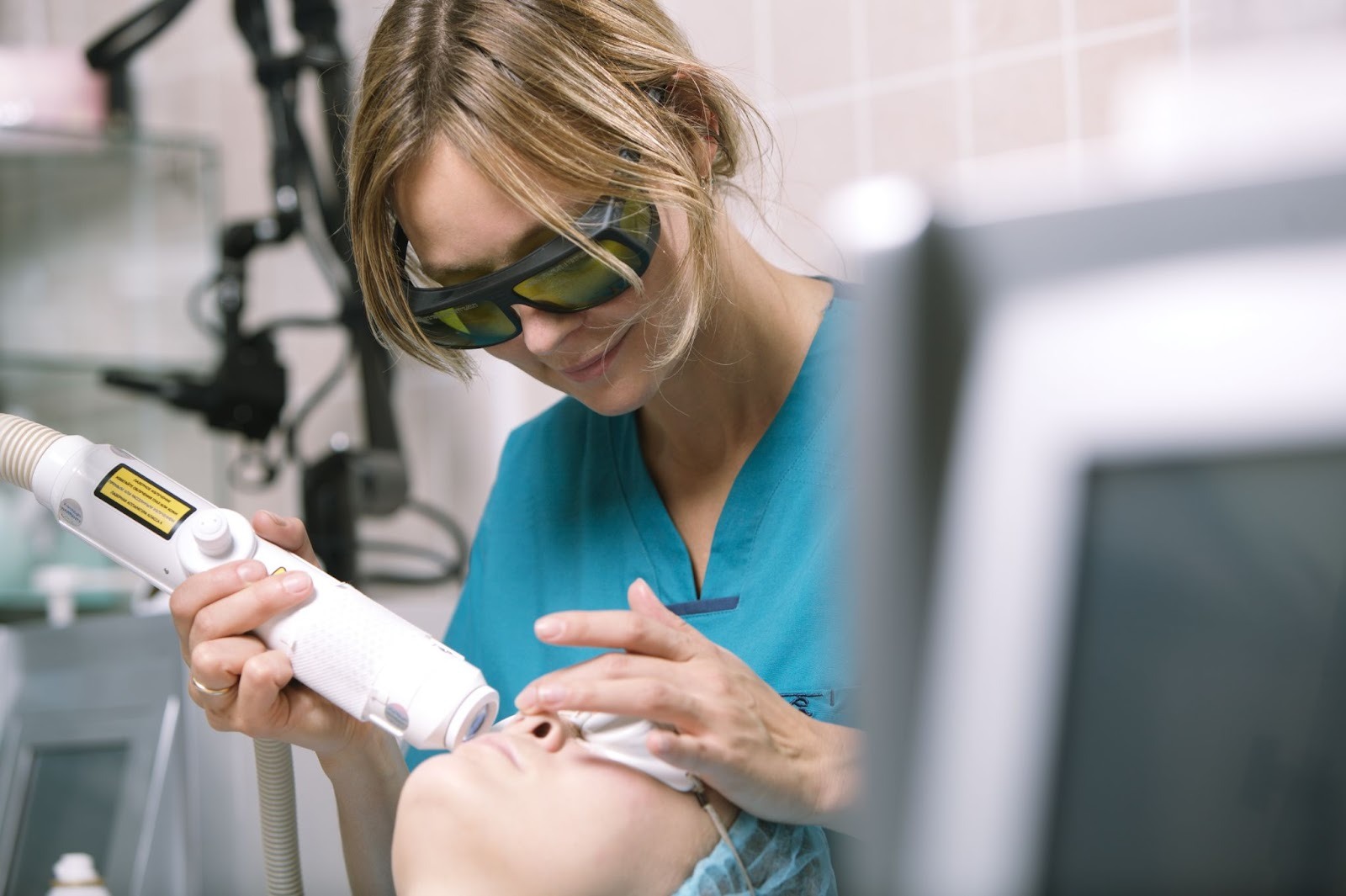
Laser therapy can reduce visible blood vessels associated with rosacea. Dermatologists use focused light energy to target dilated facial vessels. This treatment gradually reduces redness and improves skin tone. Several sessions usually provide the most noticeable improvement. Patients often observe gradual changes over several weeks. Dermatology clinics commonly recommend laser therapy for persistent vascular symptoms.
Gentle skincare routines help support rosacea-prone skin. Mild cleansers remove dirt without stripping protective skin oils. Fragrance-free moisturizers help strengthen the skin barrier. Sunscreen protects sensitive skin from ultraviolet radiation and irritation. Mineral sunscreens containing zinc oxide often work well for rosacea patients. Consistent skincare habits support medical treatment and reduce irritation.
Lifestyle habits strongly influence rosacea flare-ups. People benefit from identifying triggers through observation and routine tracking. Avoiding extreme heat or spicy foods may reduce the frequency of redness episodes. Stress management techniques may also calm inflammatory responses. Proper hydration supports healthy skin function and comfort. These practical adjustments complement dermatologists' medical treatment plans.
Rosacea often begins with subtle changes that many people dismiss as simple skin sensitivity. Persistent redness, visible vessels, or recurring facial bumps deserve closer attention and informed care. When people recognize these signs early, they gain the chance to manage irritation before it becomes more disruptive. A consultation with a qualified aesthetician can clarify symptoms and guide effective rosacea treatment for healthier, calmer skin.
Stay informed about advanced skincare and dermatology care. Read more expert insights on the Naples Laser & Skin Aesthetics blog and discover helpful guidance for your skin.
%402x.svg)