.png)
.png)
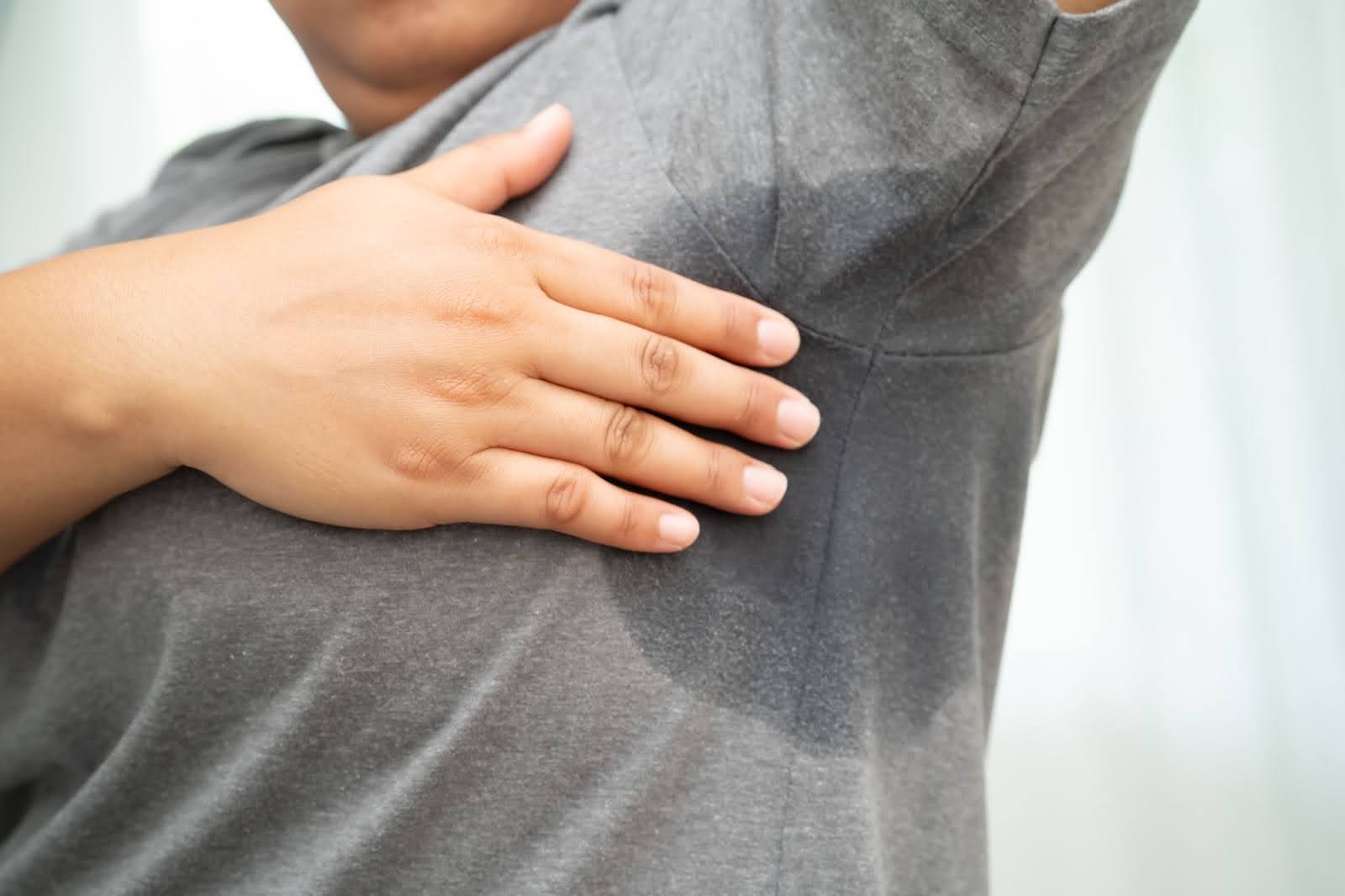
Sweating is a normal bodily function, but sometimes it goes too far. For many people, excessive sweating appears without warning or reason. Hands stay wet, clothes become soaked, and discomfort never entirely fades. These symptoms quietly affect confidence, relationships, and daily routines. Understanding the condition behind this experience brings relief and direction.
Hyperhidrosis refers to excessive sweating beyond the body's standard requirements. It happens without heat, exercise, or emotional stress. The condition can affect specific areas or spread across the body. For many people, the impact reaches far beyond physical discomfort and becomes a daily concern.
Hyperhidrosis is a medical condition characterized by excessive sweating. The body produces sweat even when cooling is unnecessary. This sweating often feels unpredictable and difficult to control. Many people notice symptoms starting early in life, sometimes during childhood or adolescence. The condition does not reflect hygiene or physical fitness levels. Medical recognition helps separate normal sweating from a clinical concern.
Sweating is controlled by the nervous system, which sends signals to sweat glands. In hyperhidrosis, these nerve signals activate glands too frequently. The glands respond as if the body were overheating. This response continues even during rest or calm conditions. The body misinterprets internal signals rather than external temperature. This miscommunication leads to persistent moisture.
Doctors classify hyperhidrosis into two main types based on cause and pattern. Each type behaves differently and requires a tailored approach to care. Knowing the distinction helps guide treatment decisions. The pattern of sweating often reveals which type is present.
Primary hyperhidrosis usually starts during childhood or adolescence. It commonly affects the hands, feet, underarms, or face. Sweating often appears on both sides of the body equally. No underlying illness explains this form of excessive sweating. Symptoms frequently occur several times each week. Nighttime sweating is uncommon with this type.
Secondary hyperhidrosis develops due to another health condition. It may result from medications, hormonal changes, or medical disorders. This type often causes sweating across the entire body. Symptoms usually begin later in life and may appear suddenly. Night sweats are more common with this form. Treating the underlying cause often reduces symptoms.
Hyperhidrosis tends to affect areas with many sweat glands. These regions are susceptible to nerve signals from the brain. Moisture buildup often leads to physical discomfort and emotional strain. The affected area shapes how people manage daily activities.
Excessive hand sweating makes handshakes uncomfortable and stressful. It can interfere with writing, typing, and gripping objects. Foot sweating causes slipping, odor, and recurring skin issues. Underarm sweating often leaves visible marks on clothing. These areas contain a high concentration of sweat glands. Daily routines usually require constant adaptation.
Facial sweating draws attention during conversations and presentations. Scalp sweating may soak hair and drip unexpectedly. Some people experience sweating on their chests or backs. Visibility often increases self-consciousness in social settings. These areas are harder to conceal with clothing. Emotional discomfort usually accompanies physical symptoms.
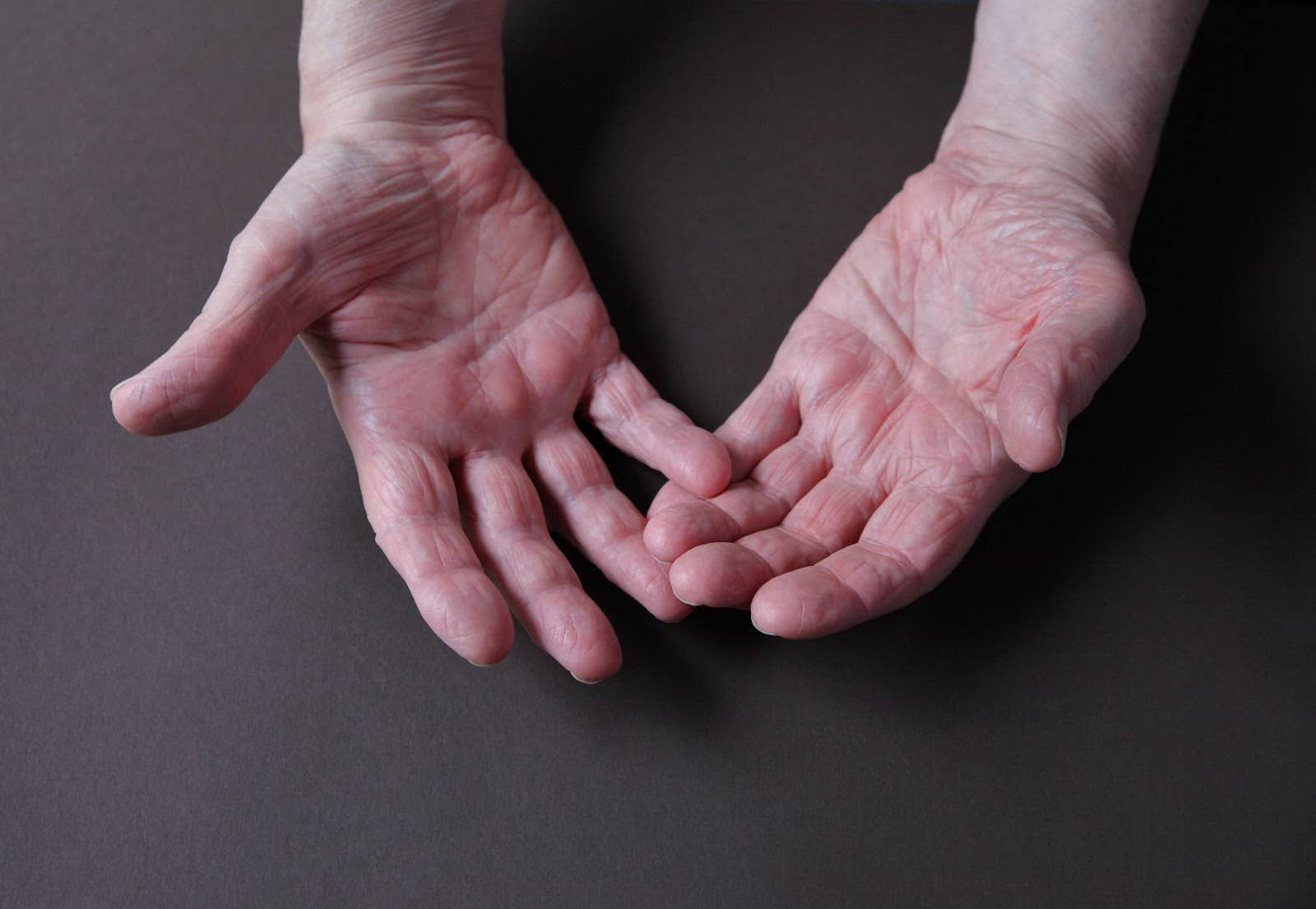
Several factors contribute to excessive sweating, depending on the type involved. Some causes involve genetics, while others relate to medical conditions. Risk factors vary from person to person. Identifying causes helps guide appropriate care decisions.
Family history increases the likelihood of primary hyperhidrosis. Some genes influence how sweat glands respond to nerve signals. The sympathetic nervous system becomes overly responsive. This overstimulation triggers sweating without physical need.
Thyroid disorders can increase metabolic activity and sweating. Diabetes may cause sweating during fluctuations in blood sugar. Infections sometimes cause night sweats as a warning sign. Hormonal shifts during menopause also increase sweating frequency.
Thyroid disorders raise metabolism and heat production. Diabetes can cause sweating during blood sugar fluctuations. Infections may produce night sweats as an early warning sign. Neurological disorders can also affect sweating.
Certain medications stimulate sweat gland activity as a side effect. Antidepressants often increase sweating frequency and intensity. Pain relievers and fever-reducing drugs may also contribute. Adjusting medications sometimes reduces symptoms.
High stress levels can overstimulate the nervous system. Caffeine and spicy foods may trigger episodes of sweating. Tight clothing traps heat and moisture against the skin. Warm environments can worsen existing hyperhidrosis symptoms.
Hyperhidrosis involves more than simply feeling warm. Symptoms often appear without obvious triggers or physical exertion. Many people dismiss early signs as personal habits. Recognizing consistent patterns helps identify a medical concern.
Clothing may become soaked during calm activities or indoor settings. Skin irritation develops from prolonged exposure to moisture. Foot infections occur more frequently in damp environments. Hands may feel persistently cold and clammy.
Excessive sweating creates anxiety during social interactions. People may avoid handshakes, meetings, or close contact. Confidence often declines over time due to embarrassment. Stress can worsen symptoms, creating a cycle that repeats.
People often change habits to hide sweating. Avoiding handshakes or close contact becomes common. Clothing choices prioritize concealment over comfort. Social withdrawal gradually replaces confidence.
Excessive sweating creates anxiety during social interactions. Embarrassment builds over time and affects self-esteem. Stress frequently worsens symptoms during important moments. This cycle reinforces both emotional and physical discomfort.
Diagnosis begins with understanding symptom patterns and history. Doctors focus on the duration, location, and severity of sweating. They aim to rule out underlying health conditions. Accurate diagnosis supports effective treatment planning.
Doctors ask when sweating began and how often it occurs. They examine affected areas for symmetry and severity. Family history provides clues about primary hyperhidrosis. Medication use and health history are carefully reviewed.
Sweat tests help measure moisture production levels. The starch-iodine test highlights areas of active sweating. Blood tests rule out hormonal or metabolic issues. These steps clarify the diagnosis.
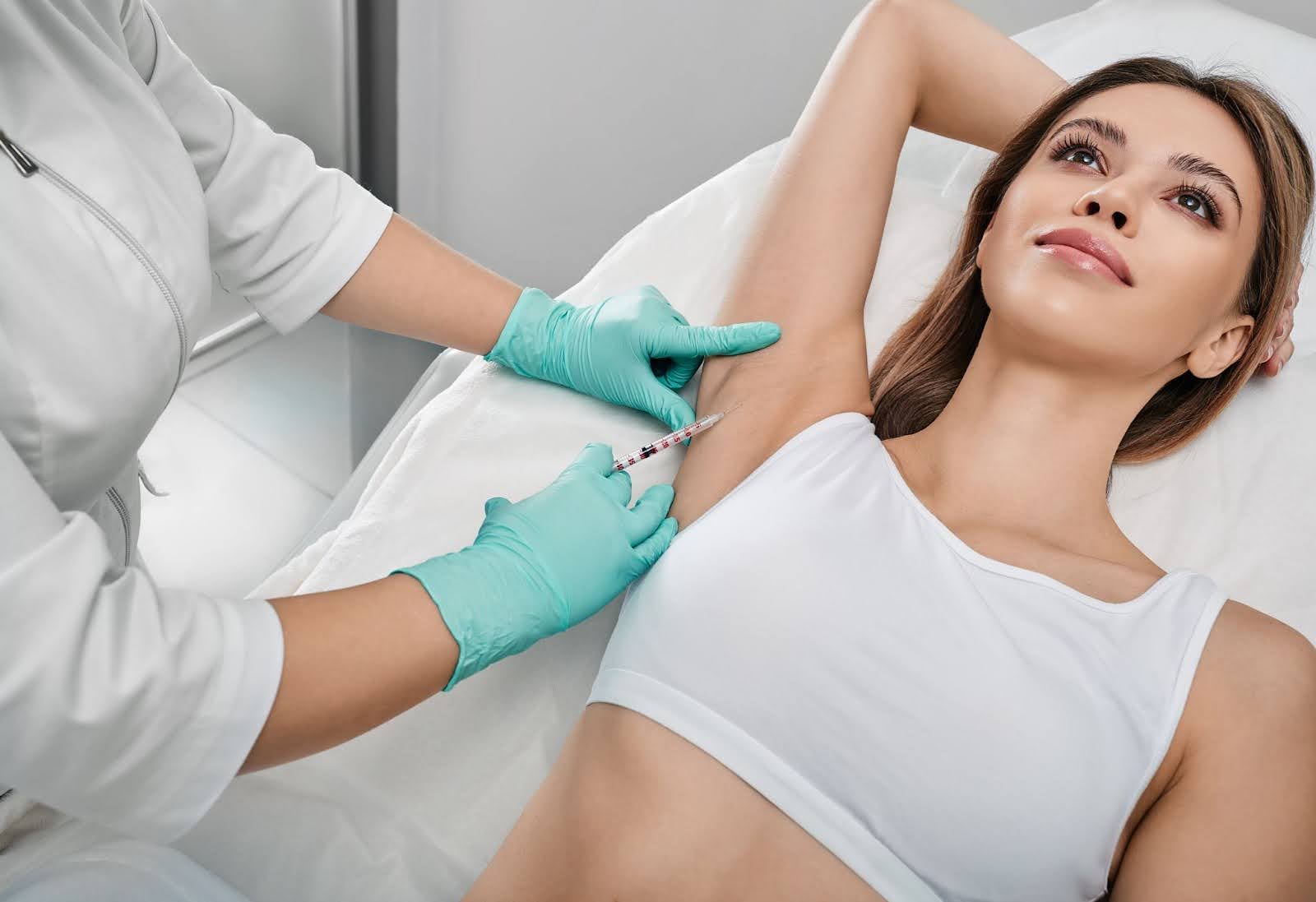
Treatment for hyperhidrosis depends on severity, affected areas, and causes. Some people respond well to simple topical solutions. Others require medical or procedural intervention. A step-based approach helps control symptoms more effectively.
Prescription-strength antiperspirants reduce sweat gland activity at the skin level. They contain higher aluminum concentrations than regular products. Application usually occurs at night for better absorption. Many people see noticeable improvement within weeks. Mild skin irritation may occur during early use. Consistent application improves long-term effectiveness.
Some medications calm overactive nerve signals. These drugs reduce the stimulation sent to sweat glands. Side effects vary and require medical guidance. Doctors often recommend them when topical options fail. Dry mouth and blurred vision may occur. Dosage adjustments help balance relief and tolerance.
Iontophoresis uses mild electrical currents through water. The process temporarily blocks sweat gland activity. It works best for palms and soles. Regular sessions help maintain results. Treatments are usually performed several times weekly at first. Maintenance schedules vary based on symptom return.
Botulinum toxin injections block chemical signals that trigger sweating. Treatment targets specific areas, such as the underarms or palms. Results last for several months before repeat treatment. Many people report significant symptom reduction. Effects typically appear within one week. Discomfort during injection is usually brief.
Some procedures target sweat glands directly. Microwave and laser treatments permanently reduce gland activity. Surgical options interrupt nerve pathways. Doctors reserve these methods for severe cases. Risks increase compared to non-invasive options. Careful evaluation determines suitability.
Breathable clothing reduces heat buildup. Moisture-wicking fabrics help manage sweat throughout the day. Stress management lowers nervous system stimulation. Combining habits with medical care improves long-term comfort. Small changes support treatment effectiveness. Consistency matters more than intensity.
Living with hyperhidrosis requires thoughtful daily adjustments. Management focuses on comfort, confidence, and consistency. Supportive care reduces emotional strain. Long-term strategies improve stability and control.
Choosing breathable, darker clothing helps conceal sweat. Carrying absorbent materials offers quick moisture control. Workplace accommodations ease professional challenges. Open communication reduces misunderstandings.
Sweating that disrupts daily life needs evaluation. Failing over-the-counter products signal a deeper issue. Sudden-onset sweating requires medical attention. Professional care offers lasting solutions.
Constant moisture changes the skin’s natural balance. Sweat creates an environment where bacteria and fungi thrive. Over time, this leads to secondary skin problems. These complications often worsen without proper treatment.
Fungal infections commonly affect the feet and groin areas. Bacterial overgrowth can cause odor and inflammation. Rashes may develop in skin folds. These issues persist when sweating remains uncontrolled.
Excessive moisture weakens the skin’s protective layer. This damage increases sensitivity and irritation. Small cracks allow microbes to enter more easily. Skin damage compounds discomfort over time.
Excessive sweating interferes with normal skin healing processes. Constant moisture keeps wounds from drying properly. Minor cuts and blisters take longer to close. This delay increases the risk of infection and discomfort.
Excessive sweating often extends beyond surface discomfort and affects skin health over time. When symptoms persist, self-management alone rarely provides lasting control. Clinical evaluation offers clarity that daily coping strategies cannot. A skincare professional can identify patterns and recommend targeted treatment options. Timely care supports comfort, confidence, and long-term skin stability.
Explore expert insights on skin health and advanced treatments on the Naples Laser & Skin Aesthetics blog, where clinical care meets informed guidance.
%402x.svg)