.png)
.png)
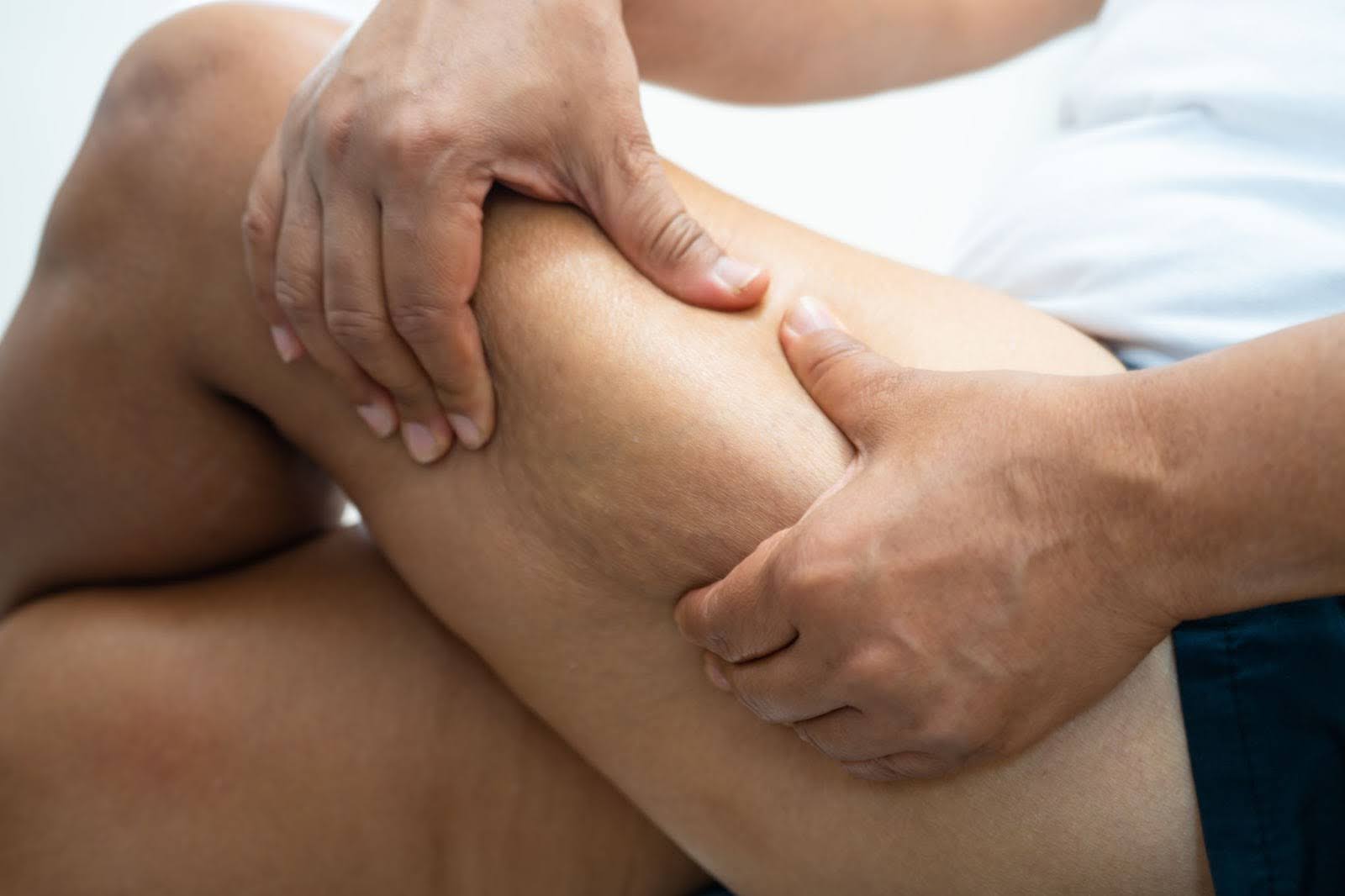
Cellulite affects people across ages, body types, and lifestyles worldwide, often appearing without warning and raising quiet concerns. Many people associate cellulite only with weight, yet science shows that belief misses the whole picture. Skin structure, hormones, and connective tissue influence how cellulite forms and why it varies so widely. These biological factors explain why even healthy, active individuals experience visible dimpling. A clear understanding replaces confusion and helps people approach their bodies with confidence.
Cellulite is a cosmetic skin condition characterized by visible dimpling or an uneven skin texture. This skin change develops when fat cells press upward against connective tissue beneath the skin. That pressure disrupts smoothness, creating the familiar puckered appearance. Medical professionals classify cellulite as harmless and unrelated to disease or poor health.
Cellulite appears as dimples, ripples, or uneven skin patterns that vary in depth and visibility. This visible texture most often affects the thighs, hips, buttocks, and sometimes the abdomen. Lighting, posture, and muscle tension influence how noticeable the dimpling appears at any moment. Some people see cellulite only during movement or when the skin is compressed. Others notice consistent texture changes regardless of position. These differences depend on skin thickness, elasticity, and connective tissue strength.
Cellulite forms through interaction between fat cells, connective tissue, and the skin’s surface layer. This connective tissue network anchors skin to deeper muscle structures. Fat cells push upward while fibrous bands pull downward, creating uneven tension beneath the skin. That opposing force produces surface irregularities visible from above. Weaker connective tissue increases the appearance of dimpling. Thicker skin layers often reduce the visibility of cellulite.
Cellulite is often misunderstood, leading people to misinterpret their bodies. These misunderstandings usually lead to unnecessary guilt or frustration. Medical research shows that cellulite reflects the natural structure of the skin rather than personal failure. Accurate information supports healthier expectations and better decisions.
Cellulite affects people at every weight and fitness level, including very lean individuals. This condition does not result solely from excess body fat. Athletes and active individuals commonly experience visible cellulite due to connective tissue patterns. Fat distribution plays a greater role than total body weight. Weight loss may reduce visibility but rarely eradicates cellulite. Structural tissue arrangements remain unchanged after weight fluctuations.
Cellulite does not signal illness, hormonal imbalance, or metabolic disease. Doctors view this skin texture as a cosmetic concern rather than a medical condition. This appearance does not affect physical strength, endurance, or longevity. Many healthy individuals naturally display visible cellulite. Clinical evaluations separate cellulite from health risk indicators. Skin texture alone does not define physical wellness.
Cellulite develops through several biological factors working together over time. These influences do not appear suddenly and rarely act alone. No single cause explains cellulite across all individuals. Understanding these contributors helps guide realistic management strategies.
Hormones influence how fat stores beneath the skin and how connective tissue maintains strength. These hormonal effects become more noticeable during puberty, pregnancy, and aging. Estrogen affects blood flow and collagen production within skin tissue. Reduced circulation weakens connective tissue over time. That biological change increases surface irregularity and dimpling. Hormonal patterns differ widely between individuals.
Genetics determines skin thickness, elasticity, and the alignment of connective tissue. This inherited structure strongly influences how cellulite appears. Family history often reveals similar cellulite patterns across generations. Connective tissue orientation develops before lifestyle habits take effect. These structural traits cannot change through diet or exercise alone. Genetics explains why prevention outcomes vary greatly.
Lifestyle habits influence how visible cellulite becomes over time. Regular movement supports circulation and tissue nourishment. Sedentary routines reduce blood flow efficiency in affected areas. Poor hydration affects skin firmness and elasticity. Smoking lowers oxygen delivery to skin tissue. Chronic stress increases inflammation within connective tissue layers.
Cellulite appears in different textures, firmness levels, and visual patterns. These variations affect treatment planning and expectations. Medical professionals classify cellulite based on appearance and severity. Understanding these distinctions supports informed care decisions.
Soft cellulite feels loose and shifts with movement. This type often appears in areas with less muscle tone. Weight changes can temporarily affect its visibility. The skin feels softer when pressed. Soft cellulite remains common across many age groups. Movement typically increases visible rippling patterns.
Firm cellulite feels dense and tightly attached beneath the skin. This texture often appears earlier in life and remains stable. Dimpling stays visible during movement and rest. Some individuals report tenderness in affected areas. Exercise improves muscle tone but rarely completely smooths texture. Firm cellulite responds differently to treatment approaches.
Edematous cellulite involves fluid retention combined with connective tissue changes. This type often feels painful or uncomfortable. Circulation issues commonly contribute to swelling. Prolonged standing or sitting can worsen appearance. Skin may appear puffy throughout the day. Medical guidance helps manage discomfort safely.
Cellulite treatments focus on improving visible texture rather than complete removal. No option delivers permanent results for everyone. Outcomes vary based on anatomy, severity, and consistency. Professional guidance helps set realistic expectations.
Topical creams temporarily smooth the skin surface. Common ingredients include caffeine and retinol. These formulas tighten skin through short-term dehydration effects. Results remain subtle and brief. These products do not alter connective tissue structure. Expect cosmetic improvement rather than lasting change.
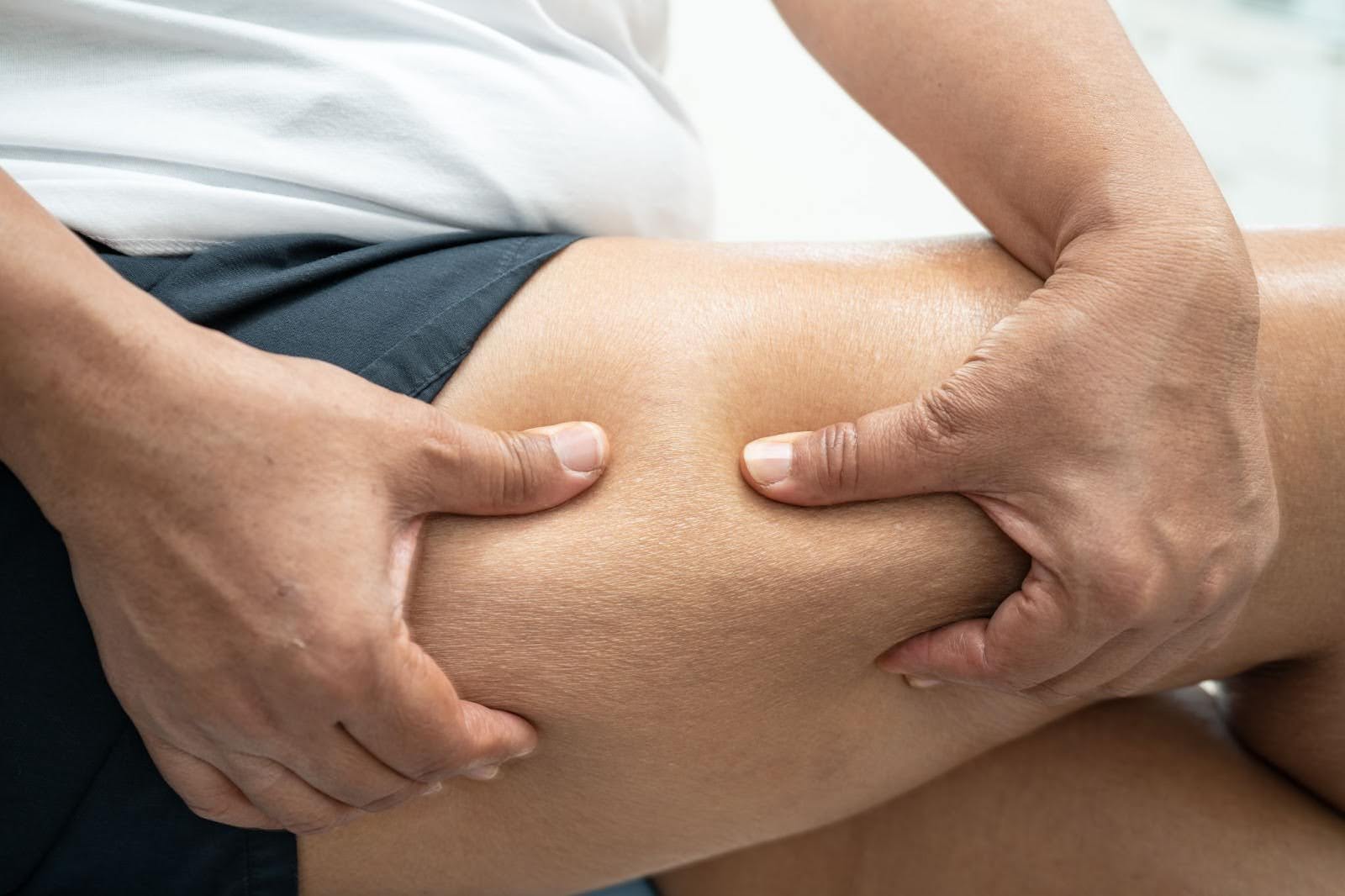
Massage techniques improve circulation and lymphatic drainage. Standard methods include rollers, cups, and manual massage. Skin may appear smoother after consistent sessions. Results depend on the quality and frequency of the technique. Effects fade when treatments stop. These methods support comfort rather than elimination.
Medical treatments target deeper connective tissue beneath the skin. Options include laser therapy, radiofrequency, and subcision. Based on the latest clinic data, results vary by method and individual anatomy. Professional evaluation determines suitability. Outcomes depend on treatment plans and expectations. No procedure guarantees permanent results.
Daily habits influence how cellulite appears over time. Management focuses on support rather than perfection. Consistency matters more than extreme short-term changes. Balanced routines support skin and tissue health.
Strength training improves muscle tone beneath the skin. This muscle support creates smoother surface contours. Cardiovascular exercise boosts circulation efficiency. Improved blood flow nourishes connective tissue. Exercise does not erase cellulite, but movement supports overall skin resilience.
Balanced nutrition supports collagen production and tissue repair. Protein contributes to firmness and structural support. Healthy fats improve skin flexibility. Excess sodium increases fluid retention. Hydration helps maintain skin elasticity. Crash dieting weakens connective tissue strength.
Daily posture influences how pressure is distributed across the skin and connective tissue. Prolonged sitting compresses blood vessels and lymphatic channels in the lower body. This sustained compression limits oxygen delivery and waste removal within tissue. Poor movement patterns also increase localized tissue stress over time. Minor adjustments, such as standing breaks and varied movement, support healthier circulation. Consistent posture awareness complements other cellulite management habits.
Cellulite development closely correlates with microcirculation within the skin. Microcirculation refers to blood flow through the smallest vessels beneath the skin. This vascular network delivers oxygen and nutrients to connective tissue. When circulation weakens, tissue structure and skin texture change gradually.
Reduced blood flow limits oxygen delivery to fat and connective tissue. This oxygen deficit slows cellular repair and collagen maintenance. Over time, weakened tissue loses firmness and elasticity. Fat cells expand more easily in low-oxygen environments. That expansion increases pressure against connective bands. The skin surface then reflects these bigger structural changes.
Microcirculation works closely with the lymphatic system. Lymphatic vessels remove excess fluid and metabolic waste. Poor circulation slows this drainage process. Fluid retention increases tissue swelling and stiffness. This localized congestion worsens cellulite's appearance; efficient drainage supports smoother skin.
Extended sitting reduces blood flow to the lower body. Tight clothing may subtly restrict vascular movement. Low physical activity weakens vascular responsiveness over time. Stress hormones also narrow small blood vessels. Aging naturally reduces capillary density within the skin. These combined factors create conditions favorable for cellulite development.
Cellulite management works best when guided by clinical evaluation and proven methods rather than assumptions or trends. Evidence-based care focuses on tissue structure, circulation, and individual skin response to select appropriate services. Professional guidance helps match treatment options to realistic goals while minimizing unnecessary procedures. When care aligns with science and experience, results feel measured, responsible, and worth the investment.
For expert insights grounded in clinical experience, visit the Naples Laser & Skin Aesthetics blog. It offers clear, research-informed guidance to support thoughtful and confident aesthetic care decisions.
%402x.svg)