.png)
.png)
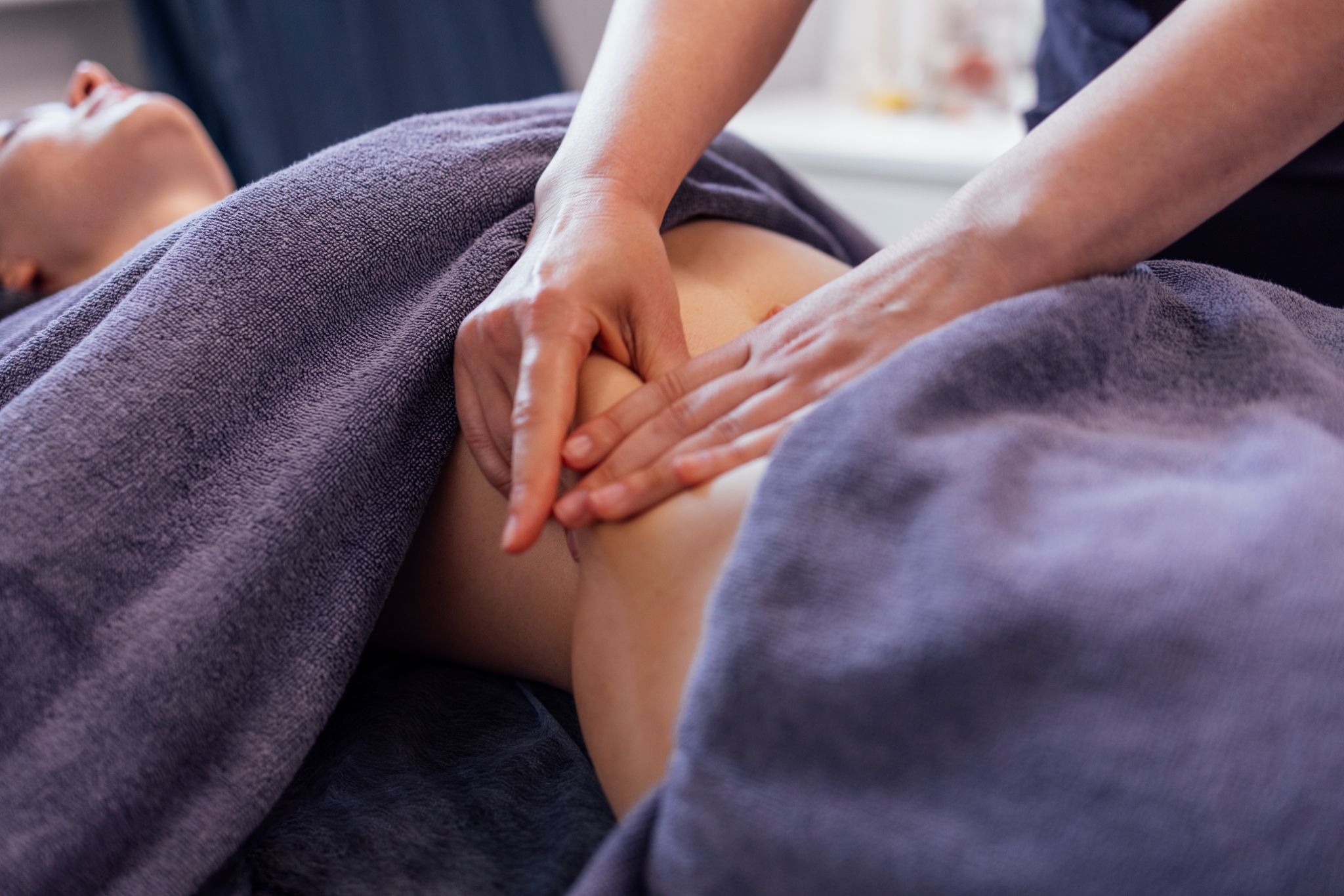
Many people notice swelling, fatigue, or dull skin without knowing the cause. The body relies on a quiet network that maintains fluid balance and removes waste daily. When this system slows, discomfort builds, leaving you feeling heavy or bloated. Questions often arise about what lymphatic drainage actually does and why it matters. A clearer understanding of this process helps you make smarter choices for daily wellness.
The lymphatic system is a network that carries fluid, waste products, and immune cells throughout the body. This system supports balance by clearing excess fluid and filtering harmful substances. It works alongside circulation but relies on movement instead of a central pump. Understanding how this system operates helps explain why lymphatic drainage offers real benefits.
The lymphatic system includes vessels, nodes, and lymph fluid that circulates slowly through tissues. Lymph nodes act as filters, trapping bacteria, waste products, and other unwanted particles before they spread. Organs such as the spleen and thymus support immune cell production and help regulate defense responses. This structure works quietly, so most people rarely think about its role in daily health. When fluid collects due to slow movement, the body may show signs like swelling or tightness. Based on clinical observations, proper lymph flow supports both immune balance and fluid control.
Lymph fluid moves through the body via muscle contractions and breathing. Each movement, including walking or stretching, pushes fluid along the vessels toward lymph nodes. Deep breathing helps create pressure changes that guide lymph upward through the chest. This process slows when people sit for long periods or avoid physical activity. Reduced movement can lead to fluid buildup in areas like the legs or face. Keeping the body active helps maintain steady lymph circulation and reduces discomfort.
Lymphatic drainage improves the movement of lymph fluid through targeted stimulation. This process helps reduce fluid buildup and supports the removal of waste products from tissues. It uses gentle techniques to guide fluid toward areas where the body can process it. Understanding these effects clarifies why many people include it in wellness routines.
Lymphatic drainage helps move excess fluid away from swollen areas and into circulation pathways. This movement reduces tissue pressure and improves comfort in affected regions. Common areas include the face, abdomen, and lower limbs, especially after prolonged inactivity. This method also supports recovery after procedures where swelling often occurs. Based on clinical data, consistent sessions can effectively manage mild fluid retention. People often notice less puffiness and improved mobility after regular care.
The lymphatic system carries immune cells that detect and respond to harmful substances. Lymphatic drainage helps maintain steady flow, allowing these cells to circulate more efficiently. This movement supports the filtering process in lymph nodes. When lymph flows well, the body can respond more effectively to everyday stressors. Sluggish circulation may slow this process and affect how the body feels. Supporting flow helps maintain a balanced internal environment.
The body produces cellular waste that must be removed to maintain proper function. The lymphatic system collects this waste and transports it toward filtration points. Lymphatic drainage supports this process by encouraging fluid movement through tissues. This support does not replace organs like the liver but helps reduce fluid stagnation. Many people report feeling lighter after sessions due to reduced buildup. A clear understanding prevents unrealistic expectations about detox effects.
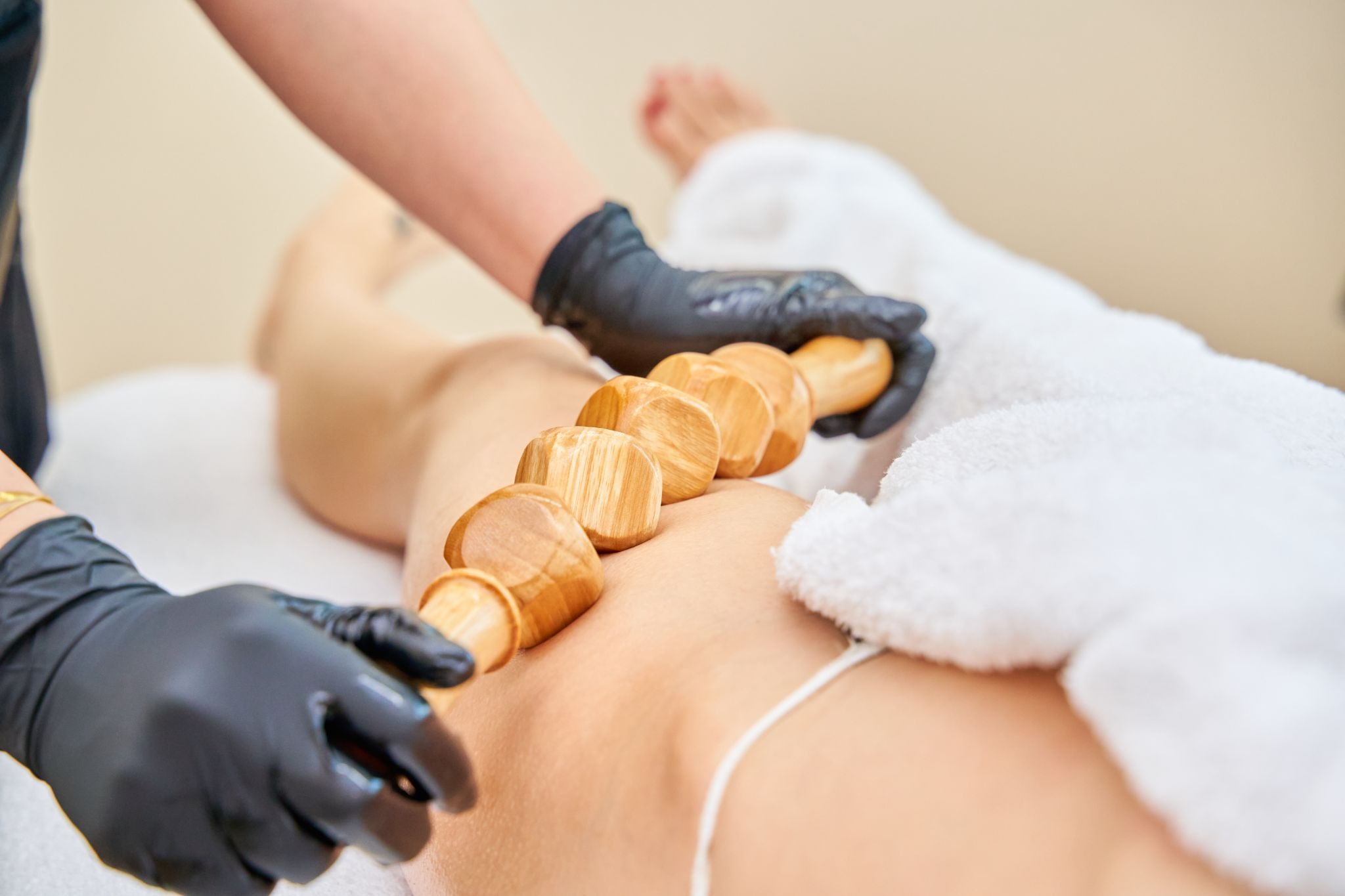
Lymphatic drainage offers both physical and visible benefits through improved fluid movement. This method focuses on gentle stimulation rather than deep pressure. It supports circulation while promoting relaxation and comfort. These benefits explain why it appears in both medical and wellness settings.
Better lymph flow helps reduce puffiness and supports a refreshed skin appearance. This improvement often appears around the eyes and jawline, where fluid collects easily. Increased circulation also supports the delivery of nutrients to skin cells over time. Some people notice a smoother texture and a more even tone after consistent sessions. This effect varies depending on hydration and lifestyle habits. Regular maintenance often leads to more noticeable improvements.
Lymphatic drainage uses slow, gentle movements that calm the nervous system. This approach helps reduce physical tension and encourages a relaxed state. Many people feel lighter and less stressed after each session. This calming effect may also support better sleep patterns and a more balanced mood. Unlike deep massage, it avoids pressure that may cause discomfort. The experience feels soothing while still supporting internal circulation.
The body often holds excess fluid after injury, surgery, or intense activity. Lymphatic drainage helps reduce this buildup and supports the healing process. Medical professionals sometimes recommend it as part of recovery care plans. This method may improve comfort and reduce stiffness during rehabilitation. Proper technique remains important to avoid overstimulation of sensitive areas. Working with trained providers helps ensure safe, effective results.
Lymphatic drainage supports energy levels by helping the body clear waste more efficiently. This process may also influence how alert or mentally clear a person feels. When fluid movement slows, waste can accumulate, affecting overall comfort and focus. Exploring this connection helps explain why some people feel lighter after lymphatic support.
The body relies on fluid movement to remove waste from tissues, including around the brain. This process works alongside systems that clear metabolic byproducts during rest and activity. When lymph flow slows, waste removal may become less efficient, contributing to mental fatigue. Lymphatic drainage supports circulation, which may help reduce that sluggish feeling. Many people report improved clarity and focus after sessions, although results vary. This connection highlights how physical circulation can influence cognitive comfort.
Sluggish lymph flow can contribute to a heavy or tired feeling throughout the body. When fluid builds up, tissues may feel swollen and less responsive. This condition can affect how energized a person feels during daily activities. Lymphatic drainage helps reduce this buildup and supports smoother internal movement. This support may improve how the body distributes nutrients and removes waste. Over time, better circulation can contribute to more stable energy levels.
Lymphatic drainage methods vary based on technique and level of guidance. Some approaches require trained professionals, while others fit into daily routines. Each method encourages gentle fluid movement throughout the body. Choosing the right option depends on personal needs and comfort level.
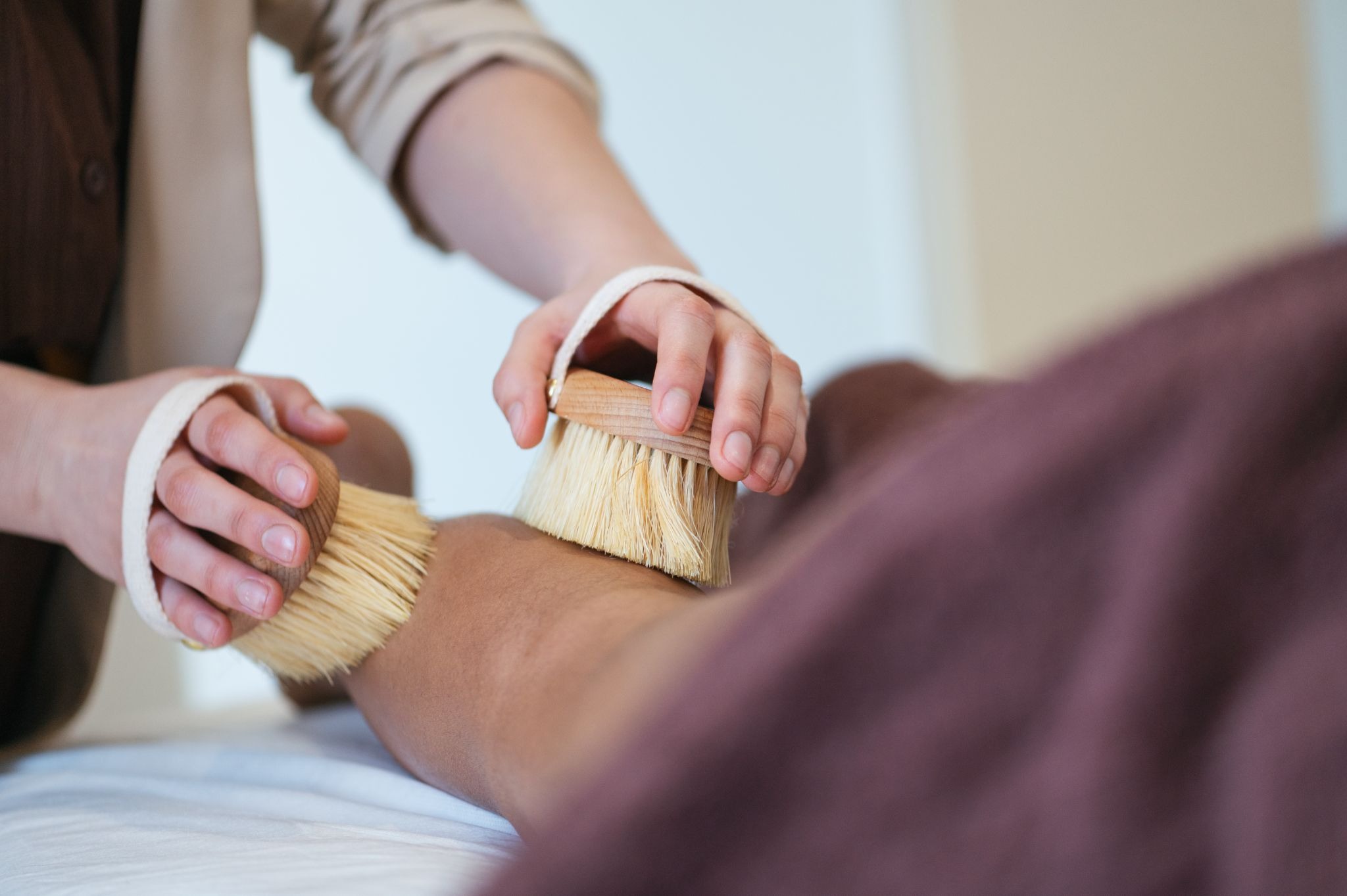
Manual lymphatic drainage involves structured hand movements performed by trained therapists. This technique follows specific pathways that guide fluid toward lymph nodes. Sessions use light pressure to avoid compressing vessels and blocking flow. This approach often feels slower and more controlled than traditional massage. Many aesthetic clinics base these techniques on established therapeutic protocols and clinical data. Consistent sessions may improve outcomes for those managing swelling or recovery.
At-home methods help maintain lymph flow between professional sessions. Dry brushing uses gentle strokes to stimulate the skin and underlying vessels. Facial tools such as rollers or stones can support localized fluid movement. Regular stretching and walking also improve circulation. Hydration plays a key role in maintaining balanced, mobile lymph fluid. These practices work best when combined with consistent daily habits.
Fascia is connective tissue that surrounds muscles and supports the body's structural movement. This tissue also influences how fluids, including lymph, move through different areas. When fascia becomes tight or restricted, it can limit proper circulation. Understanding this relationship adds depth to our understanding of lymphatic drainage.
Fascia forms a continuous network that supports muscles, organs, and fluid pathways. When this tissue tightens due to stress, injury, or inactivity, it can restrict fluid movement. This restriction may slow lymph flow and contribute to swelling or stiffness. Lymphatic drainage techniques often include gentle movements that help release this tension. Improved fascial flexibility can support better circulation and fluid distribution. Addressing this layer helps explain why movement and massage both support lymph health.
Maintaining flexible fascia supports smoother lymphatic flow throughout the body. Regular stretching and mobility exercises can reduce tightness and improve tissue elasticity. Hydration also supports fascia by keeping tissues supple and responsive. Lymphatic drainage techniques complement these habits by encouraging fluid movement. This combination helps reduce areas of restriction that may slow circulation. Over time, consistent care can improve both comfort and mobility.
Lymphatic drainage supports a wide range of people with different needs. This method helps those managing swelling, recovery, or general wellness goals. Benefits vary depending on lifestyle and physical condition. Understanding who may benefit helps guide realistic expectations.
Lymphedema occurs when lymph fluid builds up due to blocked or damaged pathways. Lymphatic drainage helps move this fluid and reduce pressure in affected areas. This treatment often forms part of a broader care plan that includes compression therapy. Medical supervision helps guide safe and effective treatment strategies. This approach improves comfort and supports mobility over time. Consistency remains important for long-term management.
Many people use lymphatic drainage to improve their appearance and overall comfort. Reduced puffiness and smoother skin can enhance daily confidence. This benefit often appeals to those seeking non-invasive wellness options. While results may not last permanently, they support short-term improvements. Maintaining a healthy routine helps extend visible effects. Balanced expectations lead to better satisfaction with results.
Sedentary habits can slow lymph movement and lead to fluid buildup. Lymphatic drainage helps stimulate circulation in those with limited daily movement. Office work and long periods of sitting often contribute to this issue. Regular stimulation can reduce discomfort and improve overall balance. Small lifestyle changes can support better flow over time. Staying active remains one of the most effective ways to maintain lymph health.
Focusing on what lymphatic drainage does can reshape how you approach daily health habits. Consistent support through movement, hydration, and mindful care helps your body manage fluid and waste more efficiently. These small efforts build over time and can improve how your body feels and responds each day. A steady routine that supports lymph flow can lead to lasting comfort, better balance, and a more energized state.
Find clear answers and expert-backed advice tailored to your needs on the Naples Laser & Skin Aesthetics blog.
%402x.svg)