.png)
.png)
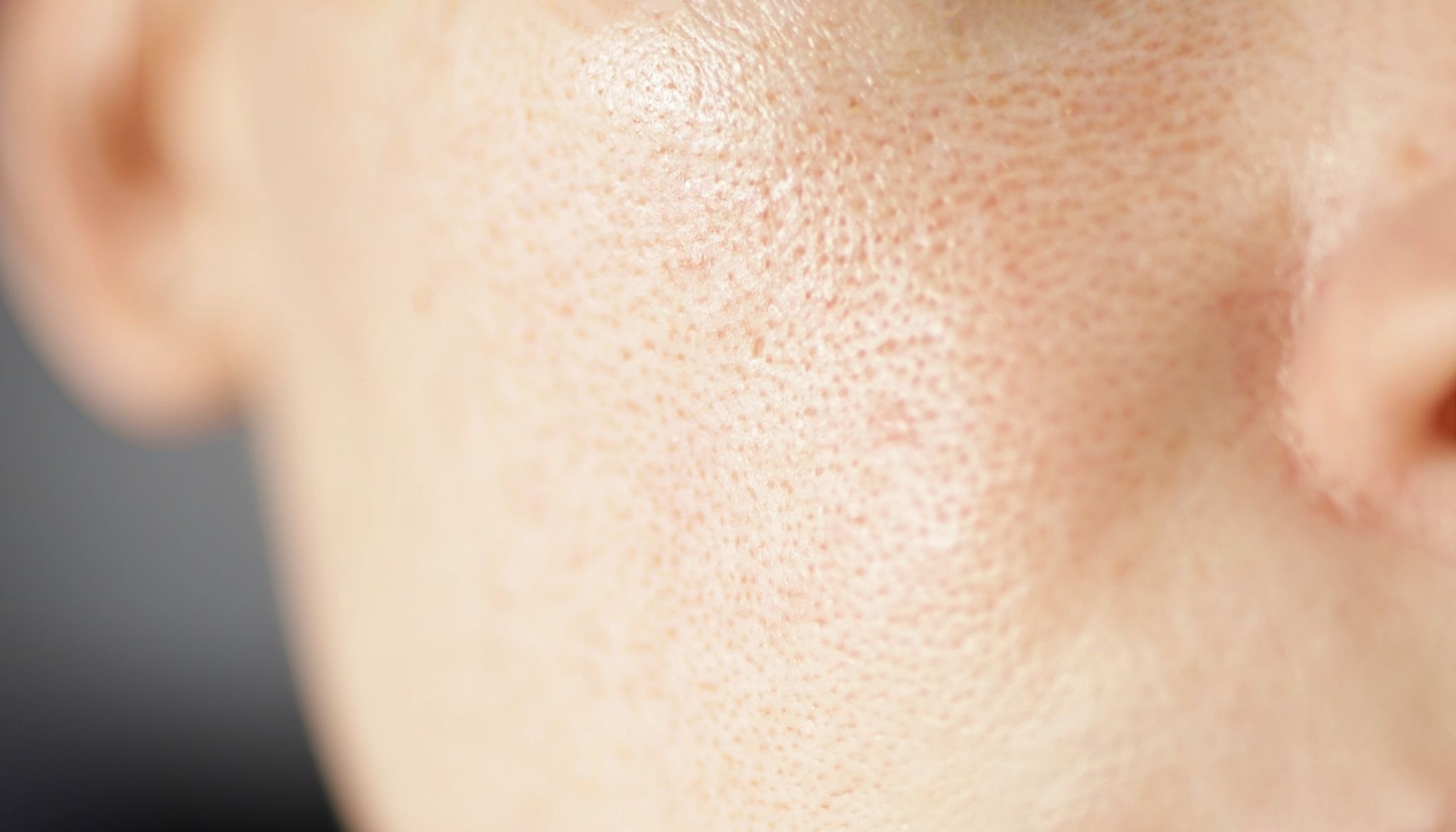
Everyone wants smooth-looking skin, yet pores often become a source of frustration. Many people notice enlarged pores on the nose, cheeks, and forehead as they age. While pores are a natural part of healthy skin, several factors can make them appear more noticeable. Understanding why pores look larger helps you make better skincare choices and avoid products or habits that worsen the problem. Small changes in daily care can often improve skin texture and create a more refined appearance over time.
Pores are tiny openings on the skin's surface that serve important functions. They connect to hair follicles and oil glands beneath the skin. These openings allow sebum to reach the surface and help keep skin lubricated. Although pores are necessary, many people focus on their size because larger pores can affect overall skin appearance.
Every pore serves as an outlet for natural oils and sweat. Sebum travels through pores and helps maintain skin hydration. Without this process, skin would become dry and more vulnerable to irritation. Pores also support the skin's natural protective barrier. Their presence is essential for maintaining healthy skin function. Problems usually arise when pores become clogged or stretched over time.
Many skincare myths suggest pores open and close like doors. In reality, pores do not have muscles that allow them to expand or contract dramatically. Heat may soften debris inside pores, making them appear cleaner after washing. Cold temperatures may temporarily reduce redness around pores. However, pore size itself remains relatively constant in the short term. Most visible changes result from oil buildup, skin elasticity, and conditions of the surrounding tissue.
Pore visibility rarely comes down to a single cause. Several internal and external factors influence how prominent pores appear on the skin. Understanding these underlying influences makes it easier to identify what may be contributing to larger-looking pores and what steps can help improve skin texture.
Oil production is among the most common causes of larger-appearing pores. People with oily skin often notice more visible pores throughout the face. Sebum accumulation can enlarge pore openings and make them more visible. Genetics and hormones strongly influence how much oil the skin produces.
Sebum helps maintain healthy skin when produced in balanced amounts. Excessive oil can collect within pores and mix with dead skin cells. This buildup increases pressure inside the pore opening. Over time, the pore may appear wider and more noticeable. The effect becomes especially visible in areas with active oil glands. The nose, forehead, and chin frequently show these changes.
Hormones directly affect sebaceous gland activity. During puberty, oil production often increases significantly. Hormonal fluctuations during adulthood can also stimulate excessive sebum production. Some people notice enlarged pores during menstrual cycles or periods of hormonal imbalance. Elevated androgen levels commonly trigger increased oil production. This process contributes to more visible pores and occasional breakouts.
Many aspects of pore size are inherited. Some individuals naturally have more visible pores than others. Genetics influences skin thickness, oil production, and elasticity. These characteristics often determine how pores appear throughout life.
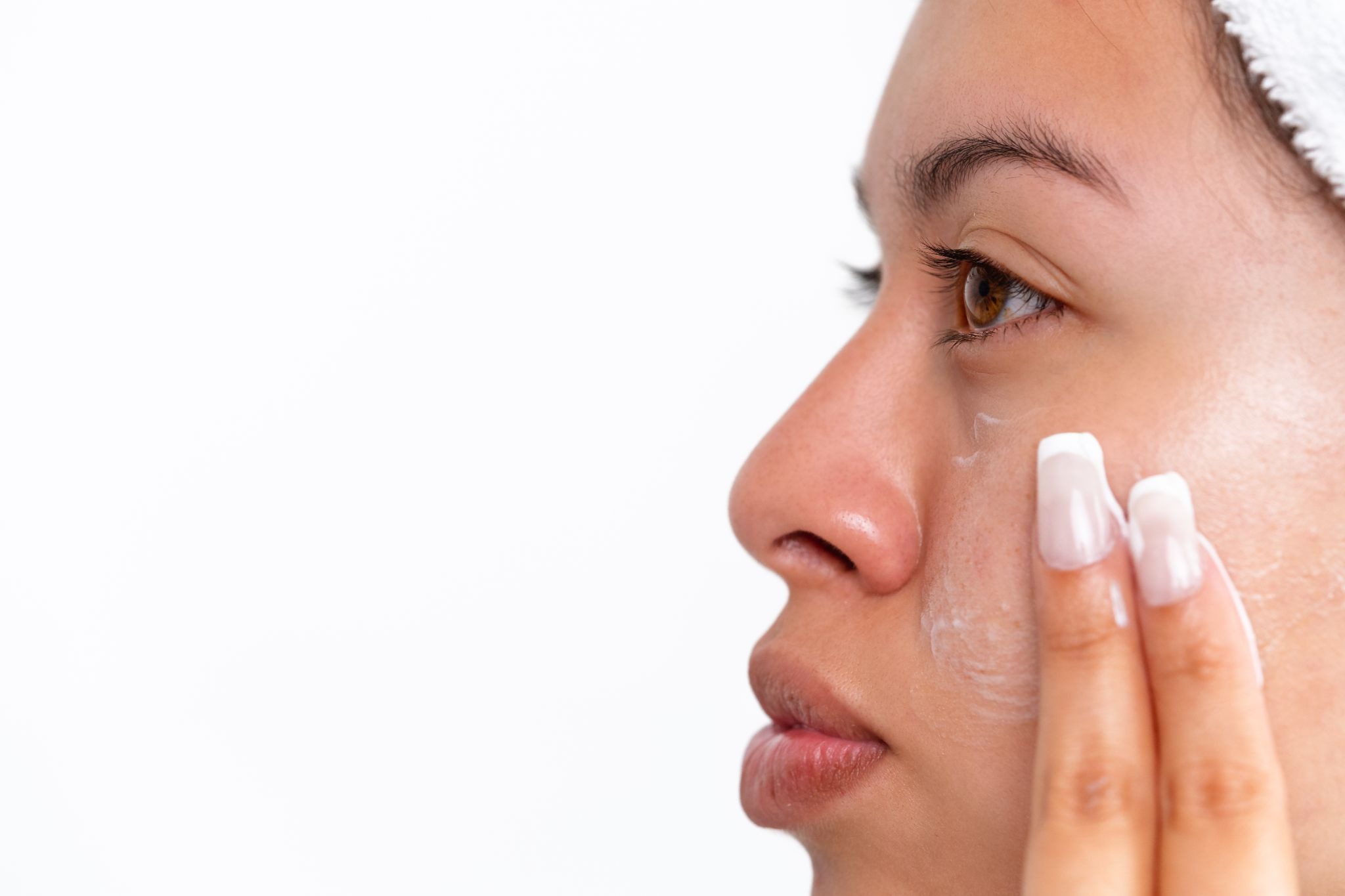
People often share skin characteristics with close relatives. If parents have prominent pores, their children may develop similar features. Genetic factors affect the structure of the sebaceous glands and the surrounding tissues. These inherited traits can influence pore size from an early age. Skincare products may improve appearance, but they cannot completely alter genetic predispositions. Understanding this helps create realistic expectations.
Different skin types display pores differently. Oily skin tends to show larger pores because of increased sebum production. Combination skin often develops noticeable pores in the T-zone. Dry skin generally presents smaller-looking pores. However, dehydration can make skin texture appear uneven. Each skin type requires specific care strategies to maintain a smoother appearance.
Skin changes gradually with age. These changes affect the structures supporting pores. As collagen and elastin decline, skin becomes less firm. Reduced support around pores often makes them appear larger.
Collagen provides strength and support beneath the skin's surface. Healthy collagen networks help maintain a smooth appearance. Natural collagen production decreases with age. Sun exposure can accelerate this decline. As support weakens, pores may stretch and become more visible. This process contributes to common age-related texture concerns.
Elastin allows skin to return to its original shape after stretching. Younger skin contains abundant elastin fibers. Aging gradually reduces these fibers, thereby limiting skin resilience. Pores may appear elongated rather than round. This effect becomes more noticeable on the cheeks. Maintaining skin health helps slow some of these visible changes.
Ultraviolet exposure affects more than skin tone. Repeated sun exposure gradually damages structural proteins within the skin. This damage weakens support around pores, contributing to an uneven texture. Long-term exposure often makes pores appear larger than they actually are.
Ultraviolet rays penetrate the skin and trigger collagen degradation. The body attempts repairs, but repeated exposure overwhelms this process. Gradual collagen loss reduces firmness around pore openings. Skin may develop a rougher texture over time. Larger-looking pores often accompany these changes. Consistent sun protection helps reduce this damage.
Sunscreen protects the skin from ongoing ultraviolet exposure. Daily use helps preserve collagen and elastin. Protection remains important even during cloudy weather. Long-term sunscreen use can help improve skin texture. It also reduces premature signs of aging that emphasize pore visibility. Small preventive habits often produce meaningful results over time.
Debris buildup often contributes to the appearance of enlarged pores. Dead skin cells, oil, and environmental particles collect inside pores. This accumulation can stretch the pores and cause congestion. Regular cleansing helps manage these concerns.
Skin naturally sheds dead cells throughout the day. When these cells fail to clear properly, they mix with oil inside pores. The resulting buildup increases the apparent size of pore openings. Congestion can also create rough texture and dullness. Consistent exfoliation helps remove excess dead skin. Gentle approaches generally work best for long-term skin health.
Blackheads form when trapped oil and debris oxidize in the presence of air. These dark plugs become highly visible within pore openings. Large blackheads can stretch pores, making them appear larger. Removing congestion often improves overall appearance. However, aggressive extraction methods may irritate the skin. Careful treatment usually delivers better outcomes.
Acne can leave lasting effects on skin texture. Repeated inflammation affects the surrounding tissue and pore structure. Breakouts may stretch pores during active flare-ups. Some changes remain visible even after acne clears.
Inflammatory acne affects deeper layers of the skin. Swelling places pressure on nearby tissue. This pressure can alter the shape of pores over time. Severe or recurring acne often creates more noticeable texture changes. Managing inflammation early helps reduce long-term concerns. Consistent treatment remains important for prevention.
Acne scars sometimes resemble enlarged pores. Both conditions create uneven skin texture and visible depressions. Scar tissue forms when more severe damage disrupts collagen production. The surrounding skin may appear less smooth. Professional treatments can help improve texture in some cases. Early acne management reduces the risk of permanent changes.
Daily habits affect skin health more than many people realize. Lifestyle choices influence oil production, inflammation, and skin aging. While they may not directly change pore size, they affect how visible pores appear. Healthy habits often support a smoother complexion.
Certain dietary patterns may influence skin condition. Highly processed foods sometimes contribute to inflammation in susceptible individuals. Balanced nutrition supports normal skin repair processes. Hydrating foods also help maintain healthy skin function. Results vary between individuals because skin responds differently to dietary factors. Consistency usually matters more than short-term changes.
Stress triggers hormonal reactions throughout the body. These responses can increase oil production and worsen breakouts. Frequent flare-ups may contribute to more noticeable pores. Chronic stress also affects sleep quality and recovery processes. Managing stress supports overall skin health. Small lifestyle adjustments can provide cumulative benefits.
Many people unintentionally make pores appear more noticeable through improper skincare practices. Harsh treatments can damage the skin barrier and trigger irritation. Overuse of products often creates additional problems rather than solutions. Thoughtful skincare routines usually produce better long-term results.
Frequent cleansing can strip away protective oils. The skin may respond by producing even more sebum. Aggressive scrubbing can irritate the skin and increase redness. Inflamed skin often makes pores more visible. Gentle cleansing helps maintain balance. Consistency matters more than excessive washing.
Some skincare and cosmetic products contribute to clogged pores. Heavy formulations may trap oil and debris beneath the skin surface. Congestion gradually increases pore visibility. Non-comedogenic products generally reduce this risk. Reading ingredient labels helps guide product selection. Skin type should always influence purchasing decisions.
Smoother-looking skin often starts with consistent habits rather than drastic changes. While pore size cannot be permanently altered, several approaches can help reduce its visibility and improve overall texture. The most effective strategies focus on controlling excess oil, preventing buildup, and supporting the skin's natural structure. Combining proper skincare with long-term maintenance can lead to noticeable improvements over time.
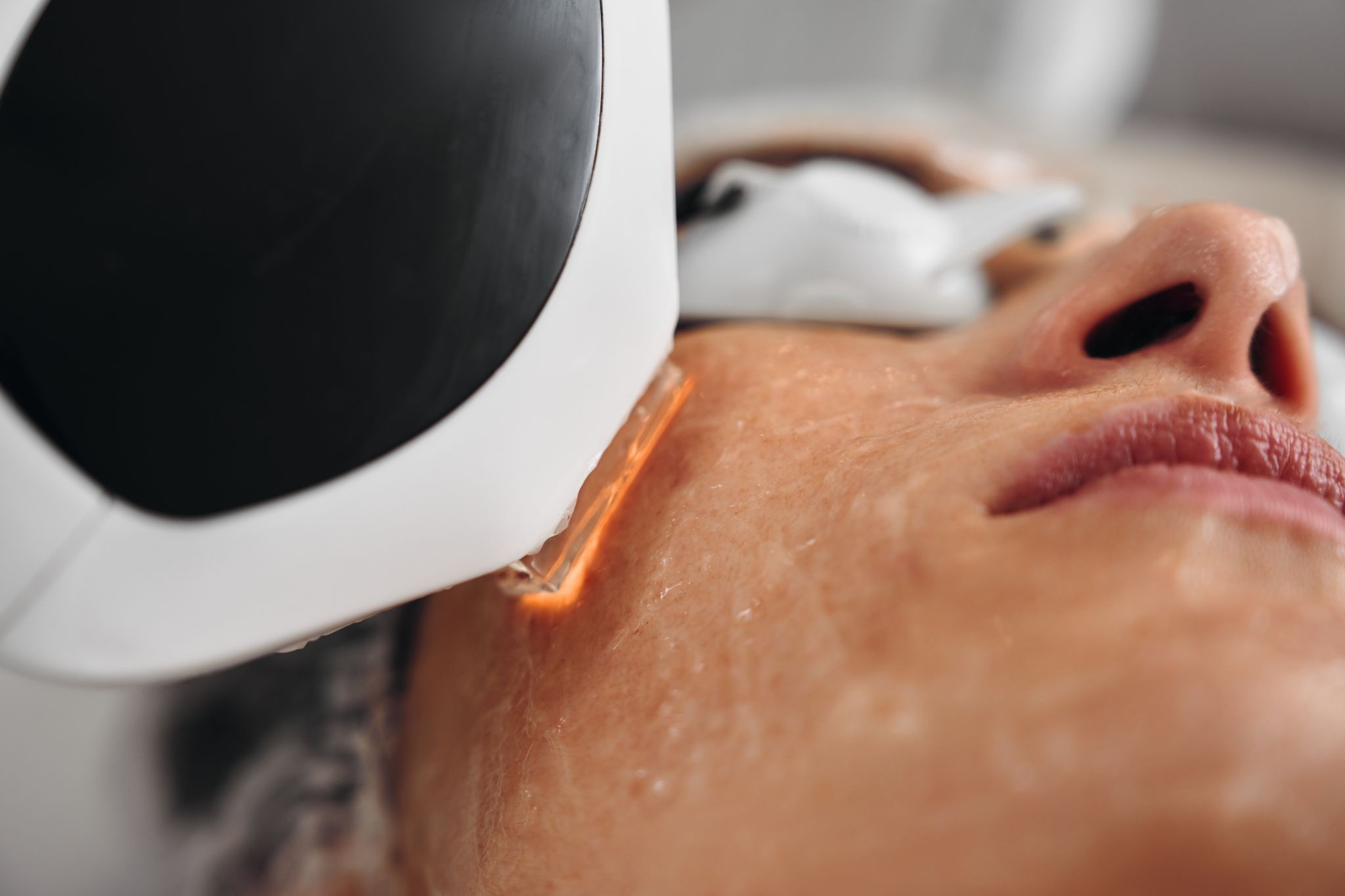
Dermatological procedures can address texture concerns more aggressively. Chemical peels remove damaged surface layers and encourage renewal. Microneedling stimulates collagen production beneath the skin. Laser treatments target structural changes and improve texture. Professional facial services can also help clear buildup and support a smoother skin surface. Professional guidance helps determine the most suitable option. Treatment plans vary according to individual skin needs.
Visible pores often reflect what is happening beneath the skin rather than a flaw that needs to be hidden. Paying attention to daily habits, product choices, and long-term skin health can gradually improve overall texture. Lasting results rarely come from a single treatment, but consistent care can lead to noticeable changes over time. The best time to start addressing these factors is before they become more difficult to manage.
Great skincare goes beyond products and trends. Discover expert-backed articles on the Naples Laser & Skin Aesthetics blog and stay informed about treatments, skin health, and personalized care options.
%402x.svg)