.png)
.png)
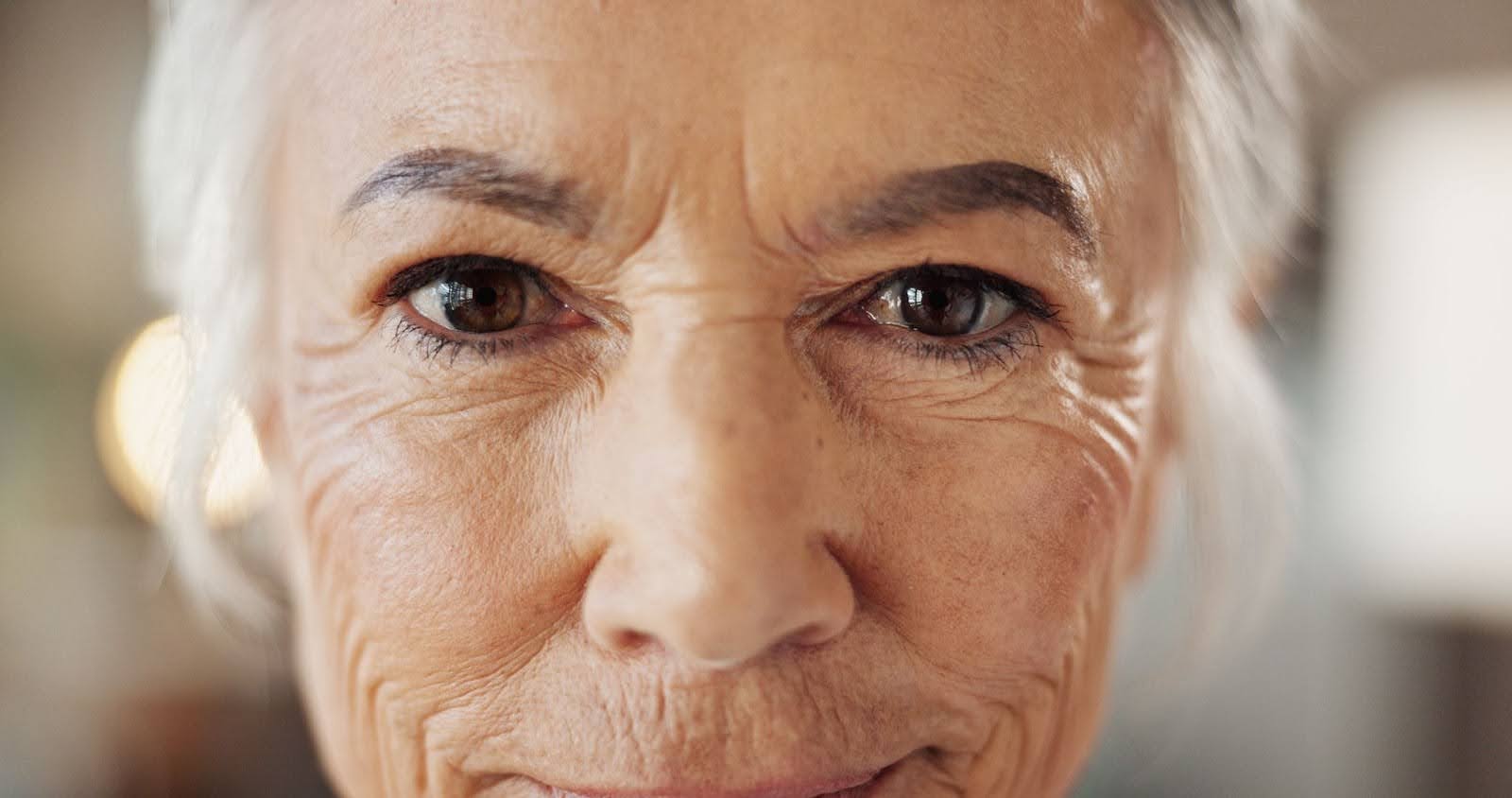
Fine lines and wrinkles often appear quietly and tend to stay longer than expected. Many people first notice them during everyday moments, such as getting ready in the morning or looking at recent photos. These visible skin changes naturally raise questions about aging, lifestyle habits, and personal care routines. Some lines develop gradually over many years, while others seem to show up almost overnight. A clear understanding of their causes helps people respond with confidence rather than uncertainty.
Fine lines and wrinkles are visible skin creases caused by structural changes within the skin. Fine lines remain shallow and usually appear first during early aging stages. Wrinkles develop deeper and become more noticeable as support weakens over time. Both forms reflect a combination of internal aging processes and external stress.
Fine lines appear as thin, surface-level creases that develop in expressive areas of the face. Common locations include the eyes, mouth, and forehead, where movement occurs frequently. Wrinkles extend deeper into the skin and appear more pronounced during facial expressions. Over time, these lines become visible even when the face is relaxed. Lighting often highlights uneven texture and depth. These visual differences help distinguish early changes from more advanced skin aging.
Skin depends on collagen, elastin, and moisture to maintain firmness and flexibility. As skin ages, the production of these components gradually slows. Reduced elasticity allows skin to fold more easily during everyday movement. Support layers beneath the surface also thin gradually. Folded skin no longer rebounds as quickly as before. These internal changes result in lasting surface creases.
Natural aging changes how skin repairs itself and responds to daily stress. Cell turnover slows gradually as years progress. Structural fibers weaken without complete replacement. These biological shifts drive visible aging patterns across the face.
Collagen provides skin with firmness and smooth structural support. As production declines with age, skin becomes less resistant to folding. Repeated facial movement then creates shallow lines. Over time, these lines deepen as the structure weakens further. Wrinkles become more noticeable and persistent. Skin gradually loses its former tight and smooth appearance.
Elastin allows skin to stretch and return to its original shape. Aging reduces both the quantity and flexibility of elastin fibers. Skin then struggles to recover after repeated movement. Creases linger longer with each expression. Wrinkles deepen as elasticity continues to decline. This process commonly affects the face, neck, and jawline.
Healthy skin replaces surface cells through regular renewal cycles. Aging slows this process noticeably. Dead cells remain on the surface longer, creating buildup. Texture becomes uneven and dull as renewal slows. Fine lines appear sharper under these conditions. Skin also takes longer to heal after irritation.
Sun exposure speeds up visible skin aging more than many people realize. Ultraviolet radiation penetrates skin layers during daily activities. Damage builds slowly, with no obvious early warning signs. This exposure strongly influences wrinkle depth and skin texture.
UVA rays penetrate deep into the skin throughout the day. These rays damage collagen and elastin fibers beneath the surface. Internal support weakens gradually as damage accumulates. Fine lines appear earlier on frequently exposed areas. Cheeks and the forehead often show changes first. Daily exposure compounds these effects over time.
UVB rays affect the outer layers of the skin. These rays trigger inflammation and visible surface injury. Repeated exposure causes uneven thickening of the skin. Wrinkles then appear rougher and more defined. Past sunburns increase long-term texture changes. Consistent sun protection reduces cumulative damage.
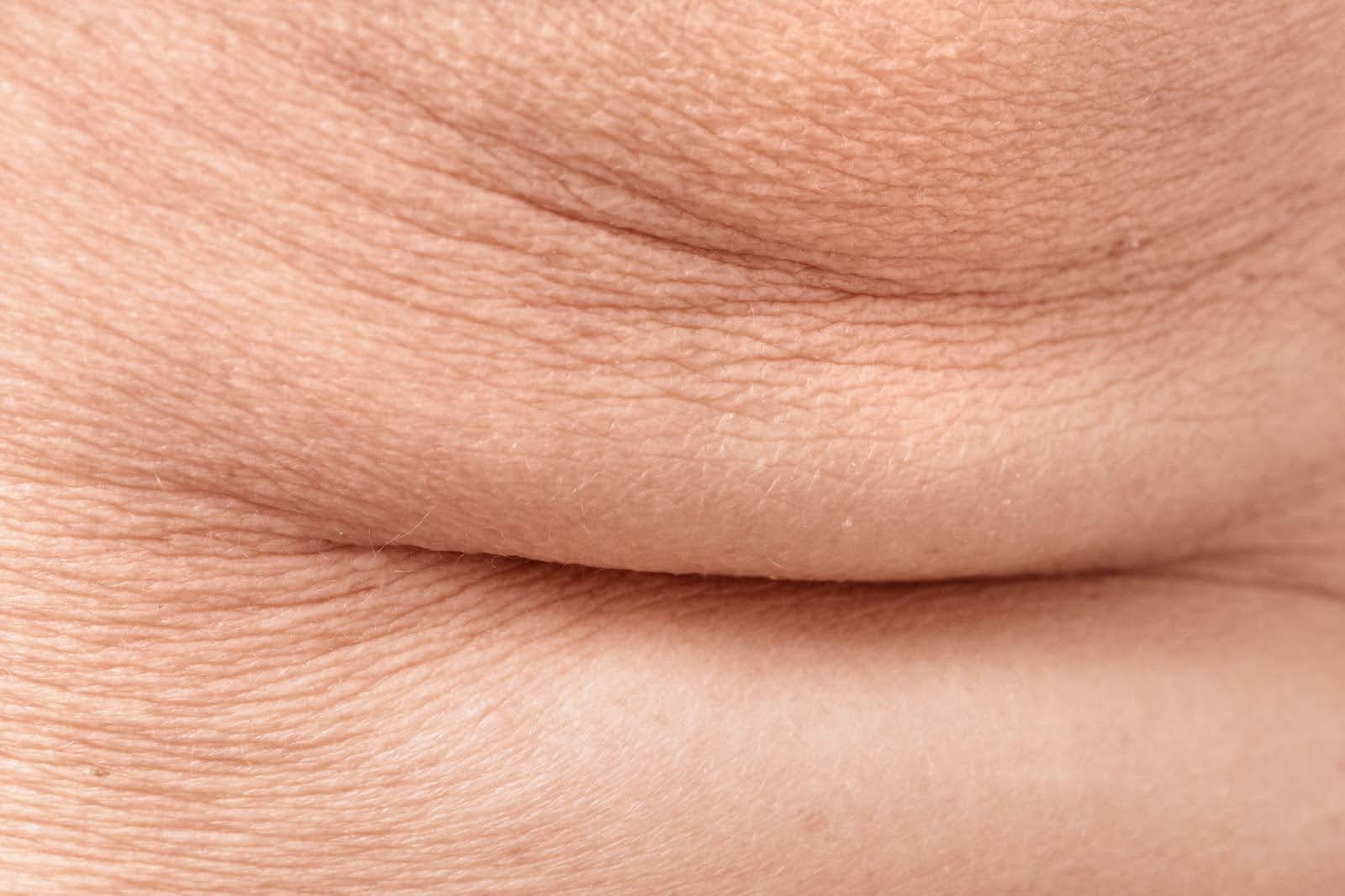
Photoaging results from long-term sun exposure rather than time alone. This process creates uneven tone, rough texture, and deeper wrinkles. Natural aging progresses more evenly across the face. Photoaged skin often appears leathery or coarse. Wrinkles look less uniform under sun damage. Recognizing this difference supports smarter skincare decisions.
Facial movement shapes skin appearance over decades. Muscles fold skin repeatedly during expressions. Over time, these folds settle into permanent lines. Expression-driven wrinkles follow predictable facial patterns.
Smiling, frowning, and raising eyebrows crease the same areas repeatedly. Skin folds along established expression pathways. Younger skin recovers quickly after movement, while mature skin retains folded impressions longer. Fine lines then appear even at rest. Wrinkles deepen through years of repetition.
Squinting frequently engages the delicate muscles around the eyes. Skin in this area remains thinner than in other facial regions. Repeated squinting accelerates crease formation. Crow’s feet often develop from this habit. Bright light worsens the pattern outdoors. Protective eyewear helps reduce repeated strain.
Jaw clenching tightens lower facial muscles repeatedly. This habit pulls skin downward and inward over time. Lines form around the mouth and chin areas. Stress often increases jaw tension unconsciously. Creases eventually remain visible even at rest. Relaxation techniques may reduce repeated strain.
Lifestyle choices influence how skin ages over time. Certain habits accelerate visible aging patterns. Other behaviors support skin recovery and resilience. Awareness helps guide healthier long-term decisions.
Smoking reduces blood flow to the skin. Reduced circulation limits oxygen and nutrient delivery. Skin appears dull and uneven in tone. Fine lines form around the mouth and lips. Repeated puckering deepens these creases. Collagen production weakens steadily with continued use.
Sleep supports nightly skin repair and renewal cycles. Poor sleep disrupts hormone balance over time. Skin repairs damage less efficiently during rest. Lines appear deeper with ongoing sleep disruption. Side sleeping may repeatedly crease facial skin. Consistent sleep supports a smoother appearance.
Alcohol increases fluid loss throughout the body. Skin becomes dehydrated and less elastic. Fine lines appear more pronounced in dry conditions. Inflammation worsens with frequent intake. Recovery between stressors slows noticeably. Balanced habits support healthier skin texture.
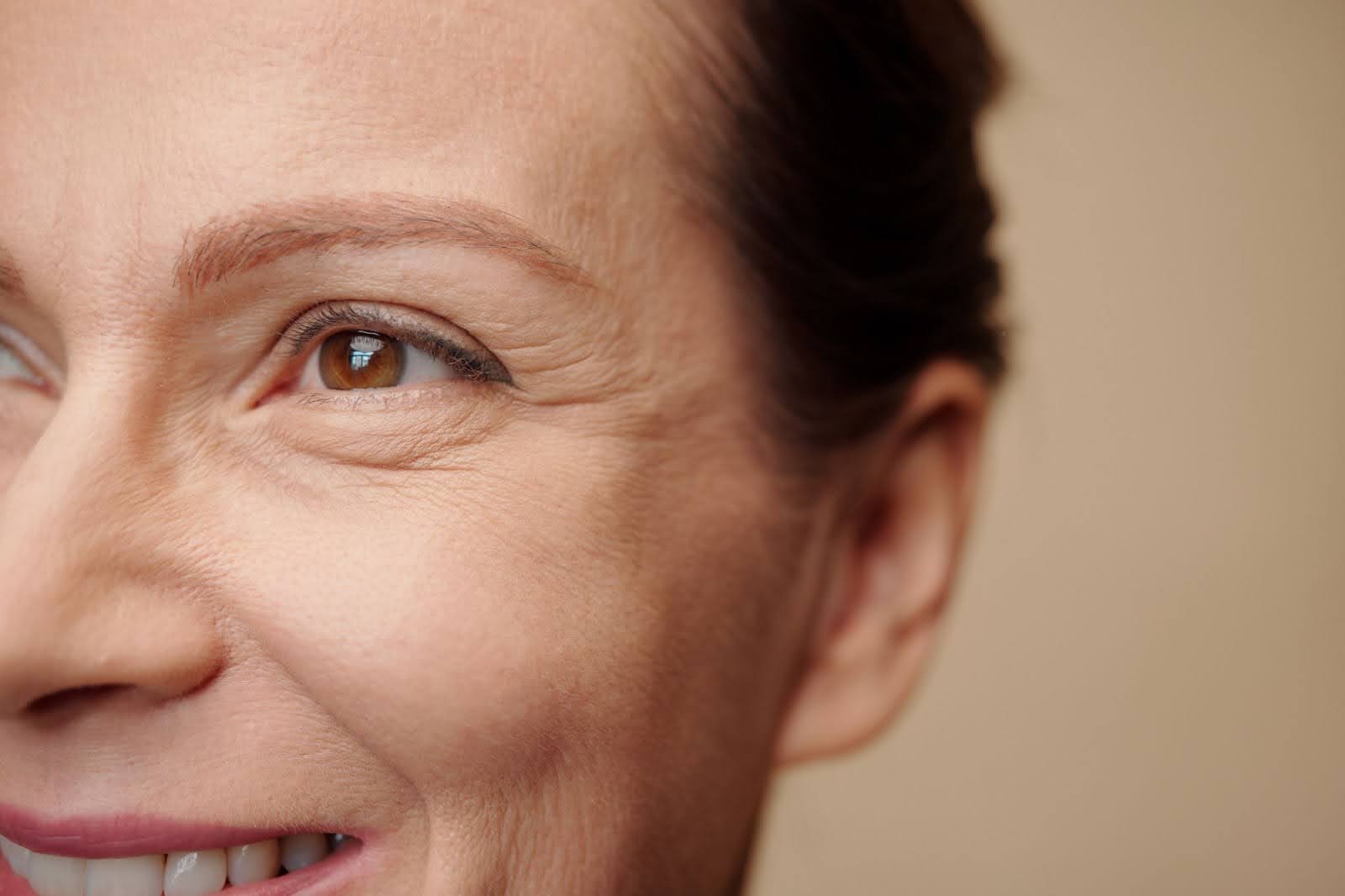
Nutrition directly affects skin structure and surface appearance. Skin relies on nutrients for repair and protection. Poor intake weakens protective barriers gradually. Balanced diets support smoother texture and tone.
Water maintains skin volume and flexibility. Dehydrated skin shrinks and loses plumpness. Fine lines appear sharper and more visible. Surface texture becomes uneven and rough. Hydration improves light reflection on the skin. Consistent intake supports visible improvement.
Vitamins support collagen production and skin repair. Low intake weakens skin structure over time. Antioxidants protect against daily environmental stress. Deficiencies leave skin more vulnerable to damage. Wrinkles appear sooner under poor nutrition. Balanced diets strengthen long-term resilience.
Excess sugar alters collagen fibers through chemical reactions. This process stiffens skin support structures. Elasticity decreases gradually as fibers change. Wrinkles deepen and resist recovery. Inflammation increases with frequent spikes. Moderation supports healthier aging patterns.
Genetics influences skin thickness, elasticity, and the rate of aging. Inherited traits affect how wrinkles develop. Family patterns often predict aging tendencies. The environment interacts closely with genetics.
Some people inherit naturally thicker skin. Thicker skin resists wrinkle formation longer. Thinner skin shows lines sooner. Elastic fiber density also varies. These traits shape visible aging. Awareness supports realistic expectations.
Melanin levels affect resistance to sun damage. Darker skin often shows wrinkles later. Lighter skin shows earlier sun-related changes. Cultural exposure habits influence outcomes. Environmental factors shape the final appearance. Tailored care supports every skin type.
Daily skincare habits and professional treatments work together to reduce fine lines and wrinkles. Consistent care supports skin structure, while targeted treatments address visible concerns. When both align, results appear more balanced and longer lasting. Understanding this connection helps people choose smarter skin strategies.
Daily skincare habits influence how skin responds to aging and treatment. Gentle cleansing prevents buildup that interferes with repair. Regular moisturizing supports elasticity and smooth texture. Sun protection reduces cumulative damage that deepens wrinkles. Inconsistent routines can make fine lines more pronounced. Steady habits create a stronger foundation for treatment results.
Retinoids and chemical peels remain widely used for fine lines and wrinkles. Retinoids increase cell turnover and support collagen production. Chemical peels remove damaged surface layers and improve texture. Both treatments soften fine lines gradually with repeated use. Mild irritation may occur during adjustment periods. Dermatology providers carefully guide strength and frequency.
Microneedling improves fine lines and wrinkles by stimulating the skin. Fine needles create micro-injuries that trigger collagen repair. Skin becomes firmer and smoother over time. Fine lines soften as new collagen forms beneath the surface. This treatment suits many skin types when performed professionally. Clinics often pair it with hydrating serums.
Injectable treatments address wrinkles caused by movement and volume loss. Neurotoxin injections relax muscles that create expression lines. Dermal fillers restore volume in deeper folds. These treatments offer faster results than topical care alone. Effects vary based on product and placement. Licensed providers tailor treatments for natural outcomes.
Skincare habits support the skin before and after treatment. Treatments deliver targeted improvement beyond daily care alone. Consistency improves treatment longevity and skin recovery. Poor habits can limit visible results over time. Coordinated care creates smoother, more predictable outcomes. This combined approach reflects modern aesthetic practice.
Fine lines and wrinkles respond best to informed, consistent choices rather than guesswork. Understanding treatment options allows people to address skin changes with purpose and control. Professional guidance helps align treatments with realistic goals and skin needs. Thoughtful action today supports smoother, healthier-looking skin with results that feel intentional, not accidental.
Explore expert insights on skin health and aesthetic care on the Naples Laser & Skin Aesthetics blog, where science meets thoughtful treatment.
%402x.svg)