.png)
.png)
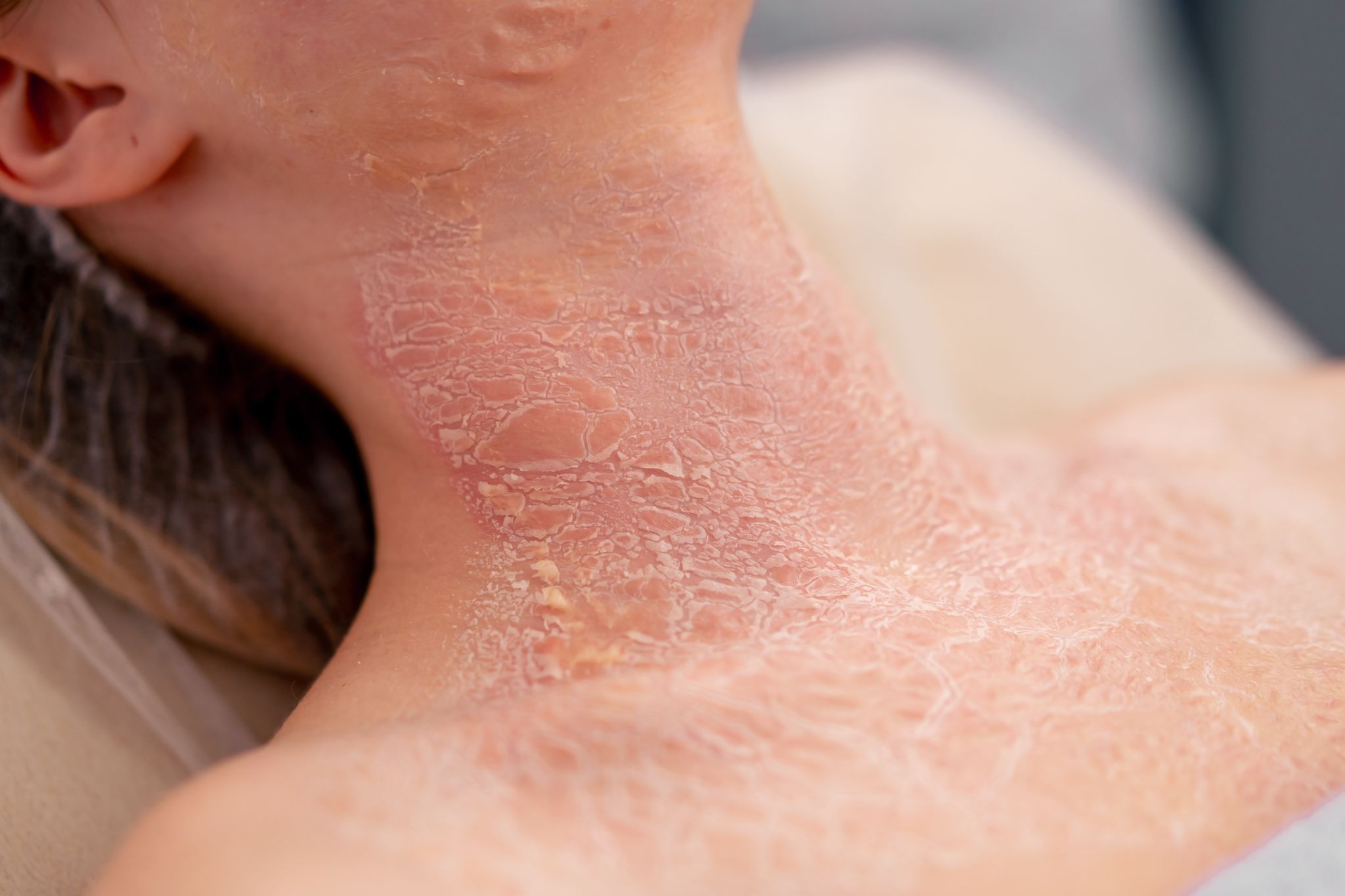
Dry, itchy skin often appears without warning and quickly disrupts daily comfort. Many people notice redness, irritation, or persistent rough patches. Parents worry when infants scratch constantly, while adults struggle with recurring flare-ups. These experiences lead many people to ask what truly causes eczema. Clear knowledge about eczema triggers helps people protect their skin and reduce repeated irritation.
Eczema refers to a group of inflammatory skin conditions that cause dryness, itching, and visible irritation. Doctors commonly call the condition atopic dermatitis, which reflects its allergic and immune-related nature. This skin disorder develops when the protective barrier weakens and becomes overly reactive to irritants. Understanding these mechanisms helps explain why eczema appears differently from person to person.
Eczema describes a chronic inflammatory skin condition that weakens the skin’s natural barrier. This barrier damage allows moisture to escape while irritants enter more easily. The skin then becomes dry, sensitive, and prone to persistent itching. Scratching further damages the skin surface and often leads to small cracks or thickened patches. These damaged areas sometimes allow bacteria or allergens to irritate deeper layers. Dermatology research and clinical observations from organizations such as the American Academy of Dermatology confirm that eczema results from combined immune and skin-barrier dysfunction.
Skin barrier failure often triggers eczema symptoms because the outer skin layer loses its protective strength. This protective layer normally holds moisture while blocking allergens and pollutants. When that layer weakens, dryness develops quickly, and irritation follows. Everyday exposures, such as soap, fabrics, or sweat, may suddenly cause itching. This reaction happens because sensitive nerve endings become more exposed. Dermatology clinics frequently report that barrier repair through moisturizing helps reduce flare-ups.
Eczema flare-ups rarely happen without underlying triggers affecting the skin and immune system. Several internal and external factors work together to weaken the skin barrier and increase inflammation. These influences range from inherited traits to everyday environmental exposures. Understanding these causes helps explain why eczema develops and why symptoms often return.
Genetics influences how the skin protects itself from environmental stress. Many people with eczema share a family history of allergies, asthma, or skin irritation. Researchers study inherited traits to understand why certain people develop eczema earlier in life. These inherited traits affect both the immune system and the skin’s protective barrier.
Family history often increases the likelihood of eczema because inherited immune responses affect skin sensitivity. Children with parents who have eczema, asthma, or allergies face a higher chance of developing similar conditions. This pattern appears often in dermatology clinics and pediatric care settings. The immune systems in these families react strongly to harmless substances such as pollen or dust. This reaction leads to inflammation that appears directly on the skin. Many dermatologists also connect these patterns to a group of conditions known as the atopic triad.
Filaggrin is a skin protein that helps maintain the skin’s protective barrier. Changes in the filaggrin gene reduce the skin’s ability to hold moisture. This genetic variation causes dryness and increases sensitivity to irritants. The weakened barrier allows allergens to enter the skin more easily. Dermatology studies cited by the National Eczema Association show that many eczema patients carry this genetic variation. This genetic link explains why eczema often runs in families.
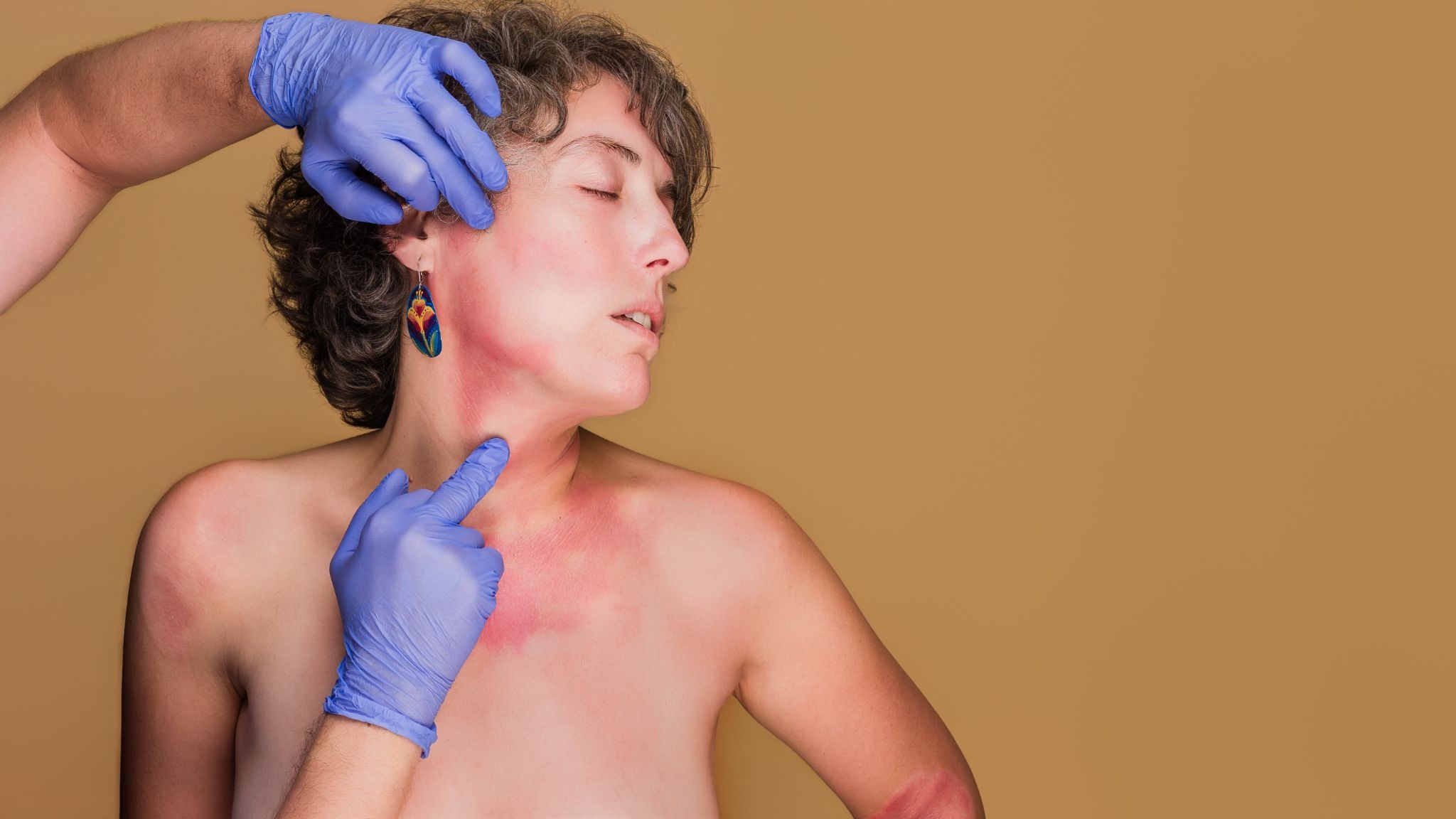
The immune system protects the body from infection and harmful organisms. In people with eczema, the immune system reacts too strongly to mild irritants. This exaggerated response leads to inflammation, redness, and intense itching. Understanding these immune reactions helps explain why flare-ups appear suddenly.
An overactive immune response frequently triggers skin inflammation. The body releases inflammatory chemicals when it encounters irritants such as soap or pollen. These chemicals irritate the skin and stimulate nerve endings, triggering itching. The skin then becomes red, swollen, and uncomfortable. This inflammatory reaction continues when scratching damages the skin barrier. Clinical dermatology data show that controlling inflammation helps reduce symptom severity.
Inflammation occurs when immune cells respond aggressively to perceived threats. This immune response sends signals that attract additional inflammatory cells to the skin. These cells release substances that increase redness, swelling, and itching. The itching often becomes intense enough to disrupt sleep or daily comfort. This reaction cycle repeats when further skin barrier damage occurs. Dermatologists often treat these conditions by calming the inflammatory process.
Skin microbiome imbalance often appears in irritated or inflamed skin conditions. Healthy skin contains helpful bacteria that protect against harmful microbes. Certain skin conditions can sometimes allow bacteria such as Staphylococcus aureus to grow more easily. This bacterial presence increases irritation and the risk of infection. This imbalance often worsens itching and inflammation during flare-ups. Dermatology research frequently connects microbial imbalance with chronic inflammatory skin symptoms.
Environmental conditions often worsen skin irritation when sensitive skin is exposed to external stressors. Climate conditions, pollution, and household products often provoke flare-ups. These influences irritate weakened skin barriers and stimulate inflammation. Understanding these external influences helps people reduce exposure and protect their skin.
Dry air often aggravates skin irritation because low humidity removes moisture from the skin. Winter weather and indoor heating reduce environmental humidity levels. The skin then becomes tight, rough, and itchy. Hot weather can also irritate sensitive skin because sweat builds on the surface. This moisture buildup sometimes leads to itching and redness. Dermatologists often recommend humidifiers and gentle skincare during seasonal transitions.
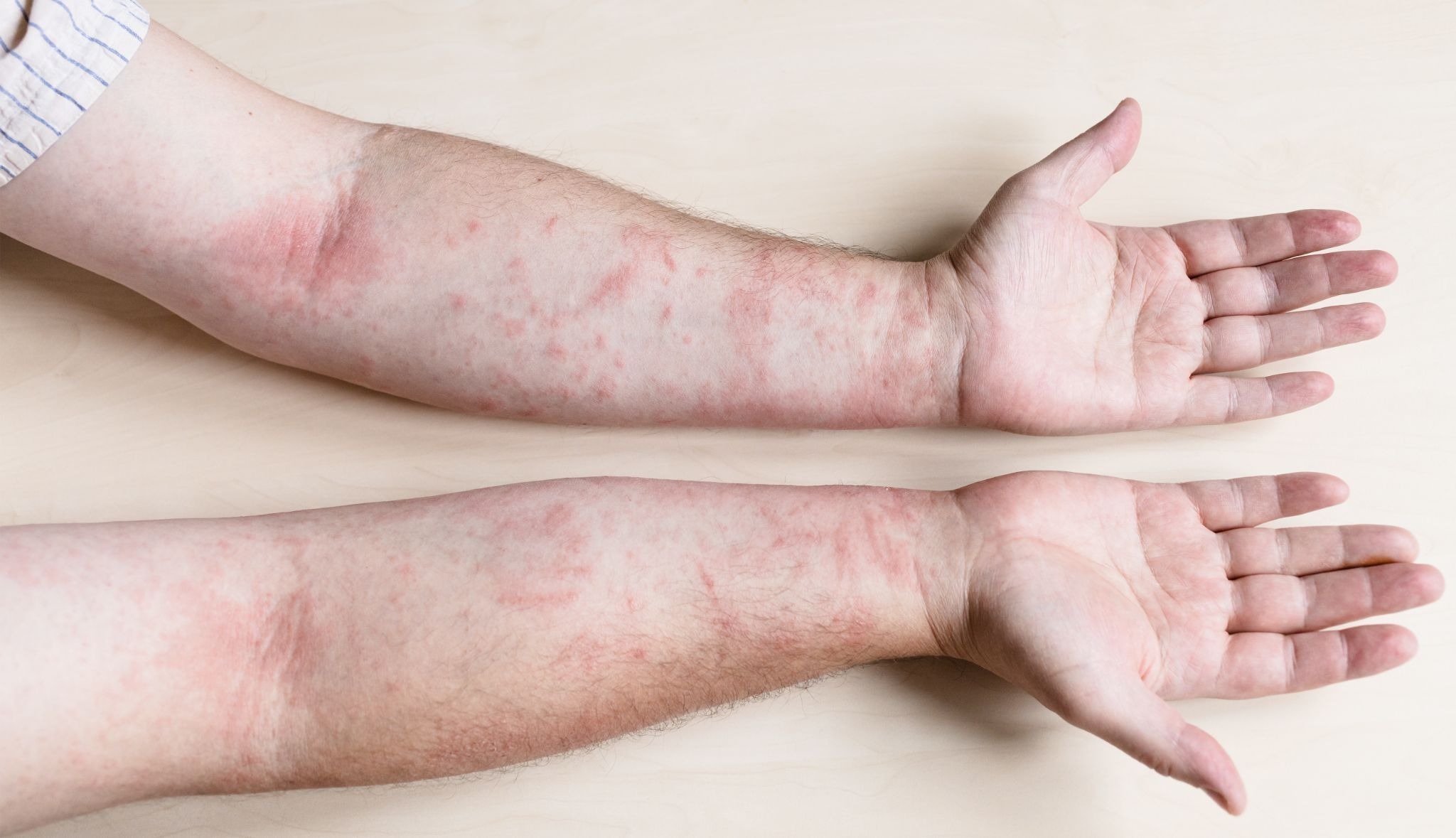
Household products often contain ingredients that irritate sensitive skin. Detergents, cleaning sprays, and fragranced soaps may remove protective skin oils. The loss of these oils increases dryness and vulnerability to irritation. This irritation often appears as redness, itching, or small, inflamed patches. Many dermatology clinics advise fragrance-free skincare products for sensitive skin conditions. This recommendation helps reduce exposure to harsh chemical ingredients.
Air pollution can aggravate inflammatory skin symptoms in urban environments. Tiny airborne particles settle on the skin surface and trigger irritation. These particles include smoke, dust, and chemical pollutants. Sensitive skin often reacts strongly to these contaminants. This environmental stress may increase inflammation and worsen itching. Dermatology studies increasingly link exposure to pollution with chronic skin inflammation.
Allergies frequently appear alongside inflammatory skin conditions because both involve immune hypersensitivity. The body reacts strongly to harmless substances called allergens. These allergens enter the body through food, the air, or direct skin contact. Understanding these reactions helps people identify patterns behind recurring skin irritation.
Food allergies sometimes provoke skin inflammation, particularly in children. Common triggers include dairy products, eggs, wheat, and nuts. The immune system treats these foods as harmful substances, triggering inflammation. This inflammatory reaction may appear on the skin as itching or redness. Pediatric dermatology clinics frequently identify food sensitivities during skin condition evaluations. This food sensitivity pattern explains why some flare-ups occur after meals.
Airborne allergens often worsen skin irritation when they come into contact with sensitive skin. Dust mites, pollen, and pet dander remain common causes. These particles settle on the skin and stimulate an immune response. The immune system releases inflammatory chemicals that cause itching and redness. This irritation sometimes increases during seasonal pollen peaks. Allergy specialists often recommend environmental control strategies to reduce exposure.
Contact allergens cause skin irritation when they come into contact with sensitive skin. Nickel jewelry, fragranced cosmetics, and preservatives often provoke reactions. These substances irritate the skin barrier and provoke inflammation. The affected skin becomes red, itchy, and sometimes swollen. Dermatologists identify these causes through patch testing. This diagnostic process helps patients avoid products that worsen skin irritation.
Daily habits influence eczema severity because lifestyle choices affect skin health. Stress levels, clothing materials, and skincare routines all interact with sensitive skin. Some habits strengthen the skin barrier while others increase irritation. Recognizing these patterns helps people manage eczema more effectively.
Stress often worsens eczema symptoms because emotional tension triggers inflammatory responses. Stress hormones influence immune activity within the body. These hormonal changes increase itching and skin sensitivity. Many people notice eczema flare-ups during demanding periods at work or school. This stress reaction also disrupts sleep patterns that support skin repair. Dermatology experts often encourage stress management techniques for patients with eczema.
Daily skincare routines directly affect eczema-prone skin. Harsh soaps and hot showers remove protective skin oils. The loss of these oils can quickly increase dryness and irritation. Dermatologists usually recommend fragrance-free cleansers and thick moisturizers. This skincare approach helps restore moisture and strengthen the skin barrier. Consistent moisturizing often reduces itching and discomfort.
Clothing choices sometimes irritate eczema-affected skin through friction or trapped moisture. Rough fabrics such as wool rub against sensitive skin and trigger itching. Synthetic materials may also trap sweat and heat against the skin surface. This combination of heat and moisture often increases irritation. Soft cotton fabrics usually allow better airflow and reduce friction. Dermatologists often suggest breathable clothing for people managing eczema.
Eczema weakens the skin barrier and often leaves the skin more reactive to irritation. Many people seek professional care to calm discomfort and improve their overall skin condition. Aesthetic clinics offer supportive treatments focused on hydration, barrier repair, and gentle skin maintenance. Specialists usually assess the skin first to avoid ingredients or procedures that may worsen irritation. Treatments often include soothing facials, barrier-supporting serums, and deeply hydrating therapies. These approaches help restore moisture levels and improve the skin’s ability to tolerate environmental exposure. Professional guidance on gentle skincare products also helps patients maintain balanced, healthier-looking skin between treatments.
Prevent eczema from affecting daily life by recognizing the factors that irritate your skin and adjusting your habits accordingly. Consistent skincare, thoughtful product choices, and awareness of environmental influences can help reduce flare-ups. When symptoms persist, dermatology guidance can reveal deeper causes and provide targeted care. With informed decisions and steady routines, people can maintain healthier skin and protect everyday comfort.
Explore more expert skin insights and practical care tips on the Naples Laser & Skin Aesthetics blog, where informed skincare begins.
%402x.svg)