.png)
.png)
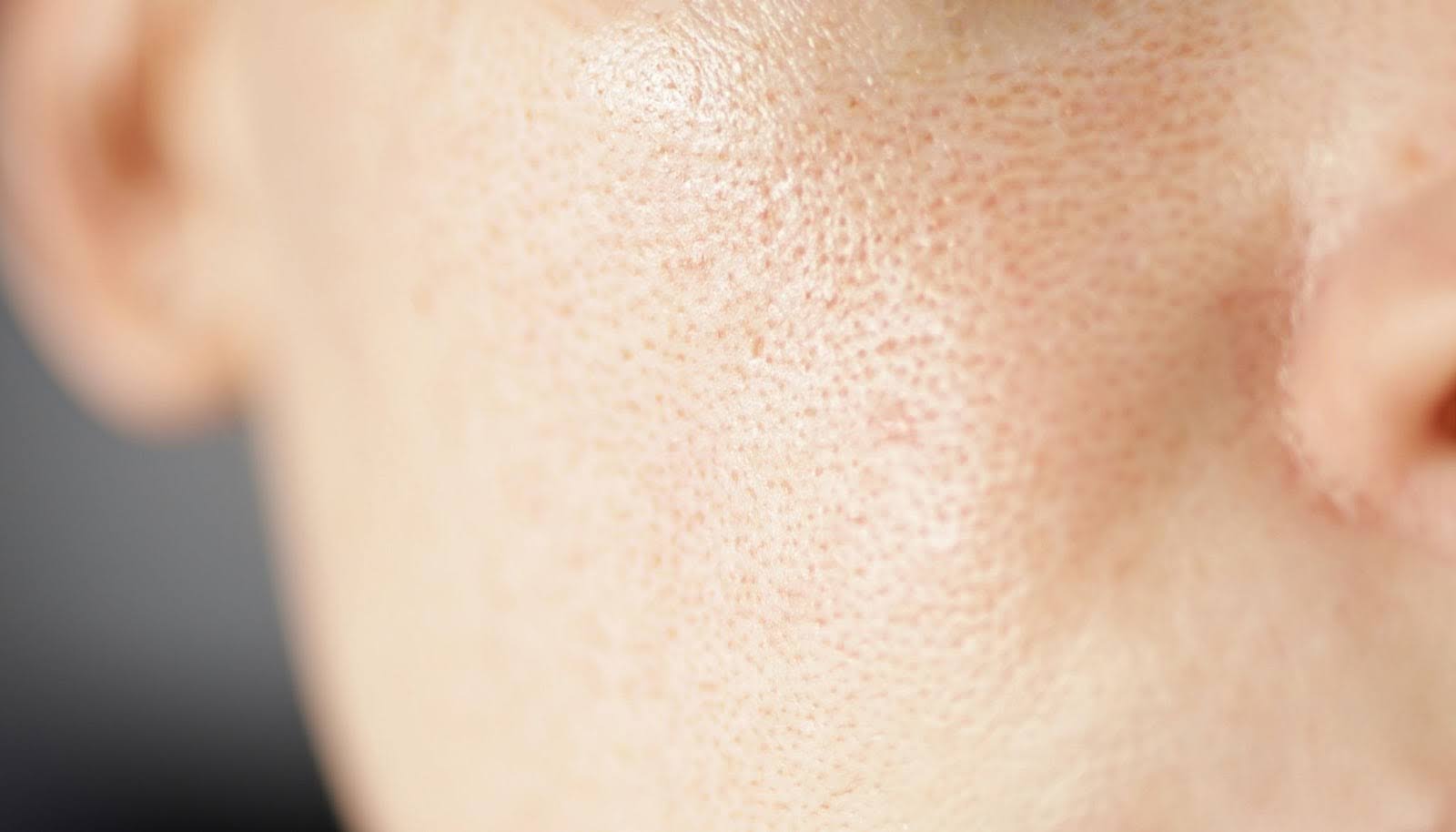
Skin pores shape how smooth, precise, or uneven the skin appears in daily life. Many people notice them more under makeup, harsh lighting, or phone cameras. Changes in oil levels, age, and environment often make pores look wider than expected. These visible shifts can feel frustrating without clear explanations. Understanding why skin pores appear larger creates clarity and supports better, calmer skincare decisions.
Skin pores are microscopic openings that support oil flow and temperature regulation. These openings exist everywhere but draw attention to the face due to higher oil activity. Facial skin reflects light differently, which makes texture more noticeable. This functional role explains why pores cannot disappear completely.
Skin pores release sebum, which helps protect the skin barrier from dryness and irritation. This protective oil also helps maintain surface flexibility throughout the day. Each pore connects to a hair follicle, even when hair is not visible. These structures support natural cooling by releasing sweat. This biological system keeps skin resilient under changing conditions. Pores reflect healthy skin function rather than damage.
Facial pores appear larger because oil glands cluster densely on the face. This oil catches light and highlights texture differences. Makeup and sunscreen can settle into pores, increasing contrast. The nose and cheek areas consistently produce the most sebum. This regional oil activity explains uneven pore visibility. Lighting and mirrors further exaggerate these differences.
Actual pore size rarely changes dramatically after adulthood. This visual change usually comes from oil buildup or dehydration. Shadows deepen when skin texture becomes uneven. This surface effect makes pores appear broader than they are. Temporary stretching occurs when pores fill with debris. Proper care reduces visibility rather than altering the structure.
Skin pores rarely change without a reason, even when they seem to appear suddenly. Daily habits, internal shifts, and environmental exposure gradually influence how pores look on the surface. These influences often work together rather than in isolation. Recognizing these underlying causes makes it easier to understand the specific factors that follow.
Genetics determines the foundation of pore visibility long before skincare habits develop. Inherited traits influence oil production, pore density, and skin thickness, which explains why pores appear more noticeable for some people. Skin type further affects how light reflects across the surface, making texture easier or harder to see. These biological factors establish limits on how much pore appearance can change, even with consistent care.
Genetic patterns influence how pores form and distribute across the face. Family history often determines whether pores appear tightly packed or more widely spaced. Thicker skin tends to support pore walls better, while thinner skin reveals texture more easily under lighting. Oil output levels also follow inherited patterns that remain stable through adulthood. These traits shape pore appearance early and persist over time. Understanding this genetic baseline helps prevent unrealistic expectations from treatments.
Oily skin continuously produces sebum, which affects how pores look throughout the day. This steady oil flow places repeated pressure on pore walls, causing them to appear wider over time. Heat, humidity, and hormonal shifts can further intensify oil production. As oil accumulates, it reflects light, highlighting texture. This ongoing process explains why pores often look larger by midday. Gently managing oil helps reduce visible stretching.
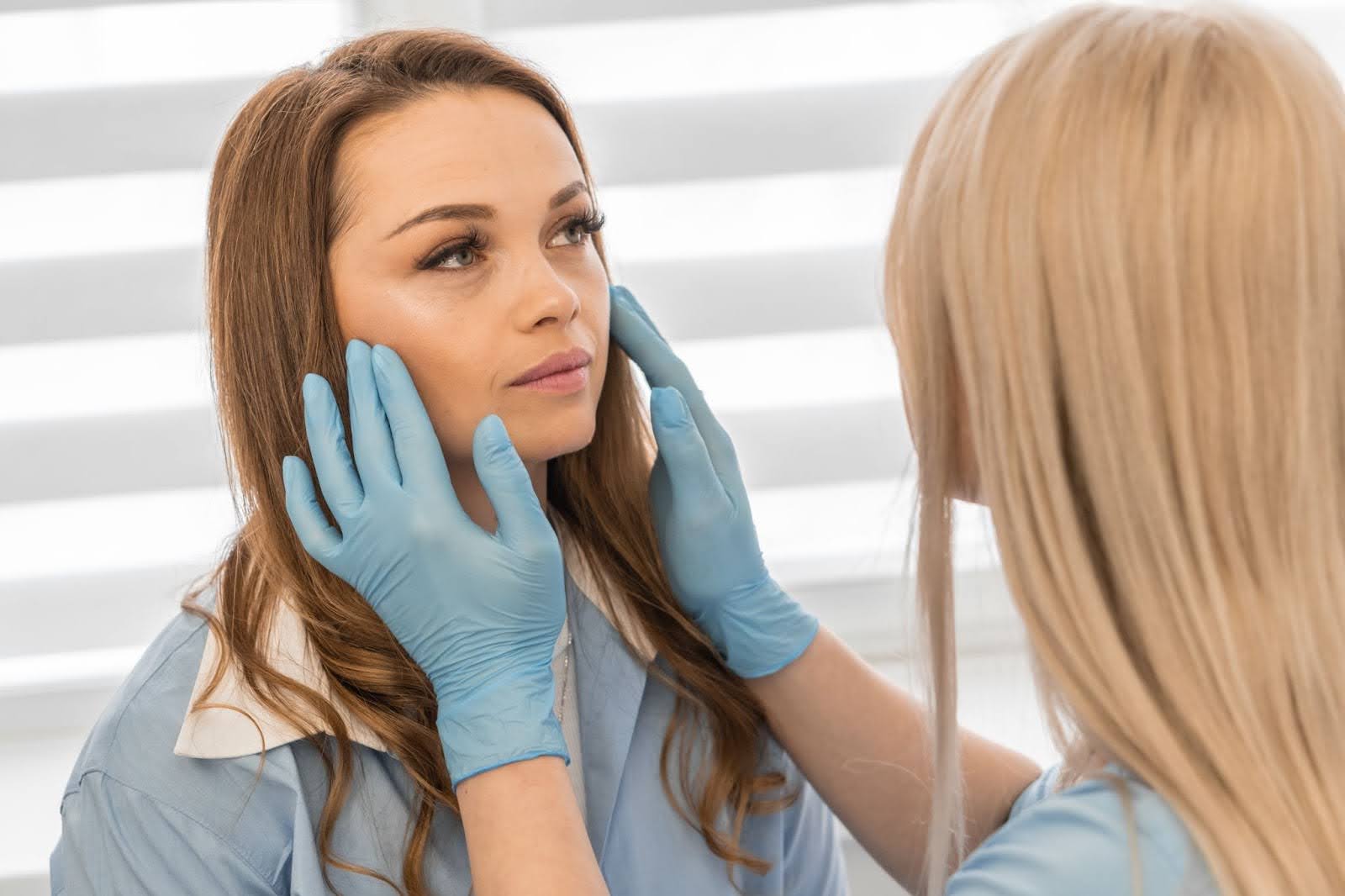
Combination skin exhibits different behaviors across facial zones, which can complicate the appearance of pores. The T-zone often produces more oil, making pores there stand out. Meanwhile, drier regions may still show texture due to dehydration. This contrast highlights pores that are unevenly distributed across the face. Skincare routines that overcorrect one area often worsen another. Balanced care supports a more uniform texture.
Aging alters the skin’s internal support system, affecting how pores maintain their shape. Structural proteins weaken gradually, reducing firmness around pore walls. These changes influence appearance rather than increasing pore count. As skin matures, texture becomes less uniform, and pores appear more defined.
Collagen provides the framework that keeps skin firm and resilient. As collagen levels decline, pores lose the surrounding support that keeps them compact. This loss allows pores to stretch downward, especially on the cheeks. Gravity intensifies this change over time. The resulting shape often looks elongated rather than round. Supporting collagen production helps pores appear tighter on the surface.
Elastic fibers help skin return to shape after movement and expression. With age, these fibers weaken and become less efficient. Looser skin exaggerates surface texture, making pores more visible. As the surrounding tissue relaxes, the pores appear wider, even without increased oil production. This gradual process unfolds over years rather than months. Consistent skincare supports elasticity longer.
Skin renewal slows as part of the natural aging process. Dead cells remain on the surface longer, building up around pores. This accumulation thickens pore edges and sharpens their outline. Makeup tends to settle into these areas, making them more visible. Texture appears rougher under bright light. Gentle exfoliation helps maintain clarity and smoothness.
Environmental exposure gradually alters pore morphology. Ultraviolet radiation weakens skin structure beneath the surface. Pollution adds daily oxidative stress that compounds damage. Together, these factors gradually increase visible texture.
Ultraviolet rays break down collagen around pore openings. This damage reduces firmness and weakens surrounding tissue. Sun exposure also thickens the skin unevenly, altering light reflection. Areas with uneven thickness highlight the depth of pores. Over time, pores appear deeper and more pronounced. Daily sun protection limits cumulative effects.
Airborne particles settle on the skin throughout the day and mix with surface oil. This buildup oxidizes within pores, gradually stiffening their walls. Urban environments intensify this exposure due to higher pollution levels. Without proper cleansing, residue accumulates overnight. Gentle cleansing removes particles without disrupting the barrier. Aggressive scrubbing increases irritation and texture issues.
Climate shifts influence oil production and hydration levels. Hot weather increases sebum output, while cold air strips surface moisture. Both conditions alter how light is reflected by pores. Humidity levels also affect skin flexibility and texture. Seasonal skincare adjustments support balance. Consistency prevents sudden texture changes.
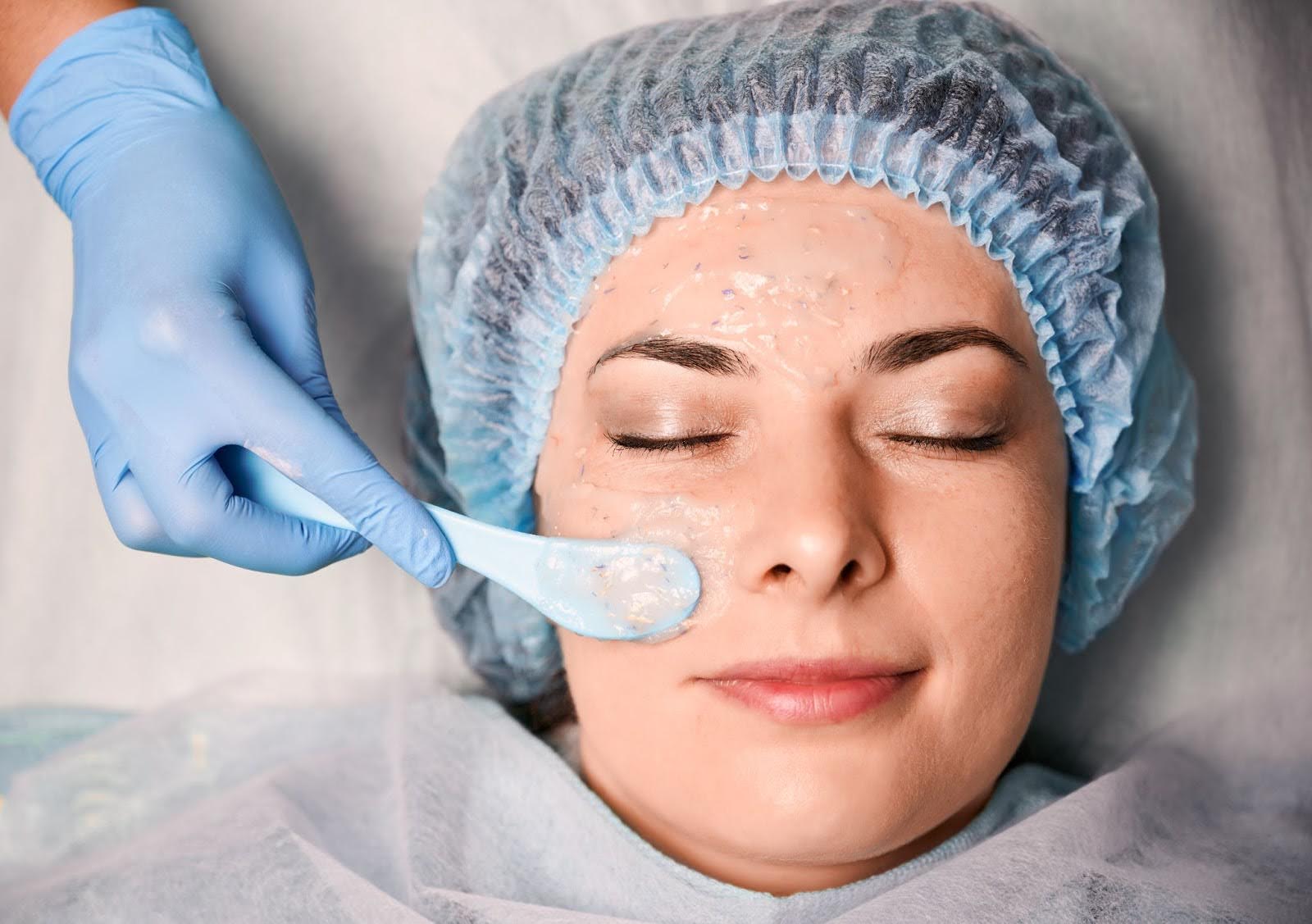
Daily skincare habits influence how pores look over time. Some routines unintentionally worsen texture by disrupting balance. Others support a smoother appearance through consistency. Awareness leads to better outcomes without excess effort.
Frequent washing strips protective oils from the skin. This disruption triggers rebound oil production as compensation. Repeated oil buildup stretches pores, making them more visible. Hot water worsens barrier stress and inflammation. Tightness often signals irritation rather than cleanliness. Balanced cleansing preserves stability and texture.
Thick products trap oil and debris inside pores. This congestion places pressure on pore walls over time. Makeup residue left overnight worsens the buildup further. Ingredient awareness matters more than marketing claims. Lightweight formulas reduce congestion risks. Proper removal prevents long-term stretching.
Frequent product changes disrupt the skin’s regulatory rhythm. This instability quickly affects the oil balance. Pores fluctuate in visibility from day to day. Skin needs time to adapt to active ingredients. Patience improves predictability and results. Consistency often outperforms frequent experimentation.
Hormones directly influence oil production and inflammation levels. These internal shifts occur during life stages and periods of stress. Skin reflects these changes on the surface. Understanding these patterns reduces frustration and confusion.
Hormonal surges stimulate oil glands during adolescence. This increase raises sebum output rapidly. Pores stretch to accommodate the higher flow. Acne often appears during this phase as well. Activity stabilizes with maturity for many people. Proper care reduces lasting effects.
Hormonal fluctuations affect oil levels throughout the month—sebum production peaks before menstruation. Pores appear more noticeable during this phase. Inflammation also increases skin sensitivity. Gentle routines support balance during shifts. Tracking patterns improves the timing of care.
Stress raises cortisol levels, which, in turn, indirectly influences oil production. Elevated cortisol levels increase skin inflammation. This inflammation gradually weakens the pore structure. Sleep disruption worsens recovery and repair—chronic stress compounds texture concerns. Lifestyle adjustments support skin resilience.
Internal habits consistently influence external skin appearance. Nutrition affects oil balance and inflammatory responses. Hydration supports surface plumpness and flexibility. Small changes create visible cumulative results.
Dehydrated skin lacks surface elasticity and smoothness. Pores appear sharper and more defined under light. Water intake supports cellular processes that maintain texture. Indoor heating accelerates moisture loss further. Hydrating products complement internal hydration. Balanced moisture softens pore edges.
High-glycemic foods raise insulin levels quickly. This response stimulates oil production in the skin. Repeated spikes increase inflammation over time. Pores appear wider and more congested. Moderation supports steadier skin behavior. Individual responses vary based on sensitivity.
Skin pores cannot shrink permanently because their structure remains fixed within the skin. Visible improvement focuses on refining texture and reducing contrast around pores. Consistent skincare strengthens the surrounding skin, making pores appear smaller. Aligning expectations with skin biology prevents frustration and unnecessary treatments.
Skincare products improve pore appearance by gradually refining the skin surface. Exfoliants remove dead skin cells that accumulate around the edges of pores. Retinoids support collagen renewal, which, over time, improves firmness. Consistent use matters more than product strength. Results appear gradually over several weeks. Ongoing maintenance preserves visible improvement.
Professional treatments target deeper layers of the skin than topical products do. Laser procedures stimulate collagen to improve firmness around pores. Chemical peels smooth the uneven surface texture. Results vary depending on skin type and lifestyle factors. These treatments do not permanently eliminate pores. Informed decisions reduce disappointment and overtreatment.
Pore appearance can return when routines lapse or conditions change. Oil production continues regardless of treatment history. Aging and environmental exposure influence results over time. Without maintenance, skin gradually reverts to baseline behavior. This pattern explains why consistency matters long term. Awareness supports realistic expectations.
Skin pores become easier to manage when care decisions reflect how skin truly behaves over time. Consistent routines, realistic expectations, and informed product choices create visible refinement without unnecessary stress. When habits support balance instead of chasing instant results, skin responds more predictably. Smarter care shifts focus from fixing flaws to maintaining control, clarity, and long-term skin confidence.
Find clear answers and thoughtful skin care education tailored to real concerns on the Naples Laser & Skin Aesthetics blog.
%402x.svg)