.png)
.png)
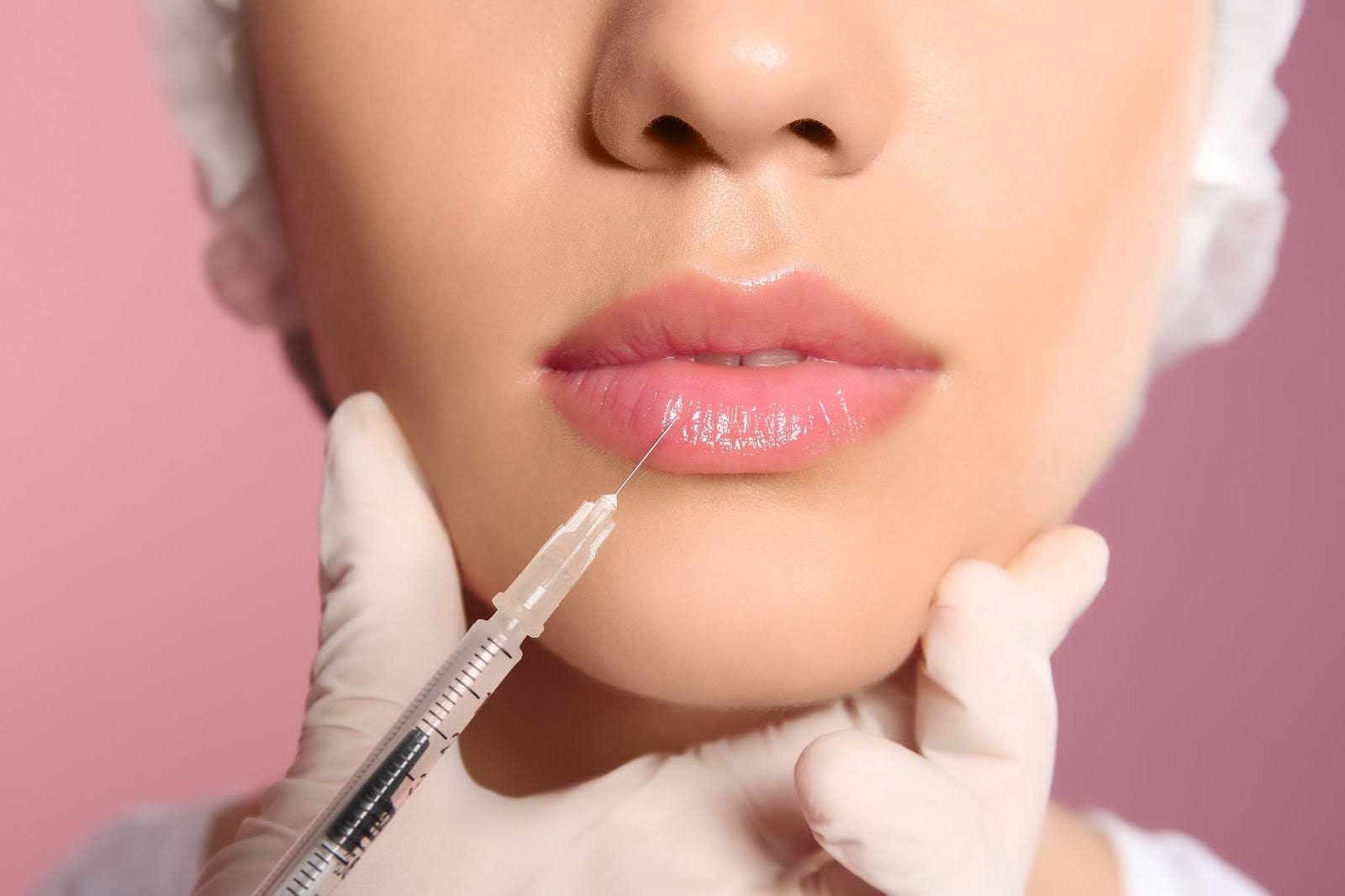
Fuller lips have become a common aesthetic concern among people of all ages today. Social visibility and personal confidence often shape how people view facial balance. Lip enhancement now reflects subtle refinement rather than exaggerated volume. Understanding the different types of lip fillers helps people make informed, comfortable decisions with realistic expectations. Awareness also reduces confusion caused by trends and inconsistent online advice.
Lip fillers are injectable substances used to add volume, shape, or definition to the lips. Providers use these treatments to improve symmetry, hydration, and contour. Each filler type behaves differently after injection, affecting results and longevity. Knowing how fillers function supports safer choices and clearer communication during consultations.
Lip fillers enhance volume while maintaining natural movement and softness. Many formulations attract water to improve internal hydration. This hydration effect often creates a smoother texture and subtle plumpness. Fillers also help define borders, such as the cupid’s bow and the vermilion edge. Some fillers restore volume lost through aging or weight changes. Providers adjust placement depth to control shape and proportion.
Temporary fillers gradually break down in the body. Most results last several months before fading naturally. Longer-lasting fillers remain present for extended periods but require careful planning. Temporary options make it easier to adjust as preferences change. This flexibility appeals to first-time patients. Long-lasting choices demand greater commitment and expertise.
Lip fillers vary widely in composition, behavior, and results. These differences influence how lips look and feel, and how they age over time. Modern aesthetic practice relies on understanding these variations. This context explains why certain filler types predominate in current treatments.
Hyaluronic acid fillers dominate modern lip enhancement practices worldwide. Their compatibility with the human body supports predictable outcomes. These fillers feel soft while adapting well to natural lip movement. Their popularity reflects safety, versatility, and refined visual results.
Hyaluronic acid occurs naturally in skin and connective tissues. This familiarity lowers the risk of adverse reactions. The substance absorbs moisture, creating a natural-looking fullness. Lips treated with these fillers often appear smooth rather than rigid. Providers can layer small amounts for gradual enhancement. Results remain adjustable through follow-up treatments.
Not all hyaluronic acid fillers feel or perform the same. Some formulas offer a lighter consistency for subtle shaping. Others provide denser structure for improved definition. Texture choice affects how the lips respond during speech and expression. Providers match consistency with individual anatomy and goals. This customization improves overall satisfaction.
Hyaluronic acid fillers can be dissolved if needed. This option reassures patients seeking flexibility. Dissolving agents correct overfilling or uneven placement. Safety protocols benefit from this added control. Providers view reversibility as an essential safeguard. Patients gain confidence knowing adjustments remain possible.
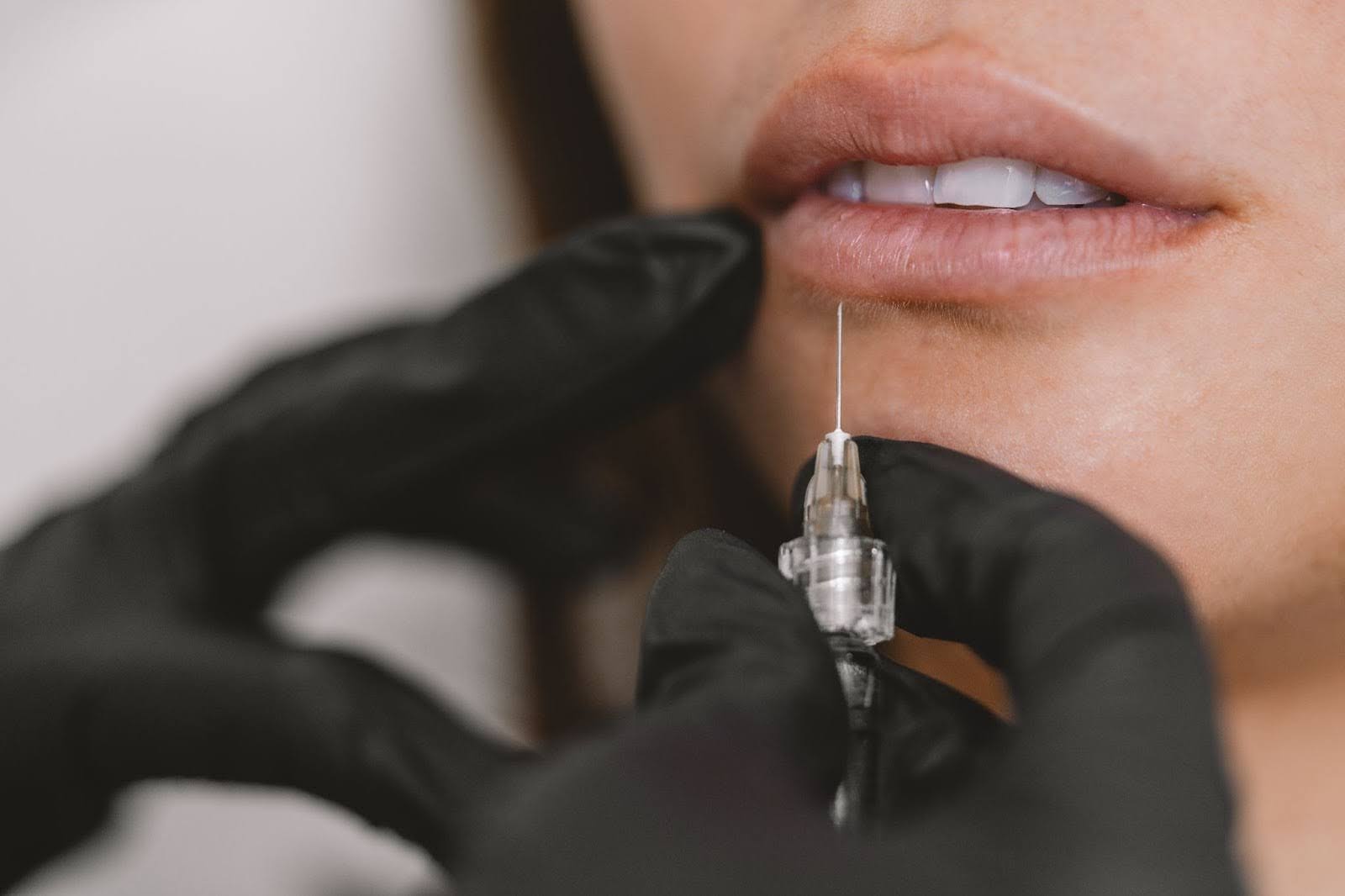
Collagen fillers once represented the standard for lip augmentation. Their early popularity shaped modern cosmetic injectables. However, newer technologies gradually replaced them. Understanding their role explains current preferences and advancements.
Collagen fillers originated from animal or synthetic sources. Providers used them to smooth lines and add volume. Results appeared quickly but faded more quickly than those with newer fillers. Allergy testing was often required before treatment. These limitations reduced convenience for patients. Demand declined as alternatives improved.
Collagen breaks down more quickly in the body. Frequent maintenance discouraged long-term use. Hyaluronic acid offered longer-lasting hydration benefits. Allergy risks also influenced declining popularity. Providers favored materials with greater predictability. Today, collagen fillers remain rare in lip treatments.
Calcium hydroxylapatite fillers serve a different cosmetic purpose. Their composition supports firmness rather than softness. While effective elsewhere on the face, lips require careful consideration. These fillers demand advanced expertise when used near delicate tissues.
These fillers contain microscopic calcium particles suspended in gel. Once injected, they stimulate collagen production. The gel eventually absorbs, leaving behind structural support. This process suits deeper facial areas needing firmness. Lips, however, move constantly and require flexibility. Stiffness risks make careful selection essential.
Providers rarely choose calcium-based fillers for lips. The thickness may reduce natural movement. Incorrect placement can cause visible irregularities. Only experienced practitioners consider them for select cases. Most patients achieve better outcomes with softer fillers. Safety considerations guide conservative use.
Poly-L-lactic acid fillers function through collagen stimulation. They differ from traditional fillers that add immediate volume. Results develop gradually over time. Lips are seldom treated with these fillers due to their unique behavior.
These fillers trigger the body’s collagen response. Volume increases slowly as collagen forms. Changes appear over weeks rather than days. This gradual approach is suitable for larger facial areas. Lips require immediate softness and precision. Delayed results complicate lip shaping.
Lips demand controlled, visible outcomes. Poly-L-lactic acid lacks immediate shaping ability. Texture inconsistencies may develop with movement. Providers avoid unnecessary risks in sensitive areas. Alternative fillers provide better control. Patient expectations guide filler selection.
Permanent fillers attract attention for their lasting results. However, permanence introduces complex considerations. Many providers approach these options cautiously. Understanding the concerns helps patients avoid regret.
Permanent fillers often contain synthetic substances, such as silicone. These materials remain indefinitely within tissues. Initial results appear appealing. Over time, changes in facial structure affect appearance. Adjustments become difficult once injected. Longevity demands careful evaluation.

Permanent fillers may migrate or harden over time. Corrective procedures often require surgery. Infections are more likely with non-absorbable materials. Dissolving options remain unavailable. Many providers discourage their use on the lips. Temporary fillers offer safer flexibility.
Lip fillers do not remain static once injected, especially in an area as active as the mouth. Lips move constantly during speech, eating, smiling, and in unconscious habits such as lip-pressing. This repeated motion affects how fillers settle, soften, and distribute over time. Understanding this behavior helps patients form realistic expectations beyond initial results.
Lips flex thousands of times per day through normal expression and function. Softer fillers tend to adapt more naturally to this movement. Firmer fillers may resist motion and feel noticeable during speech. Over time, movement encourages fillers to integrate with the surrounding tissue. This integration often improves softness and natural appearance. Clinical follow-ups show that movement-friendly fillers maintain comfort longer.
Texture influences how fillers respond to repeated motion. Smooth, cohesive fillers move with the lips rather than against them. Poor texture selection can lead to stiffness or an uneven feel. Patients often notice this difference weeks after treatment. Providers consider movement patterns when selecting products. This approach reduces dissatisfaction unrelated to appearance.
Selecting a filler involves more than choosing a product. Facial structure, lifestyle, and expectations influence outcomes. Professional assessment supports better decisions. Personalized planning reduces disappointment.
Lip anatomy varies widely between individuals. Aging affects elasticity and volume distribution. Skin thickness influences filler behavior. Providers assess these factors before recommending options. Tailored approaches improve harmony. Results appear balanced rather than artificial.
Some people prefer subtle enhancement. Others seek noticeable definition. Maintenance frequency differs between filler types. Lifestyle considerations influence long-term satisfaction. Honest discussions clarify achievable results. Clear goals support realistic outcomes.
Experienced providers guide filler selection safely. They explain risks without exaggeration. Proper technique protects vascular structures. Consultations align expectations with medical reality. Trust supports better experiences. Professional insight outweighs online trends.
The lips contain a dense and complex network of blood vessels. This anatomy makes filler selection and technique especially important. Certain fillers perform better in vascular-rich areas. Understanding this factor explains why experienced providers prefer specific lip materials.
Blood vessels in the lips sit close to the surface. Thicker fillers require deeper placement, which increases risk in this area. Softer fillers spread more evenly around vessels. This behavior lowers pressure on surrounding structures. Providers account for this during treatment planning. Safety protocols rely heavily on anatomical knowledge.
Reversible fillers provide an added safety layer in vascular areas. If circulation concerns arise, providers can respond quickly. This option supports conservative decision-making. Many clinics base their lip protocols solely on reversibility. This practice reflects training standards across reputable institutions. Patients benefit from this built-in flexibility.
Lip filler results vary based on environmental and lifestyle factors. Hydration levels influence how fillers appear and feel. Climate conditions also affect longevity and texture. These variables explain why results differ between individuals.
Hyaluronic acid fillers attract water within the body. Dehydration reduces their plumping effect. Patients who drink little water may notice fluctuations in volume. This change does not indicate filler failure. Proper hydration supports smoother results. Clinics often discuss this factor during follow-up visits.
Dry climates increase moisture loss from the lips. Frequent travel exposes lips to changing conditions. Sun exposure also affects lip tissue health. These factors influence filler performance over time. Providers consider regional patterns when advising patients. Long-term satisfaction improves with lifestyle awareness.
Knowing the different types of lip fillers reshapes treatment decisions. Knowledge replaces guesswork and helps align expectations with realistic outcomes. Patients who understand material differences, behavior over time, and safety considerations approach consultations with confidence. That awareness leads to conversations grounded in purpose, precision, and results that feel intentional rather than rushed.
Discover thoughtful perspectives on cosmetic care by reading more on the Naples Laser & Skin Aesthetics blog, where expertise meets clarity.
%402x.svg)