.png)
.png)
Psoriasis often causes physical discomfort and emotional stress, affecting everyday routines. Many people deal with itching, redness, and thick plaques that appear without warning. The search for an effective psoriasis treatment can feel confusing because options vary widely. Dermatologists now offer several therapies that target symptoms and the immune response behind the disease. Understanding available psoriasis treatment methods helps patients make informed decisions about their skin health.
Psoriasis describes a chronic immune-related skin condition that speeds up skin cell production. Skin cells accumulate rapidly, forming thick plaques with visible scaling. Dermatologists often diagnose psoriasis through visual examination and a review of medical history. Understanding this condition helps patients choose a psoriasis treatment that matches their symptoms and skin type.
Psoriasis begins when immune signals push skin cells to grow faster than normal. Healthy skin renews itself every few weeks, but psoriasis dramatically shortens this cycle. Rapid turnover causes cells to accumulate on the surface, where they naturally shed. These extra cells create thick plaques that often appear red and inflamed. Many people notice itching, dryness, or cracking in affected areas. Dermatology research from organizations like the American Academy of Dermatology confirms this immune-driven process.
Psoriasis symptoms usually appear as raised patches with silvery scales. These plaques often develop on the elbows, knees, scalp, or lower back. Some patients experience itching that interferes with sleep and daily comfort. Nails may thicken or show small pits as the condition progresses. Joint swelling sometimes occurs in people who develop psoriatic arthritis. Doctors use these visible symptoms to guide the selection of an appropriate psoriasis treatment plan.
Doctors evaluate several factors before recommending psoriasis treatment options. Severity remains one of the strongest influences on therapy decisions. Location also matters, as sensitive areas require milder medications. Age, medical history, and lifestyle habits can shape treatment responses. Dermatologists also review how the skin reacted to previous therapies. Personalized treatment plans often produce better symptom control and long-term stability.
Topical psoriasis treatment refers to medications applied directly to affected skin. Doctors commonly prescribe these therapies for mild or localized psoriasis. These medications reduce inflammation and slow the growth of excess skin cells. Many dermatology clinics begin treatment plans with topical options before moving to stronger therapies.
Corticosteroid creams reduce inflammation and redness during psoriasis flare-ups. Dermatologists prescribe different strengths based on plaque thickness and location. Mild formulas treat delicate skin areas such as the face or groin. Stronger creams target thicker plaques on elbows, knees, or scalp. These medications calm immune activity in the skin layers. Doctors usually monitor long-term use because very strong steroids may thin the skin.
Vitamin D analogues regulate the growth of skin cells affected by psoriasis. Dermatologists often prescribe calcipotriene or related medications for plaque psoriasis. These creams gradually reduce scaling and plaque thickness. Doctors frequently combine them with corticosteroids to improve results. Combination therapy balances inflammation control and skin cell regulation. Consistent use often supports steady improvement during psoriasis treatment.
Coal tar products remain a long-standing treatment for scalp and skin plaques in psoriasis. This ingredient slows skin cell production and helps reduce itching. Many medicated shampoos contain coal tar for scalp psoriasis relief. Patients often apply these products several times each week. Although the scent may feel strong, the treatment often calms irritated skin. Dermatologists sometimes recommend coal tar for patients who need simple, long-term plaque management.
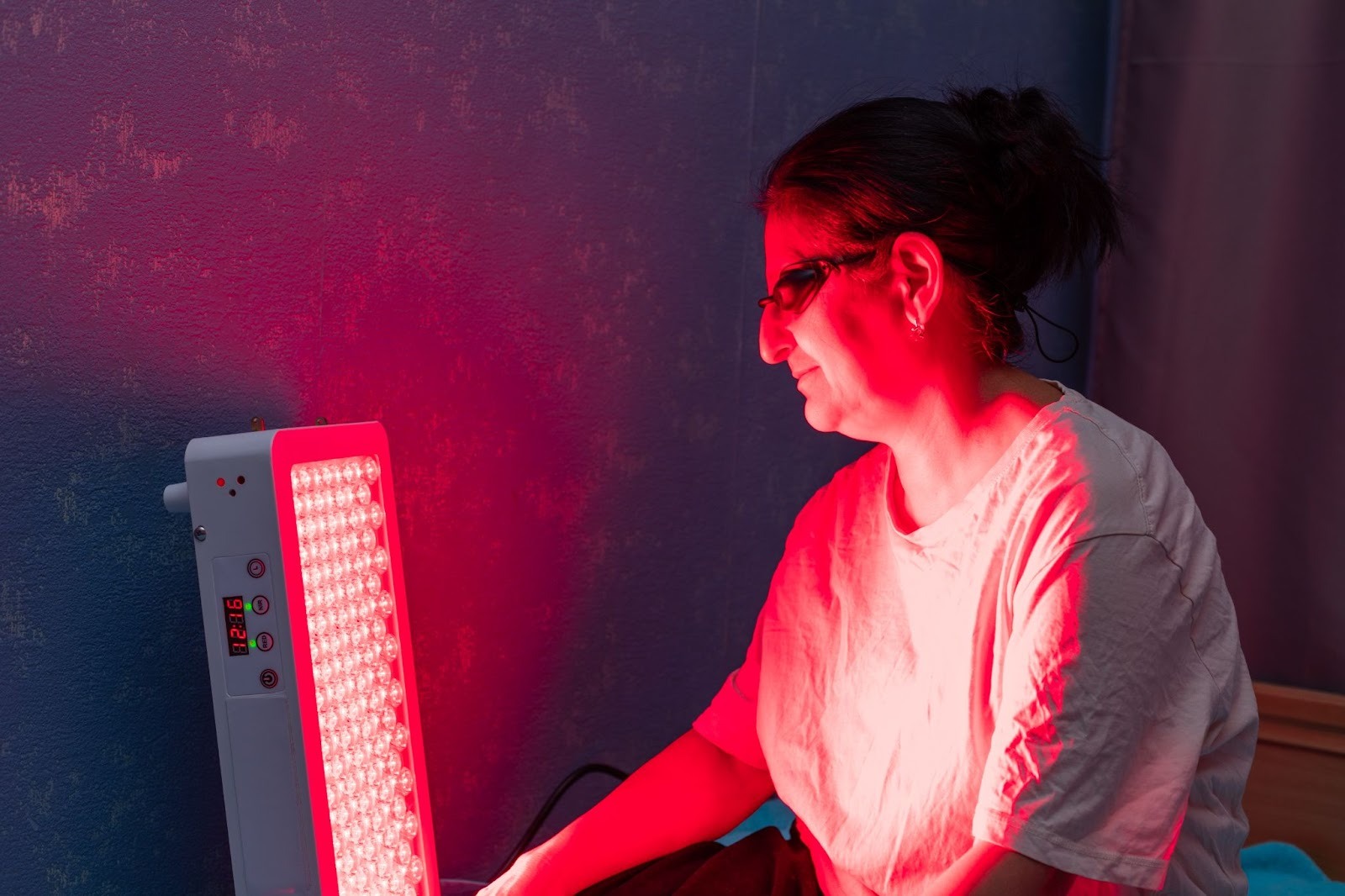
Light therapy uses controlled ultraviolet exposure to treat psoriasis plaques. Dermatologists supervise this therapy in clinics or specialized treatment centers. Ultraviolet light slows the excessive growth of skin cells. Many patients consider phototherapy when topical psoriasis treatment alone does not provide enough relief.
UVB phototherapy exposes affected skin to measured ultraviolet B light. This light slows the rapid production of skin cells and reduces inflammation. Dermatologists usually schedule treatments two or three times each week. Patients often notice flatter plaques after several weeks of consistent therapy. Doctors carefully adjust exposure time to protect the skin. Clinical data from dermatology centers show strong improvement rates with this psoriasis treatment.
Some patients continue therapy with dermatologist-approved home phototherapy units. These devices deliver controlled UVB exposure in smaller doses. Dermatologists train patients before they begin home treatment. This guidance helps patients avoid burns or uneven exposure. Consistent schedules often produce the best results. Home phototherapy supports ongoing psoriasis treatment for patients who require frequent sessions.
PUVA therapy combines ultraviolet A light with a medication called psoralen. This medication increases the skin's sensitivity to light exposure. Doctors often recommend this therapy for thicker or stubborn plaques. Patients take psoralen before receiving controlled UVA light sessions. Over time, plaques often shrink, and inflammation decreases. Dermatologists closely monitor this psoriasis treatment because light exposure must be carefully controlled.
Systemic psoriasis treatment refers to medications that affect the entire body. Doctors often prescribe these therapies for moderate or severe psoriasis. These medications target immune responses that drive inflammation. Dermatologists use systemic therapy when plaques spread across larger areas of the skin.
Several oral medications modulate immune activity in psoriasis. Methotrexate remains one of the most widely prescribed treatments. This medication slows immune cell activity that triggers plaque formation. Cyclosporine may control severe flare-ups more quickly. Another option, acitretin, helps regulate skin cell growth and scaling. Doctors monitor these medications carefully through regular health tests.
Biologic medications represent a modern approach to psoriasis treatment. These drugs target specific immune signals responsible for inflammation. Doctors usually administer biologics by injection or intravenous infusion. Many patients notice visible improvement within several months. Dermatologists often recommend biologics for moderate-to-severe psoriasis. Research from major dermatology organizations supports their effectiveness in long-term disease control.

Combination therapy uses multiple treatments to improve psoriasis outcomes. Dermatologists may combine topical creams with light therapy. Some patients also use biologics in addition to topical medications. This treatment strategy targets inflammation through several pathways. Doctors adjust therapy combinations based on patient progress. Personalized plans often lead to stronger psoriasis treatment results.
Psoriasis affects more than the skin because chronic inflammation can influence other body systems. Medical research shows connections between psoriasis and several internal health conditions. Doctors often evaluate overall health when managing moderate or severe psoriasis. Understanding these broader health effects helps patients approach psoriasis treatment more proactively.
The immune activity that drives psoriasis can extend beyond the skin surface. Chronic inflammation may affect blood vessels and other tissues throughout the body. Dermatology studies link psoriasis with higher rates of cardiovascular concerns. These findings explain why doctors sometimes monitor blood pressure and cholesterol levels. Patients benefit from understanding this broader inflammatory pattern. Comprehensive psoriasis treatment often considers both skin symptoms and overall health.
Research has also connected psoriasis with metabolic conditions such as obesity and insulin resistance. Persistent inflammation can influence how the body processes energy and nutrients. Some patients experience improvements in symptoms after improving their metabolic health. Balanced nutrition and physical activity may support treatment outcomes. Doctors sometimes collaborate with other specialists to address these health factors. This whole-body approach strengthens long-term psoriasis treatment strategies.
Dermatologists often evaluate general health when treating moderate or severe psoriasis. This medical evaluation may include reviewing lifestyle habits and family history. Doctors sometimes recommend routine screenings for cardiovascular or metabolic markers. Early detection helps patients manage risks before complications develop. Coordinated care between healthcare providers supports better health outcomes. A comprehensive psoriasis treatment plan often considers both skin health and internal wellness.
Healthy daily habits can improve the results of medical psoriasis treatment. Skin care routines and lifestyle choices influence inflammation levels. Doctors often recommend supportive habits alongside medical therapy. These daily adjustments help patients maintain stable skin health.
Diet influences the body's inflammatory response in several ways. Many dermatologists recommend meals rich in vegetables, fruits, and healthy fats. Omega-3 fatty acids from fish may support skin health. Patients often reduce their intake of processed foods and refined sugar. Maintaining a healthy weight can help reduce flare frequency. Nutrition choices often enhance long-term success in psoriasis treatment.
Stress often triggers psoriasis flare-ups in many patients. Emotional strain may increase immune system inflammation. Relaxation practices can help stabilize the body during stressful periods. Meditation, breathing exercises, and regular exercise often help reduce tension. Adequate sleep also supports immune balance and skin recovery. These habits help psoriasis treatment plans work more effectively.
Daily moisturizing helps protect the skin barrier and reduce dryness. Thick creams help prevent cracking and irritation. Hydrated skin often feels less itchy and uncomfortable. Dermatologists often recommend fragrance-free moisturizers for sensitive skin. Gentle bathing routines can also soothe irritated plaques. Consistent skin care supports long-term comfort in psoriasis treatment.
Choosing the right psoriasis treatment requires careful medical guidance and patience. Dermatologists evaluate symptom patterns and medical history before recommending therapy. Each patient responds differently to available treatments. Finding the best psoriasis treatment often involves gradual adjustments over time.
Dermatologists classify psoriasis as mild, moderate, or severe. Mild cases often respond well to topical psoriasis treatment. Moderate psoriasis may require phototherapy or combination care. Severe cases sometimes require systemic medications or biologic therapy. Doctors evaluate plaque coverage, thickness, and symptom intensity. These factors guide treatment selection for long-term skin control.
Dermatologists monitor the progress of psoriasis treatment through regular appointments. Patients often track flare triggers and medication results. This patient information helps doctors refine therapy strategies. Doctors may adjust medication strength or treatment frequency. Some patients switch therapies when plaques stop responding to treatment. Continuous medical guidance supports stable psoriasis treatment management.
Effective psoriasis treatment depends on accurate diagnosis and personalized care. Dermatology research continues to introduce new therapies for better symptom control. Patients who seek professional guidance often experience improved comfort and skin health. Modern medicine now offers several treatment paths for managing psoriasis. Speaking with a qualified dermatologist can help patients choose a psoriasis treatment plan that supports long-term skin stability.
Want to understand your skin better? Visit the Naples Laser & Skin Aesthetics blog for expert insights on psoriasis treatment and advanced skincare solutions.
%402x.svg)