.png)
.png)
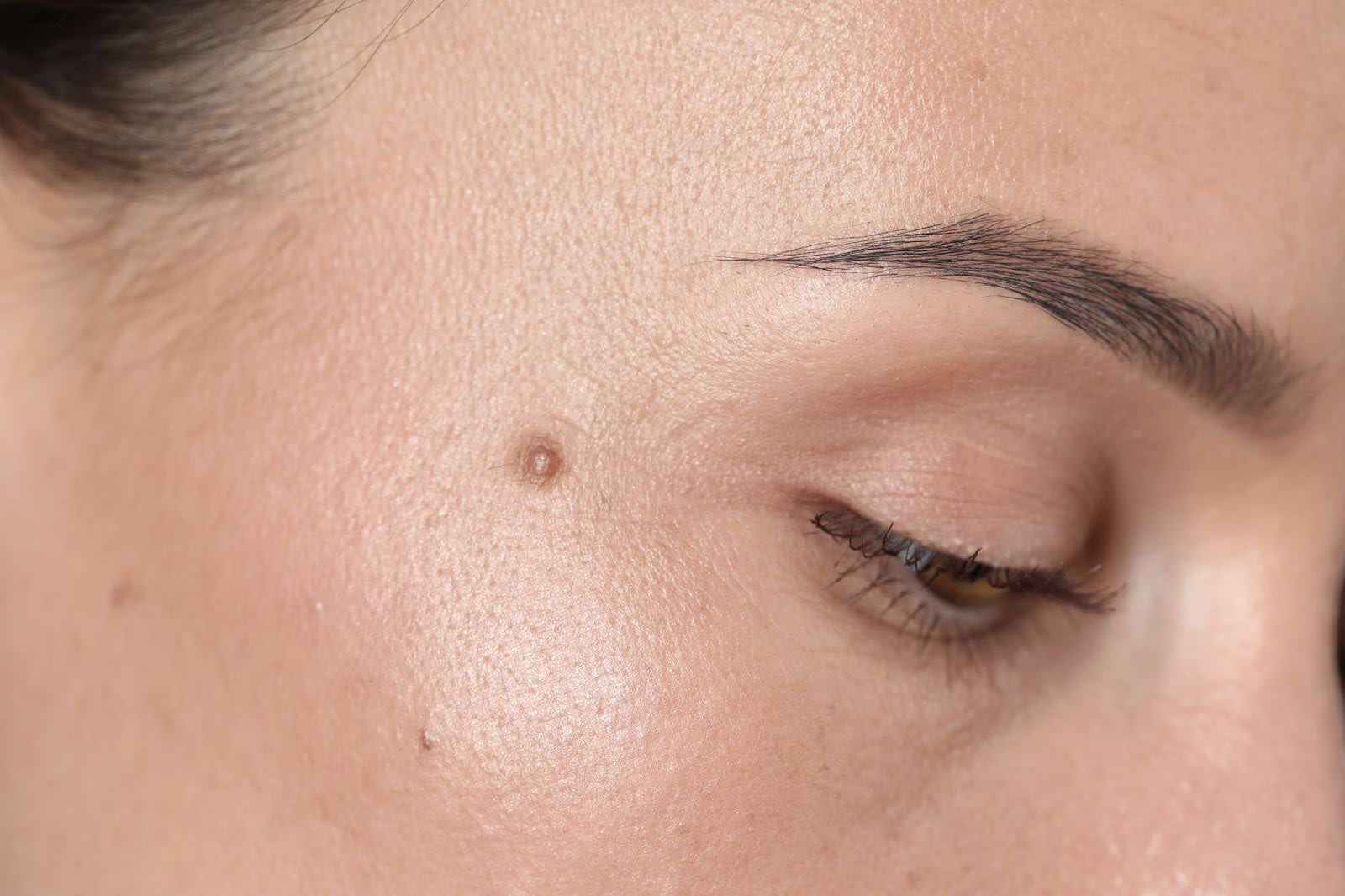
Many people consider mole removal when a spot starts to bother them or affects their comfort. Concerns can range from skin changes to cosmetic goals that help them feel at ease. Treatment costs matter because people want safe and reliable care without surprises. They want honest answers that help them make grounded choices. Clear guidance builds confidence long before they walk into the clinic.
Mole removal addresses skin growths that cause discomfort or worry. It also helps people refine their appearance by achieving smoother, clearer skin. Skincare specialists review each mole to decide if it may need testing or simple removal. Patients value direct guidance that explains the purpose behind each method.
Medical mole removal centers on moles that show unusual traits. Specialists look for changes in size, border, or color during a skin check. They explain these warning signs in simple language to avoid confusion. Suspicious cases often require pathology testing to study the tissue. This testing confirms whether the mole needs more care. These steps help patients protect their long-term skin health.
Cosmetic mole removal focuses on improving appearance without medical concern. People often choose it to achieve a smoother facial appearance or a more balanced skin tone. Providers use gentle methods to reduce visible marks after treatment. Cosmetic cases rarely require lab testing, which keeps fees lower. The process moves quickly and supports fast recovery. Patients appreciate predictable results and simple explanations.
Mole removal costs depend on several conditions that shape the treatment plan. The mole’s depth, size, and features guide the chosen method. Clinic location and provider experience also influence pricing. Patients benefit from knowing how each factor affects their total expense.
Different moles require different levels of care. Deeper moles take longer to remove and require precise work. Raised or uneven moles may require layered techniques to reach full depth. Some moles also need diagnostic testing to rule out concerns. These details often increase costs by adding steps to the process. Patients gain clarity when clinics explain the reasons behind each fee.
The treatment method often shapes the base cost of removal. Shave removal works well for raised moles and keeps pricing lower. Laser removal helps with pigment-focused concerns and offers a precise finish. Surgical excision targets deep or irregular growths and needs sutures. Each method uses different tools and skill levels, which shifts the fee structure. Providers help patients choose the method that meets safety and appearance goals.
Well-trained skincare providers often charge higher rates due to their advanced skills and reliable results. Urban clinics may also set higher fees due to increased overhead. Smaller towns sometimes offer more affordable pricing while still providing trusted care. Patients balance cost with comfort, skill, and access. Providers explain the value of accurate removal and minimal scarring to help patients choose a clinic that fits their expectations.
Some moles require testing to check for abnormal cells. Pathology services review the tissue under a microscope to provide a precise diagnosis. These tests raise the total cost but add important medical insight. Clinics share these fees during the consultation, so patients know what to expect. Testing may influence follow-up visits or further assessment. Patients appreciate honest and upfront information.

Consultation lays the foundation for safe, informed mole removal. Providers examine the mole closely and discuss any changes the patient noticed. They describe treatment options and share cost details with complete transparency. Patients leave with a clear path forward that matches their needs.
Doctors study the mole’s shape, color, and border during the assessment. They ask questions about irritation, bleeding, and recent changes. These details help them identify potential medical concerns. A mole that looks unusual may need a biopsy or further analysis. Providers also explain how each method works in simple terms. Patients receive direct answers that guide their next steps.
Clinics provide a complete cost outline during the consultation. Cosmetic removals follow a fixed fee structure, while medical removals may include lab fees. Providers also explain healing time and scar management. Patients can compare costs across several methods. This comparison helps them choose the best option for their goals. Transparent pricing prevents confusion later.
Doctors share simple preparation steps to protect the treated area. Patients may need to avoid harsh skin products before the visit. Some people also reduce sun exposure to support healing. Providers explain these steps with easy directions. These instructions help patients avoid irritation and discomfort. A prepared patient feels more confident and comfortable.
Mole removal costs vary based on method and complexity. Simple removals fall within a lower range that remains steady across clinics. Complex cases cost more due to added medical steps and deeper work. Patients gain confidence when they understand what shapes these price ranges.
The general cost range for mole removal is $150 to $750, depending on the method, mole type, and clinic expertise. Simple cosmetic removals sit near the lower end, while deeper or medically evaluated moles rise toward the higher end. These numbers serve as a broad guide based on current industry averages. Actual pricing may vary or shift over time based on provider skill, diagnostic needs, and local clinic rates.
Deep or unusual moles require surgical excision. This process includes numbing, removal, and sutures to close the skin. Pathology testing adds another cost level because specialists study the tissue. Follow-up visits may also be needed to check healing. These combined steps raise the final price. Patients value accurate diagnosis and safe removal in these situations.
Mole removal includes small extra costs beyond the procedure itself. Aftercare supplies help protect healing skin and reduce irritation. Some patients also return for follow-up visits. Planning for these costs reduces stress and supports smoother recovery.
Ointments protect the treated area during healing. Silicone gels reduce the visibility of scars during recovery. Patients also need gentle cleansers and small bandages. Most products last several weeks and cost only moderate amounts. Providers recommend specific brands that match skin type and healing needs. These supplies support clean and comfortable recovery.
Follow-up visits help doctors track healing progress. Some clinics include the first visit in the main procedure fee. Others charge a small separate fee for each appointment. Providers check for swelling, redness, or irritation. Suture removal may occur during these visits for excision cases. Patients feel reassured with ongoing medical support.
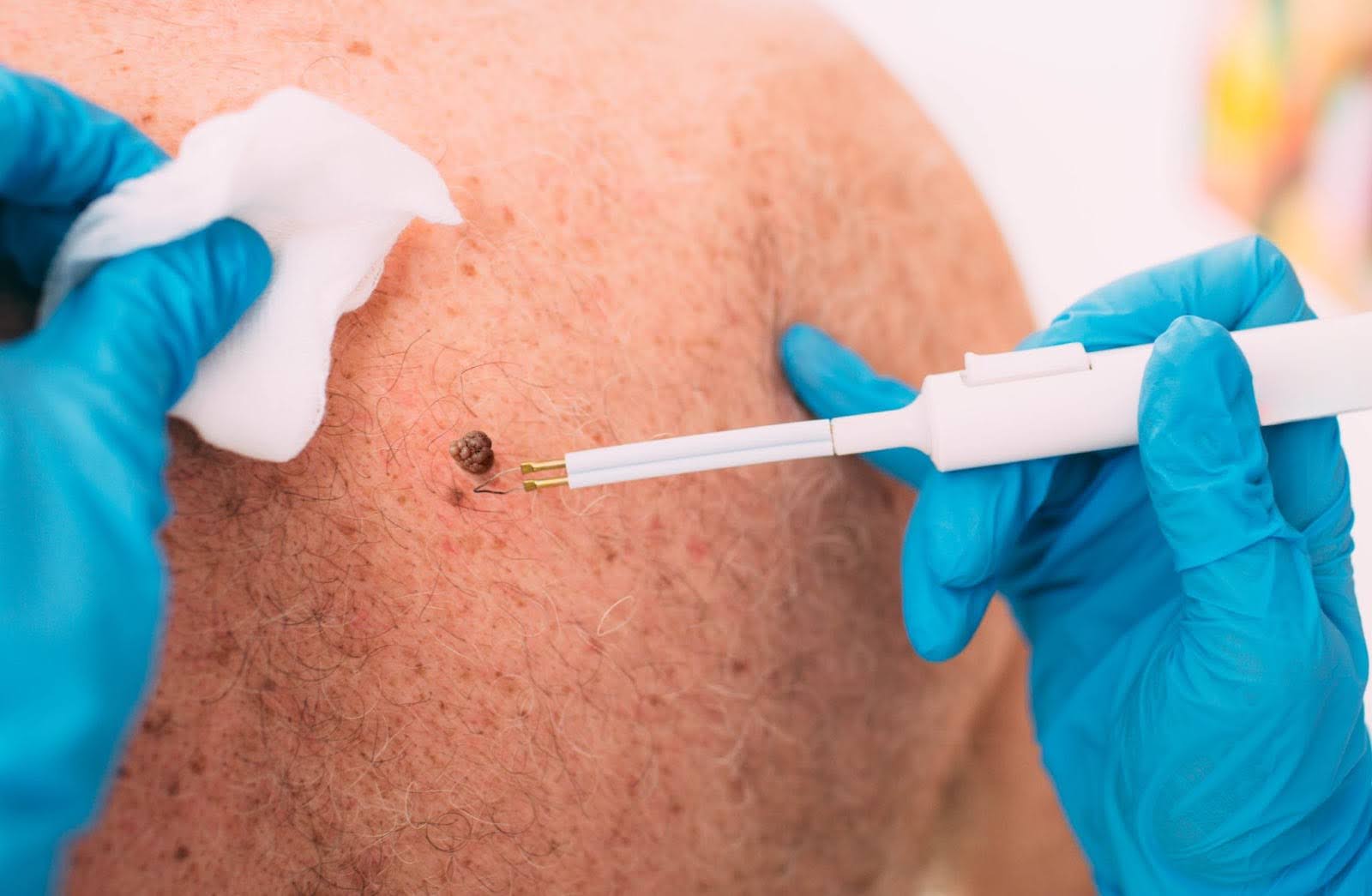
Diagnostic testing studies suspicious cells under a microscope. Pathology experts give a full written report on the mole’s condition. Their findings help doctors plan any next steps if needed. Testing adds to the total cost but provides medical certainty. Clinics share this fee before the procedure or biopsy. Many patients value this clarity for peace of mind.
Insurance coverage depends on the medical need behind the removal. Cosmetic removals do not qualify for support. Medical removals related to concerning signs may be partially or fully covered. Patients benefit from asking their provider for documentation.
Moles that bleed, itch, or grow quickly often meet medical criteria. Specialists record these findings for insurance review. Pathology testing also strengthens medical claims. Insurers may approve the procedure and testing based on documented symptoms. Patients still handle co-pays or deductibles, depending on their plan. The approval process varies by provider and insurance company.
Cosmetic removals focus solely on appearance, with no medical concerns. Insurance teams label these procedures as elective. Patients cover the full cost without insurance support. Clinics share a clear and simple quote before scheduling. Cosmetic removals often require less aftercare and fewer visits. These cases stay predictable and simple for patients.
Preparation helps patients stay comfortable with their financial and treatment choices. They can ask direct questions to better understand each option. Planning for aftercare products and follow-up visits avoids surprises. Confident preparation leads to smoother treatment experiences.
Patients should ask about the available methods, scarring expectations, and fees. They can also ask about healing time and activity restrictions. These questions help clarify every step of the process. Providers welcome open conversations to build trust and comfort. Patients gain confidence when they understand the reasoning behind each choice. Clear communication supports better treatment decisions.
Patients benefit from planning their schedules to promote smoother healing. Some people buy the needed supplies before their appointment. They also plan quiet time at home during the first days after removal. Gentle care protects the treated skin and improves comfort. Providers often give simple skin care instructions. Following these steps supports clean and steady healing.
A small budget plan helps patients stay relaxed during treatment. Comparing clinic prices gives them a clear idea of local rates. Some clinics offer package deals for multiple removals. Cosmetic patients often choose the method that aligns with their budget. Medical cases may cost more due to testing. Knowing cost ranges helps reduce stress and build confidence.
Choosing the right mole removal plan can give you clarity and peace of mind. A quick consultation can help you sort out concerns and find a method that fits your needs. Skilled providers offer guidance that keeps the process simple and focused on results. Reach out to a trusted clinic and take the first step toward healthier, clearer skin.
Explore deeper insights and practical skin guidance by visiting the Naples Laser & Skin Aesthetics blog for trusted expertise you can rely on.
%402x.svg)