.png)
.png)
Microneedling has gained popularity as people look for ways to refresh their skin. The choice often comes down to two tools: microneedle pens and dermarollers. Both aim to improve scars, wrinkles, and uneven texture, but they work differently. The decision between them can shape your results and your skin’s health.
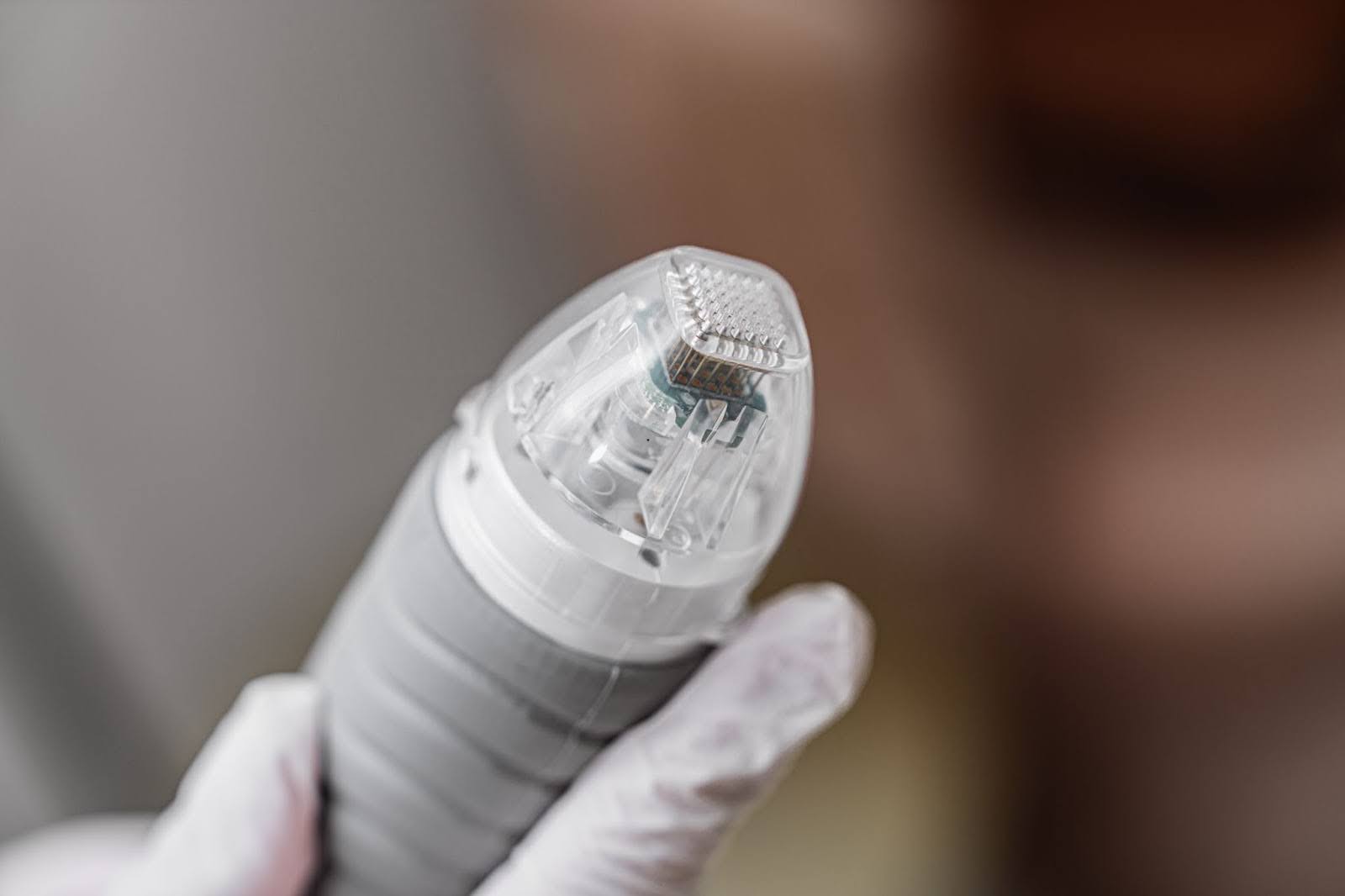
A microneedle device is a tool that uses fine, sterile needles to create tiny punctures in the skin. These punctures stimulate the body’s healing process and promote collagen production. Professionals use them in clinical treatments, but at-home versions are also available for careful use. Their precision makes them highly effective for people with specific skin concerns.
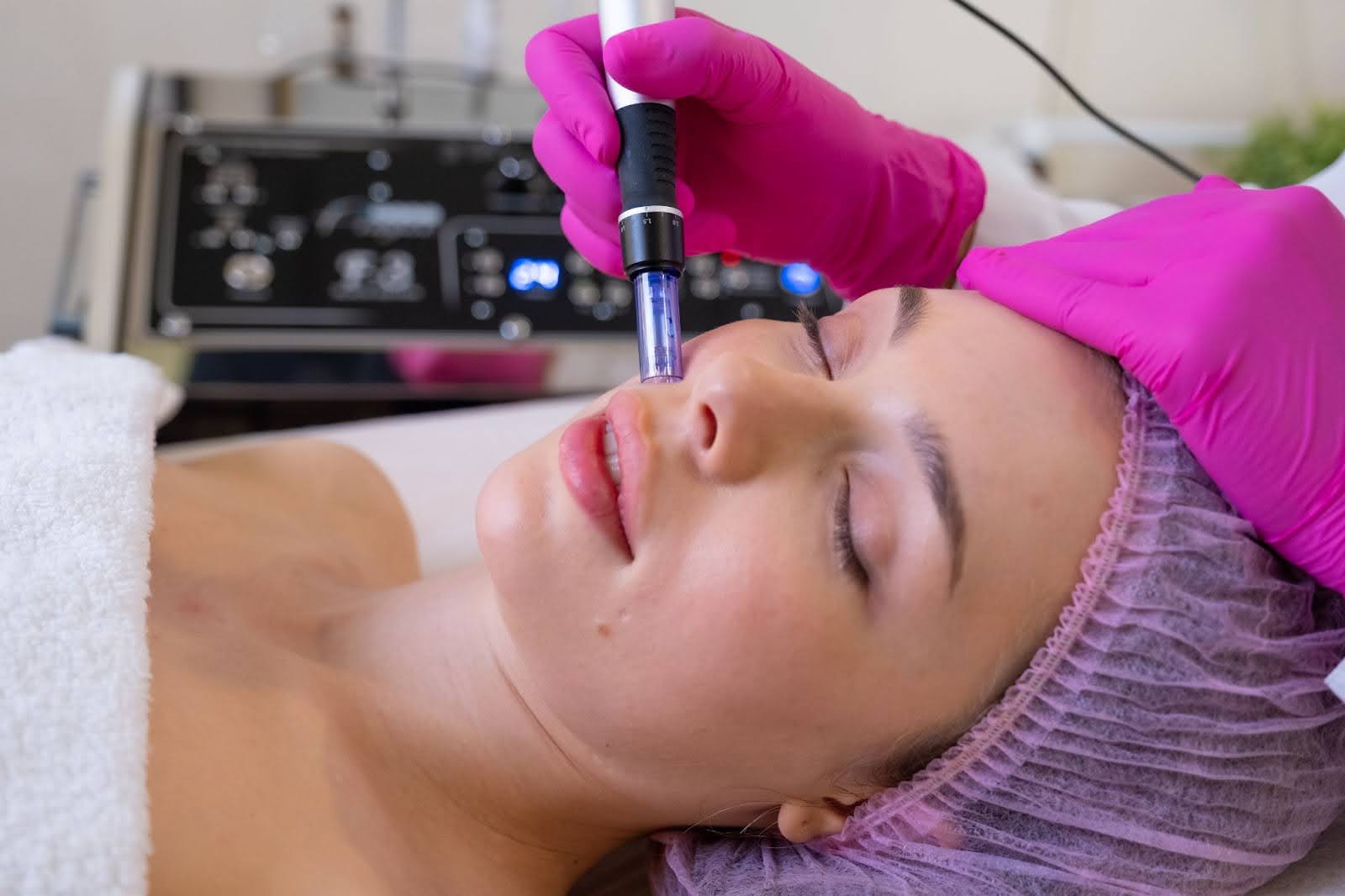
Microneedle pens work by puncturing the skin vertically with rapid, controlled movements. This vertical entry reduces tearing compared to angled approaches. The device often allows adjustments in needle depth, which helps target both shallow and deeper skin issues. For example, fine lines may require shorter needles, while scars require deeper penetration. The goal is to encourage natural healing and skin renewal without damaging surrounding tissue. With repeated use, microneedle devices can provide smoother, firmer, and healthier-looking skin.
Microneedling offers many skin benefits, making it a popular choice in professional skin clinics. The treatment stimulates collagen, which helps maintain firmness and elasticity. It also boosts the absorption of serums and creams, allowing active ingredients to penetrate deeper. People often see reductions in scars, smaller pores, and a smoother skin surface. Clinical results in 2024 confirm that microneedling helps with acne scars and fine lines. Over time, consistent treatments produce long-lasting changes in skin quality.
Microneedle devices are best for people with more advanced skin concerns, such as deep acne scars, uneven tone, or wrinkles. They are also effective for treating specific areas around the mouth or eyes. However, they may be unsafe for people with active skin infections, open wounds, or severe conditions like eczema. Professional consultation is recommended before starting treatments, especially with higher needle depths. It ensures safety and effectiveness while avoiding unnecessary damage. Microneedle pens deliver strong results with proper care for those cleared to use them.
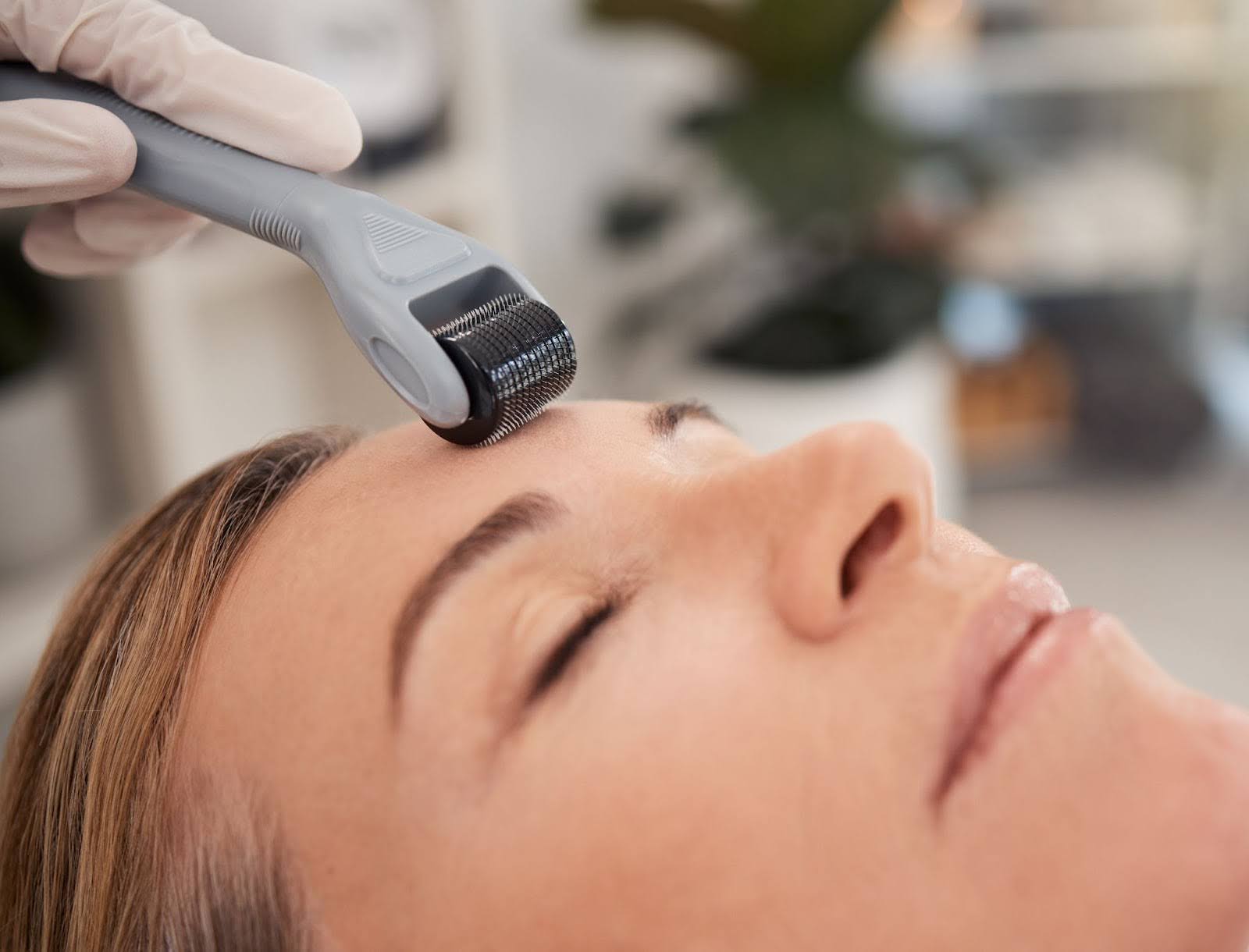
A dermaroller is a handheld roller covered in fine needles designed to roll across the skin. The rolling motion creates micro-injuries that stimulate the body’s healing response. Unlike microneedle pens, dermarollers do not allow for adjustable needle depth. They are often more affordable and commonly used at home for basic skincare goals.
Dermarollers create punctures by rolling angled needles across the skin’s surface. This rolling motion can sometimes cause dragging or surface tears if too much pressure is applied. Because the needle length is fixed, it cannot be tailored to different skin needs. Many people find them convenient for covering larger areas quickly. However, the angled approach may lead to more irritation than microneedle pens. While they stimulate healing, dermarollers provide gentler but less refined results.
Dermarollers are known for their accessibility and cost-effectiveness. They give users a chance to try microneedling without a high investment. Many use them for mild concerns like early wrinkles, uneven skin texture, or light scars. The rolling design makes covering larger skin sections easier, saving time. For beginners, dermarollers serve as an entry point into microneedling. While results are not as advanced as microneedle pens, they can still support noticeable skin improvement.
Dermarollers are most suitable for those new to microneedling or people with mild skin concerns. They work best for early signs of aging, light scarring, or uneven tone. They are also a good option for individuals who want a low-cost alternative before investing in professional care. However, they may not be ideal for people with very sensitive skin, as the rolling action can irritate. Using them requires careful hygiene to avoid infection risks. Dermarollers can be a practical starter tool for home use with proper handling.
The most significant difference between microneedle pens and dermarollers is how they puncture the skin. Microneedle pens use vertical motion for precision, while dermarollers use angled rolling. These methods affect comfort, safety, and results. Understanding each difference helps you decide which tool aligns with your skin goals.
Microneedle pens create straight channels in the skin that heal quickly and evenly. This vertical action minimizes unnecessary damage around the puncture site. Dermarollers insert needles at an angle, which may drag and tear tissue. This tearing can extend recovery time and increase irritation. The difference in entry points makes microneedle pens better for controlled and refined treatments. Dermarollers, while simpler, may not provide the same level of precision.
Microneedle pens allow users or professionals to adjust the depth. This flexibility allows different parts of the face to be treated according to their needs. Dermarollers do not offer this feature, limiting their ability to handle deeper concerns. Precision is also higher with pens, as each puncture is clean and direct. This control often makes pens the better choice for people with complex issues. Dermarollers, in contrast, are designed for simplicity rather than customization.
Microneedle pens usually feel less painful because of their vertical entry. The punctures are cleaner, and healing happens faster with fewer side effects. Dermarollers may cause more redness and irritation due to the dragging effect. Some users report more pain with rollers, especially on sensitive areas. Healing can also take longer compared to microneedle pens. Pens are generally preferred for those seeking a comfortable experience.
Professionals typically use microneedle pens in clinics because of their precision and safety features. They can achieve results that at-home users may not replicate. Dermarollers, however, are more common in home settings due to their low cost and ease of use. At-home users often choose dermarollers for convenience, despite the limitations. Both tools can technically be used at home, but pens require more training. The choice depends on whether you value professional-level outcomes or simple accessibility.
If used without care, both microneedle pens and dermarollers carry risks, including infection, irritation, and delayed healing. Following hygiene standards and proper aftercare reduces these risks. Safe use leads to better results and prevents lasting damage.
Microneedle pens can cause swelling, bruising, or minor bleeding if misused. Using the wrong needle depth increases the chance of worsening scars or uneven texture. Inadequate cleaning may lead to infections, especially if devices are reused. Overuse can inflame the skin and slow healing. Professional supervision lowers these risks and improves results. Safe practices make microneedle pens both effective and reliable.
Because of their rolling motion, dermarollers are more likely to scratch or tear skin. Pressing too hard increases irritation and discomfort. Dull or poorly made needles can heighten infection risks. Sharing a roller without sterilizing it also raises the chance of cross-contamination. Even though dermarollers are simpler to use, they still require strict hygiene. Without proper care, the risks may outweigh the benefits.
Aftercare starts with gentle cleansing to keep skin clean and calm. Hydrating products with soothing ingredients help reduce redness and irritation. Sunscreen is essential because treated skin becomes more sensitive to sunlight. Harsh products like acids or retinoids should be avoided during recovery. Light serums designed for post-treatment support can improve healing. Consistent aftercare ensures better comfort and results.
Cost often shapes the decision between microneedle pens and dermarollers. Pens are usually more expensive, while rollers remain affordable. Accessibility also differs, with rollers sold widely online and pens often restricted to clinics. Both tools require an investment, but long-term value varies.
Microneedle pens range from moderate to high prices depending on quality. Professional devices are the most expensive, while at-home pens cost less. Clinic treatments add additional fees and often require multiple visits. While costly, the results can justify the expense for deeper concerns. People looking for strong, precise outcomes usually accept the higher price. That makes microneedle pens a longer-term investment in skin health.
Dermarollers are typically inexpensive compared to microneedle pens. Many cost less than a professional session, making them attractive to first-time users. However, cheaper models may wear out quickly, requiring frequent replacement. Over time, these costs may add up without delivering advanced results. For those on a strict budget, dermarollers remain a practical starting option.
Long-term value depends on both results and maintenance. Microneedle pens generally provide stronger outcomes that last longer. Dermarollers require frequent use but deliver lighter changes. Over time, results from dermarollers may not meet expectations for deeper issues. Investing in pens often makes more sense for those committed to noticeable improvements. For lighter needs, however, dermarollers still provide value at a lower cost.
Choosing between these tools depends on your goals, budget, and tolerance for downtime. Microneedle pens excel in precision and deeper treatments, while dermarollers are simpler and more affordable. Both can contribute to better skin when used correctly. The right decision comes from aligning personal expectations with the tool’s strengths.
Microneedle pens are ideal for those with complex concerns like deep scars or advanced wrinkles. They provide controlled treatments and stronger results compared to rollers. People who are willing to invest in professional care often benefit the most. At-home users with experience also find pens more rewarding. However, pens demand more care and knowledge for safe use. Individuals seeking precision and lasting results are the better option.
Dermarollers are better suited for mild issues such as early wrinkles, light scars, or uneven texture. They appeal to beginners who want affordable access to microneedling. While results are gentler, they still provide visible improvements over time. Dermarollers require careful cleaning and consistent use to stay effective. People with sensitive skin should approach them with caution. For entry-level microneedling, dermarollers are a reasonable and practical choice.
Before buying, ask what skin concerns you want to address. Think about whether precision or coverage is more important to you. Consider how much downtime you can tolerate between treatments. Budget is also a key factor, especially if multiple sessions are required. Ask yourself whether professional treatment is an option or if at-home care fits better. These questions guide the decision and prevent wasted investment.
Skin improvements don’t happen by chance—they begin with the right tools and consistent care. Microneedling has already proven its ability to restore a smoother texture and healthier tone when chosen with purpose. Whether you start with a dermaroller or advance to a microneedle pen, every step brings you closer to visible change. Invest in your skin today, and let results speak louder than hesitation.
Find clarity in every choice for your skin—discover more articles at the Naples Laser & Skin Aesthetics blog.
%402x.svg)