.png)
.png)
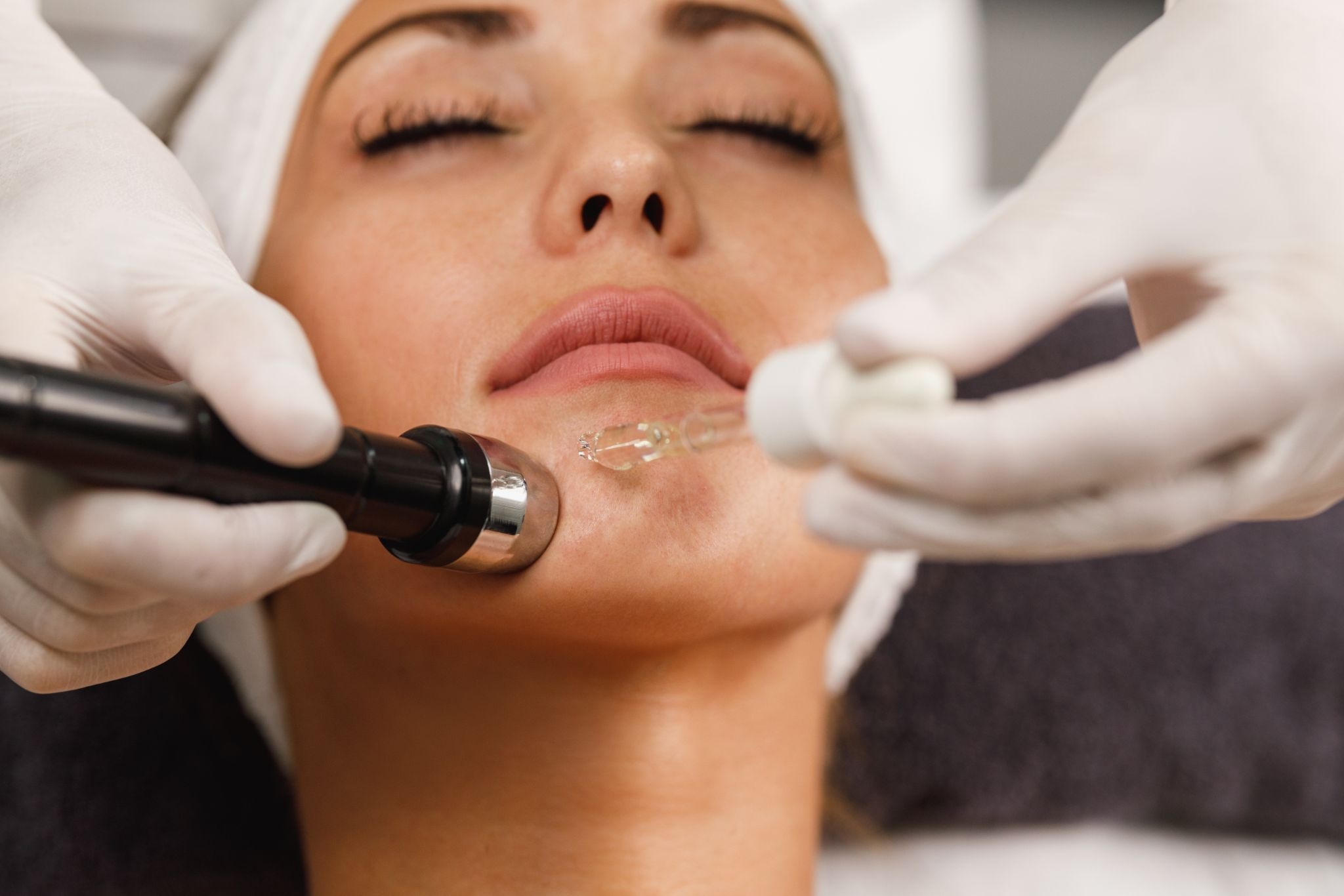
Skin concerns often develop gradually, then become more noticeable over time. Fine lines deepen, scars remain visible, and texture begins to feel uneven. Many people look for treatments that improve skin without surgery or extended downtime. Two popular options often appear during that search, each offering a different approach to skin renewal. Understanding how these facial treatments work helps you choose the one that aligns with your goals and comfort level.
Microchanneling and microneedling are collagen induction treatments that create controlled micro-injuries to trigger skin repair. These methods work beneath the surface instead of masking visible concerns with topical products. Both treatments support the natural production of collagen and elastin, which improves firmness and texture over time. However, their techniques and recovery profiles differ in ways that influence comfort, results, and suitability.
Microneedling is a procedure that uses fine needles to create tiny punctures in the skin. This process triggers a healing response that increases collagen and improves skin structure over time. Providers often use motorized pens or rollers with adjustable needle depth for different concerns. This treatment effectively targets acne scars, wrinkles, enlarged pores, and uneven tone. Based on clinical observations, deeper sessions may produce more visible improvement for textured skin. This method typically causes redness and mild swelling that fade within a few days.
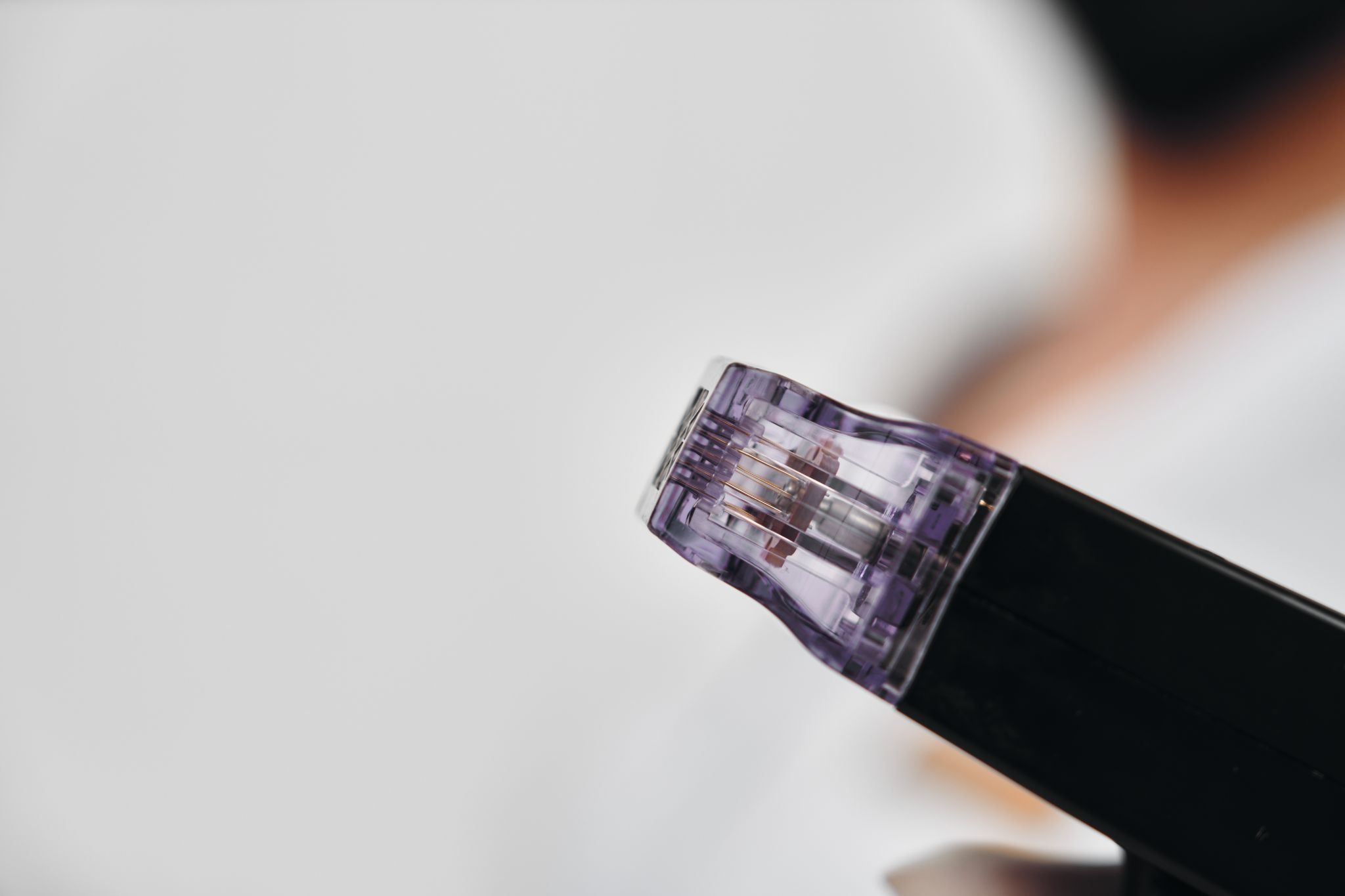
Microchanneling is a refined technique that creates uniform micro-channels using a stamping device. This method delivers needles vertically at consistent depths, reducing drag across the skin surface. The controlled application allows targeted serums to enter deeper layers during treatment. This approach improves hydration, brightness, and overall skin clarity with less irritation. According to recent clinic data, clients often report shorter recovery times compared to traditional microneedling. This treatment appeals to those seeking smoother results with minimal downtime.
Microchanneling and microneedling differ in technique, comfort, and recovery, even though both stimulate collagen. These differences affect how the skin responds during and after each session. Understanding these variations helps you match the treatment to your skin type and goals. A direct comparison highlights how each method delivers results in distinct ways.
Microneedling uses rolling or gliding devices that create micro-injuries across the skin. This movement may vary in pressure and angle during treatment, which affects consistency. Microchanneling uses a stamping device that delivers vertical channels with uniform spacing. This approach reduces unnecessary surface disruption and improves precision. This consistency allows providers to control treatment depth more accurately. As a result, microchanneling often produces a more even application across the skin.
Microneedling can feel more intense due to the dragging motion across sensitive areas. Providers often apply numbing cream to improve comfort during deeper sessions. Even with numbing, certain areas may feel more reactive than others. Microchanneling typically feels gentler because it uses a stamping motion instead of dragging. This design reduces friction and limits irritation during the procedure. This difference makes microchanneling more appealing for those with lower pain tolerance.
Microneedling usually causes redness that can last several days, depending on treatment depth. Some people also experience dryness or mild peeling during recovery. This healing phase varies based on skin sensitivity and aftercare practices. Microchanneling often results in shorter downtime with less visible irritation. Many clients return to normal routines within one to two days after treatment. This faster recovery makes it a convenient option for busy schedules.
Both treatments improve skin texture by stimulating collagen production beneath the surface. Microneedling can reach deeper layers, which helps address more pronounced scars and wrinkles. This depth often leads to stronger long-term remodeling of the skin structure. Microchanneling focuses on controlled, even treatment that supports gradual improvement. This approach produces a smoother texture and a refined tone with consistent sessions. Choosing between them depends on the severity of your skin concerns and desired results.
Microchanneling offers a controlled and gentle approach to skin rejuvenation with consistent results. This technique focuses on precision and reduced surface trauma during treatment. Many people prefer it because it balances effectiveness with comfort and convenience. These advantages make it a popular option in modern skincare clinics.
Microchanneling uses a stamping device that delivers uniform needle depth across the skin. This design reduces uneven penetration and supports predictable results after each session. This consistency helps minimize unnecessary irritation during the procedure. Providers can adjust settings with greater accuracy based on specific skin concerns. This level of control improves the overall quality of treatment outcomes. As a result, clients often notice smoother and more even skin texture.
Microchanneling allows active serums to penetrate deeper into the skin through the created channels. This delivery method enhances the effectiveness of ingredients such as hyaluronic acid and peptides. This process supports hydration, repair, and overall skin health more efficiently. Many clinics use specialized serums tailored to individual skin concerns. This targeted approach enhances the visible results after each session. Consequently, the skin appears brighter and more balanced over time.
Microchanneling involves less surface disruption, which leads to quicker recovery. This reduced irritation allows most people to resume daily activities within a short period. This benefit makes it suitable for those with demanding schedules or frequent commitments. Redness typically fades within a day, leaving minimal visible signs of treatment. This convenience encourages consistent sessions without long interruptions. Over time, regular treatments help maintain smoother and healthier skin.
Microneedling provides deeper skin correction for those dealing with more stubborn concerns. This treatment adapts to different skin conditions through adjustable needle depth. Many providers recommend it for long-term improvement in texture and firmness. Its versatility makes it a widely used option in professional skincare settings.
Microneedling treats a wide range of issues, including acne scars, wrinkles, and uneven tone. This adaptability allows providers to tailor treatments to individual needs. This flexibility supports both facial and body treatments for different concerns. It also works for stretch marks and certain pigmentation issues. According to dermatology studies, consistent sessions improve overall skin texture and clarity. This broad application makes microneedling suitable for diverse skin types.
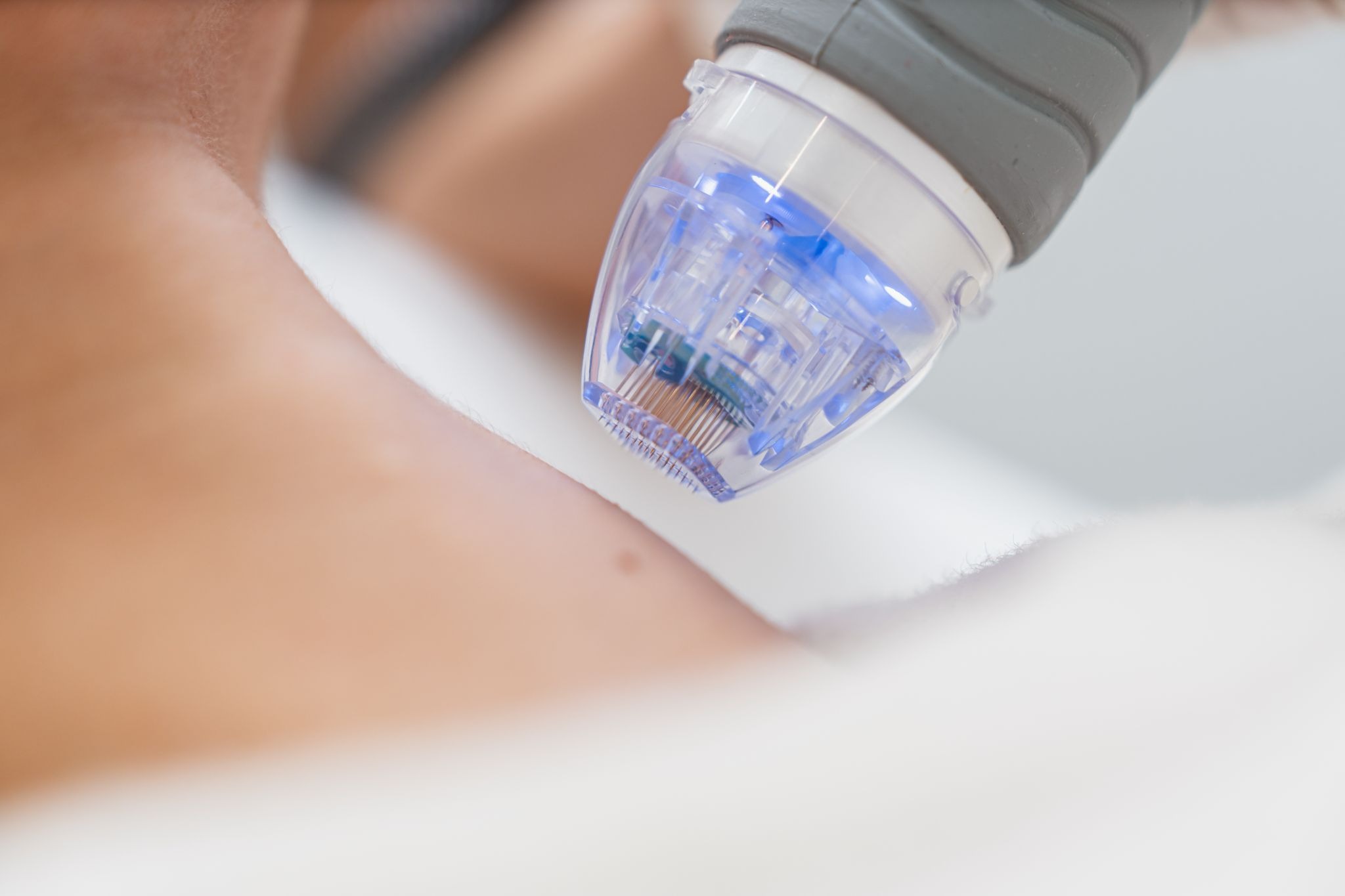
Microneedling reaches deeper layers of the skin, which stimulates a stronger collagen response. This process rebuilds skin structure over time and improves elasticity. This deeper stimulation helps reduce the appearance of scars and fine lines more effectively. Results develop gradually as the skin heals and regenerates after each session. Many clients notice firmer and smoother skin with continued treatments. This long-term improvement makes it a reliable option for deeper concerns.
Microneedling is widely available in clinics, med spas, and dermatology offices. This availability allows people to find services that match their budget and preferences. This flexibility makes it easier to begin and maintain a treatment plan. Pricing varies based on treatment depth, provider experience, and location. Some clinics offer packages that reduce overall costs for multiple sessions. This accessibility supports consistent care without major financial strain.
Choosing between microchanneling and microneedling depends on your skin type, goals, and tolerance. These factors influence how your skin responds to each treatment. A personalized approach helps avoid unnecessary discomfort and improves results. Professional guidance supports better decision-making based on your specific needs.
Sensitive skin often responds better to the gentler approach of microchanneling treatments. This reduced friction lowers the chance of irritation and prolonged redness. Resilient skin may tolerate deeper microneedling sessions more effectively. Understanding your skin's behavior helps narrow your options. This awareness reduces the risk of adverse reactions during treatment. Consulting a professional provides clarity before making a decision.
Clear goals help determine which treatment aligns with your desired results. Microchanneling suits those seeking subtle improvements in texture and hydration. Microneedling is more effective for deeper concerns, such as scars and pronounced wrinkles. Matching the treatment to your expectations improves satisfaction with results. This alignment also helps set realistic timelines for visible changes. A well-defined plan leads to a more positive treatment experience.
Professional providers offer expertise that improves both safety and effectiveness. This guidance includes selecting the right technique and adjusting treatment depth. Licensed practitioners follow strict hygiene standards during procedures. This approach reduces the risk of complications or infection. A consultation allows you to ask questions and address concerns before treatment. This preparation builds confidence and supports better outcomes.
Microchanneling and microneedling involve controlled skin injury and require proper care and awareness. These treatments remain safe when performed by trained professionals using sterile techniques. Understanding potential risks helps you prepare for the healing process. Proper aftercare reduces complications and supports optimal results.
Redness and mild swelling often appear after treatment and fade within a few days. This reaction is part of the skin's natural healing process. Some people experience dryness or light peeling during recovery. This response varies depending on skin sensitivity and treatment depth. Following aftercare instructions helps reduce discomfort and irritation. Monitoring your skin ensures any unusual reactions are addressed quickly.
Certain conditions may make these treatments unsuitable for some individuals. Active acne, infections, or open wounds require healing before treatment begins. This precaution helps prevent further irritation or complications. Pregnant individuals often postpone these procedures as a safety measure. Consulting a healthcare provider offers personalized guidance based on your health history. This step supports safer decision-making before starting treatment.
Aftercare plays a direct role in the skin's recovery after treatment. Gentle cleansing and proper hydration support the healing process effectively. This care helps maintain the results achieved during the session. Sun protection reduces the risk of pigmentation changes during recovery. Avoiding harsh products prevents additional irritation to the treated area. Consistent aftercare improves overall results and skin health.
Clear skin starts with a decision backed by knowledge, not guesswork or delay. Each option offers real benefits, but results depend on how well the treatment fits your skin and goals. A short consultation with a qualified provider can remove uncertainty and point you in the right direction. Taking that step with clarity brings you closer to healthier, more confident skin.
For deeper guidance and real treatment perspectives, visit the Naples Laser & Skin Aesthetics blog and explore your next step with confidence.
%402x.svg)