.png)
.png)
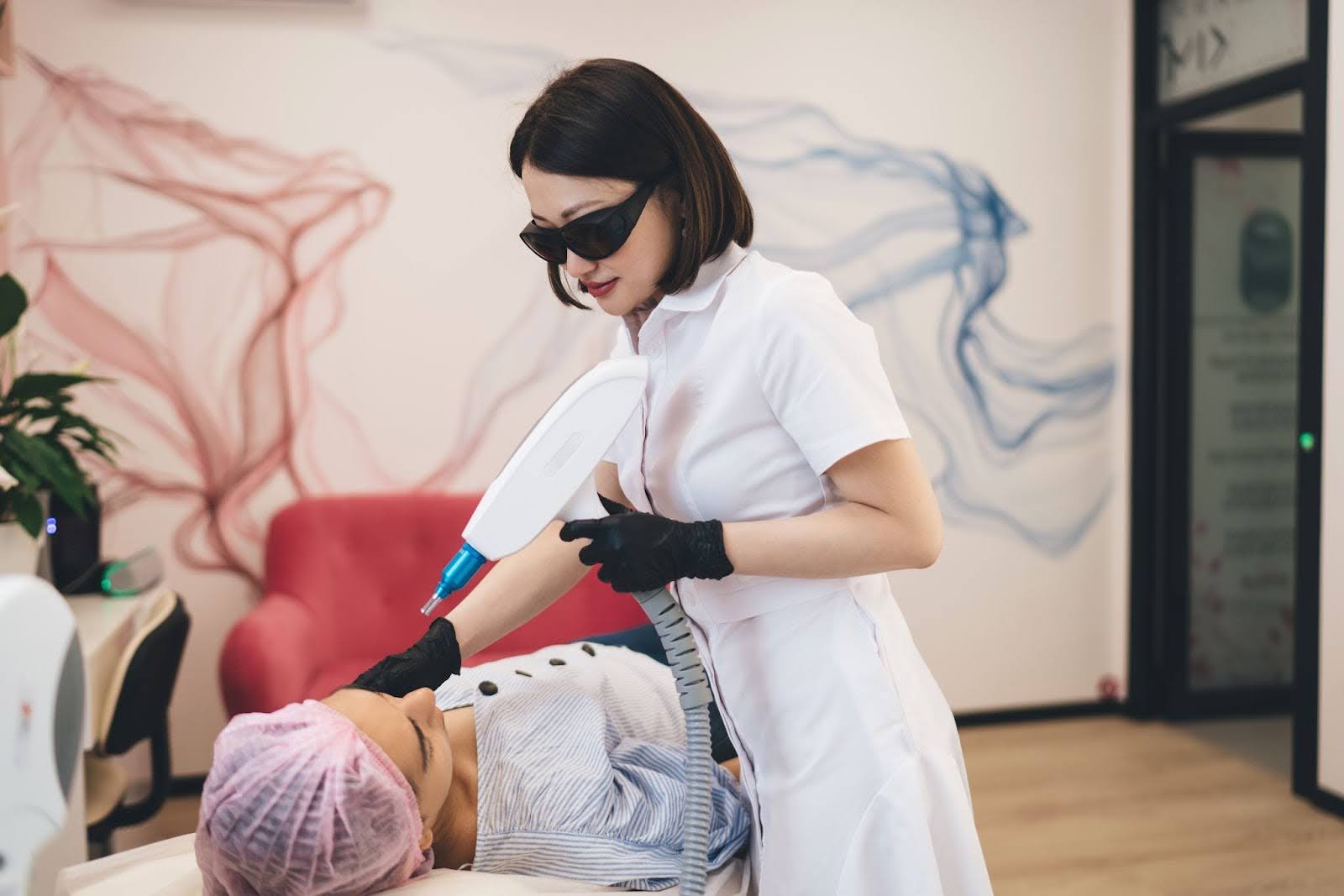
The need for reliable tattoo removal is skyrocketing today as people rethink past choices that no longer align with their goals. Many want clear skin without the risks of drawn-out treatments, so they compare clinic systems with home tools. A substantial shift toward proven devices reflects rising trust in tech used by trained providers. Smooth transitions across sessions shape better confidence for most users. The right option depends on clarity, safety, and how fast someone wants visible change.
People seek tattoo removal because old ink can limit lifestyle choices, career paths, and personal goals. Many want faster results with fewer surprises across each session. A skin and laser clinic offers dependable tools that handle dense ink well. These reasons help users compare pro devices and home units with clearer judgment.
People want fast progress that fits modern routines. Clinics use safer devices with tested power levels that handle tough pigment. These tools clear ink across several shades with strong consistency. Home tools lack this precision and often lead to slower progress. People want peace of mind during each session, so they usually lean toward clinics. They trust real guidance that limits harsh reactions. Predictable outcomes help them commit with more confidence.
Recent clinic reports show higher demand from both new clients and long-time tattoo holders. Many request removals linked to job policies or lifestyle upgrades. Stronger devices handle dark tones and dense ink patterns with more stability. People feel safer with trained staff who respond to skin reactions. Clinics report smoother outcomes with fewer side effects. Home users report inconsistent changes after several weeks. These differences push people toward options that provide clear steps and safer care.
People change careers and want a cleaner look for new roles. Others shift personal style and want skin that aligns with their present goals. More clinics now share real results that guide people toward safer choices. Social media also increases interest by showing honest progress updates. Users see that pro systems handle tough ink with steady control. This visibility builds trust and encourages people to start treatment sooner. Many feel ready to commit once they understand how reliable technology and expert care support the process.
A professional laser device uses controlled light pulses that break tattoo pigment into small pieces. This action supports gradual fading through natural clearing processes. Higher levels help reach deeper into the ink that home tools cannot access. Each session maintains stability with trained oversight that protects the skin.
A clinic laser sends quick pulses that target ink without harming surrounding areas. The pigment absorbs energy and breaks it into tiny bits that move along natural pathways. This action repeats until deeper layers start to fade. Providers time each pulse to avoid harsh heat buildup. Cooling support lowers discomfort and protects the skin barrier. Many find progress steady because clinics track changes at each visit. The combined approach yields a safer, more reliable process.
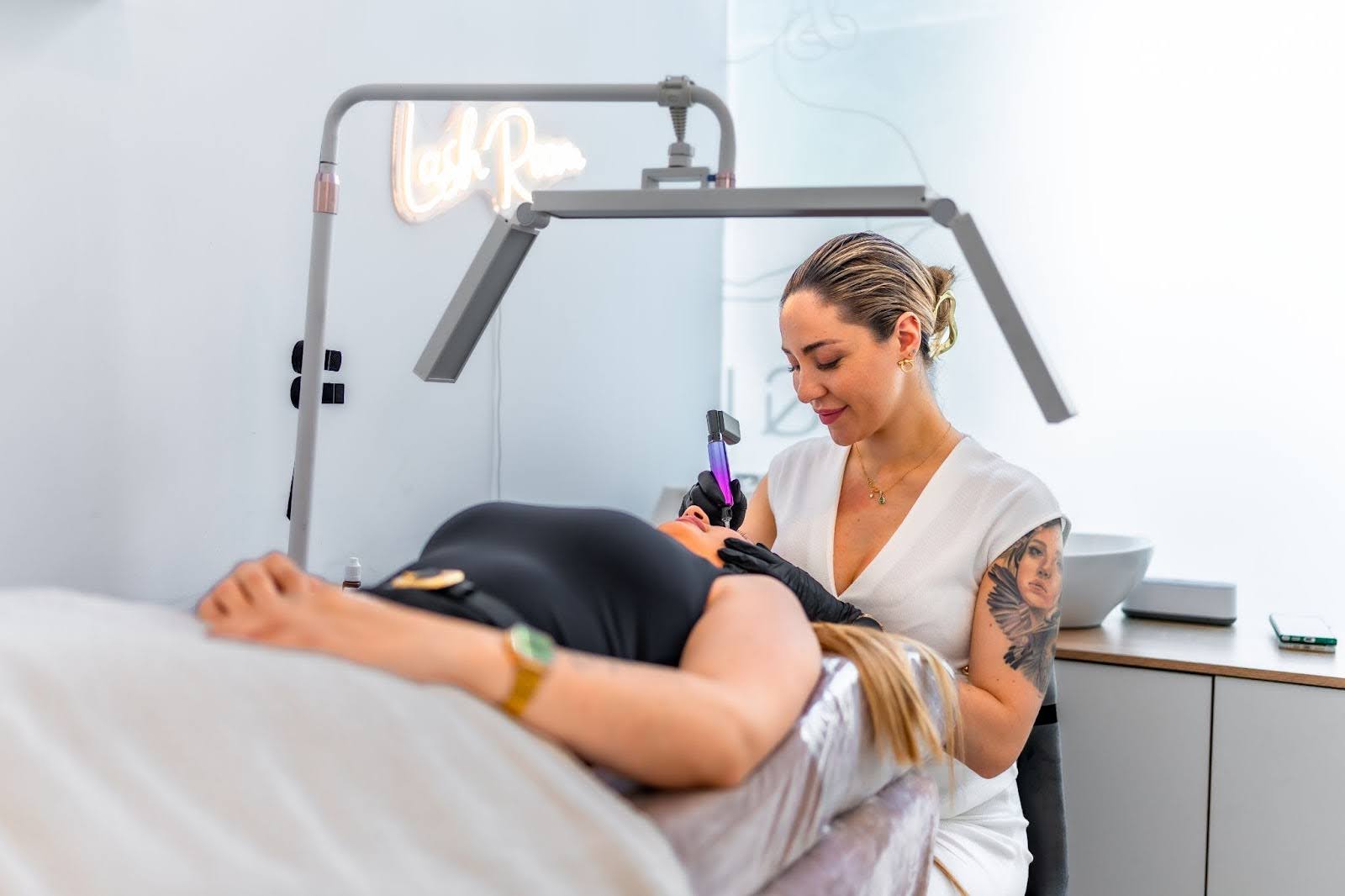
Advanced lasers reach deeper-lying pigment. Different wavelengths allow the device to tackle many ink colors. Home tools lack this range and rarely shift complex shades. Skilled providers adjust settings to maintain a balanced, safe process. Stable output helps the skin respond smoothly. Fewer sessions mean less disruption to schedules. The higher strength allows users to reach their goals sooner.
Clinic staff study your skin tone, ink depth, and body area before treatment starts. This evaluation helps them choose wavelengths that match your tattoo makeup. They track responses during each pulse to avoid overheating. Proper spacing helps protect delicate areas with tight lines. They adjust energy when the tattoo lightens across sessions. Skill reduces risks from rushed decisions. This attention shapes safer progress for each person.
At-home devices attract buyers who want privacy and lower upfront costs. Many users hope for slow fading without clinic visits. These tools work with weaker energy and limited wavelengths. Results often appear uneven due to shallow pigment reach.
Home devices operate at levels that barely disrupt deeper inks, creating slow changes that frustrate many users. People repeat sessions more often and still see minimal progress. Dense areas resist fading because the light does not reach them. Uneven patches appear when the device misses parts of the tattoo. The slight power range limits improvement for dark colors. Users often stop treatment when they see little change.
Many buyers apply too much pressure or repeat strokes too fast. Some burn the skin because they misread heat buildup. Infection risk rises when the skin is opened and lacks aftercare. Brand manuals rarely give clear guidance for complex tattoos. People with darker tones are at a higher risk of discoloration from incorrect settings. These issues add stress and delays. Many later switch to clinics to fix earlier mistakes.
Some brands compare home tools to real clinic systems. These claims mask the gap between output levels and available wavelengths. Buyers feel disappointed when the results don't match the ads. The slow progress pushes some to buy extra attachments that do not help. Users often look online for tips that conflict with safe guidance. Many discover the limits only after several sessions, which leads them to reassess their long-term plan.
Skin safety depends on device strength, cooling systems, and user skill. Clinics use tested machines that focus on pigment and avoid soft tissue. Providers check reactions and adjust settings for each tattoo. Home tools lack these layers of protection.
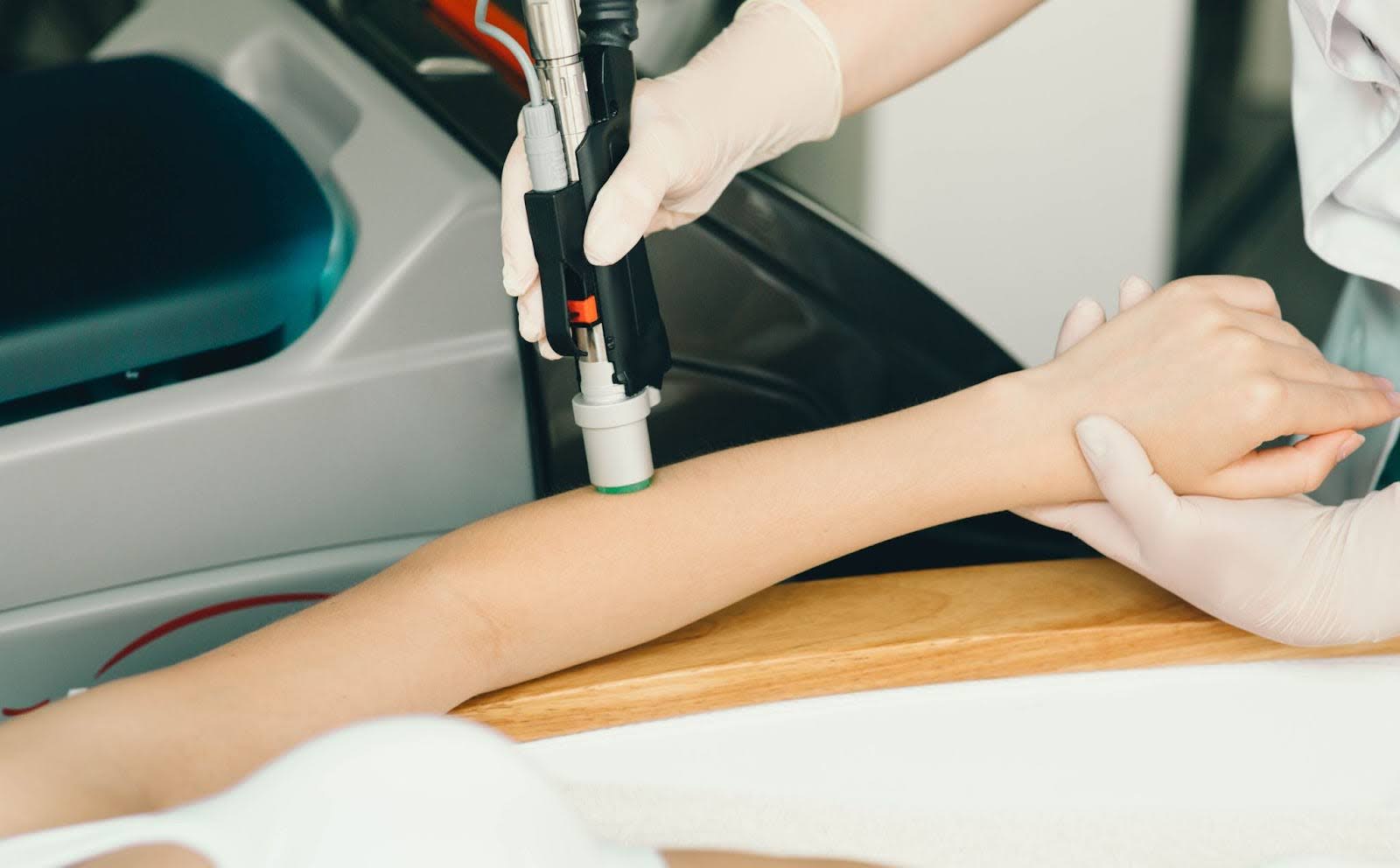
Pro devices use cooling tips that prevent excessive heat buildup, reducing burning and helping the skin stay stable with each pass. Providers track every inch to avoid overlap problems. Filters block harmful wavelengths that may irritate the skin. Skin tone guides the energy level for each visit. These steps reduce texture changes and discoloration. People trust clinics because they feel safer with these controls in place.
Home tools offer little cooling support and weak output control. Fluctuating pulses can irritate sensitive zones. Some users treat the same area too often, which worsens redness. Limited wavelengths make it harder to safely treat dark ink. People may be treated without skin preparation, increasing the risk of infection. Darker tones are more prone to discoloration because devices lack tone-matching features, which leads to setbacks that take weeks to fix.
Cost varies based on tattoo depth, size, and desired speed. Clinics charge per session, yet complete the process faster. Home units cost less upfront but often require many uses. People compare long-term value before choosing.
Pro devices clear ink across fewer visits because they handle more pigment per session. Strong energy shortens treatment time and saves weeks of effort. Skilled providers reduce mistakes that add extra healing days. Stable output protects the skin from harsh reactions. Users avoid repeat fixes because clinics track every change. Many feel their money supports steady, reliable improvement, creating long-term value for most clients.
Home devices attract people who want budget-friendly options. They like the privacy and slower pace without clinic trips. Many try them for tiny tattoos with light ink. Some accept minimal fading if they only want slight changes. Others hope for surprise results and later feel let down. These tools help some users but rarely meet expectations. Many return to clinics when progress slows.
People choose between pro systems and home options based on tattoo depth, speed, and desired clarity. Larger tattoos or dark ink need stronger tools that reach deeper layers. Light designs may respond to simple home devices. Every decision shapes the path to clear skin.
Deep pigment responds best to high-energy pulses. Multicolor tattoos require several wavelengths to fade with control. Providers guide each step and watch for skin reactions. Their tools reach layers that home devices cannot handle. People with dark tones gain safer care with trained support. Sessions move faster thanks to reliable output, making clinics a smarter fit for tougher tattoos.
Small tattoos may fade with weaker energy if the pigment sits near the surface. Some users stay patient with slow progress and accept lighter changes. People who want privacy may prefer to try home first. Light ink may shift enough to ease the tattoo's look. Those with simple designs see gentle progress over time. Many accept mild fading and stop after limited improvement, making home tools useful for small goals.
An experienced specialist guides your skin along a safer, clearer path, giving you confidence at every step. Every session benefits from trained judgment that adapts to your tattoo, your tone, and your comfort. Skilled hands reduce risk, sharpen progress, and keep your goals at the center. Your decision to work with an expert can help you achieve the results you want with far less stress.
Gain clarity on treatments, trends, and expert care through the Naples Laser & Skin Aesthetics blog.
%402x.svg)