.png)
.png)
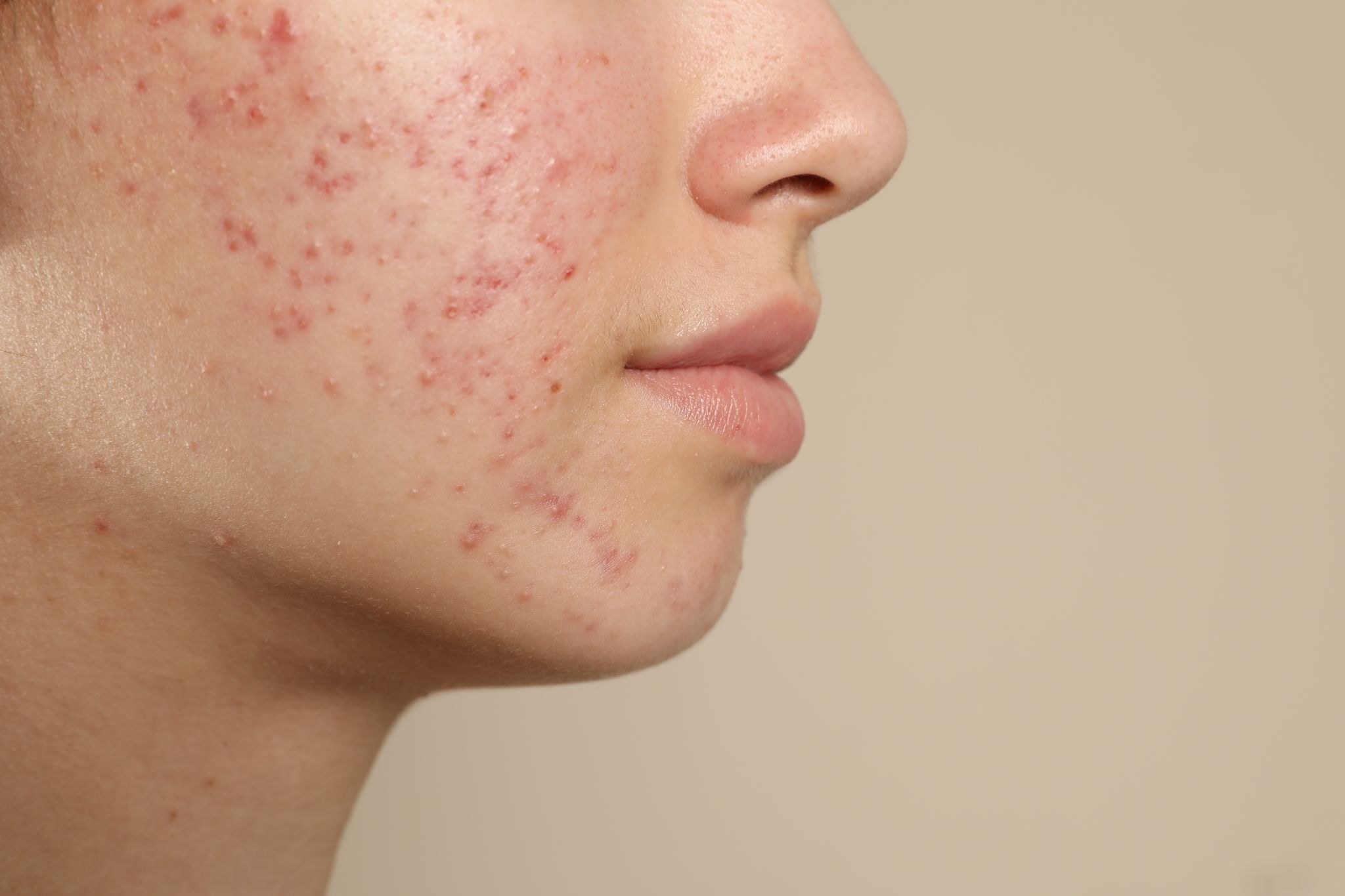
Breakouts rarely look the same, even on the same face over time. One day brings tiny clogged pores, while another brings painful, swollen bumps that linger. Many people try random products without knowing what they are treating, which often makes things worse. Real progress starts when you understand the different types of acne and how each behaves. Once you recognize what is happening beneath your skin, treatment choices become clearer and far more effective.
Acne develops when pores clog with oil, dead skin cells, and debris. However, not all breakouts follow the same pattern or depth within the skin. Some remain near the surface, while others form deeper and become more painful. Understanding these differences helps you match treatment methods to each condition.
Comedonal acne includes whiteheads and blackheads, which form when pores become blocked. Whiteheads stay closed under the skin, creating small, flesh-colored bumps. Blackheads remain open, allowing oxidation that darkens their surface. This type usually appears on the forehead, nose, and chin. It does not involve swelling or redness, making it non-inflammatory. Gentle exfoliation and oil control products often improve this condition over time.
Inflammatory acne develops when bacteria trigger the skin’s immune response. Papules appear as red, tender bumps without visible pus. Pustules look similar but contain a white or yellow center filled with fluid. These breakouts often feel sore and may worsen if touched frequently. Stress, hormones, and excess oil can increase their frequency. Treatments usually include antibacterial ingredients and calming skincare routines.
Acne mechanica results from friction, pressure, or heat against the skin. Tight clothing, helmets, and frequent mask use can contribute to this condition. Sweat and trapped bacteria worsen irritation in affected areas. Breakouts often appear where fabric or gear rubs repeatedly. This type resembles inflammatory acne but has a clear external cause. Reducing friction and keeping skin clean can help prevent future flare-ups.
Some acne forms develop deeper within the skin and cause more discomfort. These breakouts tend to last longer and may leave marks if untreated. Over-the-counter treatments often fail to reach the root of these conditions. Knowing when acne becomes more intense can guide better treatment decisions.
Nodular acne appears as large, firm lumps beneath the skin’s surface. These lesions are painful and do not form a visible head. They often persist for weeks and are resistant to standard topical treatments. Hormonal changes and excess oil production are common triggers of this condition. Picking at nodules increases the risk of long-term scarring. Dermatologists often recommend prescription medications to reduce inflammation and prevent damage.
Cystic acne is one of the most intense forms of acne. It develops when deep infections form under the skin, creating soft, swollen lumps. These cysts often contain pus and can feel tender or throbbing. Breakouts may cluster and affect large areas of the face or body. Without proper care, cystic acne can leave lasting scars. Medical treatments such as oral medications or targeted therapies often provide the best results.
Acne conglobata is a severe, less common form of acne. It involves interconnected nodules and cysts that form deep within the skin. These lesions can merge, leading to widespread inflammation across affected areas. The condition often appears on the back, chest, and shoulders. It may develop alongside hormonal imbalances or certain medications. Professional care is necessary to manage symptoms and limit long-term effects.
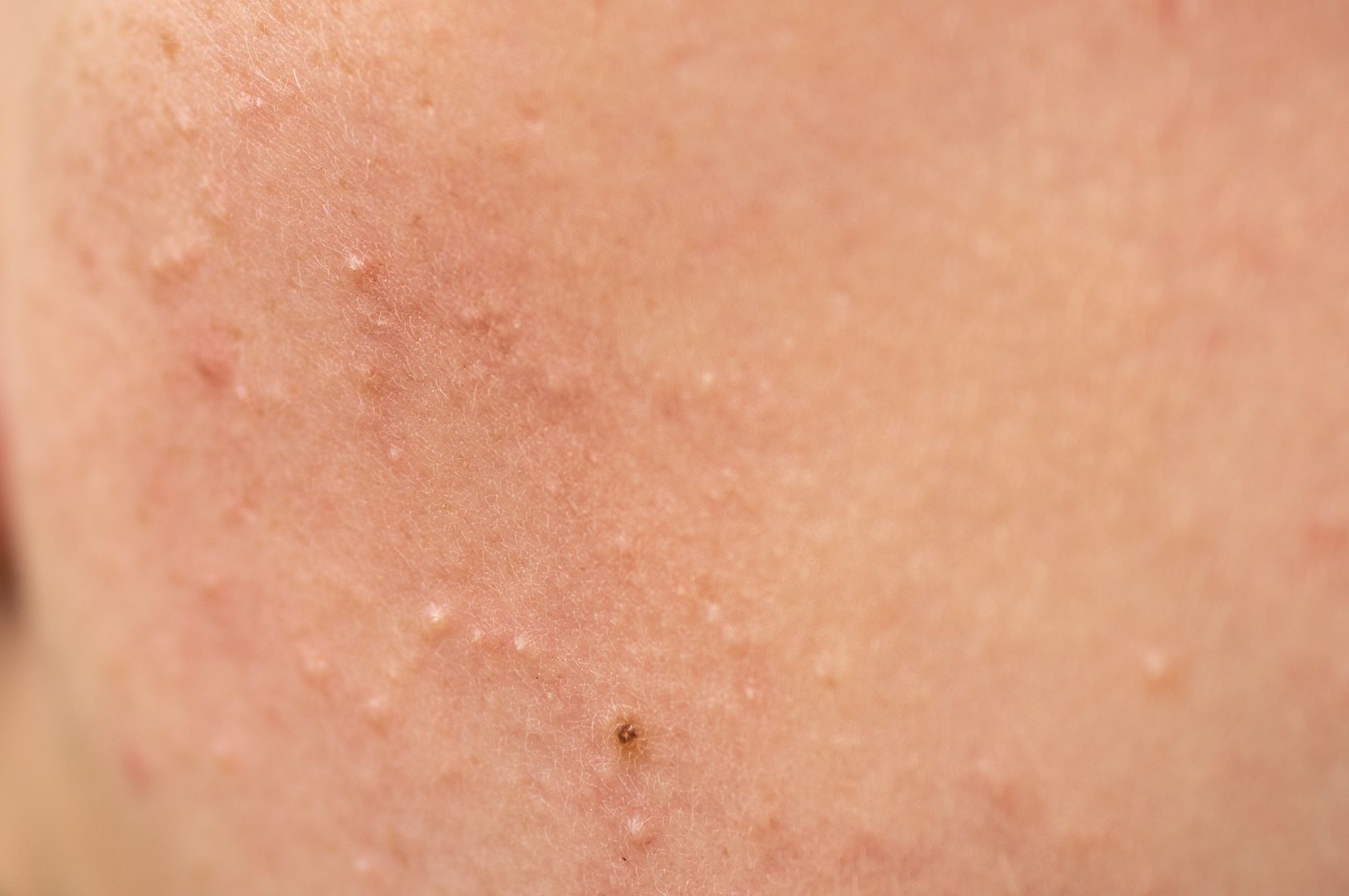
Not all acne fits into the usual categories seen in everyday breakouts. Some forms stem from internal changes or unusual skin reactions. These types often confuse people because they resemble other conditions. Recognizing them prevents ineffective treatments and unnecessary frustration.
Hormonal acne often appears during puberty, menstruation, or periods of stress. Breakouts usually form along the jawline, chin, and lower cheeks. Increased androgen levels stimulate oil production, which clogs pores. These blemishes tend to recur in predictable cycles. Lifestyle changes and medical treatments can help regulate symptoms. Consistency in skincare and stress management improves long-term outcomes.
Fungal acne, also called Malassezia folliculitis, differs from bacterial acne. It presents as small, uniform bumps that may feel itchy rather than painful. This condition results from yeast overgrowth in hair follicles. Traditional acne treatments often fail because they target bacteria instead of fungi. Warm, humid environments can worsen this type of breakout. Antifungal treatments and lightweight skincare products often bring relief.
Cosmetic acne develops when skincare or makeup products clog pores. Heavy creams, oils, or certain ingredients may trigger breakouts. These blemishes often appear in areas where products are applied frequently. The condition may look like small bumps or mild inflammation. Switching to non-comedogenic products can reduce flare-ups. Regular cleansing also helps remove residue that can clog pores.
Each acne type responds differently to treatment methods and ingredients. Using the wrong approach may slow progress or worsen breakouts. A targeted routine tailored to the type of acne often produces better results. Carefully combining treatments can improve skin without irritating it.
Over-the-counter treatments work well for mild to moderate acne cases. Ingredients like salicylic acid help unclog pores and reduce buildup. Benzoyl peroxide targets bacteria that cause inflammation. Retinol products support skin renewal and prevent clogged pores. Using these products consistently improves results over time. However, overuse may lead to dryness or irritation.
Prescription treatments address more stubborn or deeper forms of acne. Dermatologists may recommend topical retinoids or oral antibiotics. Hormonal therapies can help regulate oil production in certain cases. These treatments often require several weeks before visible improvement appears. Side effects may occur, but are manageable with guidance. Following a professional plan increases the chance of lasting results.
Some people prefer natural approaches to support their acne treatment routine. Ingredients like tea tree oil offer mild antibacterial properties. Aloe vera can soothe irritation and reduce redness. While these remedies may help, they rarely replace medical treatments. They work best as supportive additions rather than primary solutions. Careful use prevents irritation or unexpected reactions. While daily treatments help control breakouts, professional care can provide deeper support for persistent acne concerns.
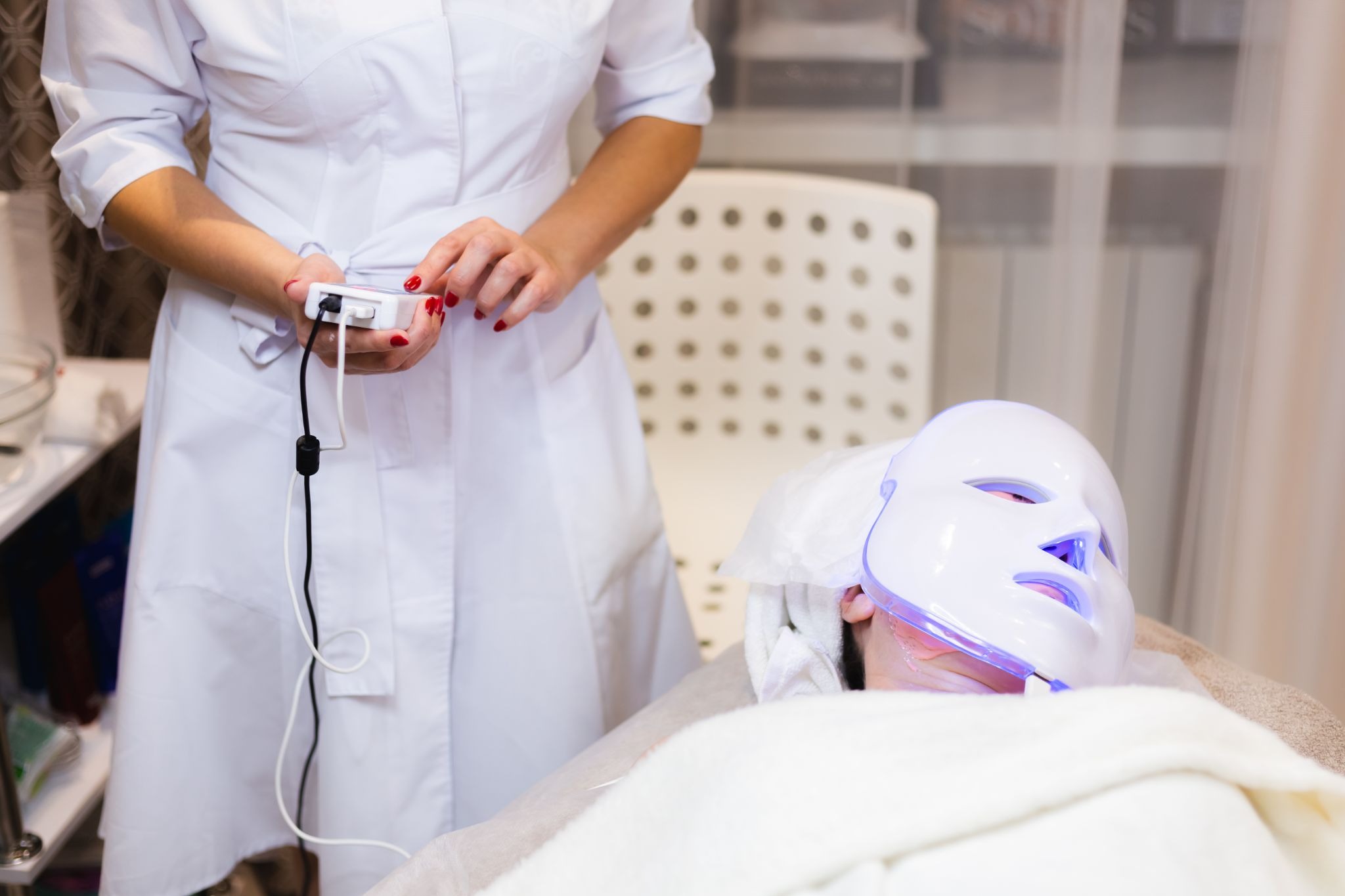
Facial treatments work best when they match the underlying cause of acne. A one-size approach often leads to irritation or minimal improvement. Professional facials can clean pores, calm inflammation, and support skin renewal. Results depend on consistency and the specific type of acne present.
Deep cleansing facials focus on removing buildup from clogged pores. This procedure makes them effective for whiteheads and blackheads. Estheticians use steam, gentle exfoliation, and manual extractions during the session. These steps help clear debris that causes comedonal acne. The process also improves the absorption of skincare products afterward. Regular sessions can reduce recurring congestion over time.
Inflammatory acne needs a calming approach instead of aggressive treatments. These facials use soothing ingredients like chamomile or aloe vera. They reduce redness and irritation without stressing the skin. Harsh extractions are usually avoided to prevent worsening inflammation. Light therapy may also be included to target acne-causing bacteria—this type of facial supports healing while minimizing flare-ups.
Extraction facials target stubborn clogged pores that do not clear on their own. A trained professional removes blackheads and whiteheads safely. This reduces the risk of scarring compared to at-home picking. The process requires proper technique to avoid damaging the skin. It is often combined with soothing masks to calm the area afterward. Regular treatments can help maintain clearer pores.
Some acne types need more than basic facials to improve. Advanced treatments work deeper within the skin to control breakouts. These options often require multiple sessions for visible results. Professional guidance helps determine the most suitable approach.
Chemical peels use acids to exfoliate the skin and remove dead cells. This process helps unclog pores and reduce acne formation. Mild peels work well for surface-level breakouts and uneven texture. Stronger peels may be used to target deeper acne concerns under supervision. The skin may peel for several days after treatment. Over time, this improves clarity and smoothness.
LED light therapy targets bacteria and inflammation without damaging the skin. Blue light helps reduce acne-causing bacteria on the surface. Red light supports healing and reduces swelling. The treatment feels gentle and does not require downtime. It works best as part of a consistent treatment plan. Many people notice gradual improvement after several sessions.
Hydrafacial treatments combine cleansing, exfoliation, and hydration in one session. The process uses a device to remove impurities while infusing the skin with serums. It works well for mild acne and congested pores. The treatment feels comfortable and suits sensitive skin types. It does not involve harsh extractions or irritation. Regular sessions can support overall skin balance.
Daily habits shape how your skin reacts and recovers from breakouts. Even effective treatments may fail without proper skincare practices. Consistency and balance often matter more than complex routines. Small changes in habits can improve results over time.
Cleansing removes oil, dirt, and buildup that contribute to acne. Using a gentle cleanser helps maintain the skin’s natural barrier. Harsh scrubbing can irritate the skin and worsen inflammation. Washing twice daily usually keeps pores clear without over-drying. Lukewarm water is better for sensitive skin than hot water. A consistent routine supports healthier skin over time.
Many people skip moisturizer, fearing it will worsen acne. However, hydrated skin produces less excess oil. Lightweight, non-comedogenic moisturizers provide balance without clogging pores. Skipping this step may lead to dryness and irritation. Well-hydrated skin responds better to treatments. Choosing the right formula makes a noticeable difference.
Lifestyle habits influence acne more than many people realize. Diets high in sugar or dairy may trigger breakouts in some individuals. Stress can increase hormone levels, leading to excess oil production. Regular exercise supports circulation and overall skin health. Clean habits, such as washing pillowcases, also reduce exposure to bacteria. Consistent routines help maintain clearer skin.
Some acne conditions do not respond to basic treatments or routines. Persistent breakouts may indicate deeper skin issues. Ignoring these signs can lead to long-term damage or scarring. Recognizing when to seek help can improve outcomes and reduce frustration.
Acne that lasts for months without improvement may need professional attention. Painful, deep lesions often signal more intense conditions. Visible scarring or dark marks suggest ongoing inflammation. Breakouts that affect confidence or daily life deserve proper care. Over-the-counter products may not address underlying causes. A dermatologist can identify the exact issue and recommend suitable treatments.
Dermatologists offer treatments that go beyond standard skincare products. Chemical peels help remove dead skin layers and improve texture. Laser therapies target bacteria and reduce inflammation beneath the surface. Cortisone injections can shrink large, painful lesions quickly. These procedures require professional supervision for safety and effectiveness. They often complement medical treatments for better results.
Clear skin starts with recognizing what your breakouts are telling you. Each type of acne responds differently, so guessing rarely works. Ignoring patterns or delaying proper care can lead to deeper skin concerns. Paying attention to your skin and choosing targeted treatments can change your results. Small, consistent actions today can lead to calmer, healthier skin over time.
Your skin concerns deserve clear answers and trusted guidance. Visit the Naples Laser & Skin Aesthetics blog for expert advice.
%402x.svg)