.png)
.png)
Heavy legs at the end of the day often signal more than simple fatigue. Swelling around the ankles or calves can reflect slow fluid movement beneath the skin. Many people notice tightness after sitting or standing for long hours without knowing the cause. The lymphatic system quietly manages fluid balance, yet it depends on daily movement and healthy habits. Improving lymph flow in your legs can reduce discomfort and support better overall circulation.
Lymphatic drainage in the legs refers to the movement of fluid, waste, and immune cells through tissues. This process depends on muscle contraction rather than a central pump, such as the heart. The legs face added pressure because gravity slows the upward flow of fluid. Understanding this function helps you improve lymphatic drainage in your legs through simple daily actions.
Lymph fluid collects waste and excess fluid from tissues in the legs. It travels through vessels toward lymph nodes, where filtration removes harmful substances. Muscle contractions, especially in the calves, push this fluid upward against gravity. Without movement, fluid may collect, leading to swelling or heaviness. This pattern explains why inactive periods often lead to discomfort in the lower body. Regular motion supports steady lymph movement and reduces fluid buildup.
Poor lymph flow often manifests as swelling in the ankles or calves after prolonged inactivity. Some people feel heaviness or mild aching that worsens during the day. The skin may appear puffy or show indentations when pressed by socks. Tight footwear may feel uncomfortable due to retained fluid in tissues. In some cases, the skin may lose elasticity or feel dry. These symptoms often improve with improved circulation through movement and care.
The legs retain fluid easily because gravity opposes the upward flow of lymph. Limited activity reduces the muscle contractions needed to move fluid effectively. Modern routines often involve prolonged sitting, which further slows circulation. Standing still for extended periods can also lead to fluid pooling. Tight clothing may restrict natural flow and worsen the issue. These combined factors make the legs more prone to swelling.
Daily habits directly affect how well lymph fluid circulates through the legs. Simple routines can improve lymphatic drainage without requiring complex changes. Consistency supports better outcomes than occasional intense efforts. Small actions repeated throughout the day help reduce swelling and maintain comfort.
Walking improves lymphatic drainage in your legs by activating the calf muscles. These muscles act like pumps, pushing fluid upward through lymph vessels. Even short walks throughout the day can support better circulation. Gentle movement prevents fluid from collecting in the lower limbs. This habit works well during work breaks or daily routines. Consistent walking creates a steady rhythm that supports drainage.
Stretching improves flexibility and supports fluid movement in the lower body. Calf stretches, ankle rolls, and leg lifts activate muscles without strain. These movements help stimulate lymph flow and reduce stiffness. This routine can be done in the morning or after prolonged sitting. Stretching also prepares the body for more active movement during the day. Regular practice supports better circulation over time.
Hydration supports lymphatic drainage by maintaining fluid balance in the body. Dehydration can thicken lymph fluid and slow its movement. Drinking water regularly helps flush waste products from tissues. This habit includes consuming water-rich foods like fruits and vegetables. Consistent hydration improves circulation and reduces swelling. Balanced fluid intake supports overall leg comfort.
Breathing supports lymphatic drainage by creating pressure changes that move fluid through vessels. Unlike blood circulation, the lymphatic system depends on body movement, including breathing patterns. Deep diaphragmatic breathing improves lymphatic drainage by stimulating internal fluid movement through controlled inhalation and exhalation. When you inhale deeply, your diaphragm descends, helping draw lymph upward from the legs. Exhaling slowly supports the flow of fluid through vessels toward drainage points. Practicing steady breathing for a few minutes daily can improve circulation and reduce fluid buildup.
Manual techniques help guide lymph fluid toward areas where it drains more effectively. These methods support natural circulation when practiced gently and consistently. Many people use them at home or through professional therapy. Proper technique improves comfort and reduces fluid buildup in the legs.
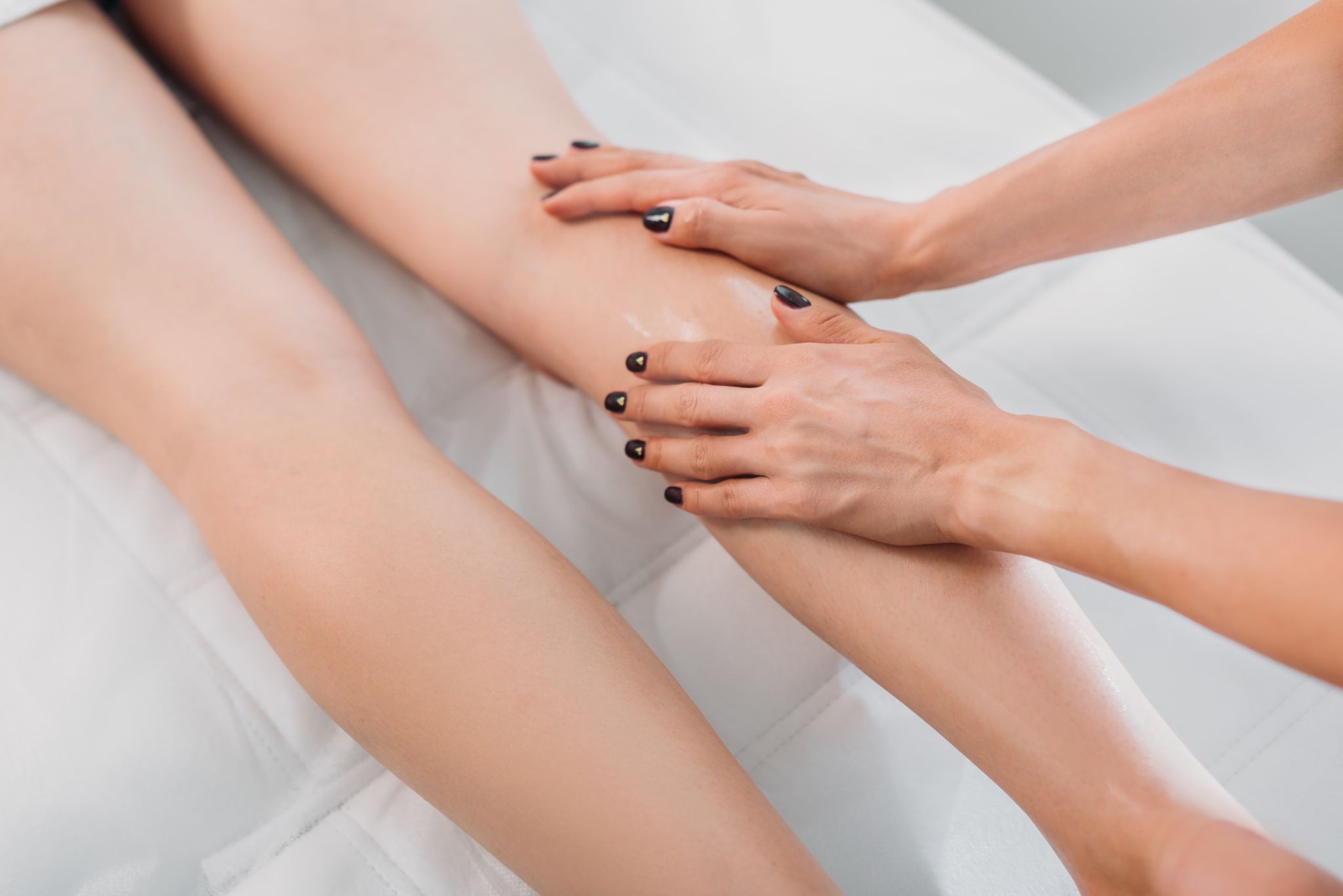
Self-massage improves lymphatic drainage in your legs using light, controlled pressure. Start near the upper legs to prepare pathways before moving fluid upward. Gentle strokes should move toward the groin lymph nodes. This technique avoids deep pressure because lymph vessels sit close to the skin. Regular practice can reduce swelling and improve comfort. Consistency matters more than intensity for effective results.
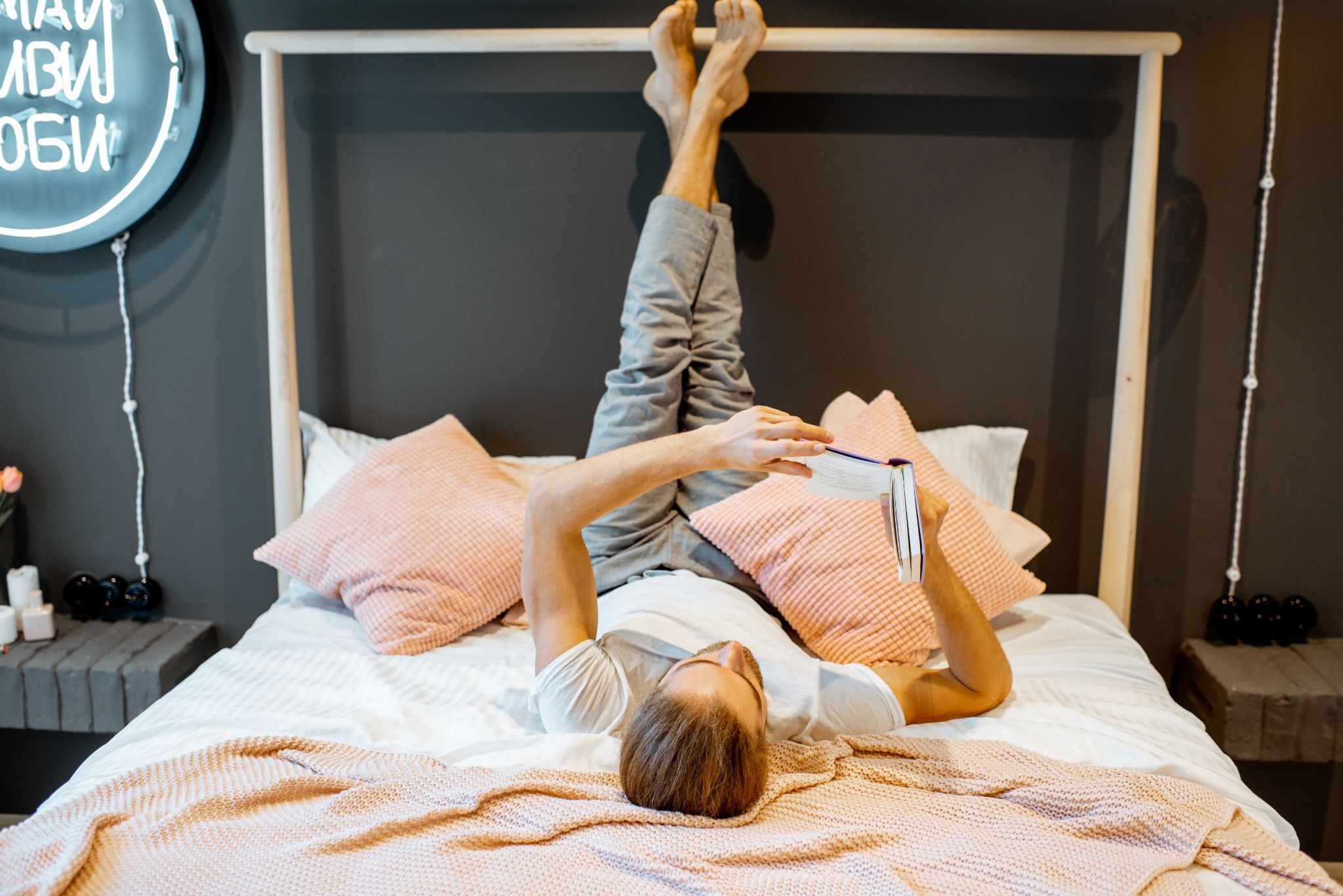
Leg elevation helps move fluid away from the lower limbs and toward the upper body. Raising the legs above heart level reduces pressure in the lymph vessels. This position supports natural drainage and relieves discomfort after long days. Using pillows or a reclined chair can make elevation easier. This method works well after prolonged sitting or standing. Regular elevation supports steady fluid movement.
Compression socks improve lymphatic drainage by applying gentle pressure to the legs. This pressure helps prevent fluid from pooling in the lower limbs. Many people use them during travel or long work hours. Proper fit improves both comfort and effectiveness. This approach works best when combined with regular movement. Consistent use can reduce swelling and fatigue.
Nutrition affects how the body manages fluid balance and inflammation. Certain foods support better lymphatic drainage in your legs. Balanced meals can reduce swelling and improve circulation. Thoughtful food choices support long-term leg comfort and function.
Anti-inflammatory foods support lymphatic drainage by reducing tissue irritation. Fruits and vegetables provide antioxidants that protect cells and improve flow. Leafy greens, berries, and citrus fruits offer helpful nutrients. Healthy fats from nuts and olive oil also support circulation. This approach encourages variety for better nutritional balance. Consistent intake supports long-term improvements.
Lower sodium intake helps reduce fluid retention in the legs. High salt levels cause the body to hold excess water in tissues. Processed foods often contain hidden sodium, which can increase swelling. Reading labels helps you identify high-sodium products. This habit allows better control over daily intake. Gradual changes can improve comfort over time.
A balanced diet supports lymphatic drainage by maintaining stable fluid levels. Protein helps repair tissues and maintain fluid balance in the body. Whole grains provide steady energy that supports daily movement. This pattern reduces inflammation and supports circulation. Limiting excess sugar also helps control fluid retention. Balanced nutrition improves how your legs feel each day.
Lifestyle adjustments improve lymphatic drainage in your legs over time. Daily habits shape how fluid moves and collects in the lower body. Small changes can prevent discomfort from building throughout the day. Consistency supports better long-term results.
Frequent movement improves lymphatic drainage by preventing fluid from pooling in the legs. Sitting for long periods slows circulation and increases the risk of swelling. Standing still can also cause fluid buildup in the lower limbs. This pattern highlights the need for regular movement breaks. Simple actions like walking or stretching can help. Consistent movement supports better fluid balance.
Proper clothing supports lymphatic drainage by allowing fluid to move freely. Tight garments can restrict circulation and worsen swelling. Loose, breathable fabrics improve comfort and support natural flow. This choice includes avoiding tight bands around the legs. Supportive footwear also reduces strain on the lower body. Thoughtful clothing choices improve daily comfort.
Sleep position affects lymphatic drainage by influencing how fluid redistributes overnight. The body continues circulation and repair processes during rest, including lymph movement. Elevating your legs slightly during sleep helps move fluid away from the lower limbs and reduce morning swelling. Placing a pillow under your legs supports gentle elevation without discomfort. Sleeping on your back allows for a more balanced distribution of fluids throughout your body. Avoid positions that compress the legs or restrict circulation, as this can worsen fluid retention.
Persistent swelling may require professional evaluation and targeted care. Some conditions affect lymphatic drainage in your legs beyond daily habits. Recognizing warning signs helps guide appropriate action. Professional support can improve comfort and prevent complications.
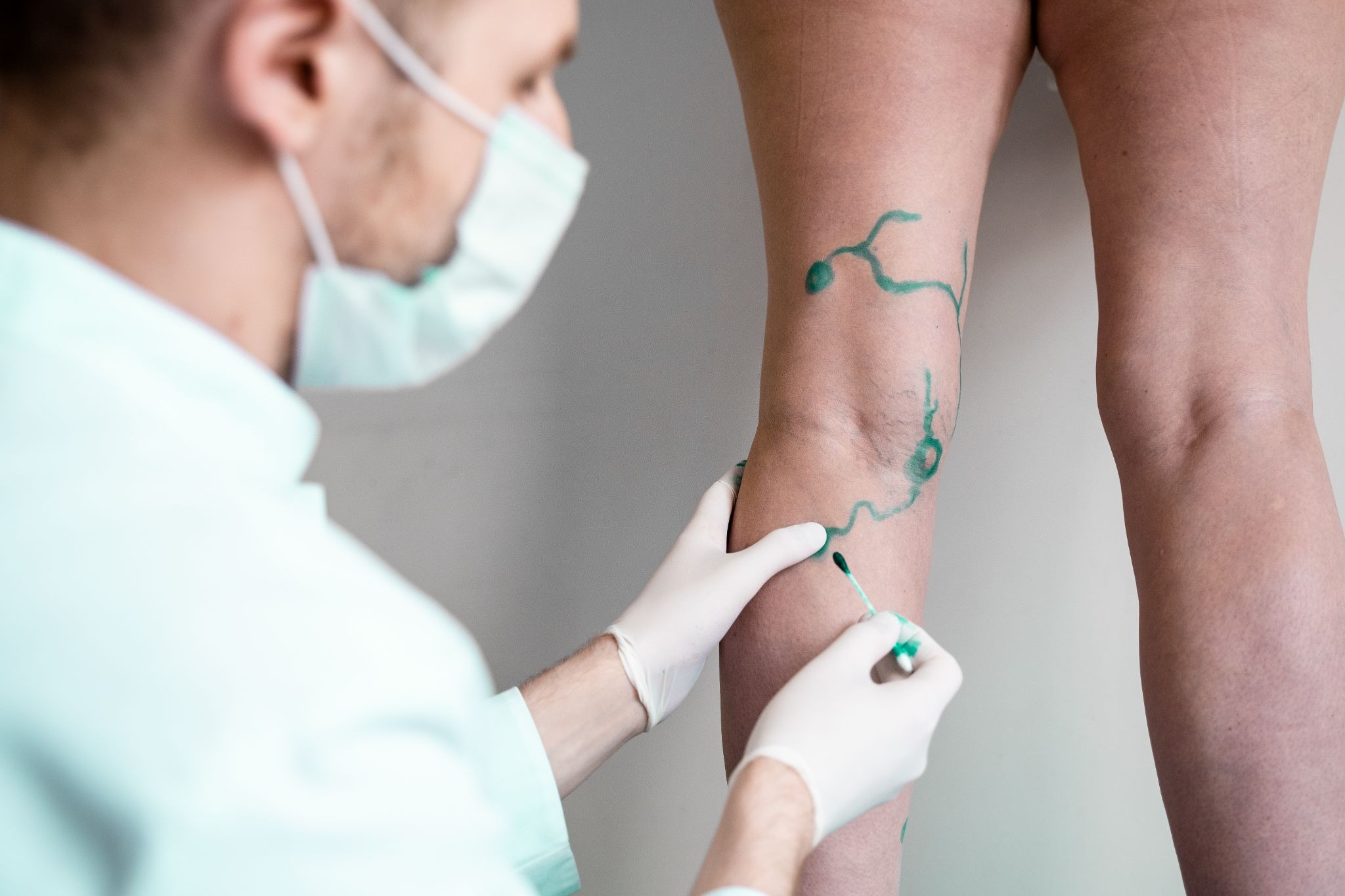
Chronic swelling may indicate lymphedema or other medical concerns. This condition occurs when lymph fluid builds up due to blocked pathways. It may develop after surgery, injury, or infection. This progression can lead to noticeable swelling over time. Skin changes may appear as the condition advances. Professional care helps manage symptoms effectively.
Professional treatments improve lymphatic drainage through structured techniques and care plans. Manual lymphatic drainage therapy uses gentle movements to guide fluid flow. Physical therapy may support muscle activity and circulation. This approach may include medical-grade compression garments. Treatment plans vary based on individual needs and severity. Professional guidance provides targeted support to achieve better outcomes.
Improving lymphatic drainage in your legs daily comes down to steady habits that fit your routine. Small actions like walking more, staying hydrated, and adjusting rest positions can support better fluid movement. These choices build over time and help reduce the heaviness that often slows you down. This daily effort keeps your legs feeling lighter, more comfortable, and ready for regular activity. Consistency brings noticeable changes that support both comfort and long-term circulation.
Find better ways to support your circulation with confidence. Read more on the Naples Laser & Skin Aesthetics blog and take the next step.
%402x.svg)