.png)
.png)
Uneven skin tone often shows up when people least expect it and lingers longer than hoped. Dark patches can affect confidence, especially when they resist common skincare routines. Many people try different products without fully understanding what causes discoloration in the first place. Clear and reliable information helps avoid wasted time, money, and frustration. Real improvement begins with knowing how pigmentation forms and how to treat it with purpose.
Pigmentation occurs when melanin production exceeds normal levels in specific areas of the skin. This process often begins as a protective response to triggers like sun exposure or inflammation. Hormonal shifts and genetic factors can also influence how pigment develops and spreads. Understanding these causes helps guide better treatment choices and reduces the chance of worsening discoloration.
Hyperpigmentation happens when melanocytes produce excess melanin in response to specific triggers. Sun exposure remains one of the strongest causes, as UV rays stimulate pigment production quickly. Hormonal changes, such as those during pregnancy or from certain medications, can lead to melasma. Acne and skin injuries often leave behind post-inflammatory marks that darken over time. Daily habits, including skipping sunscreen or picking at blemishes, can worsen discoloration. According to dermatology clinic data, consistent UV exposure accounts for a large share of visible pigmentation cases.
Different pigmentation types require different treatment strategies for visible improvement. Melasma appears as symmetrical patches, often linked to hormones and sunlight. Sunspots, also called age spots, develop from repeated exposure to UV radiation. Post-inflammatory hyperpigmentation follows acne, burns, or irritation and fades slowly without treatment. Freckles may darken with sun exposure but lighten when protected consistently. Identifying the exact type helps tailor a routine that effectively addresses the root cause.
Daily skincare habits directly influence how quickly pigmentation fades and how often it returns. A consistent routine supports skin renewal and prevents further darkening. Simple changes often produce better outcomes than complex product combinations. These habits work best when practiced consistently without interruption.
Sunscreen protects the skin by blocking harmful UV rays that trigger excess melanin production. Daily use prevents existing dark spots from deepening and stops new ones from forming. Broad-spectrum formulas protect against both UVA and UVB damage, which affect skin differently. Applying enough sunscreen and reapplying outdoors improves overall protection levels. Lightweight formulas make daily use easier without clogging pores or weighing you down. Dermatology guidelines consistently recommend sunscreen as a core step in managing uneven skin tone.
Cleansing removes impurities that may irritate the skin and worsen pigmentation over time. A gentle cleanser supports the skin barrier while preparing it for treatment products. Exfoliation helps remove dead skin cells, allowing fresh skin to surface gradually. Chemical exfoliants, such as AHAs and BHAs, often provide more even results than physical scrubs. Using exfoliation two to three times weekly prevents irritation while maintaining effectiveness. Balanced routines reduce buildup and improve the absorption of active ingredients.
Targeted ingredients work by slowing melanin production and supporting skin renewal. Vitamin C brightens the complexion and helps reduce visible discoloration. Niacinamide calms inflammation and strengthens the skin barrier for better recovery. Retinoids speed up cell turnover, helping pigmented cells shed more efficiently. Alpha arbutin and kojic acid inhibit enzymes involved in melanin production. Clinical skincare research shows that carefully combining these ingredients improves results without irritation.
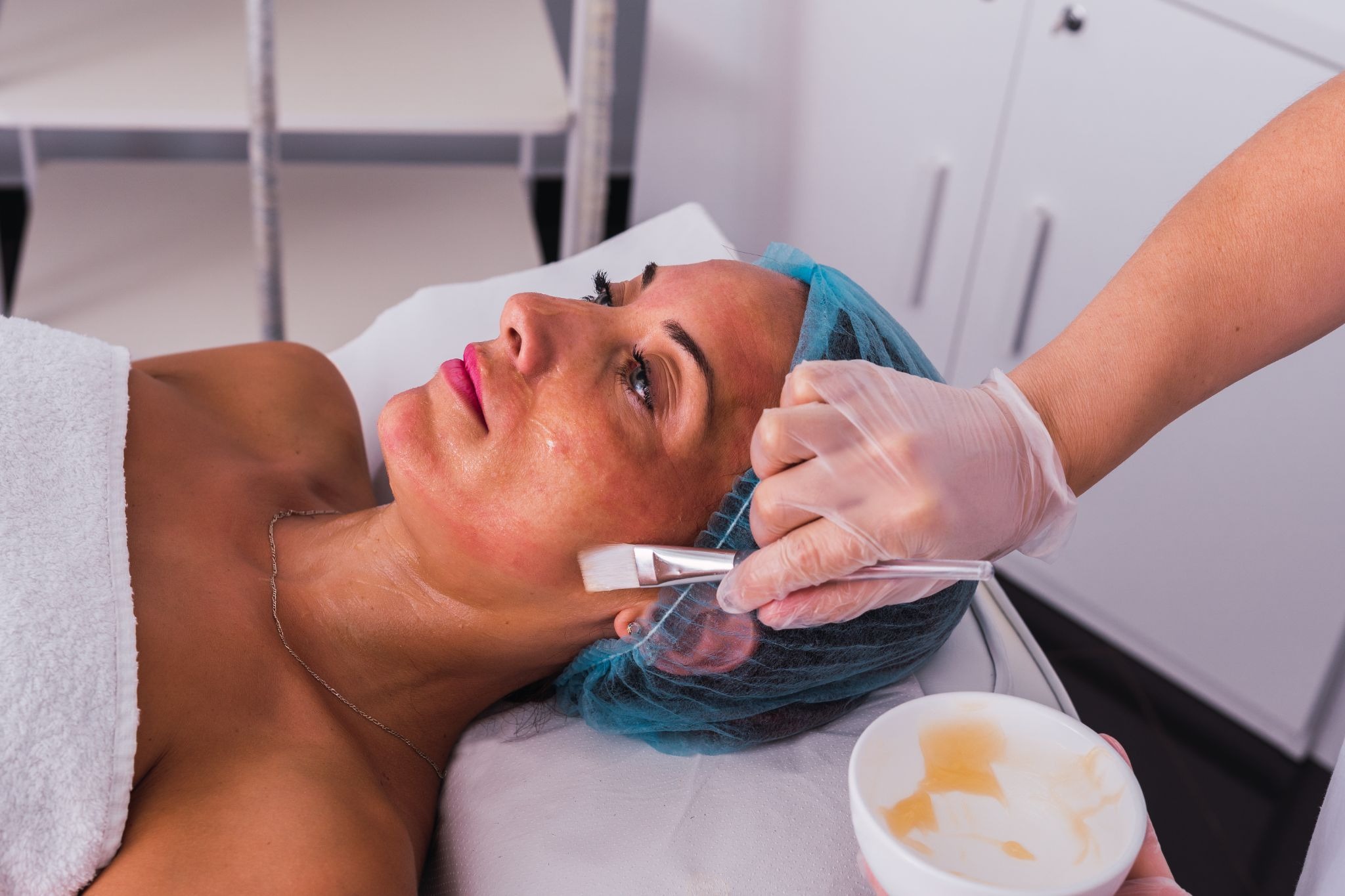
Professional skincare treatments address deeper pigmentation that does not respond to home care. These procedures target pigment at different skin layers using controlled techniques. A trained specialist can match treatments to specific skin types and concerns. These options often deliver faster and more noticeable improvements when used correctly.
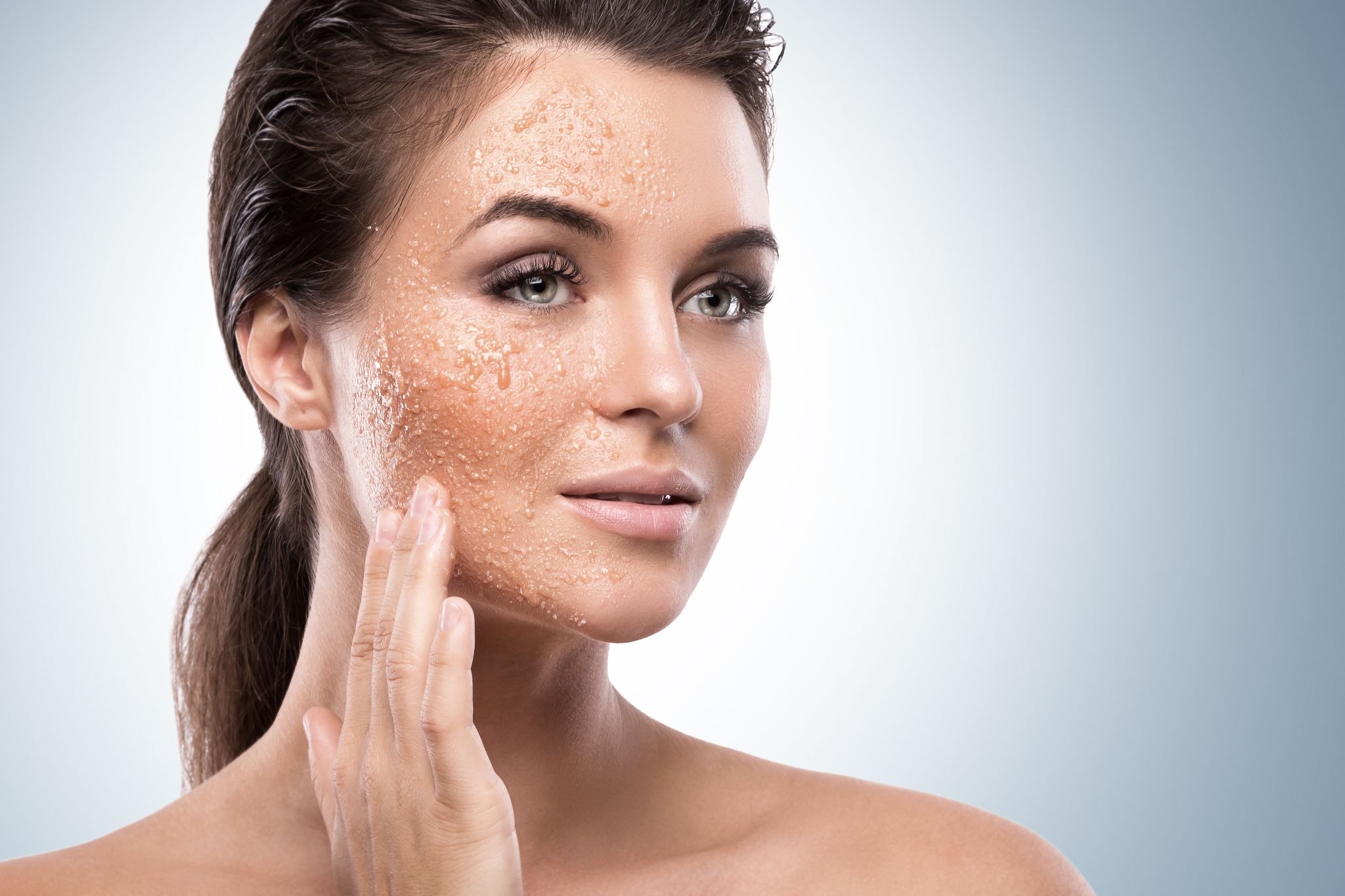
Chemical peels remove the top layer of skin, revealing smoother, more even-toned skin beneath. Mild peels suit beginners and require little downtime after each session. Medium-depth peels treat deeper pigmentation but need careful aftercare and recovery. Skin may peel and feel sensitive during the healing phase, which is expected. Multiple sessions often lead to gradual, consistent improvement. Licensed professionals base treatment strength on skin type and pigmentation severity.
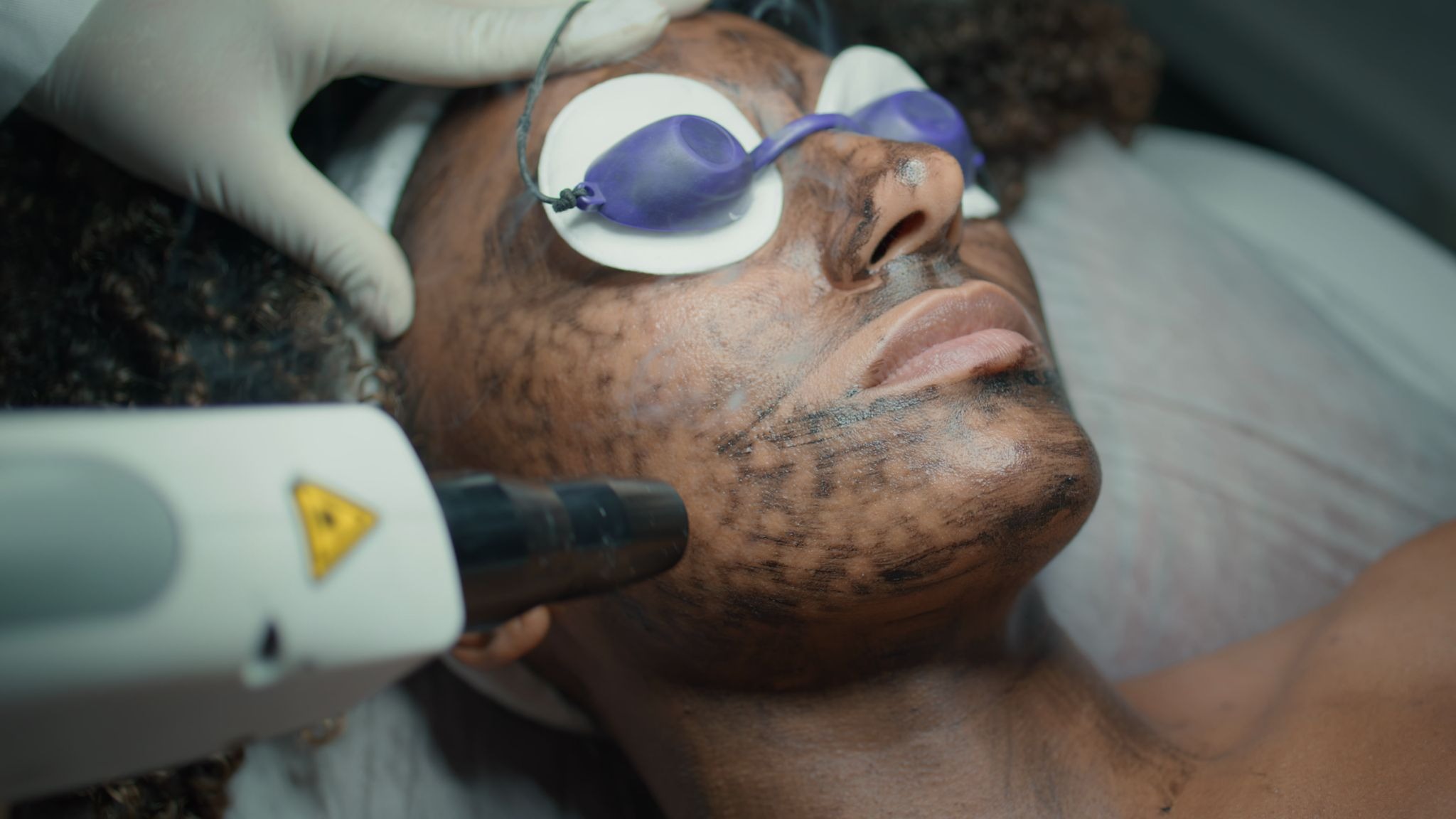
Laser treatments use focused light energy to break down pigment within the skin layers. This method targets stubborn discoloration that topical products cannot fully reach. Sessions are spaced to allow proper healing and reduce the risk of irritation. Mild redness or swelling may occur but usually fades within a short time. Results improve gradually with repeated sessions under professional supervision. Clinical studies show that laser therapy can reduce pigmentation when performed correctly.
Microdermabrasion exfoliates the outer skin layer using fine crystals or a diamond-tipped device. This technique improves texture while gradually reducing mild pigmentation. Treatments often include hydrating and brightening serums for added support. Regular sessions maintain smoother skin and prevent the buildup of dead cells. This method works best when combined with a consistent skincare routine. Many clinics recommend it as a less intensive option for surface-level discoloration.
Natural methods support skin health and may help gradually improve uneven tone. These approaches often work best alongside a structured skincare routine. Consistency matters more than quick results when using plant-based remedies. These methods provide supportive care rather than dramatic changes.
Home remedies use natural ingredients that may help calm and brighten the skin. Aloe vera contains compounds that support healing and mild lightening effects. Turmeric has anti-inflammatory properties that may reduce visible discoloration over time. Green tea extracts provide antioxidants that protect against environmental damage. Regular use helps maintain gradual improvement without harsh effects. Testing each remedy on a small area helps avoid irritation or unexpected reactions.
Diet affects how the skin repairs itself and maintains balance over time. Foods rich in antioxidants help protect against damage that triggers pigmentation. Staying hydrated supports elasticity and promotes healthy cell turnover. Vitamins A, C, and E contribute to a clearer, more even complexion. Reducing processed foods may lower inflammation that affects skin tone. Nutrition supports topical treatments and improves overall skin appearance.
Sleep and stress levels influence how the skin heals and maintains balance. Poor sleep reduces the body’s ability to repair damaged skin cells overnight. Stress triggers hormonal changes that may worsen pigmentation over time. Creating consistent sleep routines helps improve overall skin condition. Relaxation practices may support hormonal balance and reduce flare-ups. These lifestyle adjustments strengthen the skin’s response to treatments.
Certain habits can slow progress and make pigmentation harder to treat. Recognizing these patterns helps avoid unnecessary setbacks. Simple adjustments often improve results without adding new products. Awareness leads to more effective and controlled skincare routines.
Using strong products too often can damage the skin barrier and increase sensitivity. Irritated skin may produce more pigment as part of its defense response. Mixing multiple active ingredients can cause reactions and reduce effectiveness. Introducing products gradually allows the skin to adjust safely. Simple routines often work better than complex combinations with overlapping ingredients. Dermatology experts recommend balancing treatment strength with skin tolerance.
Inconsistent routines make it difficult to see steady progress over time. Pigmentation fades slowly, which requires patience and regular care. Frequent product changes may confuse the skin and delay improvement. Tracking progress helps identify what works and what needs adjustment. Daily habits yield stronger results than occasional intensive treatments. Consistency often determines how effective a routine becomes.
Reducing pigmentation effectively requires a focused routine and realistic expectations. Combining prevention with targeted treatments improves visible outcomes over time. A simple and structured approach often delivers better results than complicated routines. Adjustments should match how the skin responds during treatment.
An effective routine includes cleansing, treatment, moisturizing, and sun protection. Morning routines focus on protection, while evening routines support repair and renewal. Applying products in the correct order improves absorption and performance. Avoid layering too many active ingredients, as this may irritate the skin. Consistent use of proven ingredients gradually fades dark spots. Dermatology guidance supports structured routines for long-term improvement.
Persistent pigmentation may require professional evaluation for better results. A specialist can identify underlying causes that are not visible on the surface. Customized treatments often address deeper concerns more effectively than general products. Professional guidance reduces the risk of trial-and-error approaches. Clinics use advanced tools and data to design targeted treatment plans. Seeking expert advice can lead to more efficient and reliable outcomes.
Pigmentation can deepen and expand if left unmanaged for extended periods. A structured approach helps control its progression and improve overall skin tone. Combining daily care with targeted treatments creates a balanced strategy. Consistent effort supports gradual improvement and long-term skin clarity.
Take the next step toward even-toned skin with trusted guidance from the Naples Laser & Skin Aesthetics blog.
%402x.svg)