.png)
.png)
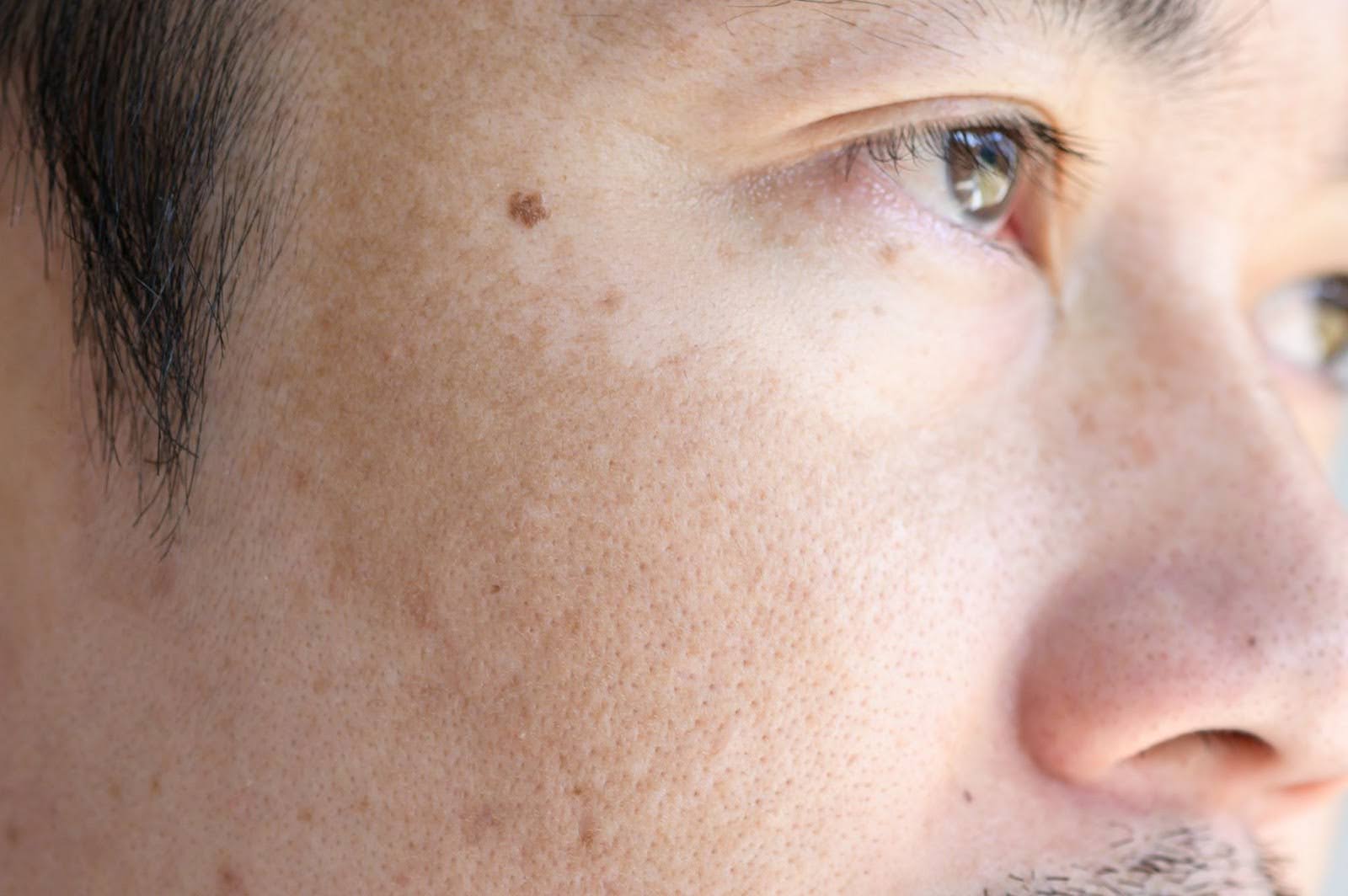
Uneven skin tone often develops slowly, which makes it easy to ignore at first. Dark patches may appear after acne, sun exposure, or hormonal changes and may persist far longer than expected. Many people try multiple skincare products without understanding why discoloration persists. That trial-and-error process often leads to irritation rather than improvement. Learning how to get rid of hyperpigmentation becomes more manageable when treatment choices align with how the skin actually produces and regulates pigment.
Hyperpigmentation occurs when the skin produces excess melanin in certain areas. This process usually begins as a protective response to irritation, ultraviolet exposure, or internal changes. Instead of being evenly distributed, melanin clusters form visible dark patches. Addressing the root cause of this response helps reduce recurrence and improve treatment outcomes.
Hyperpigmentation appears as flat areas of discoloration that range from light brown to deep gray. On lighter skin tones, these spots often appear tan or reddish-brown, while on deeper skin tones, they appear darker. Early discoloration can seem harmless, delaying proper care. Over time, untreated areas may deepen and spread. The contrast often becomes more noticeable under certain lighting. Recognizing these patterns allows for more appropriate treatment choices.
Sun exposure triggers melanin production as the skin attempts to protect itself. Repeated ultraviolet exposure reinforces this response and increases pigment buildup. Existing dark spots usually become more noticeable after sun exposure. Indoor lighting and window exposure still contribute to cumulative damage. Daily sun protection reduces this ongoing stimulation. Consistent protection supports more stable treatment outcomes.
Post-inflammatory hyperpigmentation develops after the skin heals from acne or other skin irritants. During recovery, pigment production increases around the affected area. This response appears more frequently in melanin-rich skin. Picking or aggressive treatments worsen the depth of discoloration. These marks often fade slowly without proper care. Gentle healing practices shorten the fading process.
Hormonal changes can disrupt pigment regulation, leading to uneven patches. Pregnancy and hormonal therapies commonly trigger this response. Genetics also influences how strongly the skin reacts to inflammation. Some people naturally produce pigment more readily. Stress further affects hormonal balance and skin inflammation. Internal factors often shape the development of pigmentation externally.
Hyperpigmentation often returns because pigment-producing cells remember past triggers. This skin behavior occurs when melanocytes become overresponsive after repeated sun exposure or inflammation. Even when dark spots fade visibly, the underlying pigment response may remain active. Understanding this recurring pattern explains why maintenance matters as much as initial treatment.
Pigment memory refers to melanocytes responding more quickly after prior stimulation. These cells do not reset immediately once discoloration fades. Repeated sun exposure or irritation reinforces this heightened response. That pattern explains why dark spots often reappear in the exact locations. This behavior does not mean treatment failed. It indicates the skin needs ongoing regulation rather than short-term correction.
One-time treatments focus solely on removing visible pigment. The underlying melanocyte sensitivity often remains unchanged. Without protective habits, triggers reactivate pigment production. Sun exposure commonly reawakens dormant discoloration. Maintenance routines reduce these flare-ups. Long-term consistency produces more stable results.

Daily habits strongly influence how the skin recovers from discoloration. Consistency supports gradual improvement and prevents new dark spots. Small, repeated actions protect progress made through treatment. These routines form the foundation of long-term skin clarity.
Daily sunscreen use limits excessive melanin activity. Broad-spectrum formulas shield the skin from UVA and UVB rays. Reapplication becomes important during prolonged exposure. Protective clothing adds another layer of defense. This daily practice reduces the risk of dark spot recurrence. Treatment results remain more stable with consistent protection.
Gentle cleansing preserves the skin’s protective barrier. Harsh products increase irritation and trigger pigment rebound. Lukewarm water reduces sensitivity during cleansing. Overwashing strips essential moisture. Calm skin regulates pigment more effectively. Barrier health directly supports fading progress.
Frequent product changes interrupt the skin’s adjustment cycle. Each new formula resets progress and increases the risk of irritation. Most treatments require several weeks to show improvement. Constant switching prevents measurable results. Tracking one routine improves clarity over time. Consistency supports predictable outcomes.
Certain skincare ingredients directly influence pigment production. Others improve skin turnover and reduce inflammation. Using them thoughtfully prevents irritation. Understanding their purpose leads to better results.
Vitamin C slows melanin production and supports collagen. This antioxidant also protects against environmental stress. Stable formulas perform better than highly acidic versions. Morning use pairs well with sunscreen. Brightening appears gradually with consistent application. Overall skin tone becomes more even over time.
Niacinamide helps regulate uneven skin tone and redness. This ingredient strengthens the skin barrier with continued use. Sensitive skin types usually tolerate it well. Oil balance improves alongside tone correction. Texture becomes smoother with regular application. Results develop steadily without irritation.
Retinoids increase skin cell turnover and clarity. Pigmented cells shed as new skin forms. Low-strength formulas reduce irritation risk. Night use prevents sun sensitivity complications. Moisturizers support comfort during use. Proper pacing avoids setbacks.
Skin barrier strength directly affects how pigmentation behaves. A weakened barrier allows irritation to penetrate deeper layers. That irritation signals melanocytes to increase pigment production. Strengthening the barrier reduces inflammatory triggers and supports even tone.
Barrier damage increases water loss and sensitivity. This weakened state makes the skin more reactive to stress. Inflammation becomes more frequent and prolonged. Melanocytes respond by producing more melanin. Over time, this response deepens discoloration. Repairing the barrier calms pigment signaling.
Aggressive exfoliation disrupts barrier function. Frequent use of acid or retinoids increases the risk of irritation. That irritation counteracts pigment-fading benefits. Skin often darkens as a protective reaction. Reducing intensity allows healing to begin. Balanced routines support steady improvement.
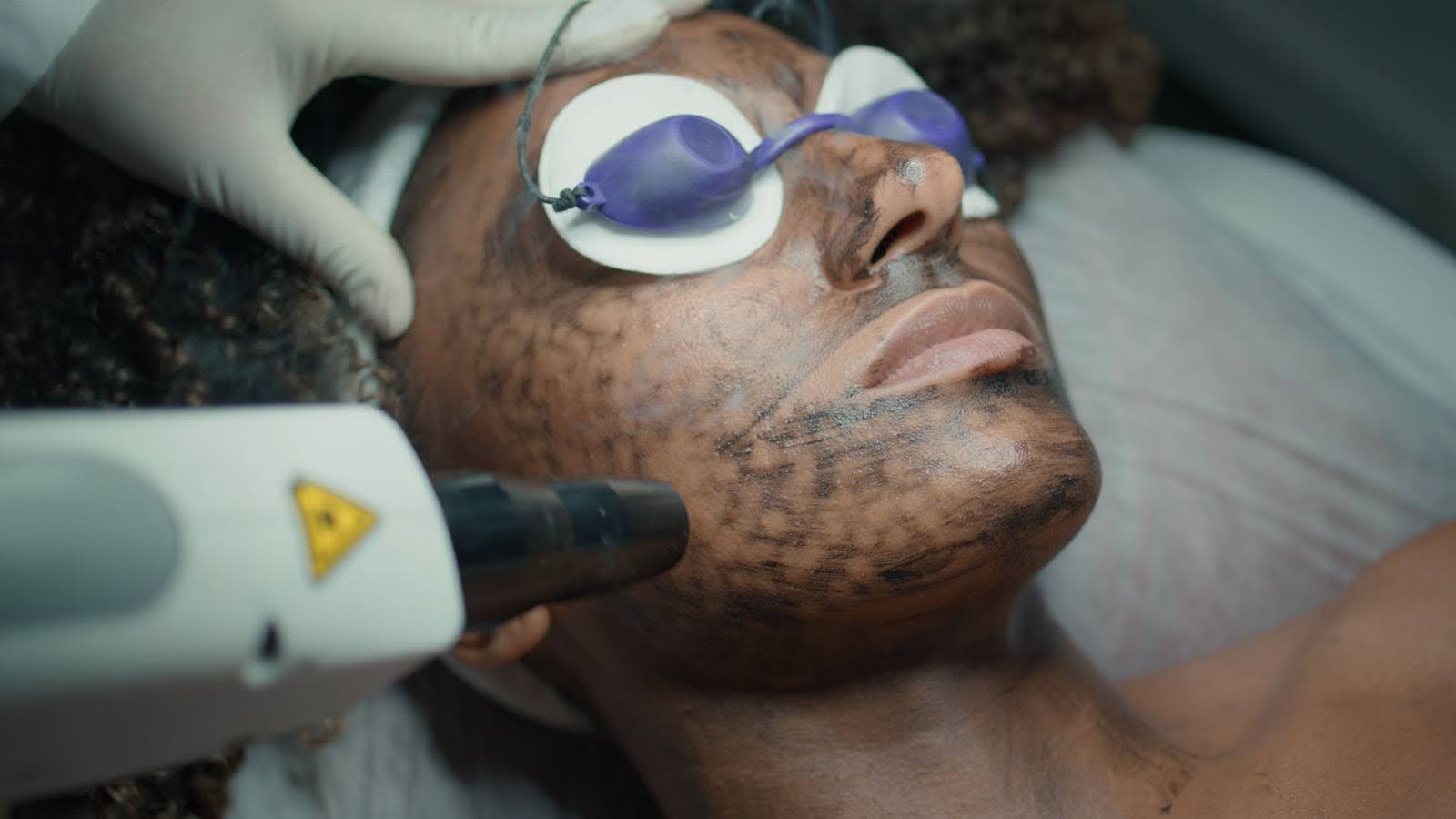
Some pigmentation forms deep within the skin layers. Topical treatments may not fully reach these areas. Clinical procedures offer targeted solutions. Professional evaluation improves safety and effectiveness.
Chemical peels exfoliate layers containing excess pigment. Light peels treat mild discoloration. Medium peels reach deeper pigment clusters. Recovery time varies by peel depth. Proper aftercare reduces the risk of rebound pigmentation—clinics base their protocols on current dermatology standards.
Laser treatments break pigment into smaller particles. The body clears these particles gradually. Results depend on pigment depth and skin tone. Incorrect settings increase discoloration risk. Skilled providers adjust treatment carefully. Follow-up care supports proper healing.
Natural approaches support skin health when used correctly. These methods complement clinical treatments rather than replace them. Results develop slowly and require consistency. Realistic expectations improve satisfaction.
Aloe vera calms irritated skin and reduces inflammation. This soothing effect supports balanced pigment production. Hydration improves skin resilience. Both fresh and formulated options provide benefits. Changes remain subtle but steady. Overuse rarely causes sensitivity.
Antioxidant-rich foods support skin repair processes. Adequate hydration improves cell turnover. Excess sugar promotes inflammation and imbalance. Balanced meals support overall skin recovery. Internal habits often reflect on skin tone. Dietary choices influence pigmentation outcomes.
Many treatment delays come from avoidable habits. Some actions quietly reverse progress. Awareness prevents unnecessary frustration. Correcting mistakes accelerates improvement.
Excess exfoliation weakens the skin barrier. Irritated skin produces more pigment. Redness often precedes discoloration. Gentle exfoliation supports healing. Recovery time allows pigment to fade. Calm skin responds better to treatment.
Quick-fix products are often irritating. Aggressive formulas worsen discoloration. Skin renewal takes time and consistency. Gradual improvement lasts longer. Professional guidance reduces risk. Realistic timelines protect skin health.
Ignoring professional skin care guidance often leads to misdirected treatment choices. Many people rely on online trends that do not account for pigment depth or skin type. This lack of personalization increases irritation and delays progress. Professional recommendations align treatments with actual skin behavior. Guided care also helps prevent overlapping or conflicting products. Expert input reduces trial-and-error frustration.
Using incompatible products together disrupts skin balance and slows fading. Certain active ingredients cancel each other out or increase irritation. This reaction often triggers increased pigment production rather than correction. Many routines fail due to poor layering rather than poor products. Understanding compatibility improves treatment efficiency. Simpler routines usually produce more precise results.
Stopping treatment too soon interrupts the skin’s natural renewal cycle. Visible fading often begins before pigment regulation stabilizes. Ending care early allows dark spots to resurface. Consistency reinforces long-term pigment control. Gradual progress signals a healthy skin response. Patience supports lasting improvement.
Hyperpigmentation fades according to the depth of the pigment and the rate of skin turnover. Surface-level discoloration resolves faster than deep pigment deposits. Skin renewal cycles influence visible progress. Realistic timelines help prevent unnecessary product changes.
Epidermal pigmentation sits near the skin surface. This type often fades within weeks with proper care. Dermal pigmentation lies deeper and takes longer to develop. Results may take several months to appear. Treatment patience becomes critical in these cases. Gradual improvement signals healthy skin renewal.
Initial fading often appears uneven or slow. Skin renews in cycles rather than all at once. Temporary darkening may occur during cell turnover. This phase usually discourages consistency. Continued care allows clearer skin to emerge. Understanding this process reduces frustration.
Lasting improvement begins when hyperpigmentation is treated as a long-term skin behavior rather than a surface flaw. Progress grows from protecting the skin daily, reinforcing its barrier, and allowing treatments the time they need to work. Each consistent choice reduces the signals that trigger excess pigment production. When care stays steady and informed, the skin responds with clearer tone and more predictable results over time.
Discover practical skin knowledge shaped by clinical experience on the Naples Laser & Skin Aesthetics blog, where science and care meet.
%402x.svg)