.png)
.png)
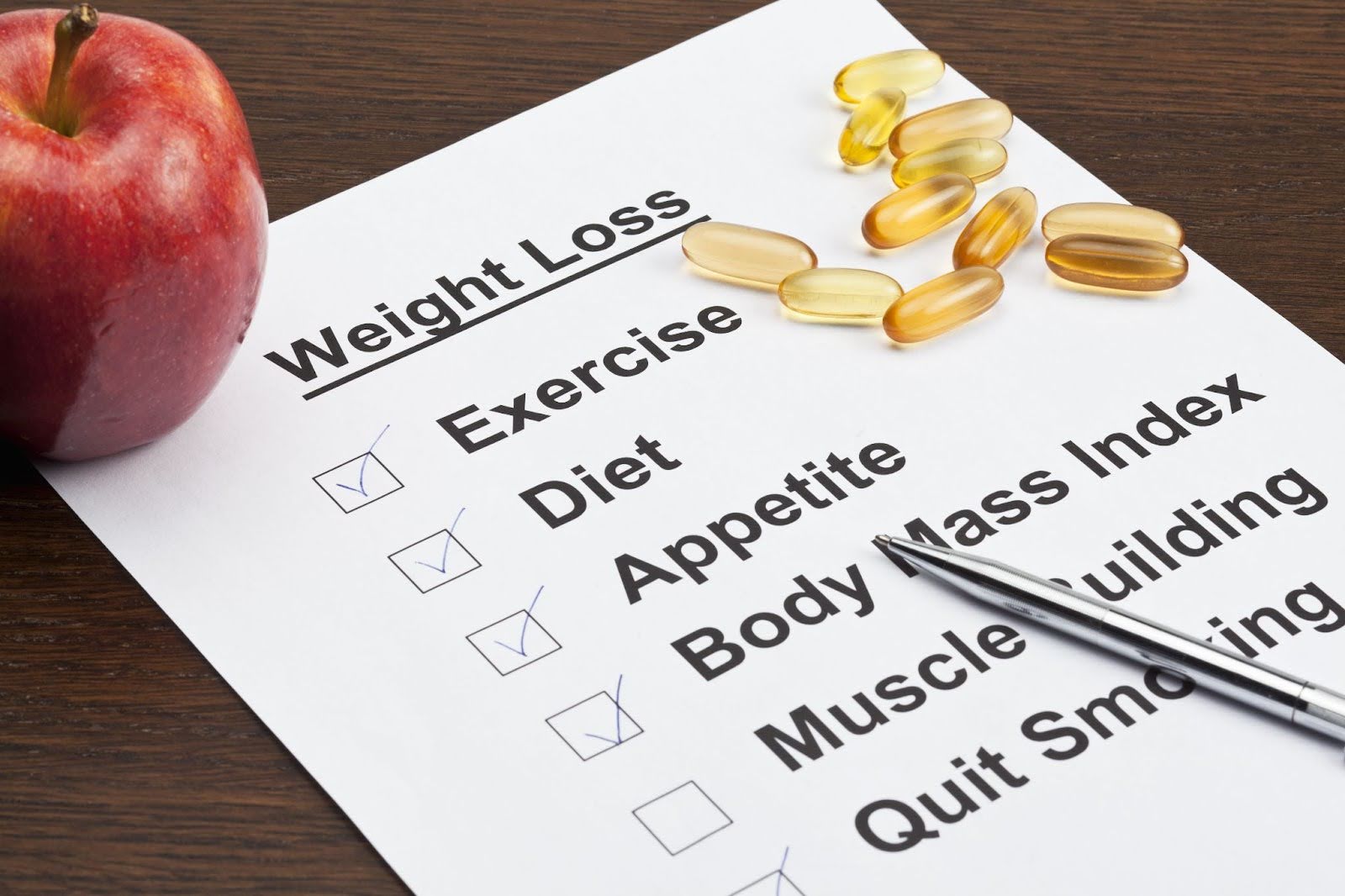
The search for the right weight-loss plan can feel overwhelming because the body reacts differently to food, stress, and movement. People want practical steps that fit their lifestyle, not strict ideas that fall apart under busy days. Many struggle with conflicting advice that makes progress confusing and frustrating. Clear guidance helps reduce pressure and brings structure to daily choices. This introduction sets the stage for a path that feels personal, doable, and grounded in real-life habits.
Healthy weight loss starts with a clear understanding of your current habits and daily patterns. Your routine reveals how your body uses energy, responds to hunger, and recovers after stress. These details guide you toward a realistic plan that matches your needs. This foundation helps you move with confidence instead of guessing what might work.
Your daily patterns influence how your body responds to food and activity. Many people spend long hours sitting, which lowers energy use and affects hunger cues. Others move all day but fail to eat balanced meals, which slows progress. A close look at these patterns helps you choose a plan that aligns with your schedule. You gain clarity when you understand how sleep, stress, and timing affect your eating choices. This process makes your plan easier to follow. You build healthier habits faster as you learn what works for your body.
Realistic weight loss goals support consistent progress and reduce frustration. You benefit from goals that match your energy levels and daily demands. Smaller milestones create a smoother path and keep your motivation steady. This approach allows you to bounce back after tough days instead of quitting. You feel more capable when your goals fit your routine, which creates trust in your progress. You gain momentum as results appear steadily.
Your body sends signals that guide hunger, fullness, and energy. These signals shift in response to stress, sleep, hydration, and activity. When you pay attention to them, you choose meals and timing that fit your natural rhythm. This awareness prevents overeating and emotional eating. You learn which foods help you feel strong and balanced. You also gain insight into cravings that appear during stressful moments. These insights support smarter choices every day.
Matching a weight loss plan to your body type helps you see progress without guesswork. Your body composition influences how you burn calories, store fat, and react to nutrients. These factors vary from person to person and impact how effective a plan may be. By aligning your strategy with your body’s needs, you create a smoother journey toward your goals.
Body composition refers to your muscle mass, fat levels, and water balance. People with more muscle burn energy faster, which supports steadier progress. Others may burn energy more slowly and need structured meals that support muscle growth. A weight loss plan built on your composition helps improve strength and stability. You learn how certain foods support muscle repair and appetite control, creating a cycle that promotes long-term results. You gain confidence as your body becomes more efficient.
Your metabolism affects how quickly your body converts food into energy. Many people experience shifts in metabolism due to age, stress, or inactivity. These shifts influence how quickly you see results. A plan that works with your metabolic pattern helps you maintain steady progress. Balanced meals and consistent movement support metabolic health. A routine that aligns with your energy needs enables you to feel better. This approach reduces frustration and improves long-term success.

Your activity level shapes your nutritional needs. People with active lifestyles may require more balanced meals to support energy. Those with low activity may need a structured plan to avoid overeating. Tracking your steps gives you a clear picture of your starting point and helps you adjust your plan with confidence. You gain stability when your activity matches your fuel intake. This balance supports better weight loss outcomes.
Different weight loss approaches offer unique benefits depending on your lifestyle. Some plans provide structure for those who want clear steps. Others offer flexibility for people with changing schedules. This variety gives you room to choose a method that feels manageable and realistic.
Structured meal plans give you set portions and balanced combinations. This framework helps reduce decision fatigue and supports people with busy routines. You spend less energy planning meals and more time focusing on consistency, which reduces the risk of overeating. You also gain a better understanding of serving sizes. Many people find the routine supportive and straightforward, making structured plans ideal for those who want direction.
Flexible plans allow you to adjust meals without feeling restricted. These plans work well for unpredictable schedules. You still follow balanced eating patterns, but you have freedom in timing and food choices. This flexibility helps reduce stress around meals. People who prefer variety often benefit from this approach. Flexibility supports long-term commitment. It also creates space for social activities without derailing progress.
Balanced eating focuses on whole foods that support steady energy and hunger control. This approach includes proteins, healthy fats, and nutrient-rich carbs. You don’t rely on strict rules, which reduces pressure. This style works well for families or shared meals. You enjoy food without feeling overwhelmed. Many people appreciate the ease and stability of this approach. It supports weight loss and long-term health.
Sustainable habits create long-lasting results that hold up during busy periods. These habits shape your daily routine and guide your choices with less effort. Step-by-step adjustments help build structure without pressure. This approach supports steady progress without burnout.
Healthy habits grow through small, consistent actions. You create structure by starting with one manageable change. These changes can include meal prep or shorter daily workouts. Gradual steps help you avoid stress and fatigue. With repetition, the new routine feels natural. This steady rhythm leads to more substantial progress. You feel more in control.

Your daily routine influences how well your body responds to your weight loss plan. Consistent meal timing prevents dips in energy. Regular movement supports better mood and metabolism. Hydration boosts your focus and overall comfort. Sleep regulates hunger signals and energy levels. These routines build a stable foundation. A strong foundation supports your long-term goals.
Accountability tools help you stay aware of your progress. Many people use apps to track meals, workouts, or daily steps. These tools create clear patterns you can review. They show what helps and what slows progress. Tracking increases motivation and clarity. It also highlights habits that support your goals. This awareness enables you to adjust your plan quickly.
Human behavior influences weight-loss choices more than most people realize. Many fall into routines shaped by stress, convenience, or emotional cues without noticing how these patterns guide their decisions. When you understand how habits form and why specific triggers influence eating or movement, you gain stronger control over your next steps. This insight helps you select a plan that aligns with your tendencies rather than fighting them. You feel more aligned with your goals because your behavior becomes easier to manage. The process becomes smoother as you become more aware of what drives your choices. This clarity supports lasting progress.
Many people need additional support during their weight loss journey. This support helps when health conditions or emotional factors affect progress. Professional guidance adds structure and reduces confusion, creating a safer, more reliable path forward.
Health professionals offer tailored insights based on medical history. They help you understand how certain conditions affect appetite and progress. They also guide you in choosing foods that match your body’s needs. Professional advice reduces trial and error. It simplifies decisions in stressful moments. You benefit from their experience with similar cases. Their support creates a clear direction.
Some people have conditions that affect metabolism or appetite. Professionals can test for issues related to hormones, thyroid health, or digestion. They may recommend targeted treatments to support fat loss and stability, making your journey less confusing. You gain a sense of direction that feels safe and realistic. Progress improves when your body receives the proper care. You move forward with more confidence.
Real change starts when you align your plan with choices that fit your real life, not an ideal version of it. Your body responds when consistency replaces uncertainty and when goals align with your daily rhythm. Each small action strengthens your commitment and builds progress that feels natural instead of forced. Step into this moment with clarity and choose the habits that guide you toward lasting results.
Find clear answers and expert wellness direction on the Naples Laser & Skin Aesthetics blog and stay informed with every step you take.
%402x.svg)