.png)
.png)
Skin resurfacing appeals to people who want visible improvement without relying solely on daily products. The promise of smoother texture and clearer tone feels exciting, but lasting results matter even more. Many treatments deliver noticeable change, yet the real value lies in how long that change holds. Results depend on treatment depth, skin biology, and long-term care habits. Understanding these factors helps people approach skin resurfacing with realistic confidence rather than guesswork.
Skin resurfacing refers to professional facial treatments that refresh the skin by removing damaged cells or stimulating deeper repair. This approach improves surface appearance while encouraging healthier skin growth underneath. Unlike cosmetic cover-ups, resurfacing works with the skin’s natural renewal process. The length of results depends on how deeply the treatment affects the skin layers.
Skin resurfacing works by intentionally disrupting damaged skin so the body can rebuild it. This controlled process signals the skin to replace worn cells with healthier ones. As healing progresses, collagen production increases beneath the surface. Collagen gives skin its firmness and smooth appearance over time. Deeper treatments activate stronger repair responses. Those deeper responses usually lead to longer-lasting visible results.
Skin resurfacing often addresses acne scars that resist topical treatments. Uneven texture and rough patches also respond well to this approach. Many people choose resurfacing to reduce sun damage and discoloration. Fine lines tend to soften as new skin forms. Each concern heals at a different pace. That healing pace affects how long improvements remain noticeable.
Skin resurfacing reaches layers that skincare products cannot penetrate. This deeper access allows lasting structural change rather than surface improvement alone. Topical products depend on daily use for modest results. Resurfacing alters how skin behaves during renewal. Professional treatments reset the skin’s repair cycle more effectively. Long-term care continues to support and protect those gains.
Skin resurfacing includes several techniques designed for different goals and recovery times. Each method balances treatment depth with downtime and durability. Deeper resurfacing generally produces longer-lasting results. Choosing the right type shapes both outcome and maintenance needs.
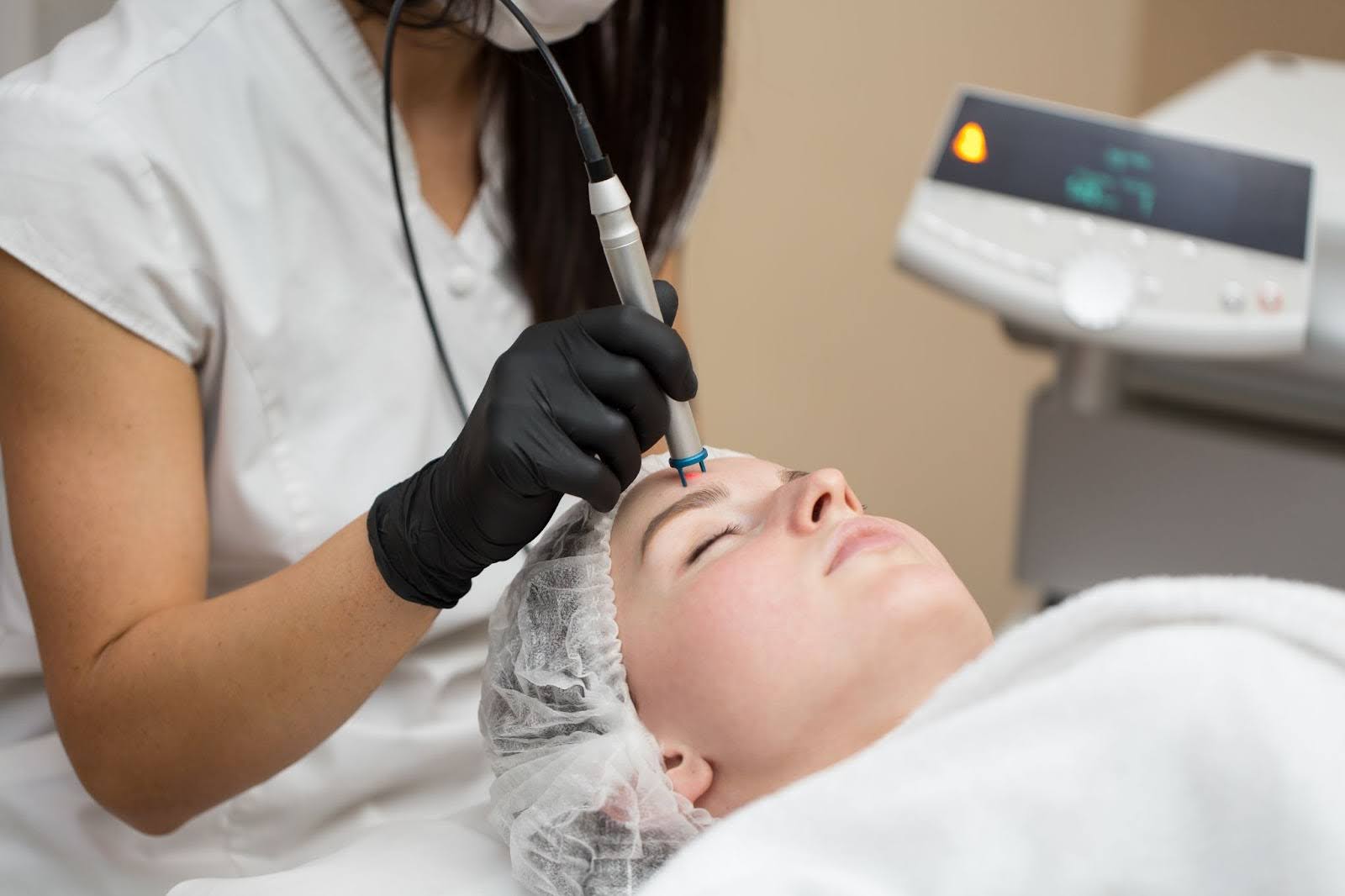
Laser skin resurfacing uses focused light energy to stimulate renewal. Ablative lasers remove damaged outer layers, resulting in a more dramatic change. Non-ablative lasers work beneath the surface without visible peeling. Ablative laser results can last several years with proper care—non-ablative treatments typically last six to twelve months. Maintenance sessions help extend both options.
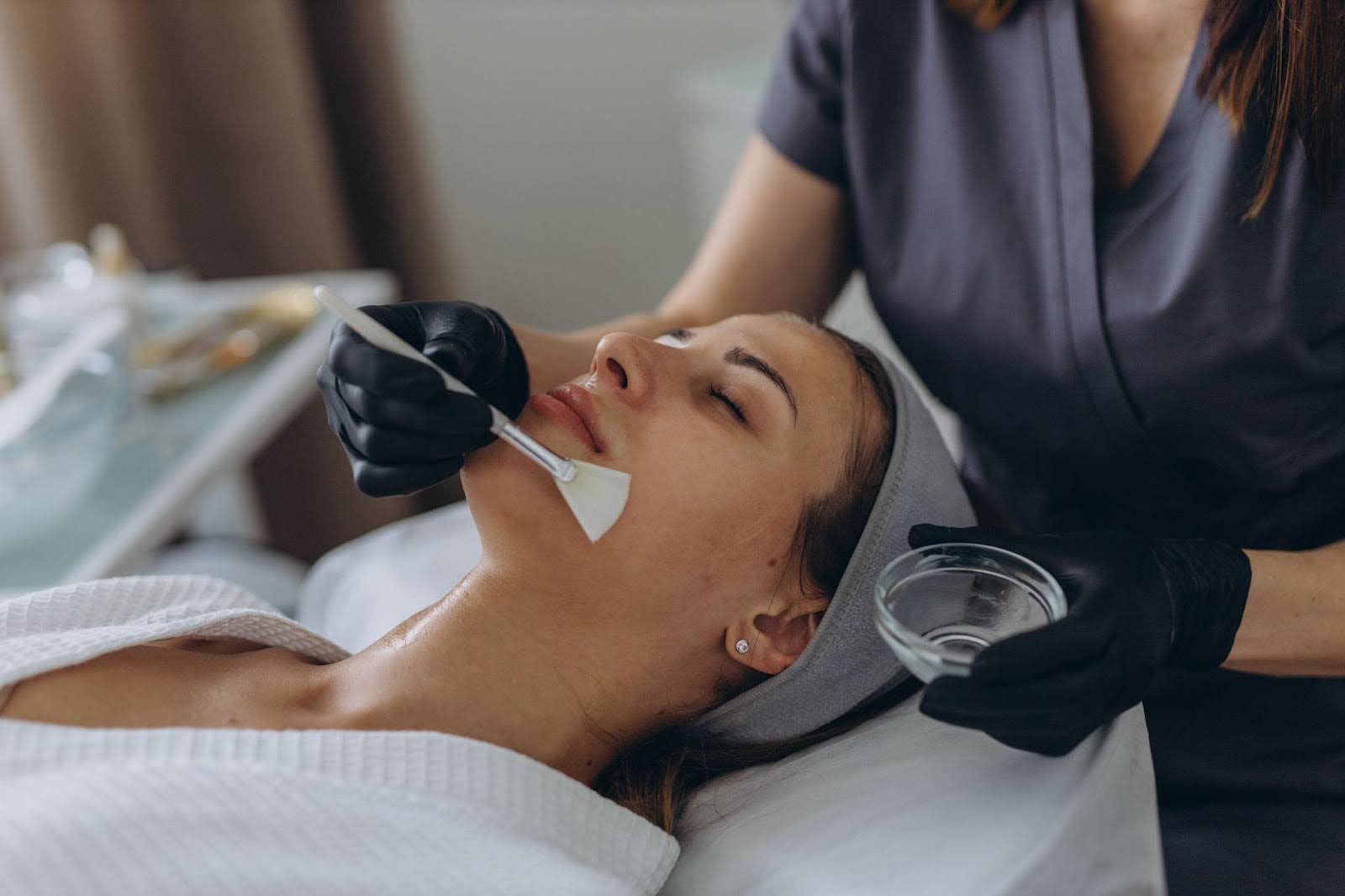
Chemical peels resurface skin by applying controlled acid solutions. Light peels refresh the surface but fade quickly. Medium peels deliver results that last several months. Deep peels can offer lasting improvement. Recovery time increases with peel depth. Sun protection plays a key role in preserving results.
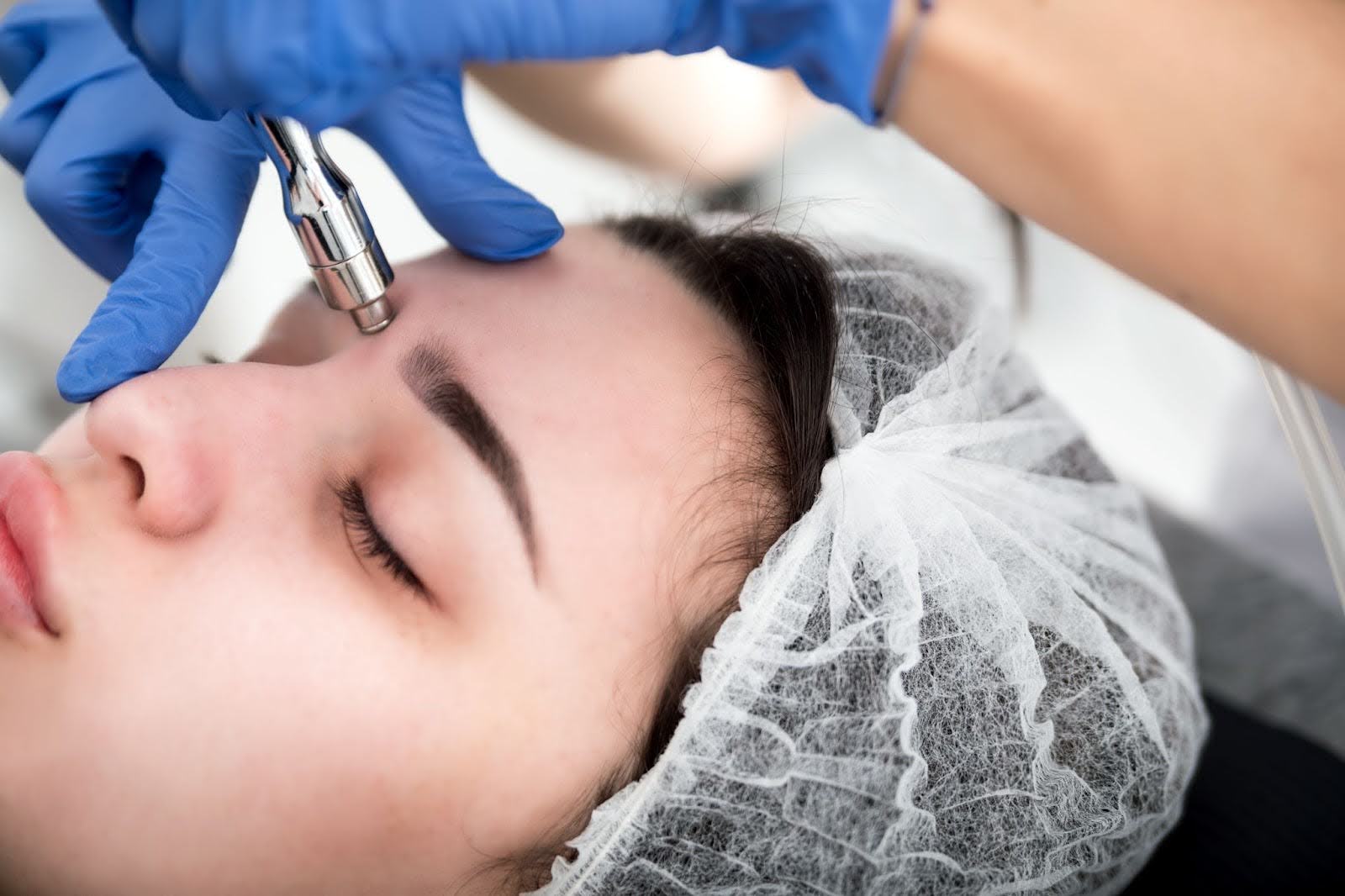
Dermabrasion removes deeper layers of the skin through mechanical exfoliation. This method often provides long-lasting improvement after healing. Recovery involves more downtime than other treatments. Microdermabrasion treats only the surface layer. Its results fade within weeks without repetition. Ongoing sessions maintain a smoother texture.
Some providers combine resurfacing methods to address multiple concerns. This strategy improves both surface texture and deeper structure. Combination treatments often extend visible improvement. Customization supports better skin response. Recovery planning becomes more critical. Longevity improves with coordinated professional care.
Skin resurfacing results vary because everyone heals differently. Biological factors influence how quickly the skin rebuilds. Daily habits also shape how long results last. Recognizing these influences helps manage expectations.
Age affects how efficiently skin repairs itself after resurfacing. Younger skin produces collagen more readily. Older skin still responds well to appropriate treatment choices. Healing may take longer with age. Without maintenance, results may fade sooner. Age influences duration but not effectiveness.
Skin type determines how resurfacing heals and lasts. Thicker skin usually tolerates deeper treatments—sensitive skin benefits from gentler approaches. Pigmentation risk varies across skin tones. Proper assessment reduces complications. Skin type guides durability expectations.
Sun exposure shortens the duration of resurfacing results faster than most other factors. UV rays break down collagen over time. Pollution also weakens skin structure gradually. Daily sunscreen slows visible aging. Protective habits preserve improvements longer. Environmental care supports sustained results.
Smoking restricts oxygen delivery to healing skin. Alcohol dehydrates skin tissue over time. Poor sleep interrupts regeneration cycles. Balanced nutrition supports collagen production. Proper hydration improves resilience. Healthy habits noticeably extend results.
Skin resurfacing affects more than short-term appearance because it interacts with the skin’s biological aging process over time. Repeated treatments influence collagen density, skin thickness, and barrier strength. When planned correctly, resurfacing supports healthier skin aging rather than temporary correction. Understanding cumulative effects helps people avoid decisions that shorten long-term results.
Repeated skin resurfacing stimulates collagen production beyond a single treatment cycle. Each controlled treatment encourages the skin to rebuild its structural framework. Over time, this process can help maintain firmness and elasticity. However, overly aggressive schedules may exhaust the skin’s repair capacity. Collagen responds best to spacing that allows full recovery. Strategic timing supports durability rather than depletion.
Skin resurfacing gradually influences epidermal thickness and resilience. Proper intervals allow the skin barrier to rebuild fully. When treatments occur too frequently, the barrier may weaken instead. A compromised barrier leads to sensitivity and faster result loss. Aesthetic clinics rely on the healing response rather than calendars for timing. Long-term skin strength protects resurfacing outcomes.
Skin resurfacing works best when viewed as part of an extended care plan. One-time treatments provide improvement, but a strategy preserves it. Providers often adjust intensity as skin biology changes with age. This adaptive approach prevents diminishing returns. Patients benefit from gradual progression rather than repeated intensity. Long-term planning supports consistent results.
Skin resurfacing requires thoughtful care once treatment ends. Post-treatment habits determine how long improvements remain visible. Simple routines often deliver better outcomes than complex regimens. Maintenance protects both results and skin health.
Daily skincare supports healing after resurfacing. Gentle cleansers protect the skin barrier. Moisturizers reduce dryness during recovery. Sunscreen prevents premature fading. Harsh exfoliants delay repair. Consistent care strengthens long-term results.
Professional maintenance supports ongoing collagen stimulation. Touch-up treatments require less intensity than initial procedures. Providers schedule sessions based on skin response. These visits help prevent visible decline. Recovery remains minimal. Planning improves satisfaction.
Dullness often signals fading resurfacing results. Texture changes appear gradually. Fine lines may return subtly. Pigmentation can resurface with sun exposure. Early maintenance restores balance. Awareness supports timely intervention.
Skin resurfacing improvements develop over time rather than instantly. Healing stages shape how results appear. Timelines vary depending on treatment depth. Understanding progression reduces frustration.
Redness fades within weeks following resurfacing. Skin feels smoother early in recovery. Texture improvement becomes noticeable quickly. Tone evens gradually as healing continues. Early changes build confidence. Greater improvements take longer.
Collagen rebuilds slowly after resurfacing. Peak improvement often appears around three months. Skin firmness improves during this period. Lines soften progressively. Patience supports realistic expectations. Collagen strengthens quietly beneath the surface.
Results fade as part of the natural aging process. Sun exposure accelerates this process. Lifestyle habits influence the pace. Maintenance slows visible decline. Repeat treatments restore benefits. Longevity depends on ongoing care.
Skin resurfacing changes how people see their skin as much as it affects its biological performance. Perception often shifts faster than measurable improvement. This gap can influence satisfaction even when results remain strong. Recognizing this difference helps set healthier expectations.
Skin resurfacing results feel most dramatic early on. Initial improvements create a strong visual contrast. Over time, changes appear more subtle. This shift does not mean results disappeared. Familiarity changes perception faster than skin changes.
Emotional response plays a role in treatment satisfaction. Confidence rises quickly after a visible improvement. As results become normal, emotional impact fades. This response happens even when skin quality remains improved. Patients may misinterpret emotional adaptation as fading results. Awareness helps maintain a realistic perspective.
Clinics often assess skin using metrics for texture, tone, and elasticity. These measures may show stability even as perceptions shift. Understanding objective markers supports long-term confidence. Providers help track progress beyond appearance alone. Education bridges the gap between feeling and fact. Clear benchmarks support satisfaction.
Skin resurfacing works best when decisions extend beyond the next appointment and focus on long-term skin health. A sustainable plan balances treatment intensity with recovery, lifestyle habits, and ongoing maintenance. This approach protects the skin barrier while supporting consistent collagen renewal over time. When skin resurfacing follows a thoughtful strategy, results remain visible, skin stays resilient, and confidence grows through care that respects how skin truly ages.
Continue exploring expert insights on skin resurfacing and long-term skin care on the Naples Laser & Skin Aesthetics blog.
%402x.svg)