.png)
.png)
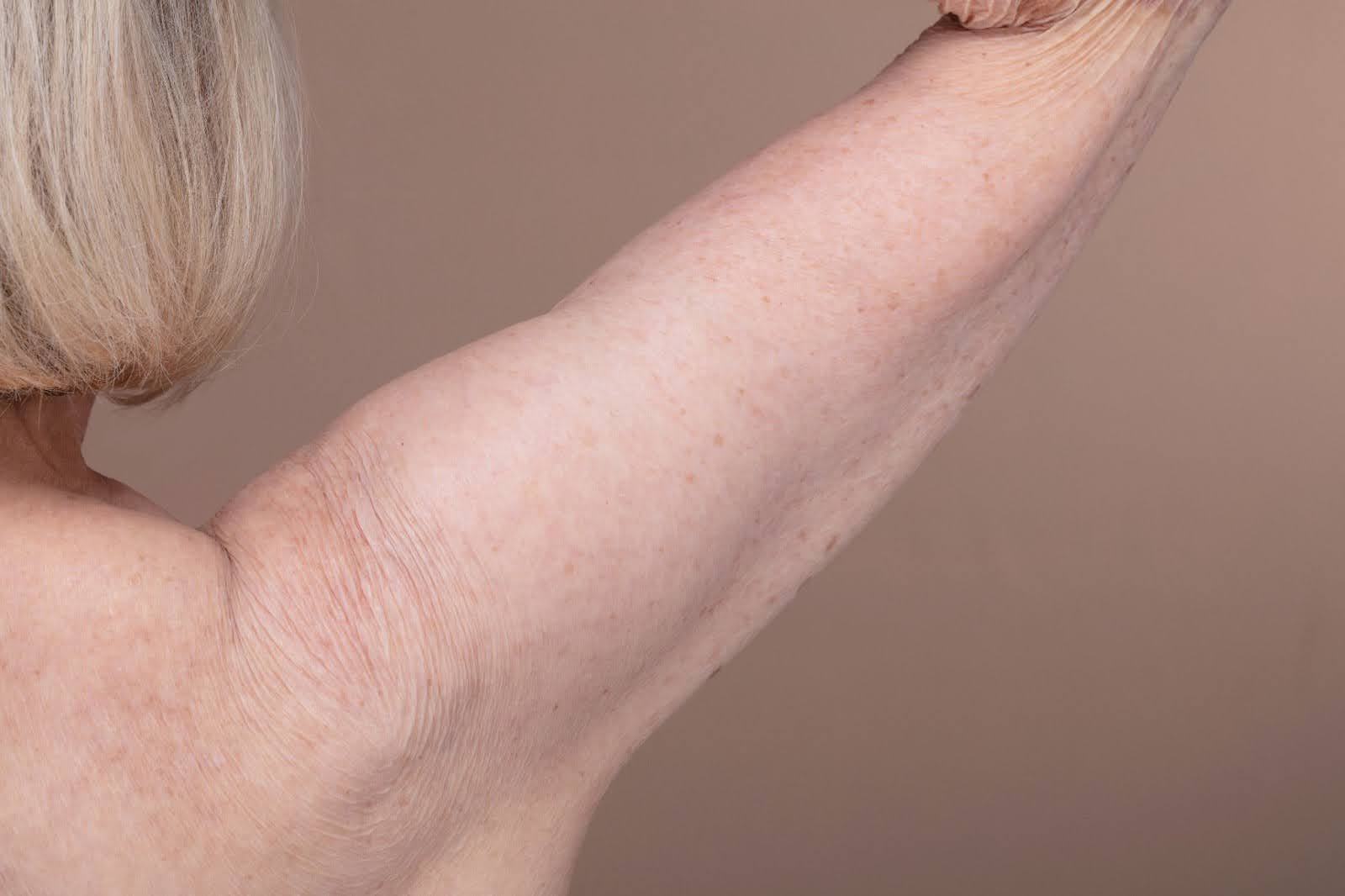
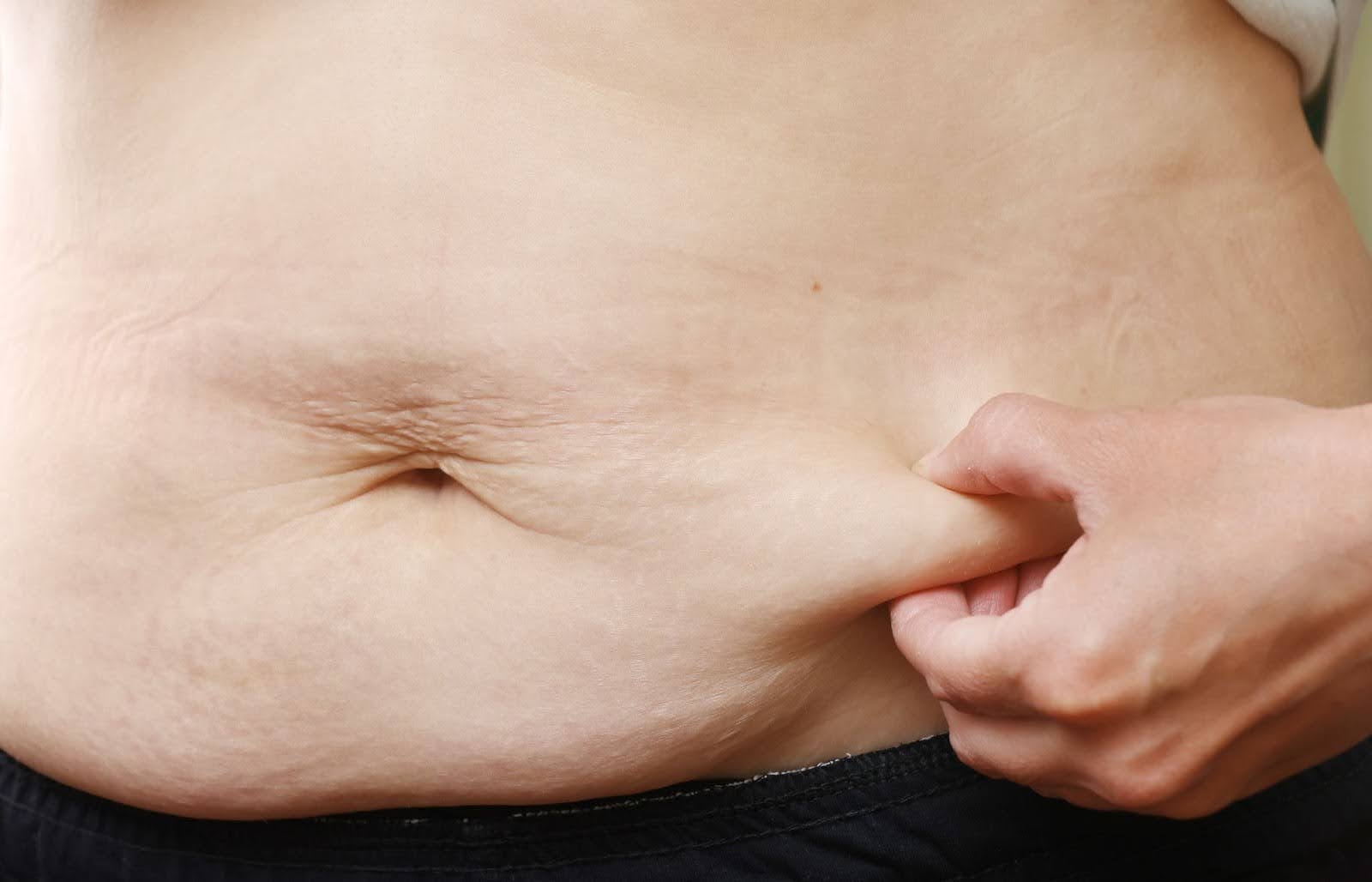
Loose skin often shows up after weight loss, pregnancy, or aging, and it can feel confusing after hard-earned progress. Many people expect the body to adjust quickly once weight or shape changes stabilize. Instead, the skin responds more slowly, depending on elasticity, overall health, and the passage of time. That slower response can create frustration because physical improvement feels incomplete. Loose skin sits between visible change and personal confidence, which makes reliable timelines and explanations especially important.
Loose skin is skin that does not retract after being stretched. This condition develops when collagen and elastin fibers weaken to the point that they can no longer rebound. Rapid changes in body size place stress on these fibers faster than they can repair. Over time, the skin loses firmness and begins to sag.
Loose skin develops when the skin stretches faster than its natural repair mechanisms can keep pace. Weight gain causes the skin to expand to hold increased volume. When weight loss follows, the skin often cannot shrink at the same rate. Aging further reduces collagen production, which limits elasticity. Hormonal changes can further slow skin regeneration. Long-term sun exposure damages collagen fibers at deeper levels. Together, these biological factors explain why loose skin varies so much between individuals.
Certain life events increase the likelihood of developing loose skin. Pregnancy stretches the skin beyond typical limits, especially around the abdomen. Significant weight fluctuations repeatedly strain skin fibers. Aging gradually reduces the skin’s natural resilience. Some medical conditions affect hormone balance and skin repair. Extended periods of muscle loss can also worsen sagging. Each of these factors contributes differently depending on timing and intensity.
Loose skin usually improves slowly over several months to two years. This timeline depends on age, skin quality, and the amount of weight lost. Early changes often feel subtle and uneven at first. Patience becomes part of the adjustment process.
Early skin changes often appear within the first three to six months after weight loss stabilizes. Initial improvement usually comes from reduced inflammation rather than tightening. Better circulation begins supporting tissue repair during this period. These early changes can feel inconsistent from week to week. Some body areas respond faster than others. Clothing fit often improves before visible firmness appears. This early phase sets the groundwork for longer-term skin adjustment.
Long-term tightening depends largely on gradual collagen rebuilding. Collagen production increases slowly with supportive habits. Younger individuals often notice improvement sooner because elasticity remains higher. Older skin tightens more gradually due to slower cell turnover. Areas with thicker skin tend to respond better over time. Full adjustment may take up to two years. Progress often continues even when changes feel subtle.
Loose skin recovery depends on a combination of internal biology and external habits. Some influences remain outside personal control, while others respond to daily choices. Sleep, nutrition, and physical activity affect the rate of repair. Understanding these factors helps set realistic expectations.
Genetics determines baseline skin thickness and collagen strength. Some people inherit skin that retains firmness longer. Others experience sagging earlier despite healthy routines. Skin type affects how noticeable looseness becomes. Thicker skin often tightens more effectively than thinner skin. Fat distribution patterns also vary by genetics. These inherited differences explain why results differ so widely.
Nutrition directly affects the skin’s ability to repair itself. Protein supplies the amino acids needed for collagen production. Low protein intake slows tightening over time. Vitamin C supports collagen formation within skin tissue. Zinc assists wound healing and structural repair—poor nutrition delays visible improvement. Consistent, balanced intake supports steady recovery.
Hydration supports skin structure at the cellular level. Water helps maintain elasticity and volume within skin cells. Dehydrated skin appears thinner and more prone to sagging. Adequate hydration improves circulation throughout the tissue. Better circulation delivers nutrients more efficiently. Moisturizers support comfort but do not repair deeper layers. Internal hydration drives meaningful change.
Loose skin tightening often slows or stops after a certain point, even with consistent habits. This plateau happens when skin fibers reach their biological recovery limit. At that stage, additional effort produces diminishing visual change. Understanding this process helps prevent unnecessary frustration.
Skin tightens through collagen remodeling, which follows a limited repair cycle. Once collagen fibers stabilize, the body shifts from repair to maintenance. This shift reduces visible tightening even if healthy habits continue. The process reflects efficiency rather than failure. Prolonged calorie restriction can also signal the body to conserve resources. Conservation slows collagen renewal further. This biological decision explains why progress may level off.
Consistency supports repair only while the skin remains responsive. Over time, skin adaptation reduces the visible effect of the same habits. Muscle growth may continue even as skin changes slow. This mismatch creates the impression that the effort stopped working. In reality, internal health may still improve. Visual expectations often lag behind physiological reality. Recognizing this gap helps realign goals.
Skin repair requires surplus energy, not just nutrients. Extended calorie deficits reduce the body’s willingness to invest in collagen. This energy prioritization favors vital organs over cosmetic repair. As a result, loose skin may persist despite adequate protein intake. Gradual caloric balance supports better repair signals. Short recovery phases may help restore skin responsiveness. Energy availability often receives less attention than it deserves.
Exercise can reduce loose skin by altering body composition over time. Muscle growth fills space beneath the skin and improves support. This structural support minimizes the appearance of sagging. Regular movement also improves circulation and tissue repair.
Strength training builds muscle in areas affected by loose skin. Added muscle helps smooth contours by supporting the skin from underneath. Arms, legs, and glutes often respond exceptionally well. Consistency matters more than lifting heavy weights. Compound movements stimulate growth hormone release. These hormones assist tissue repair indirectly. Visible improvement develops gradually over months.
Cardio exercise supports circulation and helps reduce fat. Fat loss can initially make loose skin more noticeable. Over time, improved circulation aids recovery and skin tone. Excessive cardio may reduce muscle mass. Muscle loss can worsen the appearance of sagging. Balanced routines help prevent this issue. Cardio works best when paired with resistance training.
Skincare products affect surface appearance rather than skin structure. Creams temporarily hydrate and smooth the outer layer. They cannot remove excess skin. Understanding these limits helps manage expectations.
Retinoids increase skin cell turnover with consistent use. This process can thicken the skin slightly over time. Peptides support surface firmness. Hyaluronic acid improves hydration and texture. These ingredients gradually improve tone and smoothness. Results remain modest and cosmetic. Structural tightening does not occur through topical products.
Topical skincare supports surface health rather than skin retraction. Ingredients like retinoids increase cell turnover and, over time, slightly thicken the skin. Hyaluronic acid improves hydration, which can reduce the appearance of creasing. Peptides may enhance surface firmness. These effects improve texture but do not remove excess skin. Structural tightening requires changes in collagen beneath the skin. Skincare works best as a supportive measure, not a corrective solution.
Medical treatments target deeper layers of the skin. These options are typically used for moderate to severe looseness. Professional evaluation helps determine suitability. Results vary based on method and skin condition.
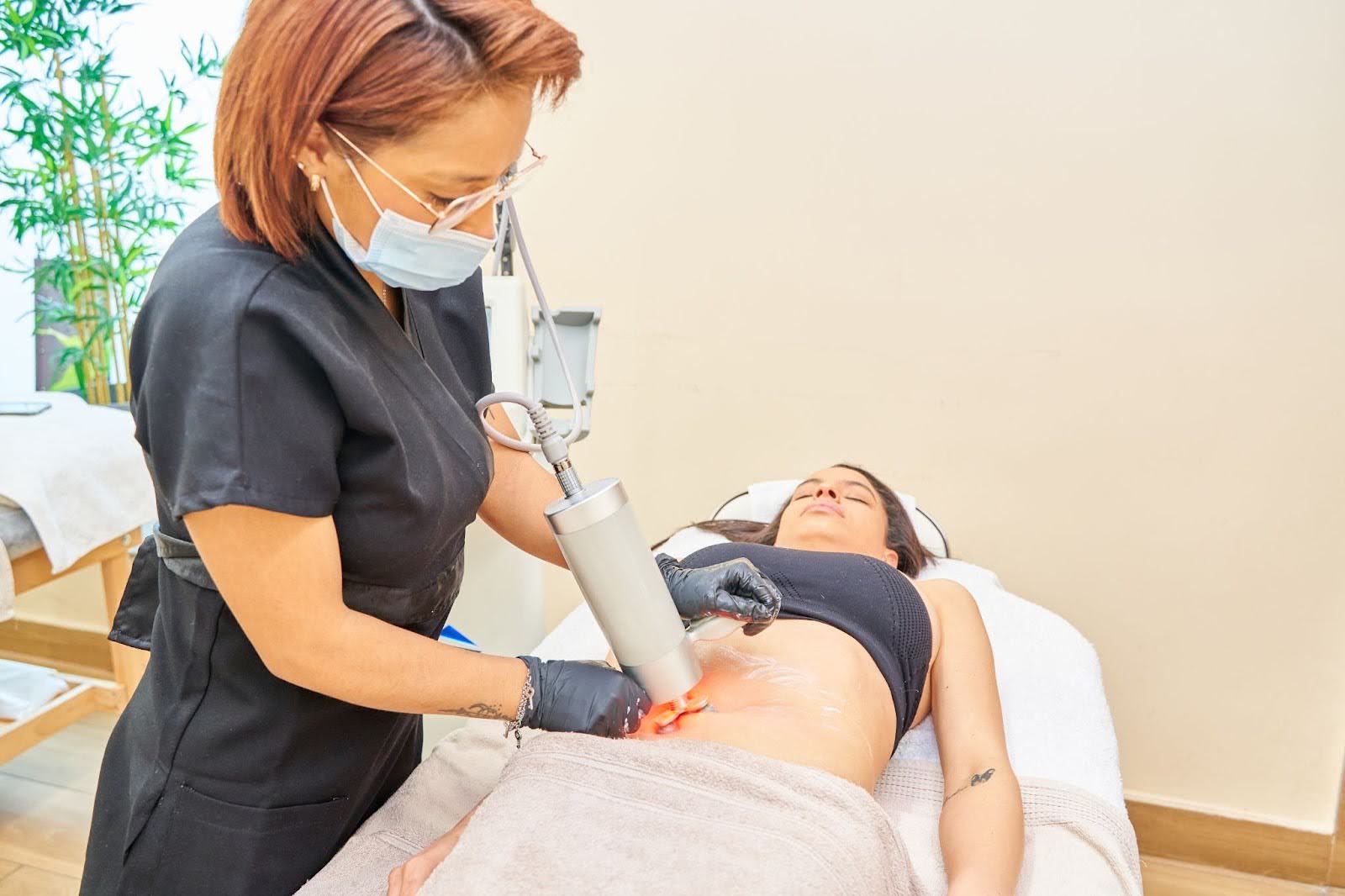
Non-surgical treatments stimulate collagen using controlled energy. Radiofrequency heats deeper skin layers to trigger repair—ultrasound targets specific tissue depths. Results develop gradually over several months. Multiple sessions are often required for visible change. These treatments are suitable for mild to moderate looseness. Improvements remain subtle compared to surgery.
Surgery removes excess skin permanently. Standard procedures include tummy tucks and body lifts. These options suit extensive loose skin after significant weight loss. Results become visible after healing completes. Recovery includes swelling and scarring. Healing often takes weeks to months. Choosing an experienced surgeon reduces risks.
Loose skin often affects confidence and body image, especially after physical progress that required discipline and effort. Many people feel conflicted when their appearance does not match how strong or healthy they feel. Clothing fit issues and visible skin changes can create daily reminders that influence mood and self-perception. Social situations may heighten self-awareness, particularly when comparisons arise. These emotional responses are common and valid. Recognizing them helps reduce self-blame and supports healthier adjustment over time.
Loose skin responds best when expectations align with how the body actually repairs tissue over time. Daily habits like nutrition, training balance, and recovery create the foundation for visible improvement, but progress may still reach a natural limit. At that stage, professional aesthetic care can offer targeted support through treatments designed to stimulate collagen or address excess skin directly. Consulting qualified aesthetic professionals helps clarify which options fit your goals, timeline, and skin condition. Purposeful choices, guided by knowledge and expert care, shift loose skin management from frustration toward measurable progress.
For deeper insights on loose skin, skin health, and aesthetic care, explore the Naples Laser & Skin Aesthetics blog for expert-guided information you can trust.
%402x.svg)