.png)
.png)
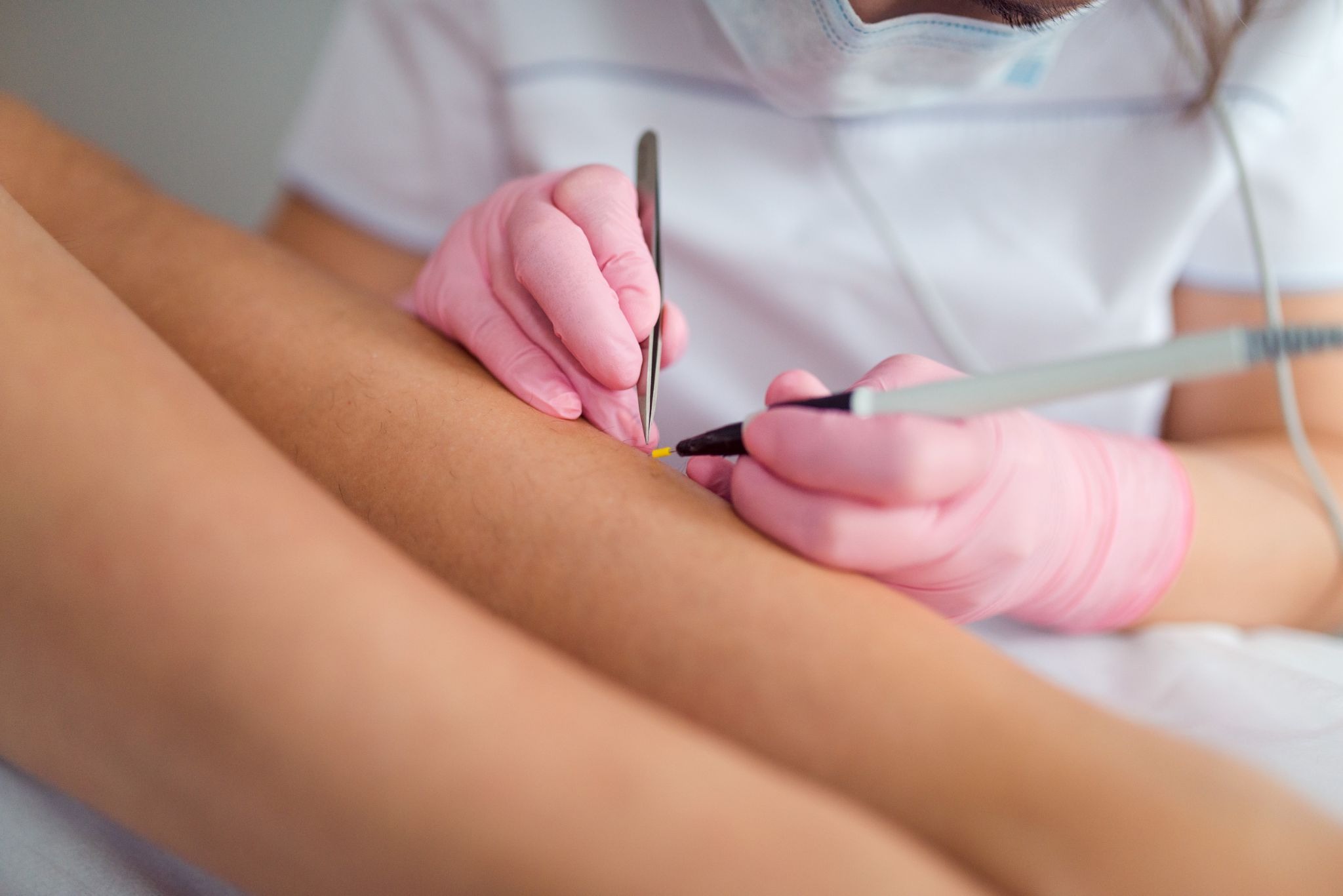
Unwanted hair can be frustrating when it keeps coming back after every removal method. Many people want a solution that goes beyond shaving, waxing, or threading. Some treatments focus only on the surface, while others target the root of the problem. A method that addresses hair growth at its source offers longer-lasting results. Understanding how this approach works helps you choose a more effective path for smoother skin.
Electrolysis is a permanent hair removal method that destroys hair follicles using electrical current. This process targets each hair individually to stop future growth. It works on all skin tones and hair types, unlike many other treatments. Licensed professionals perform electrolysis in accordance with clinical standards for safety and precision.
Electrolysis treatment involves inserting a very fine probe into a hair follicle. This process delivers a small electrical current directly to the hair root. The current damages the follicle so it can no longer produce new hair. Each hair is treated individually for accuracy and effectiveness. The method works on areas like the face, underarms, and bikini line. This approach makes electrolysis one of the most precise hair removal options available.
Electrolysis is considered permanent because it destroys the follicle responsible for hair growth. This process prevents the treated follicle from producing another hair strand. Unlike temporary methods, it addresses the root cause rather than just removing visible hair. Results depend on consistent sessions and proper treatment timing. According to clinical data and dermatology guidelines, electrolysis is the only FDA-recognized permanent hair removal method. This recognition supports its long-term reliability.
Electrolysis works by applying controlled electrical energy to individual hair follicles. This process disrupts the follicle’s ability to grow hair over time. Each step focuses on precision to avoid damage to surrounding skin. Understanding the sequence helps explain why multiple sessions are required.
A typical session begins with a sterile probe placed into the natural opening of the hair follicle. The probe follows the path of the hair, so it does not break the skin. A controlled current then travels to the base of the follicle to target the growth cells. That energy weakens the follicle so it cannot keep producing hair. Afterward, the treated hair slides out gently with tweezers. The practitioner repeats this process with careful precision across the treatment area.
Inside the follicle, the current targets the structures responsible for new hair growth. The dermal papilla and surrounding cells lose their ability to support another strand. Heat, chemical action, or a combination of both can cause this damage, depending on the method used. When the follicle can no longer recover, regrowth stops permanently. Nearby skin stays largely unaffected when the treatment is performed correctly. That targeted action is what makes the method so precise.
Hair grows in cycles, which is why one session cannot treat every follicle at once. Only hairs in the active growth stage respond fully during treatment. Some follicles remain dormant or are not visible during earlier appointments. Follow-up sessions allow the practitioner to catch new hairs as they enter the right phase. Regular timing improves progress and helps reduce ongoing regrowth. This cycle-based approach leads to fuller, more lasting results over time.
Electrolysis includes different methods that use electrical energy in specific ways. This process adapts to hair type, skin sensitivity, and the treatment area. Each method achieves the same goal but uses different techniques. Understanding these options helps clients choose the most suitable treatment.
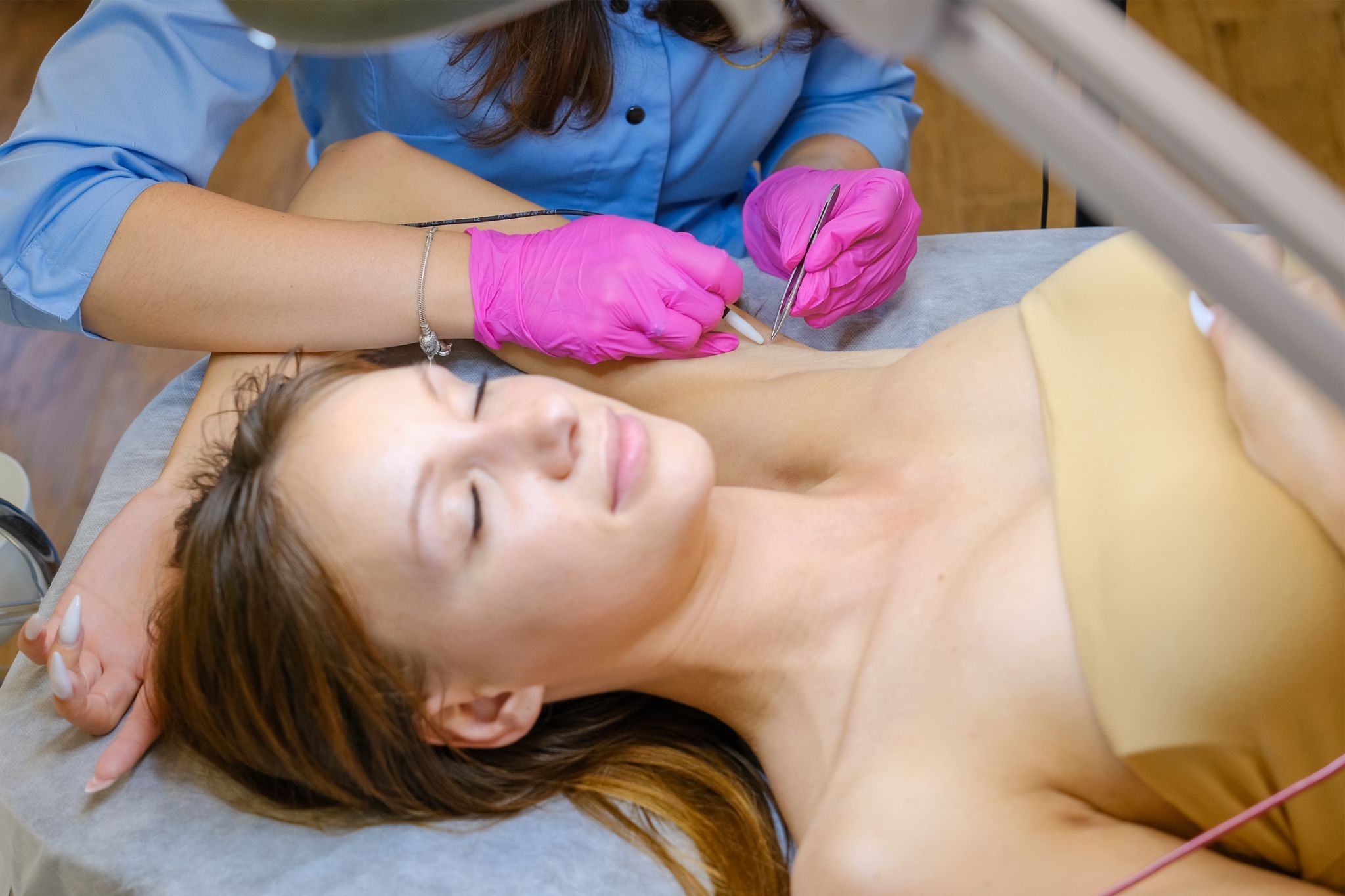
Galvanic electrolysis uses a chemical reaction to destroy the hair follicle. This process sends a direct current that produces a natural chemical inside the follicle. The chemical breaks down the cells responsible for hair growth. It works well for coarse or deeply rooted hair. The method can take longer because it treats each hair gradually. This technique remains effective for precise, stubborn hair removal.
Thermolysis uses heat generated by high-frequency current to destroy the follicle. This process works faster than galvanic electrolysis in many cases. The heat instantly damages the follicle, stopping hair growth. It suits larger treatment areas due to its speed. However, it requires skill to avoid skin irritation. This method is commonly used in modern electrolysis clinics.
The blend method combines galvanic and thermolysis techniques into a single treatment. This process uses both heat and chemical action to destroy the follicle. It increases effectiveness for different hair types and growth patterns. Many practitioners prefer this method for its balanced results. It can treat stubborn hair more effectively than using a single method alone. This combination offers flexibility for personalized treatment plans.
Electrolysis offers lasting results that many temporary methods cannot provide. This process targets the root of the problem rather than surface hair. It also works across a wide range of skin tones and hair textures. These advantages make it a reliable option for long-term hair removal.
Electrolysis works on light, dark, coarse, and fine hair types. This process does not rely on pigment, unlike laser treatments. It makes the method suitable for people with lighter hair colors. Skin tone does not limit its effectiveness or safety. Professionals adjust settings based on individual needs. This flexibility allows wider access to permanent hair removal.
Each follicle receives individual attention, enabling highly accurate results. This level of precision works well for shaping areas like eyebrows or removing facial hair. The surrounding skin remains mostly untouched when the procedure is done correctly. Small or delicate areas benefit from this focused approach. Practitioners can address specific concerns without affecting nearby hair. This accuracy supports clean, natural-looking outcomes.
Upfront sessions may seem like an investment, but long-term savings often follow. Temporary methods require repeated spending on products or services. Permanent results reduce the need for ongoing maintenance. Fewer follow-up treatments are needed once the area clears. Consistent sessions lead to lasting outcomes that eliminate recurring costs. This long-term value makes it a practical option for many individuals.
Electrolysis results depend on several personal and technical factors. This process varies based on hair growth patterns and treatment consistency. Proper technique and equipment also influence outcomes. Understanding these factors helps set realistic expectations.
Hair grows in different stages, which affects treatment effectiveness. This process targets hair only during the active growth phase. Timing sessions correctly improves overall results. Skipping appointments can slow progress. Regular treatments help catch new growth cycles. This timing strategy supports complete hair removal over time.
The electrologist’s experience directly affects treatment quality. This process requires precision to target follicles without harming skin. Licensed professionals follow strict hygiene and safety standards. Proper technique reduces discomfort and improves effectiveness. Choosing a qualified provider improves overall results. This factor plays a key role in successful treatment outcomes.
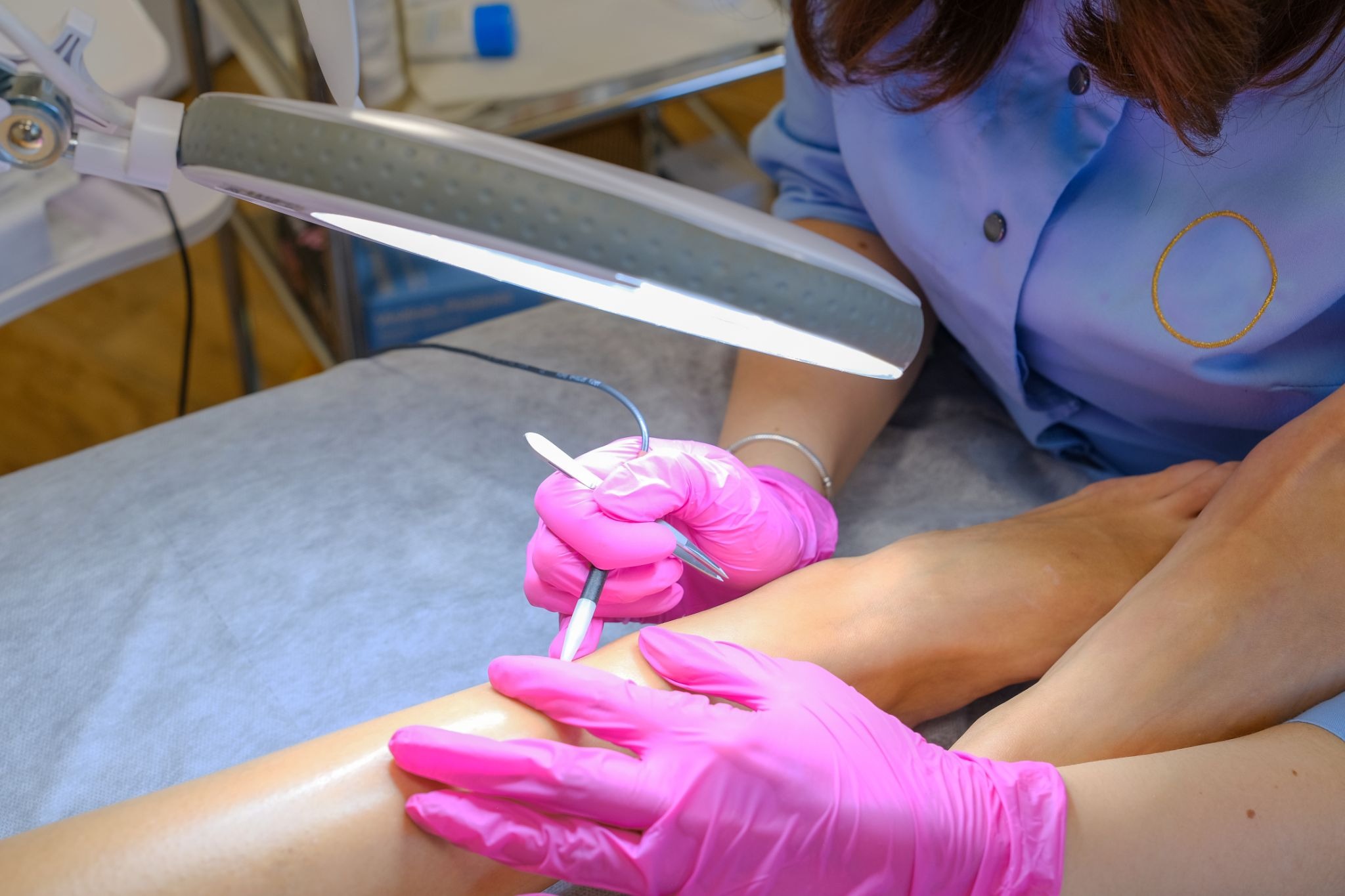
Hair resistance occurs when certain follicles respond more slowly to treatment due to biological factors. This process depends on hormones, blood supply, and follicle structure. Some areas of the body naturally produce stronger or deeper-rooted hair. Understanding these factors helps explain why treatment timelines differ between individuals.
Hormones influence hair growth and its response to electrolysis treatments. This process often involves androgens, which can stimulate thicker and more persistent hair growth. Areas like the chin or upper lip may show stronger regrowth due to hormonal sensitivity. Conditions such as hormonal imbalance can increase treatment duration. Even small fluctuations in hormone levels may affect hair density over time. This factor explains why some clients require more consistent sessions for lasting results.
Blood supply plays a role in how resilient a hair follicle becomes. This process delivers nutrients and oxygen that support continued hair growth. Follicles with stronger circulation may recover more easily after treatment. Deeper follicles also tend to receive more nourishment from surrounding tissue. These characteristics can make certain hairs more resistant to destruction. This insight helps explain why some areas respond more slowly than others.
Hair follicles vary in depth and shape depending on the body area. This structure affects how easily the probe can reach the growth center. Curved or deeply rooted follicles require more precision during treatment. Some follicles may not be fully destroyed in a single session. Repeated treatments help target these structures over time. This variation highlights why electrolysis requires patience and consistency.
Electrolysis results vary because each person has unique biological and lifestyle factors. This process responds differently depending on hair type, hormones, and overall health. Some individuals see faster progress, while others require extended treatment plans. Understanding these differences helps set realistic expectations for long-term results.
Genetics influence how thick, dense, and fast hair grows across different areas. This process determines how many follicles require treatment over time. Some people naturally have more active follicles in certain regions. Others may experience finer or slower-growing hair due to inherited traits. These differences affect how long electrolysis takes to achieve full results. This factor explains why treatment timelines vary widely between clients.
Hormonal conditions can affect how the body produces and maintains hair growth. This process may lead to increased or persistent regrowth in certain areas. Conditions like PCOS can stimulate continuous hair production despite treatment. Hormonal fluctuations can also reactivate dormant follicles over time. Managing these conditions may improve the outcomes of electrolysis. This connection highlights the importance of understanding underlying health factors.
Lifestyle choices can impact how the body responds to electrolysis treatments. This process may be influenced by stress, diet, and sleep patterns. Certain medications can also affect hair growth cycles and density. Skincare habits may influence how well the skin recovers between sessions. Consistency in appointments helps achieve steady progress. This combination of factors shapes the overall effectiveness of treatment.
Skin healing begins immediately after electrolysis as the body repairs treated follicles. This process involves natural responses that protect and restore the skin. Most reactions remain mild when treatments are performed properly. Understanding how healing works helps improve aftercare and overall results.
The skin reacts quickly to electrolysis, triggering a mild inflammatory response. This process may cause slight redness, warmth, or swelling in the treated area. These effects occur because the body sends signals to repair the affected follicles. The reaction usually fades within hours or a short period. Proper hygiene helps reduce irritation during this stage. This response shows that the treatment has reached the targeted follicle.
Collagen supports the skin’s repair process after electrolysis sessions. This process helps rebuild tissue around treated follicles. Healthy collagen production can improve skin texture over time. The body gradually replaces damaged cells with new ones. This renewal supports smoother and more even skin in treated areas. This benefit adds value beyond hair removal results.
Aftercare directly influences how well the skin recovers after treatment. This process includes keeping the area clean and avoiding irritation. Harsh products or sun exposure can slow healing and affect outcomes. Gentle care supports faster recovery and reduces the risk of complications. Consistent aftercare also helps maintain skin clarity between sessions. This habit contributes to better long-term results and overall skin health.
Electrolysis provides a reliable path to permanent hair removal through precise, targeted treatment. This method delivers gradual results that improve with consistency and proper care. Choosing a qualified electrolysis provider can shape both safety and long-term outcomes. Small steps during each session can influence how your skin responds over time. This commitment helps you achieve smoother skin with lasting confidence.
Find clear answers and professional advice tailored to your needs on the Naples Laser & Skin Aesthetics blog, your source for smarter skincare decisions.
%402x.svg)