.png)
.png)
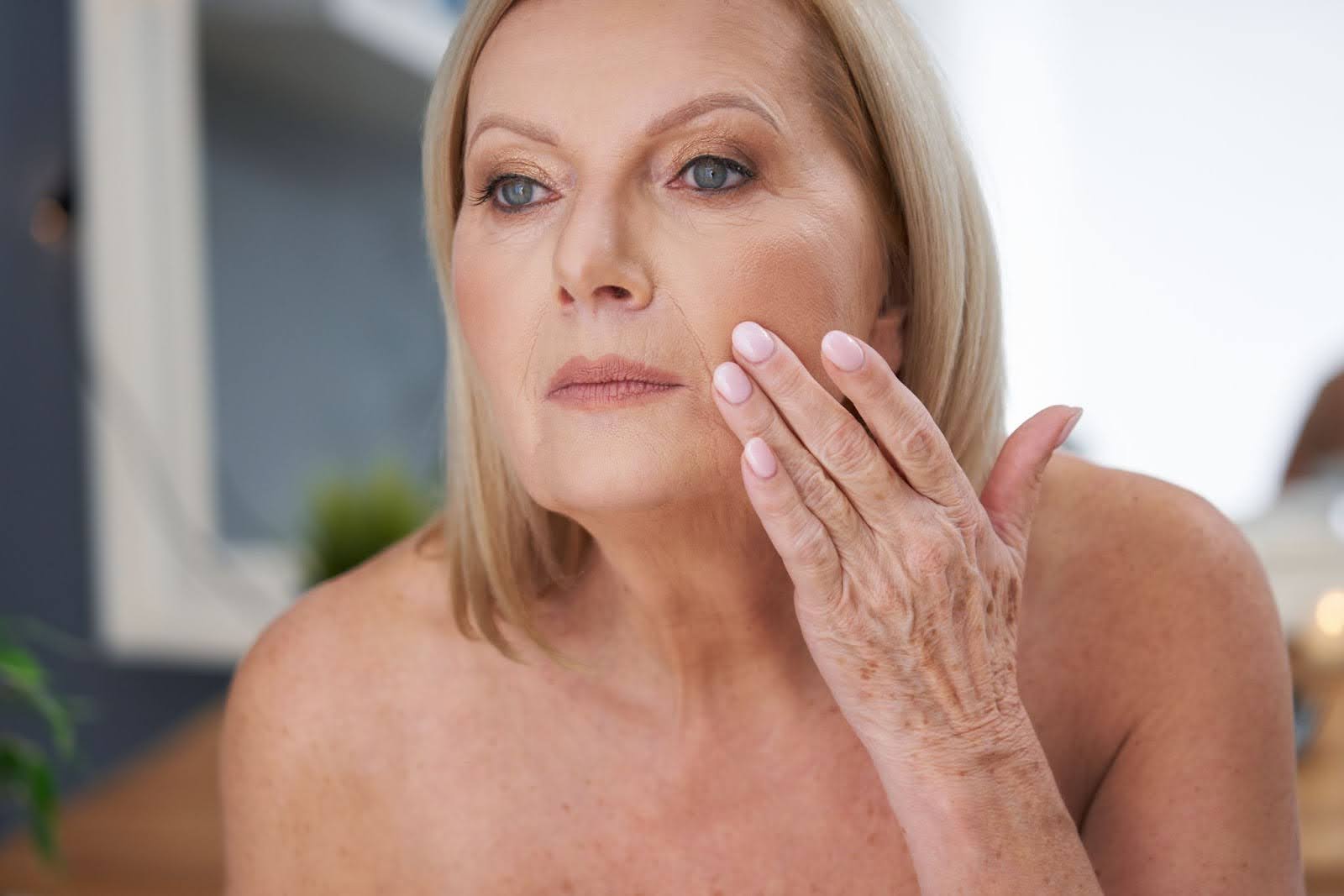
Sagging skin often becomes noticeable at moments when confidence matters most. Many people first notice looseness as they age, after weight changes, or after years of sun exposure, even when they take good care of themselves. Sagging skin can affect how clothing fits, how the face appears in photos, and how comfortable someone feels in daily life. Advice online often feels overwhelming or contradictory, which makes the problem feel harder than it needs to be. Clear, grounded information helps people understand what is happening to their skin and what realistic options actually exist.
Sagging skin develops when the structures that keep skin firm begin to weaken. Collagen and elastin decline gradually, while external stressors speed up visible changes. These shifts do not happen for a single reason but through overlapping processes. Knowing why skin loosens makes it easier to choose solutions that fit personal goals.
Aging reduces the body’s ability to produce collagen and elastin, which limits how well skin bounces back after stretching. These proteins act as internal scaffolding, keeping skin smooth and supported. Hormonal changes further thin the skin and reduce natural oils, making laxity more noticeable. Facial skin often shows sagging sooner because constant expressions repeatedly stress the tissue. Neck skin tends to loosen earlier due to fewer oil glands and weaker support layers. Genetics, sun exposure, and long-term skincare habits strongly influence how quickly these changes appear.
Weight gain stretches skin fibers to accommodate increased volume, sometimes beyond their recovery capacity. When weight loss happens quickly, the skin may not shrink at the same pace, leaving visible looseness. Areas like the abdomen, arms, and thighs show these effects most clearly. Slower, steady weight changes give skin more time to adjust and regain structure. Younger skin often recovers better because collagen networks remain stronger. Genetic makeup also determines how much tightening occurs after weight fluctuations.
Sun exposure damages collagen deep within the skin long before sagging becomes visible. This type of damage accumulates silently and often appears years later as looseness and wrinkles. Environmental pollution increases oxidative stress, which weakens skin fibers over time. Smoking further restricts the blood flow needed for repair and renewal. Harsh climates can disrupt hydration and elasticity when protection is inconsistent. Daily sun protection helps slow further breakdown and preserves existing firmness.
Sagging skin rarely begins with dramatic changes, which makes early signs easy to miss. Subtle shifts in texture, tone, and contour often appear first. Recognizing these signals helps people respond thoughtfully rather than react later. Awareness supports better planning and realistic expectations.
The jawline may lose sharp definition as the underlying support weakens. Cheeks can appear flatter as volume shifts downward over time. Fine lines deepen when skin loses its ability to stay taut. Eyelids may begin to droop slightly, changing facial balance. Neck skin often creases earlier because it produces less oil. These visible changes reflect structural shifts beneath the surface rather than surface dryness alone.
Upper arms frequently develop hanging skin as elasticity declines. The abdomen often shows looseness after pregnancy or weight changes. Inner thighs lose firmness due to constant movement and friction. Knee skin wrinkles as collagen thins and gravity takes effect. The chest area also becomes more lax with age and sun exposure. These regions recover more slowly because they experience repeated stretching.
Non-surgical options aim to improve firmness without the commitment of surgery. These approaches work best for mild to moderate sagging. Results depend on consistency, skin condition, and realistic expectations. Many people choose these methods as a first step.
Topical retinoids encourage collagen renewal and improve skin texture over time. Peptides support communication between skin cells involved in repair. Vitamin C strengthens skin structure while improving brightness. Hyaluronic acid enhances hydration, which gives skin a fuller look. Consistent use delivers better results than frequent product changes. These skincare products improve appearance but cannot remove excess skin.
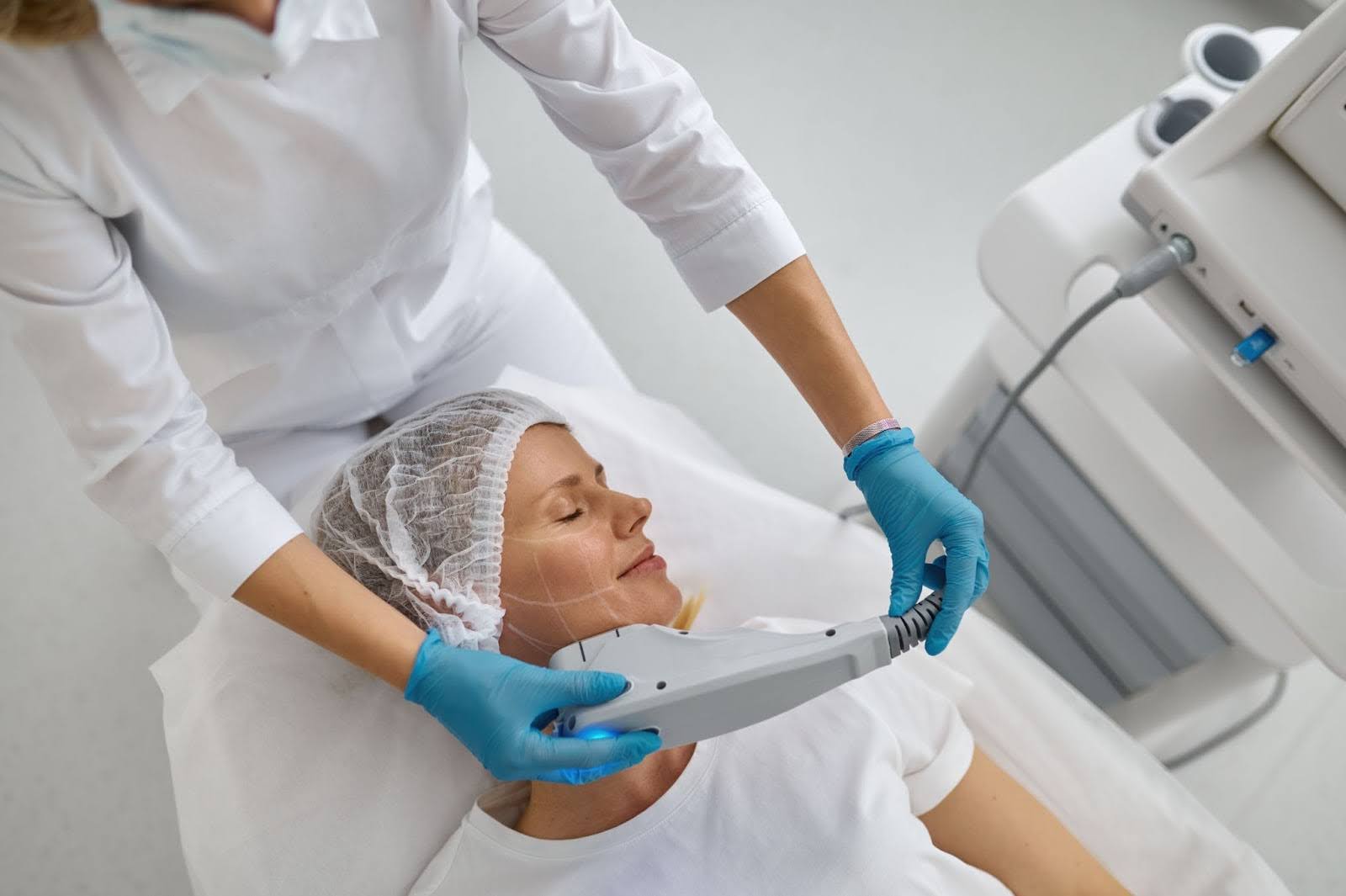
Radiofrequency treatments use controlled heat to stimulate collagen production. Ultrasound technology tightens the deeper layers beneath the skin. Laser treatments address laxity while improving tone and texture. Improvements appear gradually as collagen rebuilds over several months. Most treatments involve minimal downtime and discomfort. Clinics base treatment plans on the most recent clinical data and patient response.
Microcurrent devices stimulate facial muscles and subtly improve tone. Manual massage increases circulation and supports lymphatic drainage. Regular routines help maintain mild firmness improvements. Technique accuracy strongly influences outcomes. These tools work best when paired with professional care. Results remain modest without long-term consistency.
Skin-tightening outcomes vary widely, even with the same treatments. This variability often frustrates people who expect predictable results. Several hidden factors influence response and longevity. Understanding these variables improves realism and patience.
Skin thickness, hydration, and density strongly affect tightening response. Healthier skin responds better to stimulation and repair signals. Thin or sun-damaged skin may show slower improvement. This difference explains why identical treatments yield uneven results. Skin preparation improves outcomes before any procedure. Quality often matters more than severity alone.
Collagen remodeling occurs slowly, regardless of treatment type. Expecting fast results leads to disappointment and unnecessary interventions. Properly spacing treatments supports natural repair cycles. Skipping sessions disrupts progress and weakens outcomes. Consistency aligns better with the skin’s biological pace. Patience improves visible results over time.
Daily habits influence skin strength more than many people realize. Nutrition, movement, and rest affect collagen health and repair cycles. These factors support medical and cosmetic treatments. Small changes practiced consistently make a visible difference.
Protein provides essential amino acids for collagen production. Fruits and vegetables supply antioxidants that protect skin cells. Healthy fats help maintain the flexibility of cell membranes. Minerals such as zinc assist with tissue repair. Excess sugar accelerates collagen breakdown through glycation. Balanced nutrition supports steadier skin resilience over time.
Strength training builds muscle that supports skin from underneath. Increased muscle tone improves surface appearance in areas prone to laxity. Exercise boosts circulation, improving nutrient delivery to the skin. Targeted movements help arms, thighs, and the abdomen look firmer. Cardiovascular exercise indirectly supports overall skin health. Exercise cannot eliminate large amounts of excess skin.
Quality sleep supports efficient skin repair processes. Poor sleep disrupts collagen renewal and hormone balance. Chronic stress elevates cortisol levels, weakening skin structure. Evening routines support relaxation and recovery. Improved blood flow enhances repair efficiency during rest. Long-term balance supports healthier-looking skin.
Medical procedures address advanced sagging when non-surgical methods fall short. These options provide more visible tightening results. Careful planning improves safety and satisfaction. Professional guidance remains essential throughout the process.
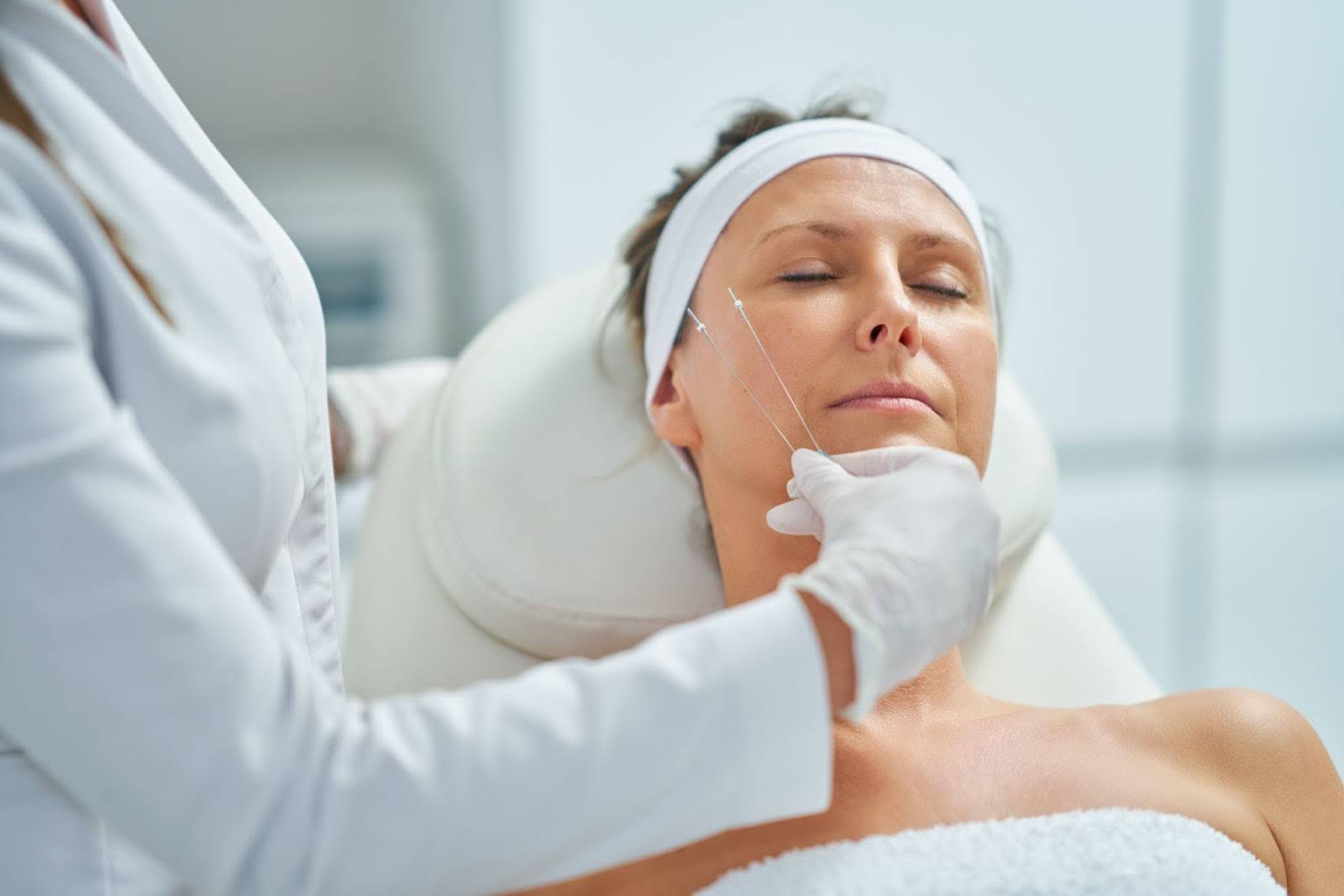
Facelifts reposition deeper facial tissues to restore firmness. Neck lifts address loose skin beneath the chin and jawline. Body contouring removes excess skin after substantial weight loss. Arm and thigh lifts reshape areas with persistent laxity. Scarring varies depending on the technique and the healing response. Results often last many years with proper maintenance.
Surgery requires downtime and a structured recovery period. Swelling and discomfort vary depending on the procedure. Infection and scarring remain possible risks. Surgeon experience plays a strong role in outcomes. Follow-up care supports proper healing and results. Mental readiness matters alongside physical preparation.
The right approach depends on personal skin condition and comfort level: age, severity, and lifestyle shape treatment decisions. Thoughtful choices reduce frustration and wasted effort. Personalization leads to more reliable outcomes.
Younger skin responds more quickly to non-invasive treatments. Thicker skin often shows better tightening results. Mild laxity improves with consistent care routines. Advanced sagging typically requires procedural intervention. Professional evaluations clarify realistic expectations. Long-term planning supports sustained improvement.
Skincare improves skin quality and supports procedural outcomes. Treatments work best when combined with healthy lifestyle habits. Properly scheduled treatments prevent skin from being overstressed. Excessive procedures reduce recovery efficiency. Progress tracking helps refine the approach. Balanced combinations support natural-looking firmness.
Skin tightening does not end with a single treatment or routine. Maintenance determines how long results remain visible. Many people underestimate this phase. Long-term planning protects investment and effort.
Collagen continues to decline with age and exposure. Without support, the skin gradually tightens and loosens again. Maintenance routines slow this progression. These routines often require less effort than initial treatments. Skincare, lifestyle habits, and periodic therapies work together. Maintenance preserves improvements rather than chasing new fixes.
Sustainable routines prevent burnout and inconsistency. Overly complex plans often fail long-term. Simple, repeatable habits support better adherence. This rhythm adapts to life changes and aging. Flexibility allows adjustments without starting over. Sustainability drives lasting improvement.
Sagging skin responds best to a plan that aligns expectations, biology, and consistency rather than urgency or impulse. When care decisions reflect skin quality, lifestyle capacity, and long-term maintenance, progress becomes measurable and sustainable. A practical strategy replaces scattered efforts with intention, allowing improvements to compound over time instead of resetting with every new product or treatment. The most reliable results come from committing to informed steps that fit daily life and evolve as the skin changes.
For clear, science-backed guidance on sagging skin and modern treatments, visit the Naples Laser & Skin Aesthetics blog.
%402x.svg)