.png)
.png)
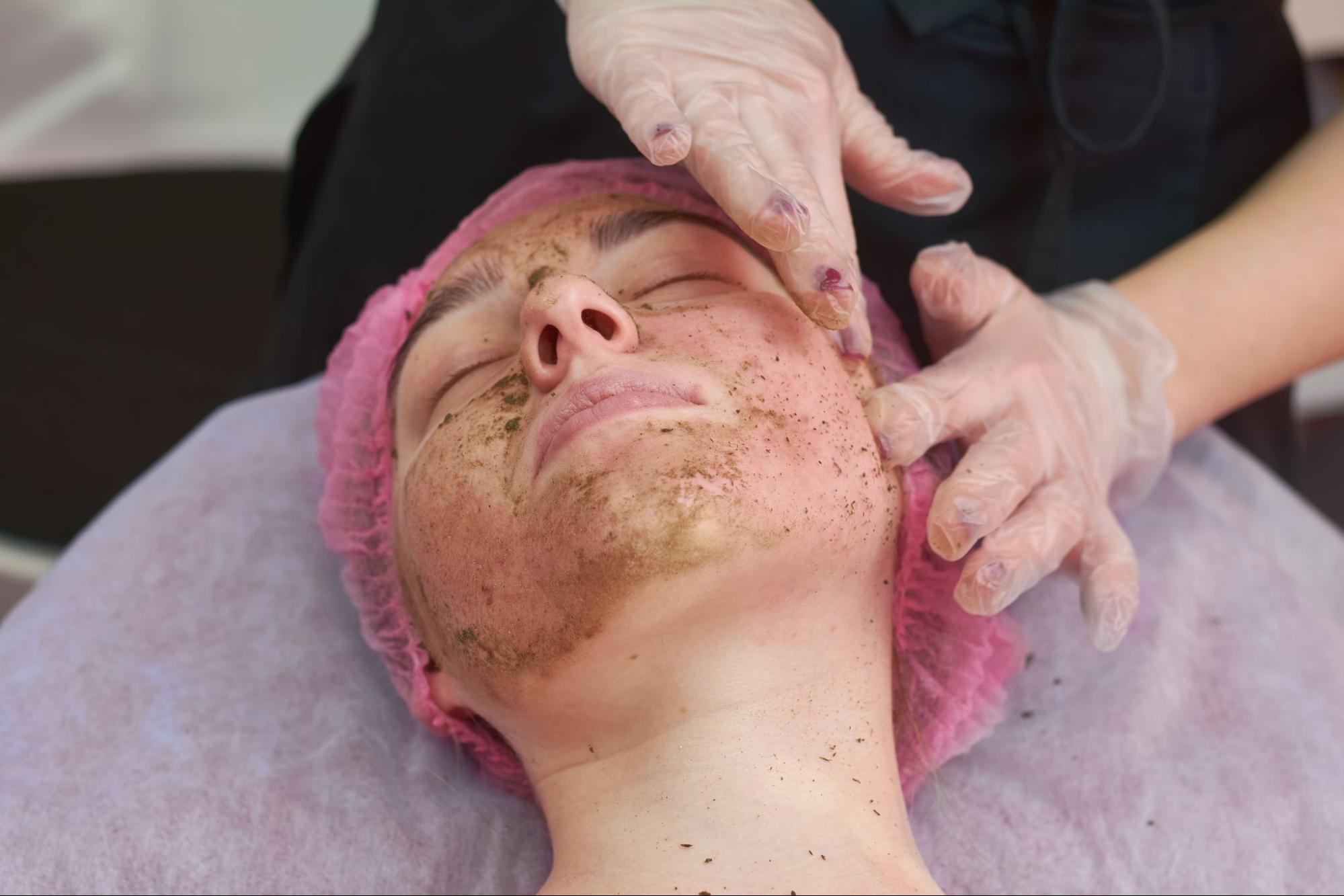
Skin changes often appear gradually, showing texture shifts before deeper concerns become visible. Exfoliating addresses surface buildup that affects tone, smoothness, and product absorption. Many people try exfoliating without understanding how timing, method, and frequency shape results. A thoughtful approach reduces irritation while supporting steady skin renewal. Careful choices help exfoliating feel controlled, predictable, and beneficial rather than aggressive.
Exfoliating is the process of removing dead skin cells from the skin’s surface to improve texture and clarity. This practice supports the skin’s natural renewal cycle, which can slow with age or environmental exposure. When dead cells accumulate, they interfere with smoothness and brightness. Understanding exfoliating at a basic level helps people avoid overuse and mismatched treatments.
Skin renews itself through a continuous cycle in which new cells rise and older cells are gradually shed. This renewal process can slow down when the skin is exposed to the sun, pollution, or dehydration. When shedding slows, dead cells remain on the surface, resulting in a rough texture. Exfoliating supports renewal by encouraging surface turnover without forcing bigger changes. This support helps the skin appear smoother over time. Consistency matters more than intensity for visible improvement.
Dead skin cells scatter light unevenly, which can dull the overall tone. This surface buildup can also trap oil and debris, leading to clogged pores. When pores stay congested, breakouts may become more frequent. Exfoliating removes the surface layer, allowing light to reflect evenly. This clarity helps skin appear brighter and more refined. Regular exfoliating maintains this smoother appearance.
Exfoliating affects more than surface texture because it directly interacts with the skin barrier. The skin barrier regulates moisture, protects against irritants, and controls sensitivity levels. When exfoliating removes dead cells, it also temporarily thins this protective layer. Understanding this balance helps prevent delayed irritation and long-term sensitivity.
The skin barrier consists of lipids and cells that hold moisture and block irritants. Exfoliating removes surface cells but also temporarily disrupts barrier cohesion. This disruption explains why skin feels smoother immediately after treatment. The smooth feeling does not always indicate barrier strength. Repeated exfoliating without recovery time weakens barrier resilience. Barrier weakness often appears weeks later as redness or sensitivity.
Exfoliating often delivers quick visual improvement, reinforcing frequent use. This early smoothness masks the gradual thinning of the barrier. Skin may tolerate exfoliating initially due to stored moisture and lipid reserves. Over time, these reserves deplete without adequate recovery. Sensitivity emerges once tolerance thresholds drop. This delayed response causes confusion about sudden reactions.
Recovery time matters more than exfoliating strength for barrier health. Mild exfoliation, when used too frequently, stresses the skin more than properly applied stronger treatments. Skin repairs its barrier through lipid production between treatments. Insufficient recovery interrupts this repair process. Allowing rest days preserves tolerance and comfort. This approach prioritizes long-term consistency over short-term gains.
Exfoliating treatments fall into categories based on how they remove dead skin cells. Some rely on physical movement, while others use ingredients to dissolve buildup. Each method serves different skin needs and tolerance levels. Knowing these differences supports informed treatment choices.
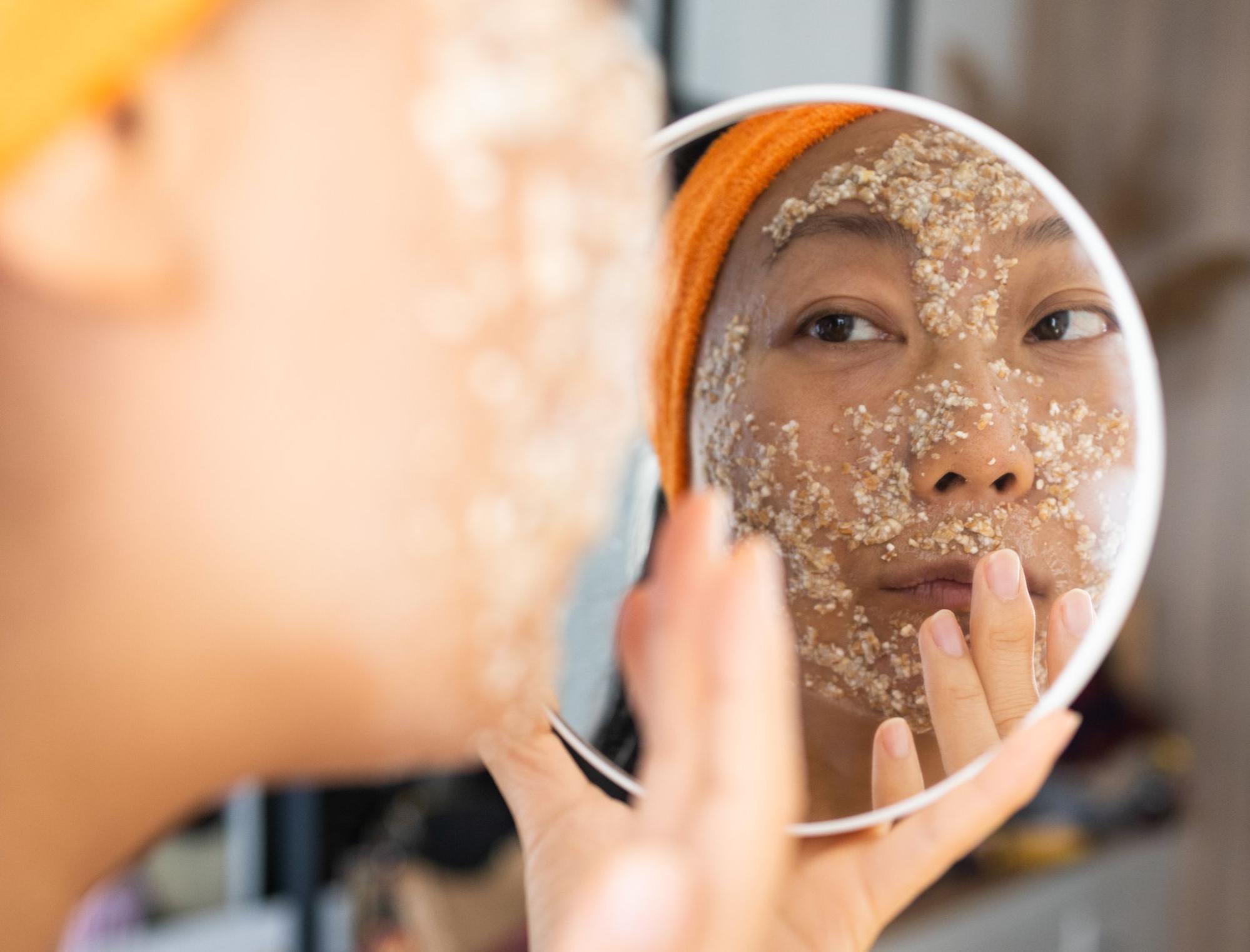
Physical exfoliation uses manual techniques or tools to remove surface cells. Scrubs, cleansing brushes, and textured pads are common examples. Pressure control is important because excessive movement can irritate the skin. Gentle application supports smoother results without abrasion. Physical methods offer immediate texture improvement. Overuse, however, may weaken the skin barrier.
Chemical exfoliation uses acids or enzymes to loosen dead skin cells. These formulas work without scrubbing, which reduces friction. Alpha hydroxy acids target surface texture and dullness. Beta-hydroxy acids penetrate pores to reduce congestion. Results develop gradually with regular use. Chemical exfoliating suits those seeking controlled, even exfoliation.
Enzyme exfoliants use natural enzymes to break down dead cells gently. These products are often suitable for sensitive or reactive skin types. The process feels soothing rather than abrasive. Results appear subtle but consistent over time. Enzyme exfoliating supports maintenance rather than dramatic change. This option works well for frequent, low-impact care.
Skin type influences how exfoliating should be approached. Dry, oily, and sensitive skin responds differently to treatments. Personalized choices protect comfort and consistency. Awareness reduces the risk of irritation and improves outcomes.
Dry skin often retains dead cells longer due to slower turnover. Gentle exfoliating helps reduce flaking and uneven texture. Strong products may worsen tightness or irritation. Lower-frequency treatments maintain balance. Hydrating ingredients complement exfoliating efforts. Comfort should guide all adjustments.
Oily skin produces excess sebum that mixes with dead cells. This mixture increases the likelihood of clogged pores. Chemical exfoliating penetrates oil more effectively than scrubs. Controlled frequency supports clearer pores. Over-exfoliating can trigger increased oil production. Balance remains key for lasting clarity.
Sensitive skin reacts quickly to pressure and strong ingredients. Mild exfoliating methods reduce irritation risk. Patch testing helps assess tolerance. Longer intervals between treatments support recovery. Redness indicates the need for adjustment. Listening to skin feedback prevents flare-ups.
Exfoliating does not perform the same way in every environment. Climate, air quality, and UV exposure alter how skin responds to treatment. Ignoring these factors increases irritation risk. Adjusting exfoliating based on location improves comfort and results.
Dry, cold climates reduce skin moisture. Low humidity slows barrier recovery after exfoliating. In these conditions, skin becomes prone to tightness and flaking. Frequent exfoliating worsens dehydration. Reduced frequency supports balance. Moisture-focused aftercare becomes more important.
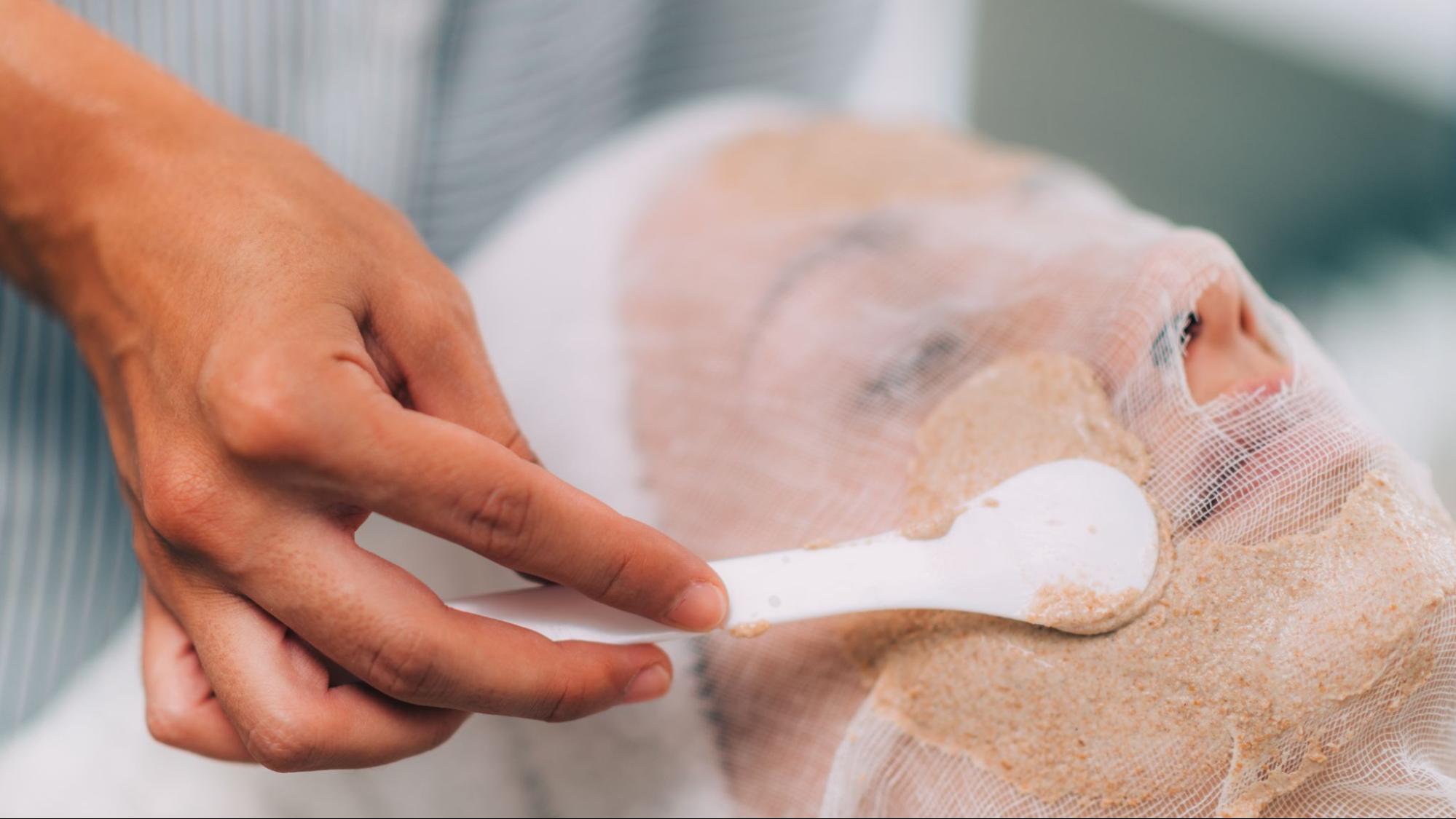
Humidity increases oil production and sweat retention. Dead skin cells mix with oil more easily in these conditions. This buildup can increase congestion. Chemical exfoliating often works better than scrubs in humid climates. However, overuse still damages the barrier. Controlled frequency supports clarity without irritation.
Urban pollution increases the buildup of particles on the skin surface. These particles bind to dead cells and clog pores. Exfoliating helps clear this residue. Over-exfoliating, however, weakens the barrier against pollutants. Balanced routines protect skin defenses. Gentle consistency is more effective than aggressive treatments.
Travel exposes skin to sudden climate shifts. Skin tolerance often declines during flights and when traveling between locations. Continuing the same exfoliating routine increases the risk of sensitivity. Reducing frequency allows adjustment. Skin stabilizes faster with simplified care. Temporary changes prevent long-term reactions.
Preparation sets the foundation for effective exfoliating. Calm, clean skin responds more predictably to treatment. Skipping preparation increases irritation risk. Simple steps improve comfort and results.
Cleansing removes oil, makeup, and debris before exfoliating. This preparation allows treatments to work evenly. Residual buildup can cause uneven exfoliation. Gentle cleansers maintain skin comfort. Over-cleansing increases sensitivity before treatment. Balanced cleansing supports better outcomes.
Certain ingredients heighten sensitivity before exfoliating. Retinoids and strong acids increase the risk of irritation when combined. Pausing these products prevents overlap stress. Fragrances may also cause reactions. Simplifying routines improves stability. Skin responds best to spaced treatments.
Exfoliating damaged skin delays recovery rather than helping. Sunburn, cuts, or inflammation require time to heal. Visual checks guide safer decisions. Tightness or stinging signals caution. Waiting supports resilience. Timing influences results as much as technique.
Understanding sensations during exfoliating reduces uncertainty. Mild tingling differs from irritation. Clear expectations build confidence. Awareness prevents unnecessary concern.
Chemical exfoliating may cause brief tingling. Physical exfoliating feels grainy or warming. These sensations should fade quickly. Persistent stinging indicates sensitivity. Cooling afterward soothes the skin. Comfort should return shortly.
Skin may appear flushed after exfoliating. This reaction usually fades within hours. Texture often feels smoother right away. Brightness may increase with consistency. Temporary dryness can occur. Moisturizing restores balance.
Aftercare protects results and comfort. Exfoliating leaves skin more receptive but vulnerable. Thoughtful care reduces irritation. Recovery routines extend benefits.
Moisturizers replenish water lost during exfoliating. Lightweight formulas absorb easily after treatment. Hydration supports barrier recovery. Dryness suggests insufficient moisture. Gentle application prevents friction. Skin calms with proper hydration.
Exfoliated skin reacts strongly to sunlight. Broad-spectrum sunscreen reduces damage risk. Daily protection maintains results longer. Indoor exposure also matters. Skipping sunscreen can reverse progress. Consistency supports skin health.
Heat and friction increase sensitivity after exfoliating. Avoiding steam and intense workouts aids recovery. Rough towels may worsen redness. Gentle handling supports healing. Skin needs time to settle. Recovery periods vary by individual.
Exfoliating works best when it reflects understanding rather than urgency, because skin responds to patterns, not impulses. Each exfoliating decision influences barrier strength, tolerance, and recovery long after the surface looks smooth. Integrating professional skincare guidance adds structure and precision that at-home routines often lack. When exfoliation aligns with expert insights and how skin repairs itself, results are steadier, more comfortable, and easier to sustain over time.
Explore expert-backed skin insights and treatment guidance on the Naples Laser & Skin Aesthetics blog, where informed care begins.
%402x.svg)