.png)
.png)
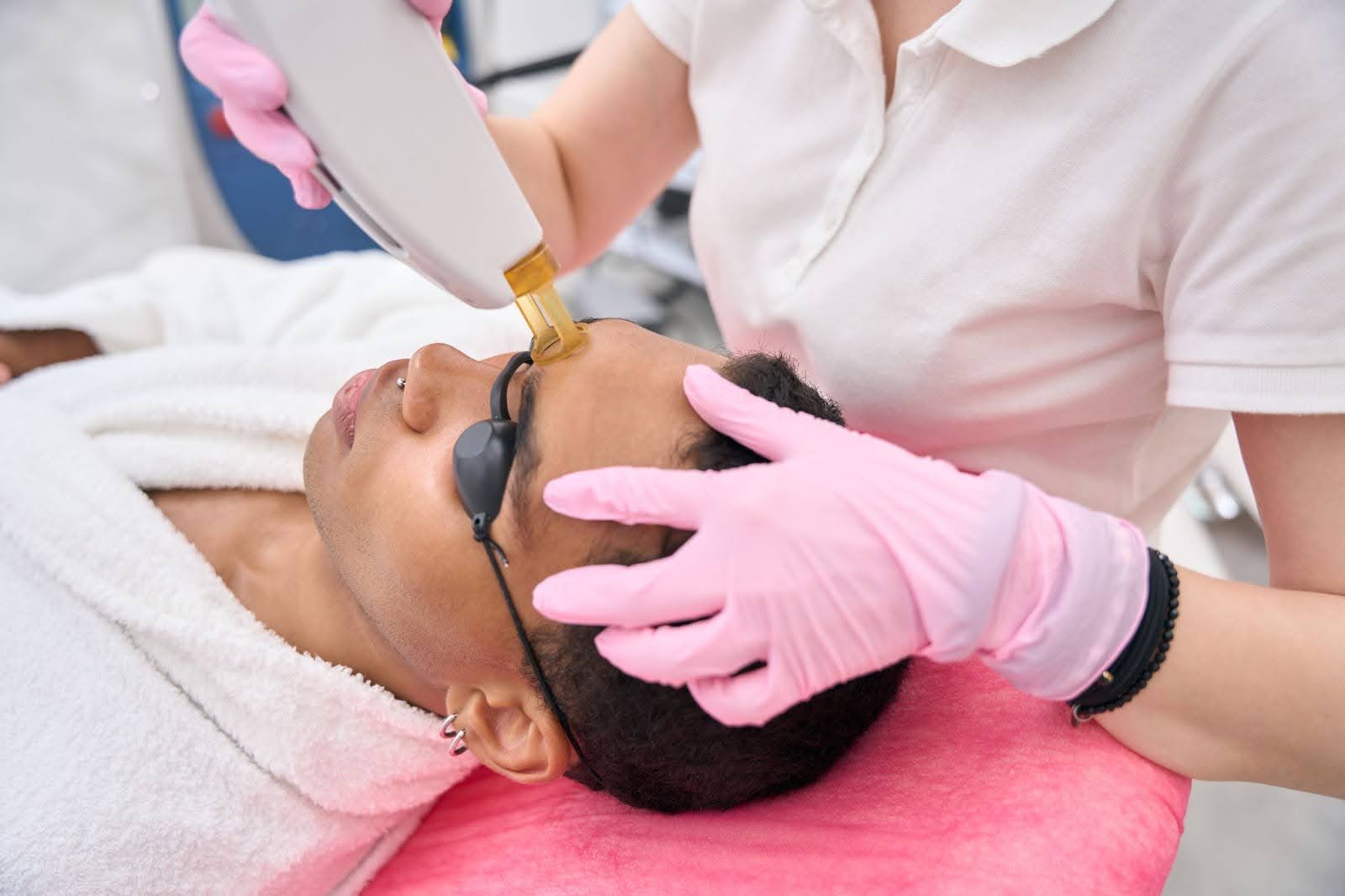
Unwanted hair often feels like an endless battle, no matter how often you shave or wax. People search for solutions that move beyond temporary fixes and deliver real results. With modern cosmetic treatments, smoother skin can be more than a short-term option. Electrolysis and laser hair removal are the most effective choices, and understanding their differences helps make the best decision.
Electrolysis and laser hair removal target hair at the root using different techniques. Electrolysis relies on a fine probe that destroys each follicle with an electric current, while laser hair removal uses concentrated light energy to damage multiple follicles at once. Both methods aim for long-lasting results that reduce or stop future growth. The choice depends on skin tone, hair color, treatment goals, and lifestyle.
Electrolysis works by inserting a thin probe into each follicle and applying a small electrical current. According to FDA clearance, it destroys the follicle’s ability to grow hair, making it a permanent option. Each hair is treated individually, which requires more time and precision than other methods. Sessions can last from minutes to over an hour, depending on the size of the area. Results build gradually, and consistency is key to reaching complete clearance.
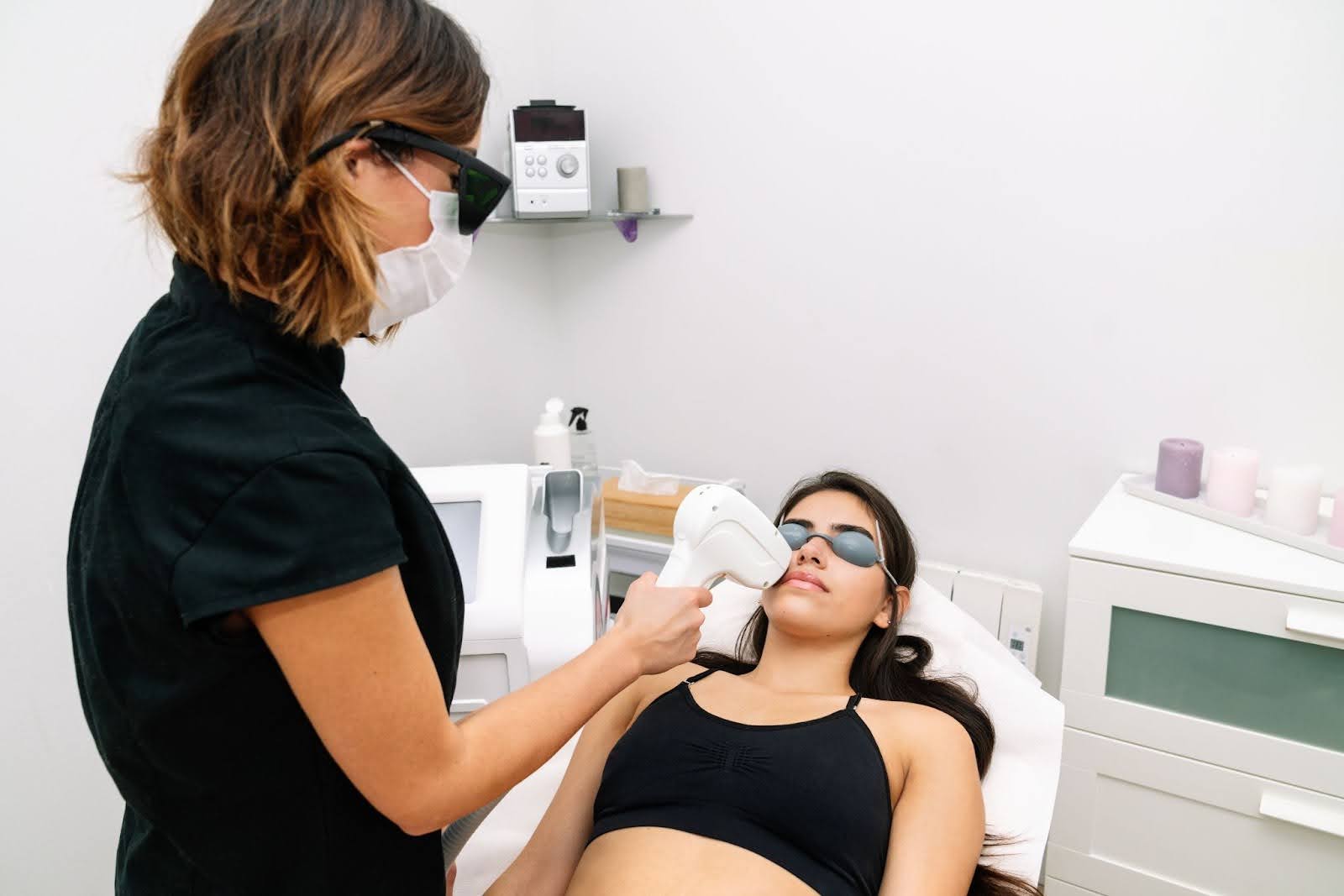
Laser hair removal works by directing concentrated light toward the pigment in the hair follicle. The heat damages the follicle to slow or stop regrowth, though results vary depending on hair color and skin tone. Unlike electrolysis, multiple hairs are treated with each pulse, making the sessions much faster. A series of treatments spaced weeks apart ensures complete coverage of different growth cycles. While not guaranteed permanent, it offers a noticeable reduction for most clients.
Choosing between electrolysis and laser hair removal often comes down to how each treatment works and the results they offer. Both target the root of unwanted hair but use different technologies to get there. One provides permanent removal, while the other offers long-term reduction. Knowing these distinctions makes selecting the option that matches your needs easier.
Different skin tones and hair types influence the effectiveness of each treatment. Electrolysis is universal, working on every color and thickness of hair, while laser hair removal is most effective on darker hair with lighter skin. Technology advancements, such as Nd:YAG lasers, have made laser treatments safer for a broader range of tones. Knowing which method fits your unique profile prevents wasted time and reduces risks.
Electrolysis works consistently regardless of pigment or hair texture, making it a go-to option for light, gray, or red hair that lasers cannot detect. It is also safe on all skin tones without the risk of pigmentation changes. Sensitive zones such as the eyebrows or upper lip respond well, though larger areas take longer. The results are precise and thorough because it destroys follicles one by one. For people with stubborn or fine hair, electrolysis remains a dependable solution.
Laser hair removal is best for coarse, dark hair with strong contrast against the skin. Blonde, red, and gray hairs absorb less light, making them less responsive to the treatment. Darker skin tones require advanced devices like Nd:YAG lasers to minimize risks of burns or discoloration. The therapy is well-suited for broad areas such as legs, arms, or the back. Clinics often recommend patch testing to ensure the laser matches your skin type.

Both treatments involve some discomfort, though the sensations differ between the two. Electrolysis feels like brief stings, while laser hair removal is often described as a snapping rubber band. Side effects, such as redness, swelling, or mild irritation, are usually temporary. Following professional aftercare instructions helps protect skin and ensure a smooth recovery.
Electrolysis often creates a stinging or tingling sensation as the current enters the follicle. Pain varies depending on the treated body area, with the lips and chin being more sensitive. Some providers apply numbing creams to make the sessions more comfortable. People with higher thresholds often tolerate it well, while others may prefer shorter appointments. The intensity eases as the skin adjusts through multiple treatments.
Laser hair removal typically feels like quick snaps on the skin, similar to a rubber band. Cooling devices built into modern lasers help reduce discomfort. Most clients find the pain tolerable, especially on larger body zones where the session moves quickly. Sensitive areas like the bikini line may feel sharper, but the sensation is brief. The overall treatment is generally considered less painful than electrolysis for many people.
Electrolysis may cause temporary redness, minor swelling, or small scabs in sensitive skin. Laser treatments can lead to pigmentation changes if the device is mismatched with the client’s skin type. Both require avoiding sun exposure immediately after sessions to protect healing skin. Using gentle cleansers and sunscreen supports the recovery process. Most reactions fade within hours or days when aftercare is followed correctly.
Time commitment and financial investment often shape a person’s choice. Electrolysis requires more appointments since each follicle is treated separately, while laser hair removal can cover larger areas in fewer sessions. Costs reflect the number of visits, body area size, and provider expertise. Both save money over the years compared to repeated waxing and shaving.
Electrolysis is slower because it treats hair one at a time. Small areas such as brows or upper lips can be managed in short sessions. Larger zones like legs or arms take longer, often requiring months or years of consistent treatment. Missed appointments delay results, so scheduling discipline is essential. Patience pays off since completed areas rarely need touch-ups again.
Laser treatments are faster because multiple follicles are treated in each pulse. Small areas like the chin may take a few minutes, while larger regions like legs can be done in under an hour. Sessions are usually spaced four to six weeks apart to align with natural growth cycles. Most clients need six to eight treatments for optimal reduction. Maintenance visits every year or two may be recommended.
Electrolysis sessions cost less individually but require more appointments. Laser hair removal sessions are higher priced but cover larger areas, reducing total visits. Over time, both methods often balance out in total investment. Long-term, they are cost-effective alternatives to years of waxing, threading, or shaving. Many clinics offer packages to make pricing more manageable.
Safety and effectiveness depend heavily on proper technique and professional experience. Electrolysis is FDA-approved for permanent hair removal, while laser is approved for long-term reduction. Both deliver lasting results, though expectations should match each method’s strengths. Choosing qualified providers ensures safety and reliable outcomes.
Electrolysis permanently destroys treated follicles, preventing regrowth altogether. Once an area is completed, the results last for life. The method works equally well on coarse and fine hair. Progress takes time but delivers thorough clearance when sessions are consistent. It is particularly effective on smaller or detail-focused areas where precision is critical.
Laser hair removal reduces hair growth by 70% to 90% for most clients. Regrowth is lighter and finer, though some follicles may remain active. The treatment is most effective on darker hair with lighter skin contrast. Many people enjoy years of reduced hair growth with minimal maintenance. Results vary depending on body area, hair cycles, and hormonal influences.
Both treatments are safe when performed by trained professionals with proper equipment. Risks increase if handled by unlicensed providers or outdated technology. Clients should always ask about certification, device type, and aftercare practices. Personalization of treatment settings reduces the chance of burns or scarring. Choosing the right clinic ensures a smoother, safer experience.
Lifestyle factors often influence whether electrolysis or laser hair removal makes more sense. People who want permanent results with precision usually lean toward electrolysis. Those who value speed and convenience prefer laser treatments. The right option depends on balancing patience, budget, and long-term expectations.
Electrolysis is ideal for people who want permanent results without relying on maintenance sessions. It suits those with light or fine hair that lasers cannot target. Smaller areas such as eyebrows, chin, or upper lip are perfect candidates. The trade-off is longer treatment timelines, but once complete, it rarely requires return visits. For anyone seeking guaranteed results, electrolysis is unmatched.
Laser hair removal suits people who want large areas treated quickly. It works best for coarse, dark hair on the legs, arms, chest, or back. The reduced number of appointments fits well with packed schedules. While not always permanent, results provide smooth skin for years. Many clients accept touch-ups because of the convenience and speed of the process.
Smooth, lasting skin is not only about appearance but also about regaining time and confidence. Electrolysis and laser hair removal break the cycle of constant shaving and waxing, giving you the freedom that daily routines can’t match. The best option depends on your hair, skin, and priorities, but the step toward lasting results begins with speaking to a qualified professional. The sooner you explore the proper treatment, the sooner you move closer to skin that stays effortlessly smooth.
Your path to confident skin doesn’t end here. Explore the Naples Laser & Skin Aesthetics blog for professional advice and fresh perspectives.
%402x.svg)