.png)
.png)
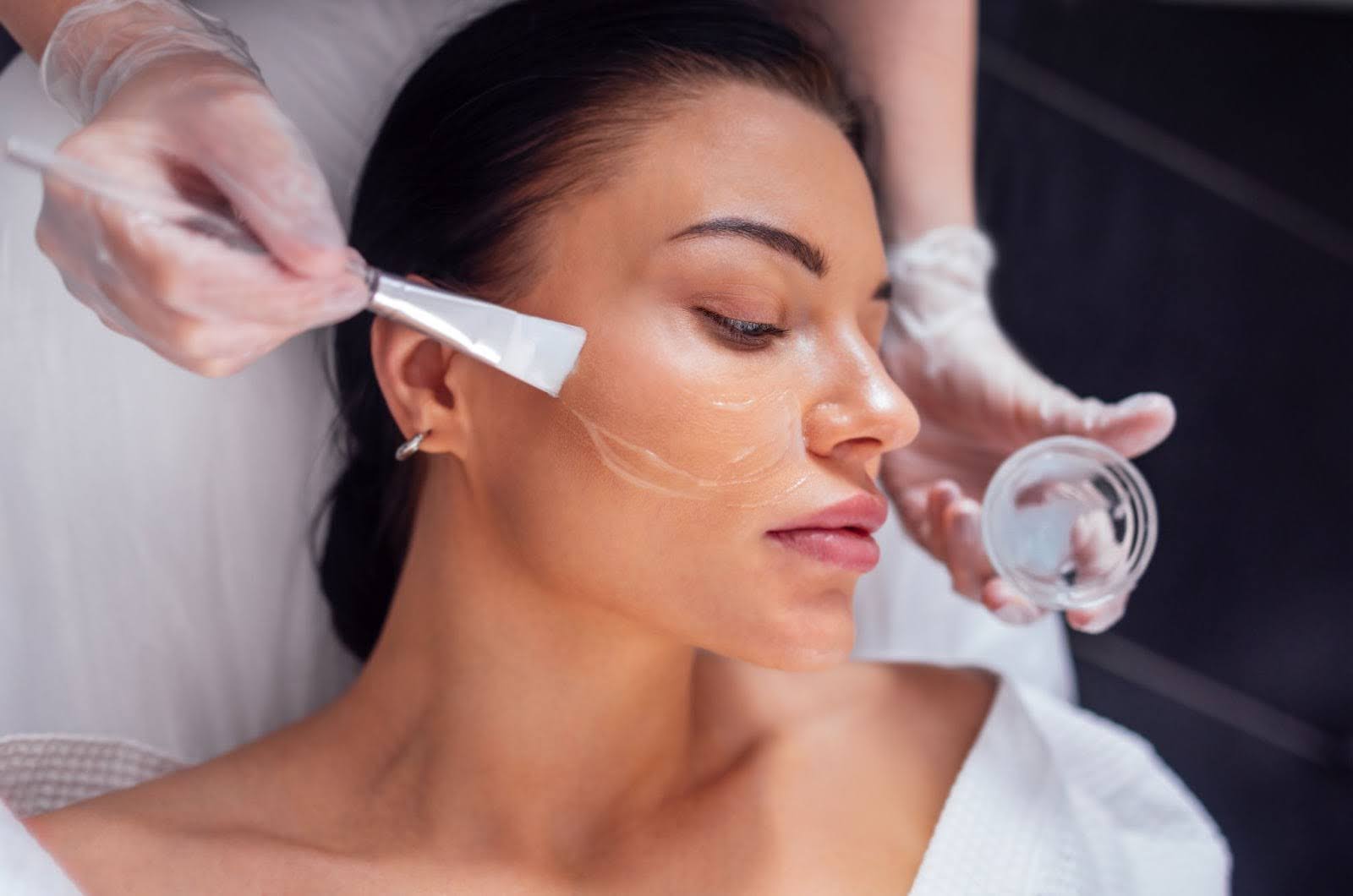
People want clearer, calmer skin without relying on exaggerated claims or fleeting trends. Many feel confused by conflicting advice and products that promise more than they deliver. Skin concerns often influence confidence, comfort, and daily habits in subtle but lasting ways. Today’s treatments range from professional care to structured home routines, each promising visible improvement. Knowing what truly works helps people make thoughtful decisions without unnecessary frustration.
Skin therapy describes structured methods used to improve skin condition over time. It combines science-backed treatments, guided routines, and targeted products. Interest has grown as people seek solutions beyond basic cleansing and moisturizing. Clear expectations help distinguish realistic benefits from exaggerated marketing claims.
Skin therapy focuses on restoring balance rather than chasing perfection. It often targets issues such as acne, dryness, pigmentation, and early signs of aging. Treatments may involve products, devices, or professional procedures, depending on severity. Unlike trends, therapy relies on consistency and measured progress. Results develop gradually as skin responds to repeated care. This approach favors long-term improvement over sudden cosmetic changes.
Medical skin therapy addresses diagnosed conditions such as acne and dermatitis. Cosmetic therapy focuses on texture, tone, and visible signs of aging. The methods may overlap, but the goals are clearly distinct. Medical therapy often requires professional supervision. Cosmetic therapy offers greater flexibility in routines. Understanding this distinction helps guide expectations for treatment.
People want solutions that respect time, money, and skin tolerance. Many have tried random products without lasting improvement. Skin therapy offers structure where trial and error once ruled. Guidance reduces frustration and unnecessary irritation. Consumers also value treatments tailored to personal skin behavior. This shift explains growing trust in therapy-based skincare.
Skin therapy supports natural repair and renewal processes. Treatments influence surface layers and deeper structures differently. Some methods encourage cell turnover, while others protect existing barriers. Understanding this interaction clarifies why patience matters.
Skin renews itself through a steady cycle of cell production and shedding. Therapy can support this cycle by removing buildup and stimulating growth. Gentle exfoliation encourages fresher cells to surface. Active ingredients may signal collagen production beneath the surface. These responses take weeks, not days, to stabilize. Rushing the process often leads to irritation rather than improvement.
The skin barrier protects against moisture loss and irritants. Effective therapy strengthens this barrier over time. Overuse of activities weakens protective layers. Repair-focused treatments restore balance and comfort. Barrier health influences sensitivity and healing. Strong barriers improve therapy tolerance.
Topical therapy primarily affects the outer layers of the skin. It improves texture, hydration, and tone when used correctly. Deeper therapies target structural concerns, such as scars or wrinkles. Procedures may reach below the epidermis to stimulate repair. Both approaches serve different purposes and timelines. Combining them requires careful planning and professional input.
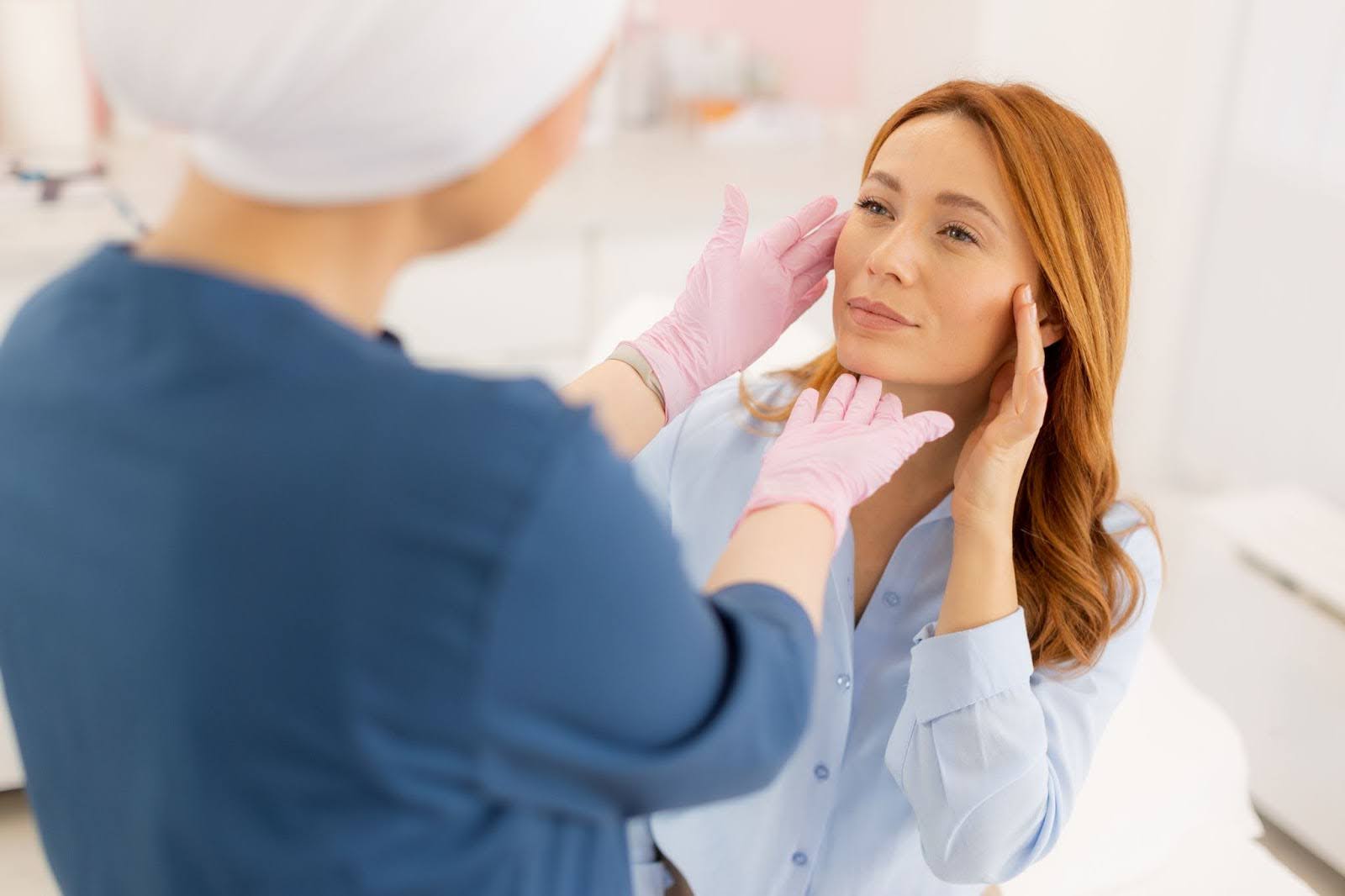
Skin therapy influences more than visible texture and tone. Beneath the surface, a complex ecosystem of microorganisms supports skin stability. Many treatments affect this balance, sometimes without clear signs at first. Understanding this relationship explains sensitivity, relapse, and uneven results during therapy.
The skin microbiome consists of beneficial bacteria living on the skin surface. These microorganisms help regulate inflammation and protect against harmful pathogens. A balanced microbiome supports barrier strength and moisture retention. Disruption can increase sensitivity and reactivity. Skin therapy interacts with this ecosystem constantly. Outcomes improve when treatments respect microbial balance.
Strong exfoliants and frequent treatments reduce microbial diversity. Antibacterial ingredients may remove beneficial organisms along with harmful ones. This disruption weakens natural defense systems. Skin may appear clear temporarily, then become reactive—repeated cycles of disruption slow recovery. Therapy intensity often causes this imbalance.
Persistent redness may signal microbial stress. Sudden sensitivity to familiar products suggests an imbalance. Breakouts may return despite consistent routines. Skin may feel tight even with adequate hydration. Healing time often increases during imbalance. These signs deserve reassessment rather than escalation.
Gentle cleansing preserves beneficial bacteria. Limiting unnecessary exfoliation reduces microbial loss. Barrier-repair ingredients help restore balance. Therapy schedules benefit from rest periods. Consistency matters more than frequency. Microbiome support improves tolerance and results.
Stable results depend on microbial recovery between treatments. Overstimulated skin struggles to maintain clarity. Balanced therapy encourages predictable responses over time. Skin becomes less reactive and more resilient. Long-term care prioritizes harmony rather than constant correction. Microbiome awareness supports sustainable improvement.
Skin therapy includes a wide range of treatments with varying intensity. Options differ based on skin condition, tolerance, and desired outcomes. Some treatments focus on maintenance, while others address stubborn concerns. Choosing wisely prevents unnecessary damage.
Clinical treatments include facials, peels, microneedling, and light-based therapies. Professionals assess skin before recommending any procedure. These treatments often deliver noticeable changes in texture and tone. Recovery time varies depending on treatment depth. Follow-up care supports healing and prolongs benefits. Professional oversight reduces the risk of misuse.
Home-based therapy uses serums, masks, and specialized devices. These methods support ongoing skin care between professional visits. Proper instruction prevents overuse or ingredient conflicts. Results appear slower, but remain consistent and valuable. At-home therapy is better suited to maintenance than to correction. It works best within a structured routine.
Certain therapies rely heavily on active ingredients. Retinoids support renewal and texture refinement. Acids assist with exfoliation and congestion. Antioxidants protect against environmental stressors. Each ingredient serves a distinct purpose. Knowledge prevents misuse and irritation.

Many people thoughtfully combine professional and home treatments. Clinics often design routines to support in-office procedures. This approach extends results without excessive intervention. Balance reduces stress on sensitive skin. Communication with professionals remains essential. Hybrid care reflects modern skincare habits.
People often ask if skin therapy delivers visible improvement. The answer depends on goals, methods, and commitment. Some changes appear quickly, while others require extended care. Realistic expectations guide satisfaction.
Initial results often include smoother texture and brighter tone. Hydration levels may improve within days or weeks. Reduced congestion can make skin feel clearer. These changes encourage continued care. Short-term gains rarely indicate permanent correction. Maintenance determines longevity.
Longer use may improve firmness, pigmentation, or acne control. Collagen stimulation develops gradually beneath the surface. Consistent routines stabilize skin behavior over time. Environmental protection supports these outcomes. Lifestyle habits influence long-term success strongly. Therapy supports progress rather than overrides biology.
Skin responds differently based on genetics and history. Treatment tolerance affects consistency. Lifestyle habits alter healing speed. Environmental exposure influences progress. Comparing results often leads to frustration. Individual baselines matter most.
Skin therapy never follows a single formula. Individual differences affect how skin responds to treatment. External influences also play a strong role. Awareness prevents unrealistic comparisons.
Oily, dry, and combination skin respond differently to treatments. Sensitive skin reacts faster to active ingredients. Therapy must respect these differences to avoid damage. Testing products reduces adverse reactions. Professional assessment helps identify tolerance limits. Personalization improves outcomes.
Younger skin often recovers faster from treatments. Mature skin may need gentler approaches with longer timelines. Previous sun damage affects responsiveness. Chronic conditions alter healing patterns. Therapy adapts based on skin history. Age guides method selection rather than limiting results.
Stress affects inflammation and healing. Diet influences hydration and barrier strength. Sleep supports cellular repair processes. Pollution accelerates skin aging signs. Therapy works best alongside supportive habits. Ignoring lifestyle limits progress.
Skin therapy carries benefits and boundaries. Not every treatment suits every person. Awareness protects skin from unnecessary harm. Responsible use matters more than intensity.
Redness and sensitivity often follow active treatments. Mild peeling may occur after exfoliating therapies. These effects usually resolve with proper care. Persistent irritation signals overuse or incompatibility. Stopping treatment prevents escalation. Listening to skin responses matters.
Using too many activities overwhelms the skin barrier. Over-treatment leads to breakouts and sensitivity. More products rarely speed results. Simplified routines often restore balance—therapy benefits from restraint and structure. Excess undermines progress.
Plateaued results may indicate the wrong approach. Chronic irritation signals incompatibility. Ignoring warning signs worsens outcomes. Reassessment restores direction. Professional advice often helps at this stage. Therapy adapts as skin changes.
Choosing between professional guidance and independent skin therapy shapes outcomes in different ways. Expert skincare offers assessment, structure, and monitoring that reduce unnecessary experimentation. Professionals identify underlying causes rather than treating surface symptoms alone. Independent therapy is suitable for mild concerns and long-term maintenance when knowledge guides decisions. Education becomes critical without supervision to avoid ingredient conflicts or overuse. Consistency and restraint support progress in both approaches. The right choice depends on skin complexity, access to care, and personal commitment.
Skin therapy reflects the level of consistency and understanding applied over time. Progress develops through steady routines rather than occasional effort. Knowledge reduces misuse and unrealistic expectations. Skin responds best to daily habits, not sporadic ones. Supporting routines with protective care preserves improvements. Lifestyle choices influence how therapy performs beneath the surface. Long-term success depends on patience, awareness, and sustained follow-through.
Stay informed with evidence-based skin therapy guidance on the Naples Laser & Skin Aesthetics blog.
%402x.svg)