.png)
.png)

Lymphatic drainage has gained attention in spas, clinics, and wellness spaces because it promises to reduce swelling and improve skin tone. Many clients wonder if the therapy truly works or if the effects are mostly temporary. The treatment sparks both interest and skepticism with claims ranging from detox support to faster cosmetic recovery. Knowing what lymphatic drainage can and cannot achieve helps people make informed choices about their health and appearance.
Lymphatic drainage stimulates the lymphatic system, which helps the body manage fluid balance and immunity. It uses gentle massage movements or specialized devices to encourage fluid flow. Supporters believe this reduces puffiness, speeds recovery, and promotes relaxation. Examining the system and the message is crucial to understanding these benefits clearly.
The lymphatic system is a network of vessels and nodes that transports lymph fluid throughout the body. This fluid contains white blood cells, proteins, and cellular waste, centralizing the system to immunity and fluid control. When the system slows down, swelling or fluid retention may occur. A well-functioning lymphatic system helps protect against infection while keeping tissues balanced. That is why supporting its flow appeals to both medical and cosmetic clients.
Lymphatic drainage massage uses light, rhythmic pressure to guide fluid toward lymph nodes. Trained therapists use specific patterns that differ from traditional deep tissue or relaxation massage. Some clinics combine manual work with devices designed to mimic natural pumping movements. This therapy is often recommended after surgery or cosmetic procedures to reduce swelling. Many also seek it for beauty goals or as a calming wellness treatment.
People often choose lymphatic drainage to address bloating, swelling, or a heavy feeling in their body. Post-surgical patients turn to it to ease recovery and reduce discomfort. Beauty clients may use it for facial slimming or brightening their complexion before important events. Athletes consider it for muscle recovery, while wellness seekers value the calming effects. The variety of reasons highlights its appeal across both medical and cosmetic fields.
The lymphatic system is always active, even without specialized treatments. Movement, hydration, and breathing all support its natural function. Lymphatic drainage mimics and enhances these processes for faster relief. Understanding this connection makes the therapy easier to appreciate.
Unlike blood, lymph does not have a pump like the heart. Instead, it relies on muscle contractions to move fluid through vessels. Walking, stretching, or yoga naturally support this process. When someone is inactive, fluid may stagnate, causing puffiness or heaviness. Lymphatic drainage massage mimics these muscle-driven movements externally. That is why people often describe feeling lighter after a session.
Hydration is essential for lymph fluid to move smoothly. Without enough water, the fluid becomes thicker and more difficult to circulate. Deep breathing also supports lymph flow by creating pressure changes in the chest. These changes act like a natural pump for lymphatic vessels. Massage enhances these natural processes but cannot replace them entirely. Combining proper hydration and breathing habits with therapy makes results more noticeable.
Lymphatic drainage works in specific medical and wellness contexts, particularly when fluid buildup or swelling is involved. Research shows benefits for people with lymphedema, post-surgical swelling, or high stress. It does not cure diseases but can ease symptoms when part of a broader plan. Looking at scientific evidence clarifies its real-world applications.
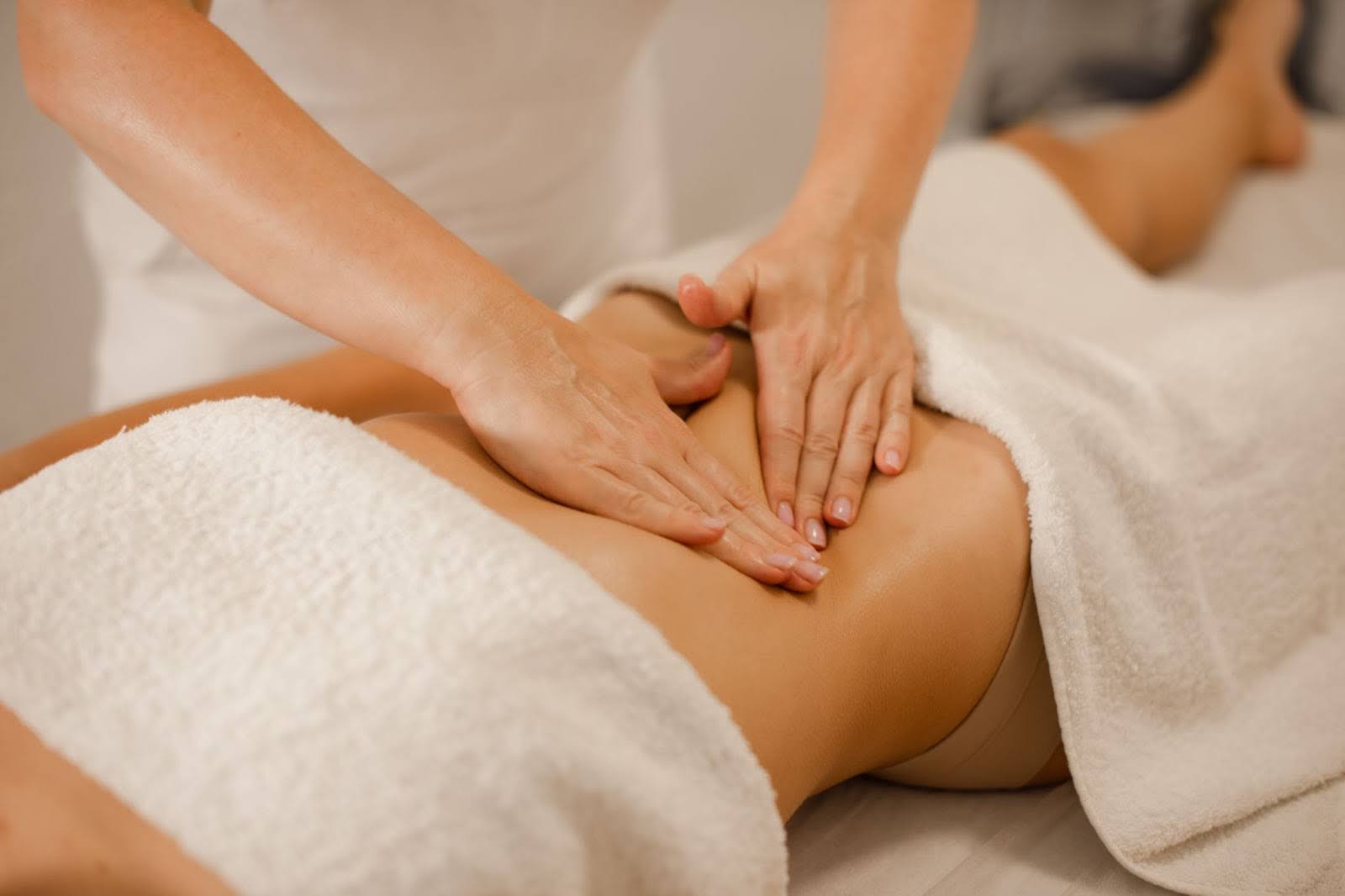
Lymphatic drainage is widely used to manage edema, swelling caused by excess fluid. After breast cancer surgery, for example, it may reduce discomfort linked to lymphedema. Clinical studies confirm it lowers swelling in these patients when combined with medical care. It also supports recovery after cosmetic procedures by reducing fluid retention. While results vary, many patients report both relief and improved mobility.
The lymphatic system filters waste, but the kidneys and liver manage detox. Lymphatic drainage may support circulation and fluid balance, which helps immune cells function more effectively. However, claims that it instantly “flushes toxins” are misleading. Instead, the therapy should be seen as a supportive practice, not a substitute for natural organ function. Understanding this distinction prevents overblown expectations.
The gentle nature of lymphatic drainage creates a calming effect that reduces stress. Slow, rhythmic movements signal the nervous system to relax. Many clients describe feeling lighter and more comfortable after sessions. Stress relief can indirectly support better sleep and immune balance. This emotional benefit is one reason it remains popular even outside clinical settings.
Both men and women use lymphatic drainage, but their goals often differ. Women tend to focus on cosmetic results and post-surgical recovery, while men usually seek it for wellness, athletic recovery, or stress relief. Exploring these differences shows how versatile the therapy can be.
Women often choose lymphatic drainage to reduce puffiness, contour the face, or improve skin glow. Many also turn to it after cosmetic surgeries like liposuction or facelifts. The therapy helps ease swelling and improve comfort during recovery. In the beauty space, it is also popular before weddings, photos, or public events. Consistency is valued by women who want to maintain smoother skin and a refreshed look. That explains why spas and clinics market it heavily to female clients.
Men are more likely to pursue lymphatic drainage for performance and wellness. Athletes use it to manage soreness and improve flexibility after training. Stress relief is another common reason, since the gentle pressure calms the nervous system. Men generally show less interest in contouring but may enjoy the lighter feeling it provides. Some also use it to support recovery after sports injuries. This variety of uses shows that lymphatic drainage appeals to both genders differently.
Lymphatic drainage works best for temporary cosmetic improvements, such as reducing puffiness and improving skin tone. The beauty industry promotes it heavily, especially for facial contouring and red-carpet preparation. While these results are real, they usually last only a few days. Knowing what to expect helps clients avoid disappointment.
Many people notice a fresher, brighter complexion after lymphatic drainage. The massage reduces excess fluid under the skin, making it appear smoother and tighter. Improved circulation also contributes to a healthy glow. These changes are temporary but can be maintained with regular sessions. Clients often use it before special events to look refreshed.
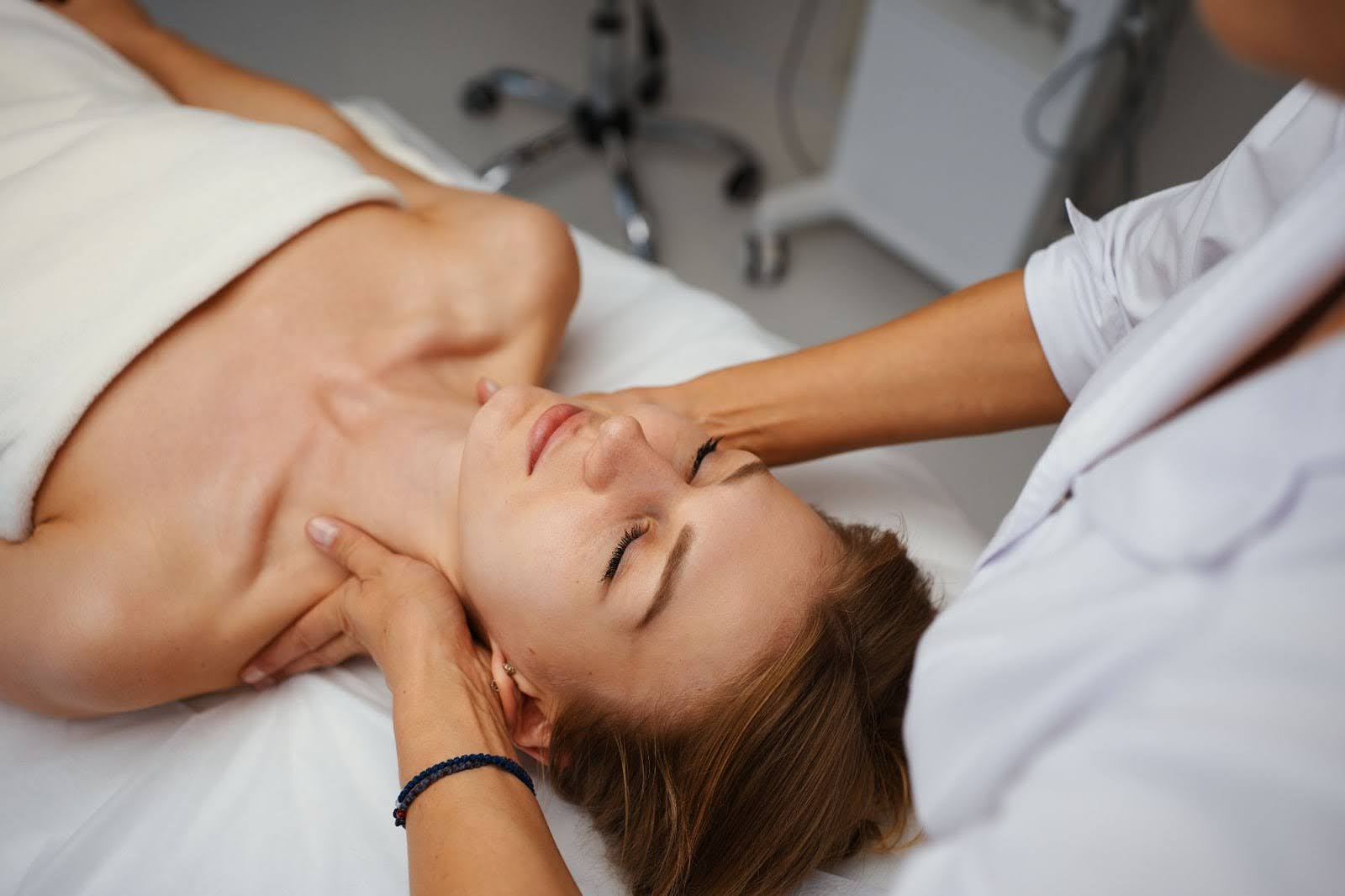
Facial lymphatic drainage can make the face look slimmer by reducing puffiness. The effect comes from moving trapped fluid, not fat loss. That creates a contoured look that appeals to those preparing for photos or events. The results are temporary and return once the body naturally restores fluid. Other cosmetic procedures may be needed to achieve lasting contour.
Lymphatic drainage is commonly recommended after microneedling, fillers, or surgical procedures. It helps reduce swelling, bruising, and discomfort during recovery. Many clinics combine it with post-treatment care to speed healing. Patients often report feeling more comfortable and noticing results faster, making it a trusted option in medical and beauty settings.
Lymphatic drainage does not usually deliver permanent results, but regular treatments may extend its benefits. The body naturally replaces fluids daily, which reduces the longevity of effects. For medical cases like lymphedema, ongoing therapy is essential. Evaluating long-term use helps people decide how often they may need it.
Research shows long-term benefits mainly for chronic conditions like lymphedema when therapy is consistent—cosmetic results rarely last more than a few days without repeat sessions. Medical patients, however, may sustain relief with frequent treatments under professional guidance. The treatment is part of an ongoing plan rather than a one-time solution. Clients should weigh the time and cost of repeated care.
Therapists typically recommend weekly or bi-weekly treatments depending on the client's needs. Medical patients may require more frequent visits, while cosmetic clients may schedule them before events. Consistency is the main factor in sustaining results. A single session usually produces only short-term improvements. Regular maintenance ensures more visible and lasting effects.
Lifestyle habits strongly affect the success of lymphatic drainage. Hydration, balanced nutrition, and regular activity naturally encourage healthy lymph flow, helping extend the benefits of massage sessions. Sedentary behavior or poor hydration can make results fade quickly. Combining therapy with healthy habits provides the best long-term outcomes.
Lymphatic drainage is often grouped with other treatments, but its goals are unique. Unlike traditional massages or medical compression, it focuses on fluid circulation instead of muscle tension. Comparing these therapies helps highlight what makes drainage distinct and clarifies when to choose one over another.
Traditional massages, like Swedish or deep tissue, target muscles, tension, and stress relief. Lymphatic drainage uses light, sweeping motions to move lymph fluid. While both can feel relaxing, only drainage focuses on swelling, puffiness, or fluid buildup. People often confuse the two, expecting deep pressure from lymphatic sessions. The reality is that this massage should feel gentle, not forceful. Each therapy serves a different purpose depending on the client's needs.
Compression therapy is another common approach to managing swelling and circulation. It involves tight garments or bandages that apply pressure to keep fluid from pooling. Unlike massage, compression is usually continuous and more medical in nature. Lymphatic drainage complements it by actively moving fluid through manual or mechanical methods. Many patients benefit from a combination of both, especially after surgery. Knowing the difference helps people select the proper treatment for their situation.
When used with the right purpose, lymphatic drainage delivers more than surface-level results. It can ease swelling, refresh appearance, and create a sense of balance that many clients find deeply rewarding. Choosing skilled providers and aligning the therapy with your health or beauty needs opens the door to noticeable improvements—the most convincing answer to whether lymphatic drainage works comes only after experiencing its benefits for yourself.
Are you curious about more than lymphatic drainage? Visit the Naples Laser & Skin Aesthetics blog for beauty, recovery, and lasting wellness guidance.
%402x.svg)