.png)
.png)
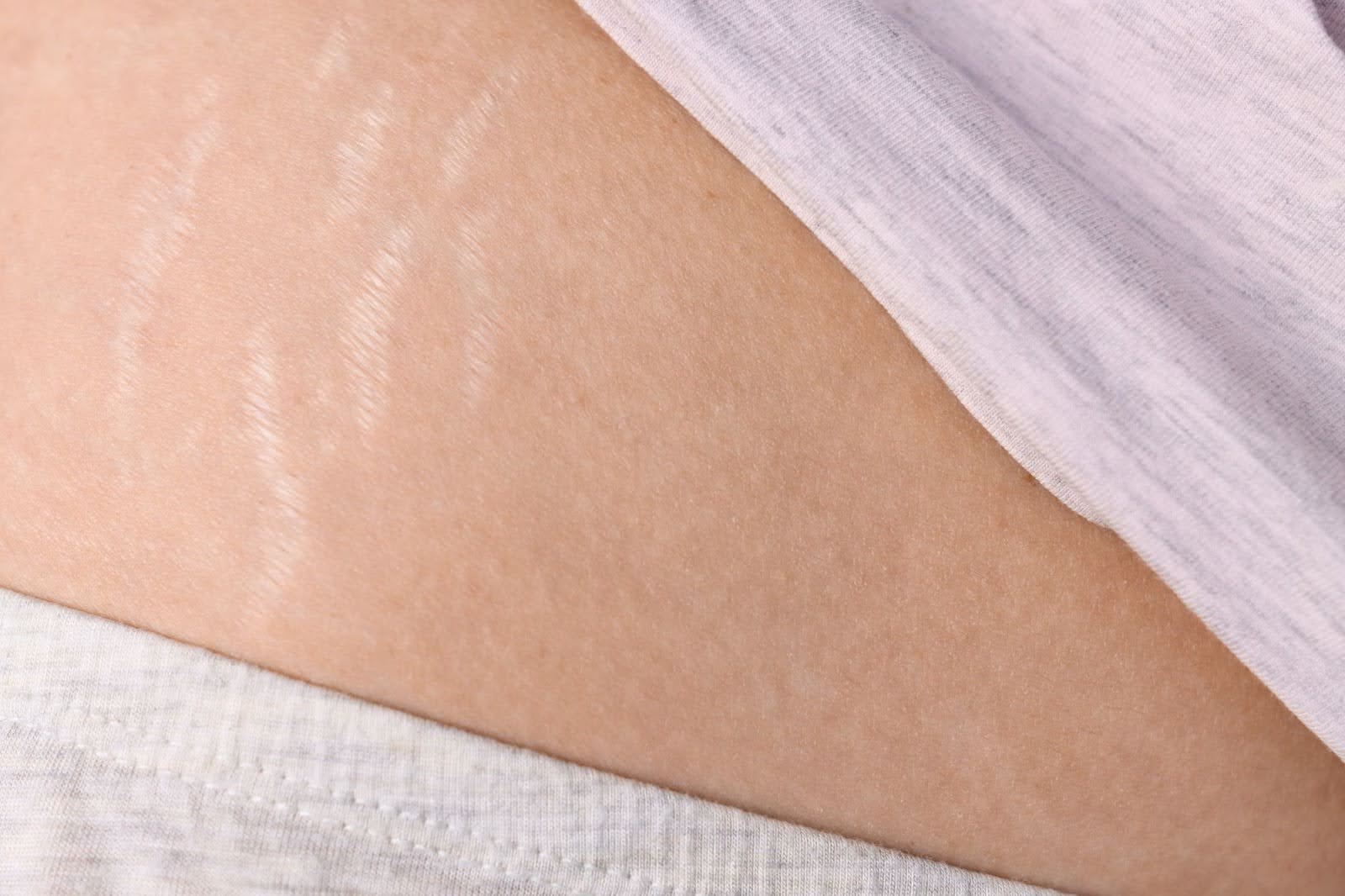
Stretch marks often appear during periods of physical growth or change, making them difficult to ignore. These lines can feel unexpected, especially when they develop quickly. Many people wonder if their skin can truly recover or if the marks are permanent. Confusion grows because advice online often conflicts. Clear, medically grounded explanations help replace uncertainty with confidence.
Stretch marks are internal skin changes caused by rapid tissue stretching. These marks develop beneath the skin’s surface rather than on top. Collagen and elastin fibers weaken when tension increases faster than the skin can adapt. That structural shift explains why stretch marks behave differently from surface discoloration.
Stretch marks form when the skin stretches beyond its elastic limit in a short time. This rapid expansion causes micro tears in collagen fibers deep within the dermis. Blood vessels react to this disruption, which creates the red or purple appearance seen early on. As healing progresses, inflammation reduces, and color fades. Topical products cannot reach these deeper layers instantly. Understanding this layered process explains why improvement always takes time.
New stretch marks appear darker because blood flow remains active in the area. Older stretch marks fade once circulation decreases and healing stabilizes. Texture may change as collagen reorganizes over time. Treatment response depends heavily on this stage of development. Newer marks generally respond more quickly to care. Older marks require more extended treatment plans and steady expectations.
Stretch marks differ from scars in how the skin responds to stress. Scars replace damaged tissue after injury. Stretch marks occur without surface wounds or broken skin. Collagen stretches rather than breaks completely. This distinction affects how treatments work. Fading is realistic, but total removal remains unlikely.
Stretch marks develop when skin experiences sudden or repeated tension. These changes place strain on collagen and elastin fibers. Hormonal shifts often increase vulnerability during these periods. Identifying the cause helps guide realistic care decisions.
Pregnancy places continuous pressure on the skin as the body expands. Hormones soften collagen, supporting physical changes. This hormonal adjustment reduces skin resistance under tension. Genetics influence how well skin adapts. Stretch marks often appear later in pregnancy. Postpartum improvement varies from person to person.
Rapid weight gain stretches skin outward before it adapts. Weight loss can reveal previously hidden stretch marks. Repeated fluctuations strain elasticity even further. Skin does not always retract evenly after changes. Marks commonly appear on thighs, hips, and the abdomen. Gradual shifts reduce overall stress on skin tissue.
Puberty is characterized by sudden growth in height and muscle mass. Skin stretches to accommodate rapid skeletal changes. Hormonal fluctuations affect collagen flexibility during this phase. Stretch marks often appear on the shoulders, hips, or lower back. Many fade naturally as growth stabilizes. Education helps reduce unnecessary anxiety during adolescence.
Genetics strongly influence how skin responds to stretching. Skin type affects elasticity, thickness, and healing speed. These differences explain why outcomes vary widely. No product can override inherited skin structure.
Stretch marks frequently appear within families. Inherited collagen density affects the resilience of tissues under tension. Some skin stretches smoothly without visible marks. Other skin types tear more easily under similar stress. Prevention options remain limited genetically. Awareness supports realistic expectations from treatment.
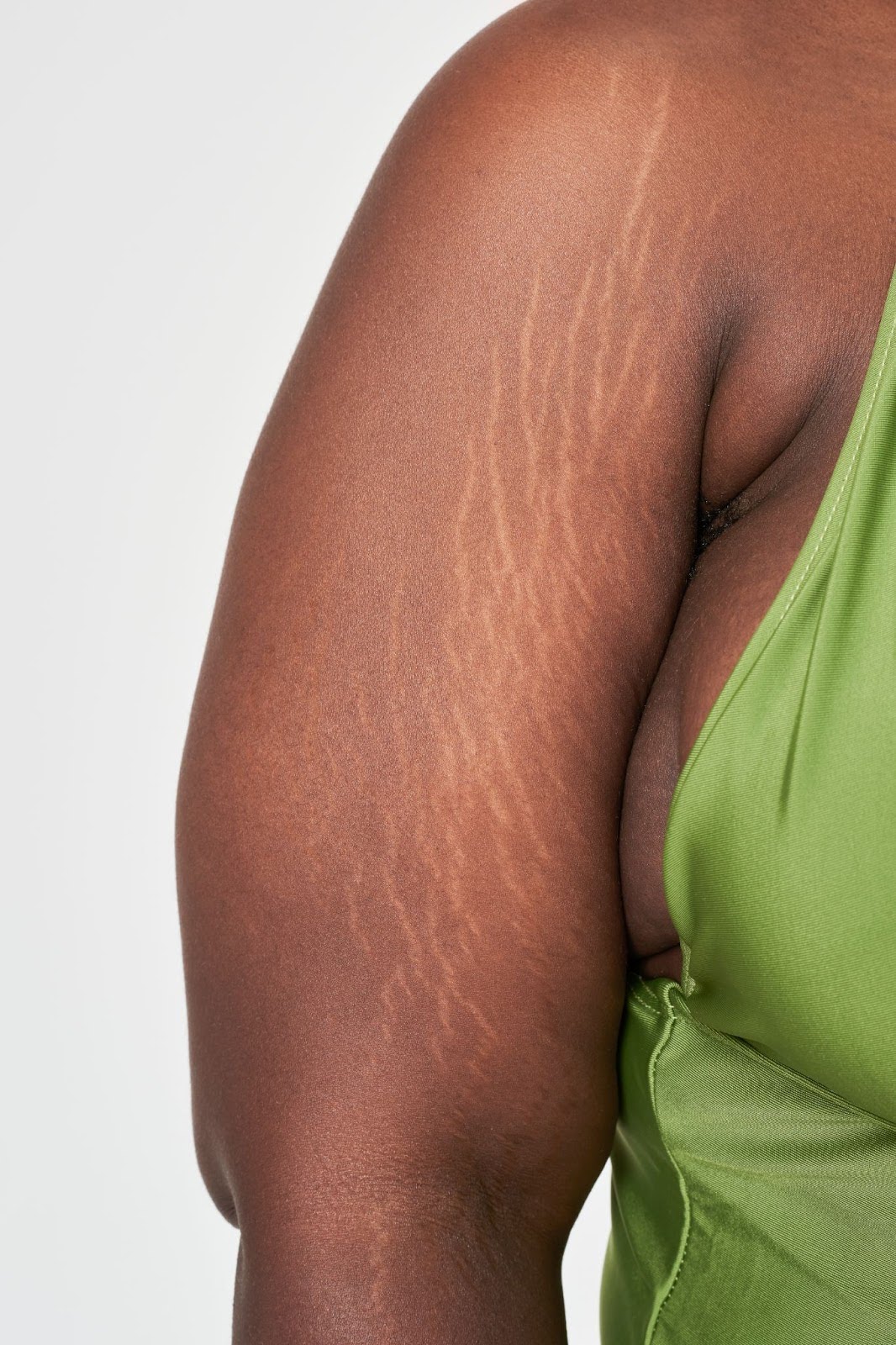
Stretch marks appear differently across skin tones. Darker skin may show lighter marks as healing progresses. Lighter skin often displays red or pink stages more clearly. Pigment response varies based on melanin levels. Sun exposure can increase contrast temporarily. Tailored care supports more even visual blending.
Stretch marks continue to change even without intervention. Natural healing processes influence color and texture. Complete disappearance remains uncommon. Gradual fading remains the most typical outcome.
Stretch marks usually lighten as blood flow decreases. Texture softens as collagen reorganizes slowly. This process often takes months or years. Fading does not mean complete removal. Visibility depends on skin tone and thickness. Patience helps align expectations with biology.
Untreated stretch marks may remain slightly indented. Surrounding skin can feel uneven over time. Clothing choices may feel more limited for some people. Emotional impact varies widely. Some individuals accept marks without concern. Others prefer visible improvement options.
Topical treatments focus on hydration and surface texture. These options work best on newer stretch marks. Consistency matters more than product cost. Results develop gradually with routine use.
Moisturizers improve skin softness and comfort. Oils help reduce dryness and surface tightness. Ingredients like shea butter support elasticity. Regular use enhances overall skin appearance. Results remain modest rather than dramatic. Removal claims often exaggerate outcomes.
Retinoids stimulate collagen renewal within the skin. Use requires professional safety guidance. Pregnancy use remains discouraged. Other actives include peptides and hyaluronic acid. These ingredients support repair and hydration. Visible changes appear gradually with continued use.
Massage increases circulation during application. Improved blood flow supports nutrient delivery. Gentle pressure helps product absorption. Daily routines support steadier progress. Aggressive rubbing irritates sensitive skin. Consistency produces better long-term results.
Clinical treatments reach deeper skin layers. These methods stimulate collagen remodeling directly. Results vary based on mark age and skin type. Consultation guides proper selection.
Laser therapy uses controlled heat to stimulate repair. It targets pigment and collagen structure simultaneously. Multiple sessions are usually required for visible change. Downtime varies depending on laser type. Texture and tone improve gradually. Complete removal remains unrealistic.
Microneedling creates controlled micro-injuries in the skin. This process triggers natural healing responses. Collagen production increases steadily over time. Sessions require spacing for recovery. Mild redness resolves quickly. Maintenance supports sustained improvement.
Chemical peels exfoliate surface layers to improve tone. They help gradually smooth the uneven texture. Depth selection depends on skin sensitivity. Deeper peels require professional supervision. Risks increase without guidance. Consultation supports safe outcomes.
Radiofrequency therapy uses controlled heat to stimulate collagen deep within the skin. This treatment targets lax tissue around stretch marks rather than surface pigment. Heat energy encourages gradual tightening and a smoother texture over time. Clinics often recommend multiple sessions for visible improvement. Downtime remains minimal compared to laser treatments. This method works well for improving firmness around mature stretch marks.
RF-assisted microneedling combines microneedles with radiofrequency energy to stimulate deeper collagen. The needles create microchannels while heat reaches the lower skin layers. This dual action promotes more substantial remodeling than microneedling alone. Clinics use devices like Morpheus8 or Potenza for this service. Results develop gradually across several sessions. This option suits deeper or older stretch marks needing structural support.
Prevention focuses on maintaining skin resilience. Results vary between individuals. Gradual changes reduce internal strain. Consistent care supports skin comfort.
Slow weight changes reduce sudden tension. Pregnancy routines support elasticity. Moisturizing during growth improves comfort. Hydration supports flexibility. Sudden stretching increases tear risk. Awareness encourages proactive habits.
Balanced diets support collagen production. Protein intake aids tissue repair—vitamins A, C, and E support skin health. Hydration maintains elasticity. Dehydrated skin tears more easily. Consistency strengthens resilience.
Timing affects how skin responds to care. Newer marks adapt more readily. Older marks react more slowly. Understanding timing shapes realistic expectations.
Red or purple marks respond better to treatment. Active blood flow supports healing processes. Care works more effectively during this stage. Texture improves faster at this point. Delays reduce visible change potential. Observation helps guide decisions.
Skin thickness affects treatment depth. Sensitive skin requires gentler options. Professional input reduces irritation risk. Combining approaches may improve results. Overuse can worsen texture. Balanced plans support steady progress.
Delaying care limits visible improvement potential. Skin repair capacity slows with time. Established marks resist surface treatments. Understanding limits prevents frustration.
Skin regeneration slows gradually over the years. Collagen fibers respond less readily to stimulation. Treatments still help with patience. Expectations should reflect biology. Improvement remains possible but restrained. Consistency supports gradual change.
Marketing often exaggerates removal promises. Evidence-based options offer realistic outcomes. Consultation clarifies suitable approaches. Personal goals shape decisions. Confidence grows through accurate information. Informed choices support long-term satisfaction.
Stretch marks respond best to treatments that address the deeper layers of the skin. Professional skincare offers access to technologies that stimulate collagen more effectively than topical products. Personalized treatment plans consider skin type, mark age, and texture differences. Relying on expert guidance reduces trial-and-error and supports clearer, more predictable improvement. Choosing professional care shifts the focus from hoping for change to actively supporting visible results.
For expert insights and treatment guidance, explore the Naples Laser & Skin Aesthetics blog and learn how professional care supports healthier skin.
%402x.svg)