.png)
.png)
Acne affects daily confidence, social comfort, and long-term skin health. Many people try countless products without lasting improvement. Professional facial services often appear reassuring and structured. Treatment rooms promise expertise, calm, and guided care. The real concern focuses on whether facials truly improve acne outcomes.
Facials help acne by addressing surface buildup and pore congestion. This professional care focuses on cleansing, exfoliation, and hydration. These steps support clearer pores and calmer skin behavior. Results depend on acne type, skin condition, and treatment consistency.
Acne forms when oil mixes with dead skin cells. This mixture blocks pores and traps acne-causing bacteria. Inflammation develops, leading to redness and swelling. Hormones, stress, and diet often increase oil production. This biological process clearly explains recurring breakouts. Facials target parts of this cycle, not every trigger.
Non-inflammatory acne includes blackheads and whiteheads. Inflammatory acne includes papules, pustules, and cysts. Facials address clogged pores more effectively than cysts. Deep inflammation requires medical treatment support. This distinction guides safe facial selection. Understanding acne type prevents improper expectations.
Facials support acne care through targeted skin treatments unavailable at home. These services improve cleanliness and product penetration. Licensed aestheticians adjust methods based on skin assessment. Professional limits still exist despite visible improvements.
Professional cleansing removes oil, debris, and surface bacteria. Steam gently softens hardened buildup inside pores. This preparation allows safer extractions afterward. Clean pores reduce short-term congestion and shine. These effects feel noticeable immediately. Results fade without ongoing maintenance.
Exfoliation removes dead skin cells that clog pores. Chemical exfoliants dissolve buildup without abrasion. Physical exfoliants rely on texture and pressure. Controlled exfoliation improves skin texture and tone. Overuse damages the skin barrier quickly. Professional guidance reduces this risk significantly.
Acne-prone skin still needs balanced hydration. Facials restore moisture using lightweight serums. A healthy barrier reduces irritation and redness. Dehydrated skin often overproduces oil. This imbalance worsens breakouts over time. Hydration supports calmer skin responses.
Certain facial types support acne-prone skin more effectively. Not every facial suits breakout conditions. Treatment choice greatly influences safety and outcomes. Customization prevents unnecessary irritation.
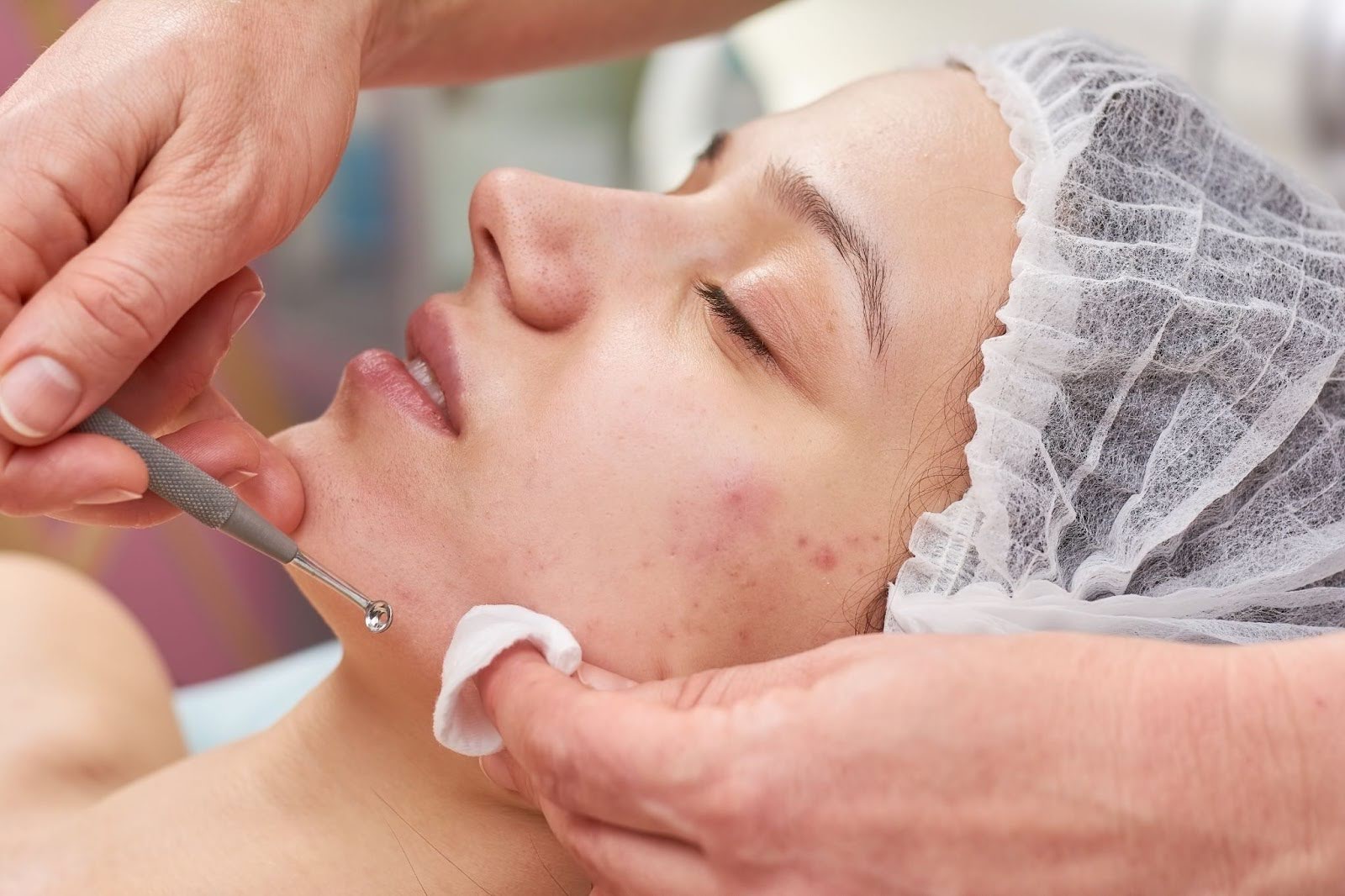
Classic acne facials focus on pore clearing. Estheticians perform extractions using sterile tools. Proper technique reduces scarring risk significantly. Immediate clarity improves skin appearance temporarily. Poor technique spreads bacteria easily. Experience determines treatment success strongly.
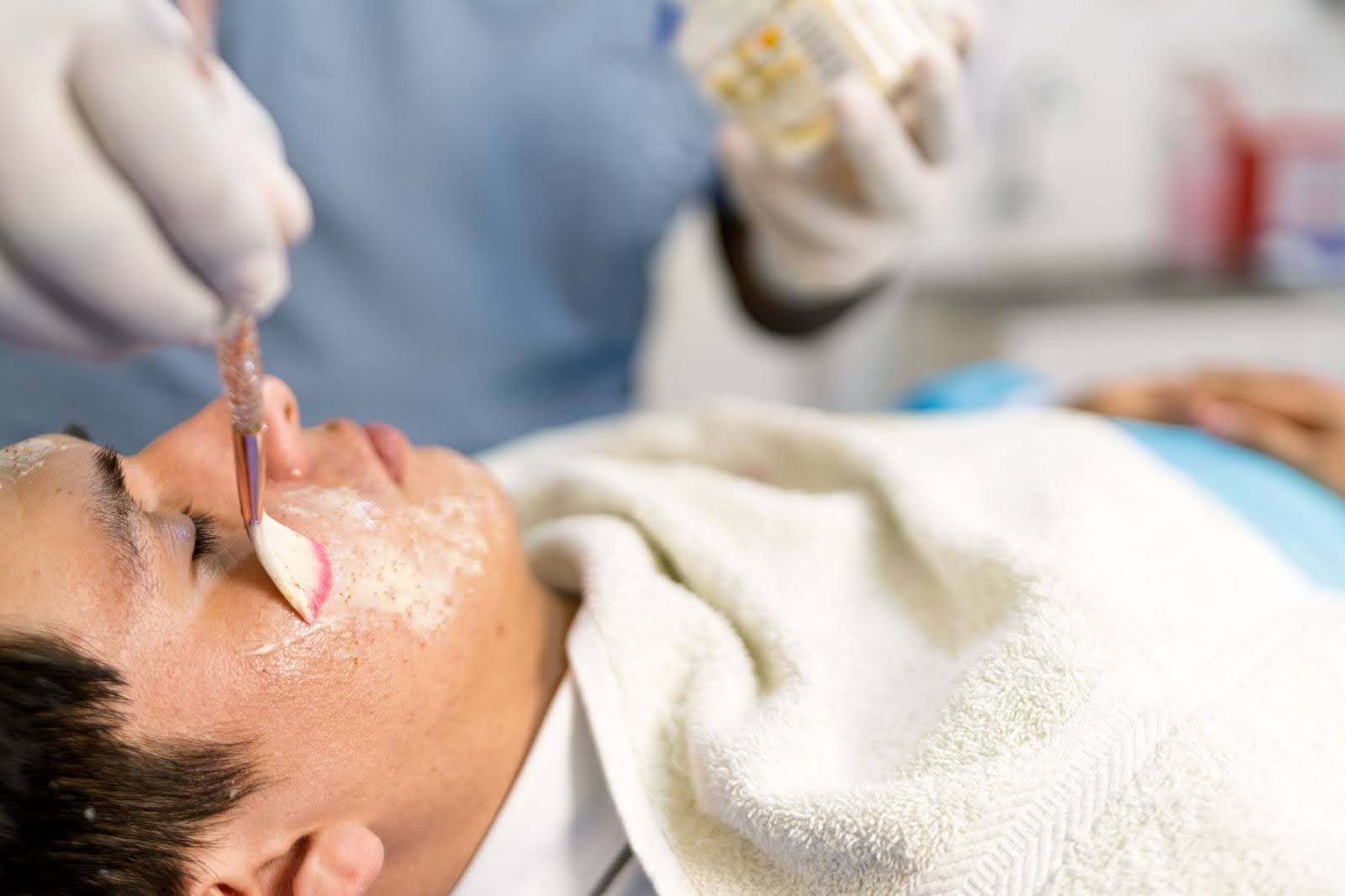
Chemical peels use acids like salicylic acid. These acids penetrate pores and dissolve buildup—salicylic acid is well-suited for oily skin types. Glycolic acid improves texture and discoloration. Recovery time varies by peel strength. Repeated sessions improve results gradually.
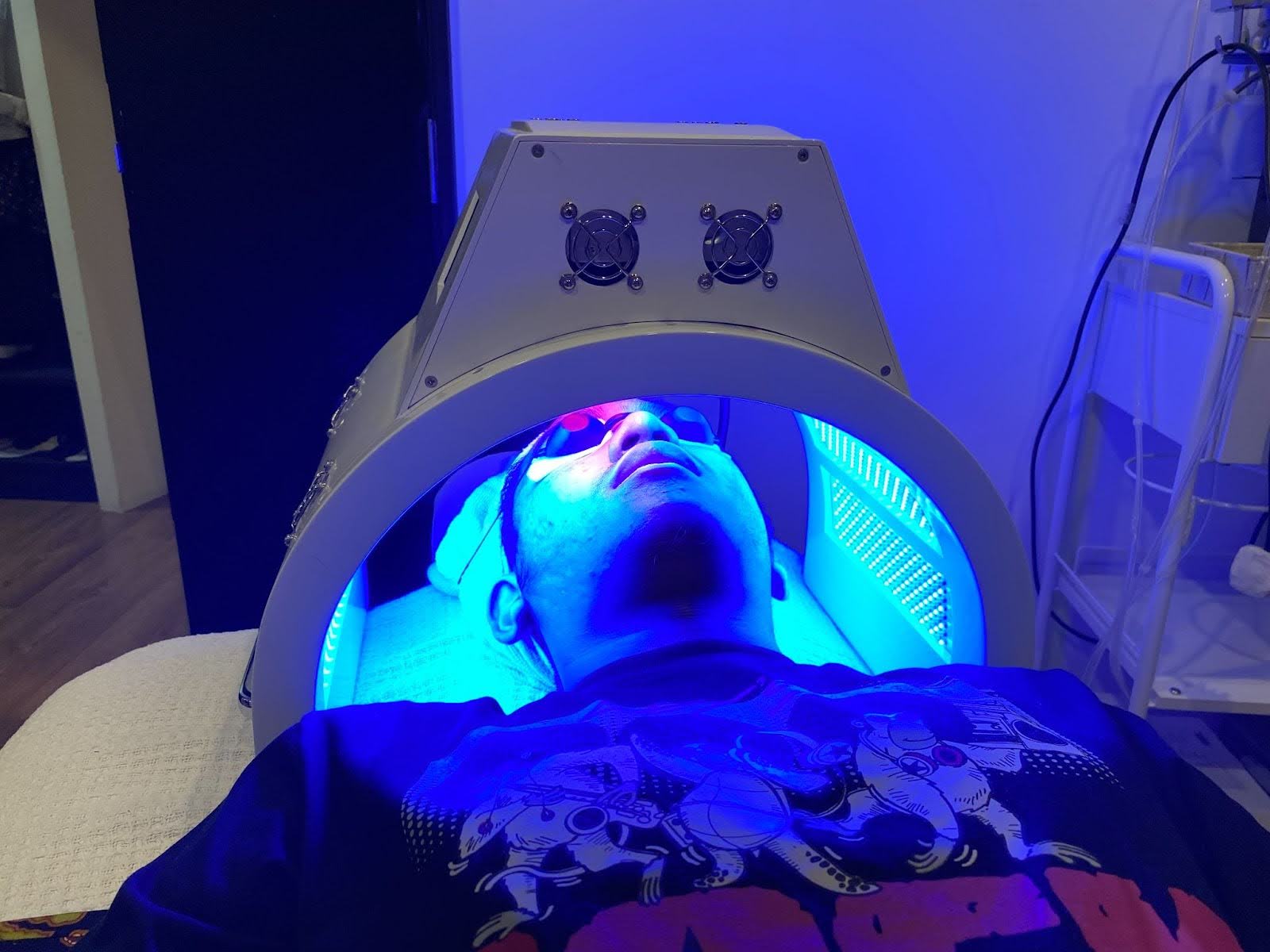
LED therapy uses blue and red light. Blue light reduces acne-causing bacteria levels. Red light calms inflammation and redness. Treatments are gentle and non-invasive. Consistency determines visible improvement timelines. Clinics often combine light therapy with facials.
Facials offer visible benefits for acne-prone skin. Improvements often appear faster than home routines. These changes support confidence and comfort. Long-term results require consistent care.
Skin appears smoother and brighter quickly. Redness often decreases within several hours. Pores look smaller due to reduced congestion. Makeup applies more evenly afterward. This improvement boosts short-term confidence. Effects fade without maintenance treatments.
Regular facials support balanced oil production. Skin absorbs acne treatments more effectively afterward. Consistency improves overall skin responsiveness. Facials complement medical acne plans well. This approach supports steadier progress. Maintenance remains essential for lasting clarity.
Consistent facials help prevent recurring pore congestion. Clean pores reduce conditions that trigger new breakouts. This prevention helps stabilize skin behavior. Reduced congestion lowers inflammatory response risks. Breakouts may appear less frequently over time. Results depend on adherence to the routine and skin type.
Facials improve uneven texture caused by past acne. Exfoliation encourages smoother surface renewal. Some treatments gradually soften shallow acne marks. Improved texture enhances overall skin appearance. This benefit supports confidence beyond breakout control. Deeper scars still require advanced procedures.
Facials support acne only when applied correctly. Incorrect treatments worsen breakouts quickly. Misunderstandings create unrealistic expectations. Education reduces unnecessary complications.
Aggressive extractions inflame sensitive skin. Harsh products disrupt the skin barrier. Over-exfoliation increases redness and irritation. Broken barriers allow bacterial penetration easily. These reactions trigger flare-ups unexpectedly. Proper customization prevents these outcomes.
Many expect permanent results from one facial. Acne involves internal and external factors. Facials cannot correct hormonal imbalances. Social media exaggerates instant transformation claims. Real improvement requires repeated care. Patience supports healthier outcomes.
Layering too many products overwhelms acne-prone skin. Active overload increases irritation and sensitivity. Irritated skin produces more oil defensively. This reaction worsens congestion and inflammation. Facials cannot offset poor product discipline. Simpler routines support clearer outcomes.
Facials deliver better results alongside daily routines. Home care maintains professional improvements longer. Coordination improves overall skin stability. Isolated treatments rarely solve acne alone.
Gentle cleansing protects the skin barrier. Non-comedogenic products reduce pore blockage risk. Sunscreen shields post-exfoliation skin reliably. Consistency outperforms aggressive experimentation methods. Stable routines encourage healthier skin patterns. Patience improves long-term clarity.
Post-facial skin absorbs products more efficiently. Incorrect layering can overwhelm sensitive skin. Lightweight products should be applied before heavier formulas. Actives require a temporary reduction after treatments. This timing prevents irritation and rebound breakouts. Structured routines extend facial benefits longer.
Severe acne requires medical treatment involvement. Prescription therapies address deeper acne causes. Facials cannot fully replace dermatological care. Coordinated care prevents conflicting treatments. Skincare clinics often collaborate for better outcomes. This teamwork supports sustainable skin improvement.
Facials work best when aligned with the skin’s natural cycles. Skin follows predictable rhythms of regeneration and inflammation. Poor timing reduces benefits and increases the risk of irritation. Understanding timing improves outcomes without adding treatments.
Skin renews itself roughly every twenty-eight days. Acne-prone skin often renews unevenly or too slowly. This uneven turnover increases clogged pores. Facials timed too frequently disrupt recovery processes. Facials timed too far apart lose momentum. Proper spacing respects biological repair rhythms.
More aggressive treatments do not necessarily lead to better results. Acne-prone skin responds poorly to repeated trauma. Over-treatment weakens the skin barrier gradually. Barrier damage increases oil production defensively. Increased oil worsens future breakouts. Strategic frequency protects long-term skin stability.
Hormonal fluctuations affect oil production significantly. Breakouts often spike before menstrual cycles. Scheduling facials during flare windows increases the risk of irritation. Stress hormones also heighten inflammatory responses. Calm skin responds better to professional treatments. Timing facials during stable phases improves tolerance.
Weather changes influence skin hydration levels. Cold seasons reduce barrier resilience. Hot seasons increase sweat and oil production. Facials require seasonal product adjustments. Static routines ignore environmental shifts. Seasonal planning improves consistency and comfort.
Facials interact directly with the skin barrier’s communication system. This system sends signals that regulate oil production, inflammation, and healing. When misunderstood, treatments trigger defensive reactions. Recognizing barrier signals substantially improves facial outcomes.
The skin barrier sends chemical signals when irritated. These signals increase oil production defensively. In acne-prone skin, this response worsens congestion. Facials that strip oils intensify this reaction. The skin interprets over-cleansing as danger. Balanced treatments keep signals stable.
Skin can feel clean while still being biologically stressed. Tightness often signals barrier disruption. This disruption increases inflammation below the surface. Facials that chase dryness worsen imbalance. Healthy skin feels comfortable, not squeaky. Comfort indicates barrier stability.
Many clients unknowingly use actives before facials. Retinoids, acids, and benzoyl peroxide alter skin signals. Combining these with facials overwhelms recovery capacity. This overload triggers redness and delayed breakouts. Clear ingredient coordination prevents confusion. Communication between provider and client matters.
Clear skin improves when facial treatments follow intention rather than impulse. Random sessions often create temporary change without progress. Purposeful scheduling, informed providers, and disciplined home care shape better outcomes. The next step begins by choosing treatments that respect how skin actually functions and responds.
Find evidence-based skincare insights and professional guidance on the Naples Laser & Skin Aesthetics blog.
%402x.svg)