.png)
.png)
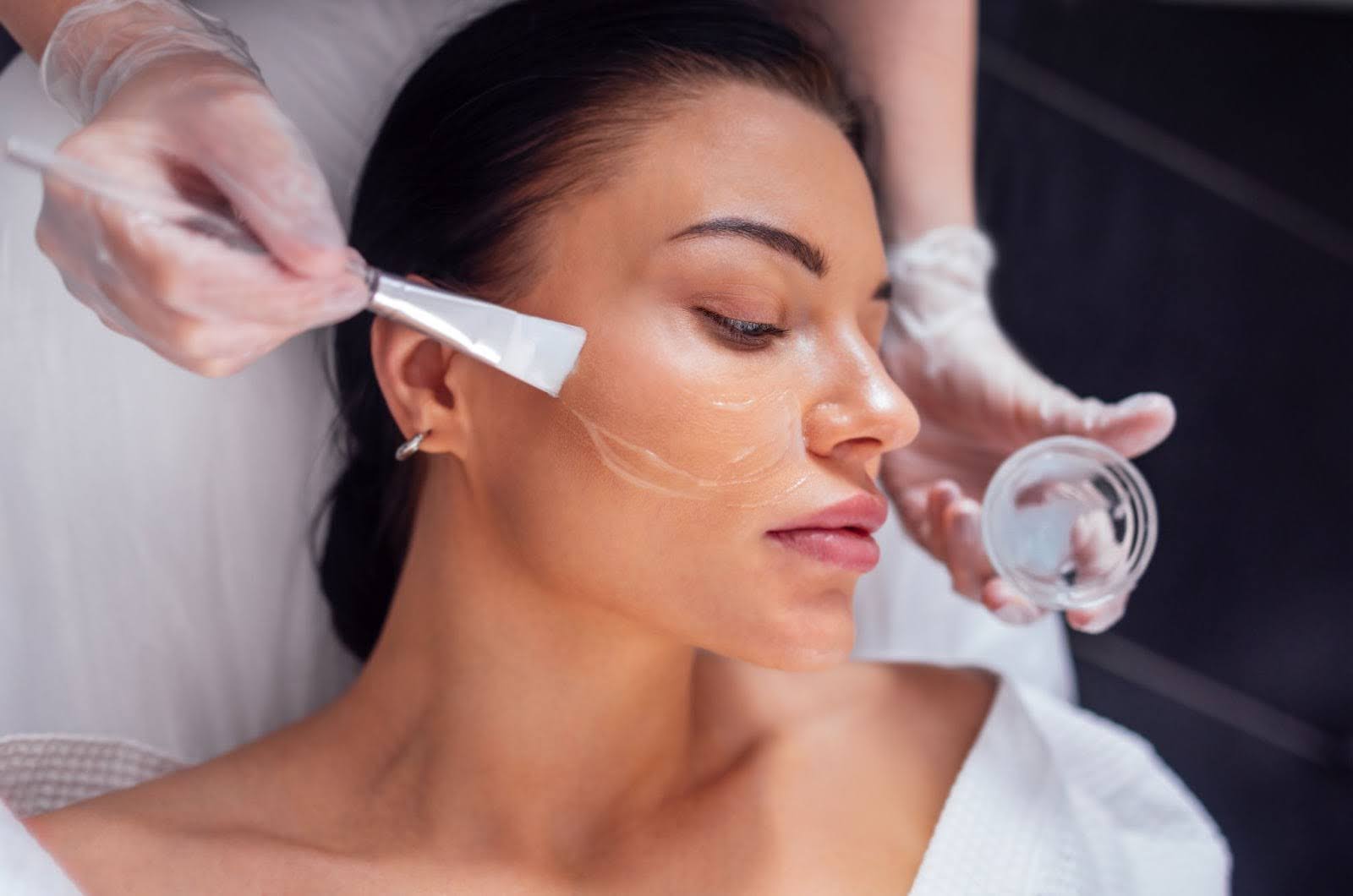
A chemical face peel can feel like a fresh start for your skin. The process removes dull, damaged layers to reveal a smoother, youthful surface beneath. Yet, what happens after the peel is just as important as the procedure. Even the best treatments can fall short of their full potential without proper aftercare.
A chemical face peel is a skin-resurfacing treatment that uses controlled chemical solutions to exfoliate damaged layers. The recovery process and results vary depending on the depth, which is light, medium, or deep. Each peel encourages cell turnover and collagen renewal, improving tone and texture. Knowing what your skin goes through afterward helps you care for it effectively.
Your skin undergoes a controlled injury to trigger repair and regeneration. The outer layer sheds, leading to peeling, flaking, and mild redness. This reaction is normal and signals that your skin is rebuilding itself. New, healthier cells emerge as old cells slough off, revealing a smoother texture and clarity. Depending on the depth of the peel, the process usually lasts a few days to a week.
You may feel tightness, warmth, or light stinging during the first few days. These sensations are normal as your skin adjusts and starts to renew itself. Flaking may appear uneven, but it’s important not to peel or rub it off. Over-the-counter soothing creams approved by your provider can help reduce discomfort. If you notice swelling, blistering, or intense redness, consult your dermatologist promptly.
Proper aftercare preserves the benefits of your peel and prevents complications. Your skin becomes more sensitive and requires gentle, consistent care during recovery. Hydration, protection, and patience make the healing process smoother. Following professional advice ensures your results last longer.
Hydrated skin heals faster and maintains a smoother texture. To lock in moisture, use a light, fragrance-free moisturizer containing hyaluronic acid or ceramides. Apply it gently using clean fingertips several times a day. Avoid heavy creams that clog pores or irritate peeling skin. Keeping your face well-hydrated reduces flaking and promotes even healing.
Choose a mild, pH-balanced cleanser without alcohol, fragrance, or exfoliating ingredients. Harsh soaps strip the natural oils your healing skin needs to recover. Wash with lukewarm water and pat dry softly instead of rubbing. Avoid facial brushes or scrubs until your skin stops peeling. Clean yet balanced skin helps retain essential moisture.
Freshly peeled skin is vulnerable to UV rays, which can cause hyperpigmentation or irritation. Use a mineral sunscreen with SPF 30 or higher, containing zinc oxide or titanium dioxide. Apply it every morning and reapply every two hours if outdoors. Seek shade and wear a wide-brimmed hat for extra protection. Consistent sun care helps maintain your post-peel glow.
Your provider tailors aftercare steps to your specific peel and skin type. Ignoring those guidelines risks irritation or delayed healing. Avoid experimenting with new products during recovery unless approved by your skincare expert. Professionals often recommend recovery serums or barrier creams to support healing. Following their plan ensures optimal results and safety.
Your bedding can affect your skin’s recovery, especially during peeling. Change pillowcases regularly to avoid bacterial buildup. Sleep on your back to keep your face from rubbing against the pillow. If possible, use silk or satin pillowcases to reduce friction. Clean sleep surfaces protect your skin as it regenerates.
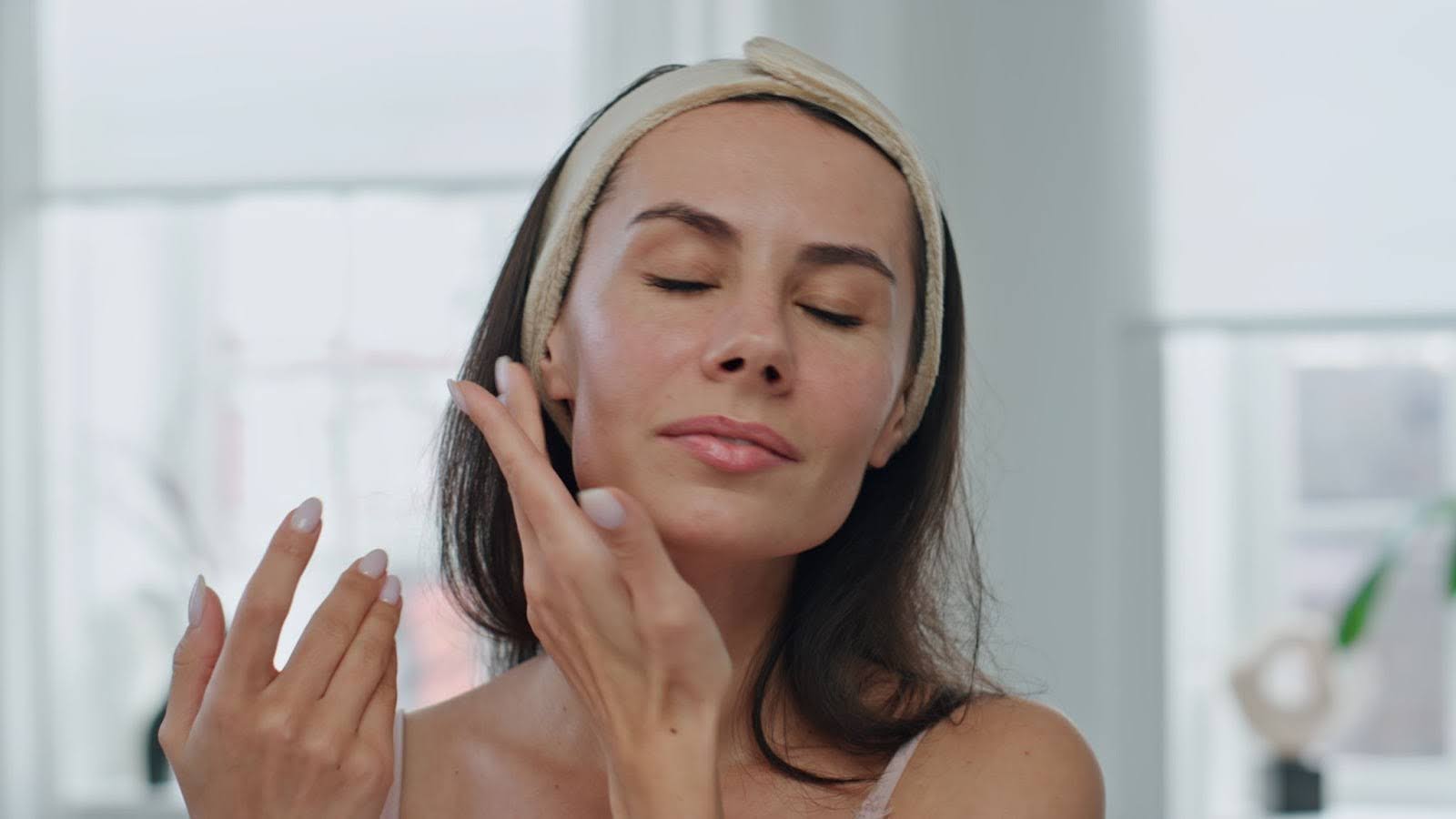
Some habits can reverse your progress and irritate healing skin. Avoiding specific actions helps protect your results and ensures smooth recovery. The peeling phase may be inconvenient, but patience brings lasting results. Treat your face like a delicate surface that needs gentle care.
Peeling skin off prematurely can cause scarring or uneven tone. Even if the flakes are visible, let them shed naturally. Picking exposes raw skin that isn’t ready to heal and may lead to infection. Keep your skin moisturized to reduce flaking and the temptation to touch. Your patience will reward you with a clearer, even complexion.
During recovery, your skin can’t handle acids, scrubs, or retinoids. Wait at least one to two weeks before reintroducing active ingredients. Using them too soon may result in redness, burning, or swelling. Stick to gentle cleansers, soothing serums, and light moisturizers. Once your skin stops peeling, gradually reintroduce your regular products.
High heat worsens inflammation and sensitivity after a chemical peel. Avoid saunas, steam rooms, and hot showers for several days. Keep water lukewarm when cleansing or bathing to protect your healing barrier. Even strenuous exercise should wait until peeling subsides. Heat-free care keeps your skin calm and balanced.
Makeup can clog pores and interfere with healing skin. Wait until peeling stops before applying any products. When you resume, use mineral-based foundations or tinted moisturizers instead of heavy creams. Always cleanse thoroughly afterward using a gentle cleanser. Giving your skin breathing space supports smooth recovery.
Sweating introduces salt and bacteria that irritate sensitive skin. For the first few days after the peel, avoid high-intensity workouts. Choose light movements like walking or stretching if needed. Excessive heat from exercise can slow recovery and cause redness. Protecting your skin during this time helps preserve your results.
Skin recovery after a chemical peel follows a predictable rhythm. The depth of your peel determines how long each stage lasts. Light peels heal in a few days, while deeper ones may take weeks. Understanding what to expect helps you manage your aftercare confidently.
During this initial period, your skin may feel tight, warm, and sensitive. Avoid makeup, hot water, and physical exfoliation. Hydrate with a gentle moisturizer and avoid touching your face. Use cool compresses if you experience discomfort or redness. Keeping your skin calm helps prevent early irritation.
Peeling becomes more visible as old cells shed naturally. Avoid pulling or rubbing the flakes, even if they look ready. Continue using gentle cleansers and moisturizers only. Your skin may appear patchy or uneven temporarily. Staying consistent with hydration speeds up this stage.

Most peeling ends, revealing new, smoother skin underneath. Mild redness may remain, but it gradually fades. Protect your skin from sunlight to avoid pigmentation. Resume everyday skincare slowly with your provider’s approval. Regular care now keeps your glow lasting longer.
If redness deepens, swelling increases, or crusting appears, contact your provider. These signs could indicate an infection or adverse reaction. Don’t self-treat with over-the-counter products. Prompt medical advice helps prevent complications, and professional guidance ensures your healing remains healthy and safe.
Recovery success depends on daily discipline and mindful choices. Small actions make noticeable differences in your results. Protecting your healing skin from stress and damage is essential. Consistency will reward you with even texture and lasting brightness.
Nutrition plays a crucial role in skin recovery after a peel. Eat foods high in vitamins C and E, like citrus and almonds. Drink plenty of water to maintain internal hydration. Avoid alcohol and smoking, which slow healing and dull your complexion. A healthy diet works with your skincare to speed results.
A strong barrier protects against dryness and irritation. Use creams containing peptides, niacinamide, or ceramides to rebuild it. Avoid over-cleansing, which strips natural oils. Apply moisturizer gently to maintain balance and softness. Healthy skin barrier repair ensures smooth and even healing.
Even indirect sunlight can harm your healing skin. Apply sunscreen every morning and reapply as needed throughout the day. Choose physical sunscreens over chemical ones for gentler protection. Pair this with protective clothing or wide-brimmed hats outdoors. Consistent sun care maintains your post-peel clarity.
Use clean hands when applying skincare or touching your face. Avoid scrubbing, rubbing, or exfoliating during recovery. Apply products with soft motions to prevent irritation. Trim your nails to avoid accidental scratches. Being mindful of your skin preserves its renewed smoothness.
Your skin’s improvement continues for weeks after your peel as collagen rebuilds. The smoother, brighter complexion that follows depends on your care. Consistency keeps your results visible and your skin strong. Following simple habits makes every peel investment worthwhile.
Once healed, exfoliate lightly using enzyme-based or gentle chemical formulas. Regular professional facials can help sustain brightness and balance. Avoid back-to-back chemical peels without professional advice. Give your skin recovery time between treatments. Maintenance and moderation keep your glow natural and lasting.
A minimalist routine supports the health of your post-peel skin. Focus on cleansing, hydrating, and protecting daily. Avoid unnecessary layering of serums or active ingredients. Simplicity prevents irritation and supports consistent results. Clean, calm skin responds best to fewer, effective products.
Light chemical peels can be repeated every few months for continued renewal. Deeper treatments need more time between sessions for complete healing. Discuss future peels with your dermatologist or licensed aesthetician. Scheduling properly prevents overexfoliation and supports long-term improvement. Responsible timing ensures your skin remains balanced and resilient.
Healthy skin isn’t built overnight; it’s shaped through mindful care and consistent habits. Your chemical peel marks a new beginning, but what follows defines the real results. Treat every step of your aftercare as a commitment to your skin’s future. Start now, stay consistent, and let your skin reveal its true, lasting brilliance.
Continue your skincare journey with the Naples Laser & Skin Aesthetics blog, where science, care, and experience meet radiant results.
%402x.svg)