.png)
.png)
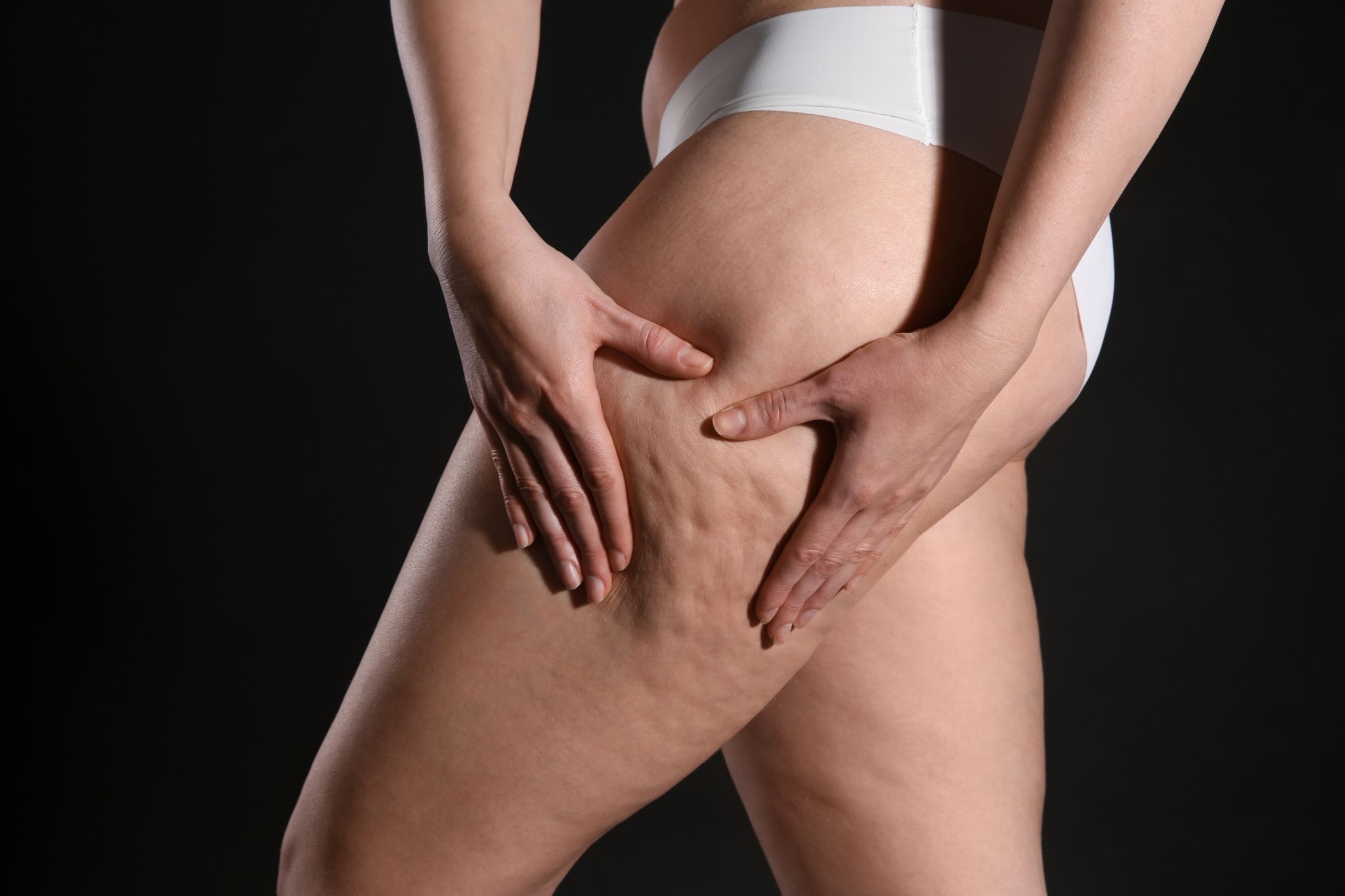
Uneven skin texture can develop over time and can often feel difficult to manage. Many people feel frustrated when visible changes do not respond to effort. Skincare products and treatments promise smooth results, yet those claims rarely match reality. This disconnect creates confusion about what truly works and what does not. Clear, honest guidance helps you make better decisions and avoid wasted time.
Cellulite forms when fat pushes through connective tissue beneath the skin, creating a dimpled surface. This structure explains why the skin appears uneven rather than smooth. It does not depend only on weight, which often surprises people. Understanding these biological factors helps explain why cellulite varies between individuals.
Cellulite develops because fibrous bands pull the skin downward while fat presses upward. This interaction creates the uneven texture that many people notice. The skin's outer layer cannot fully mask these underlying changes. Thinner skin makes dimples more visible over time. Based on dermatology clinic data, collagen loss increases this visibility with age. These structural features are found in most bodies, which explains their widespread presence.
Hormones influence how fat is distributed and how skin maintains firmness over time. Estrogen affects circulation and collagen levels, which impact skin elasticity. Genetics determines how connective tissue forms and how fat settles in certain areas. This genetic factor explains why cellulite can run in families. Aging reduces collagen, weakening skin support and increasing visibility. These combined influences shape how and where cellulite appears.
Lifestyle choices affect circulation, muscle tone, and overall skin condition. Limited movement can reduce blood flow, which affects tissue health over time. Poor nutrition may weaken skin structure and reduce elasticity. This aging process gradually lowers collagen production, making dimples more visible. Dehydration can also reduce skin firmness and worsen texture. These combined factors influence how cellulite develops and changes over time.
Microcirculation affects how oxygen and nutrients reach the skin, influencing its overall texture. This process supports healthy tissue function and helps maintain a smoother appearance. When circulation slows, the skin may appear dull and uneven. Understanding this factor explains why movement and blood flow matter for visible changes.
Healthy blood flow delivers oxygen and nutrients that support skin repair and elasticity. This circulation keeps tissues functioning properly and helps maintain firmness. Reduced blood flow can lead to fluid buildup and uneven texture over time. This condition often occurs in areas with limited movement or frequent pressure. Based on vascular research, consistent movement improves circulation and supports skin quality. This connection explains why an active lifestyle often improves overall skin appearance.
The lymphatic drainage system removes waste and excess fluid from tissues beneath the skin. When this system slows, fluid can accumulate, making dimpling more noticeable. This buildup creates a heavier, uneven look in affected areas. Sedentary habits can reduce lymphatic flow, worsening this effect. Gentle movement and massage can naturally stimulate this system. This function supports the idea that consistent activity contributes to smoother-looking skin.
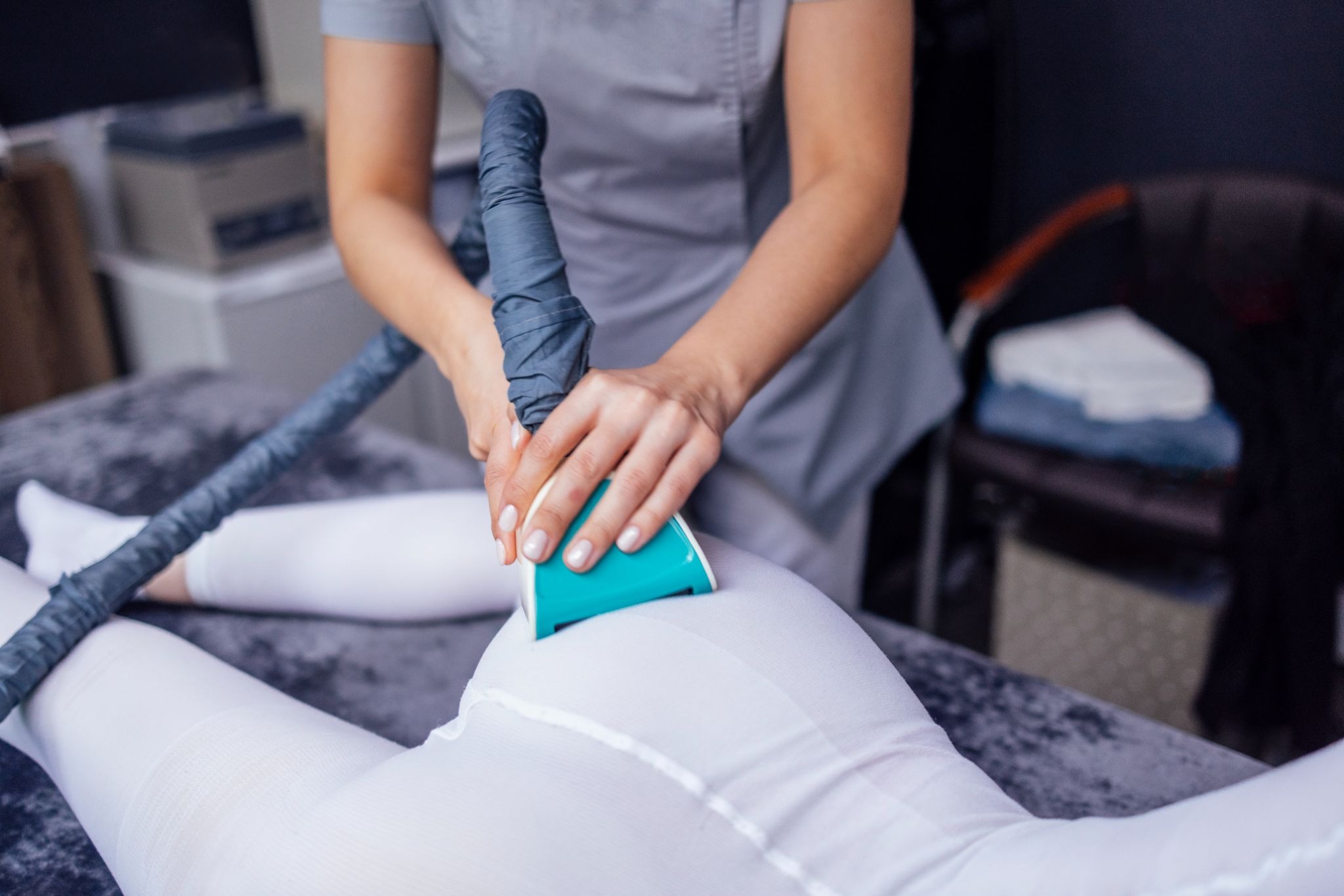
Daily habits can influence how well blood and lymph move through the body. Prolonged sitting can slow circulation and contribute to fluid buildup in certain areas. This behavior often affects the thighs and lower body, where dimpling appears more visible. Simple actions like walking, stretching, or changing positions can support better flow. Based on clinical observations, consistent low-intensity movement improves tissue oxygenation. This improvement supports healthier skin and may reduce uneven texture over time.
Cellulite cannot be completely removed in most cases due to its structural causes. Treatments can reduce its appearance but rarely eliminate it permanently. This limitation exists because connective tissue remains unchanged beneath the skin. Understanding this reality helps you set realistic expectations and avoid misleading claims.
Permanent removal remains difficult because treatments cannot fully alter the skin's structure. Most options target surface appearance rather than deeper connective bands. This limitation leads to temporary improvements rather than lasting results. Many clinical treatments require maintenance to sustain smoother skin. Based on aesthetic clinic reports, results often fade without follow-up sessions. This reality makes long-term commitment an important consideration.
Cellulite affects a large portion of adults regardless of body type or fitness level. This condition does not indicate poor health or lack of effort. Many athletes and active individuals still experience visible dimpling. Media images often remove texture, creating unrealistic beauty standards. This perception leads to unnecessary pressure and dissatisfaction. Accepting its normal presence can help improve confidence and perspective.
Cellulite reduction focuses on improving skin tone, muscle support, and circulation. These approaches do not remove cellulite but can make it less visible. This process requires consistency rather than quick fixes or extreme methods. Small, steady improvements often produce the most noticeable results.
Exercise improves muscle tone, which supports the skin and reduces uneven appearance. Strength training targets areas where cellulite commonly appears, such as thighs and hips. This method builds a firmer base beneath the skin over time. Cardio activity can reduce overall body fat, which may lessen dimpling. Based on fitness research, consistent routines produce gradual improvements in skin texture. This approach works best when combined with long-term healthy habits.
Nutrition supports skin structure and overall body composition. Protein intake helps maintain muscle and collagen levels within the skin. This dietary balance supports elasticity and firmness over time. Hydration improves skin appearance by maintaining moisture and flexibility. Reducing processed foods may also limit inflammation and fluid retention. These consistent habits contribute to smoother-looking skin over time.
Topical treatments can temporarily improve the appearance of cellulite. Ingredients like caffeine may temporarily reduce fluid buildup and temporarily tighten the skin. This effect creates a smoother look that fades over time. Retinol-based creams may support collagen production when used regularly. Massage can improve circulation and lymphatic drainage in affected areas. These methods offer short-term benefits rather than permanent change.
The fascia is a connective tissue layer that surrounds muscles and supports the body's structure. This tissue influences how skin and fat layers sit beneath the surface. When fascia becomes tight, it can pull unevenly, affecting skin texture. Understanding fascia adds a deeper layer to how the body shapes visible contours.
Tight fascia can restrict movement and create tension beneath the skin. This tension may pull certain areas downward while others remain unchanged. The result can appear as uneven or dimpled skin texture. Limited mobility and prolonged sitting can contribute to this restriction over time. Based on mobility research, regular stretching can improve fascial flexibility. This improvement may help create a smoother and more balanced appearance.
Movement helps keep fascia flexible and responsive to daily activity. Stretching routines can reduce stiffness and improve tissue mobility. This flexibility allows skin and underlying layers to move more naturally. Activities like yoga and mobility exercises can support this process. Consistent practice may gradually improve the appearance of the skin. This approach complements other methods focused on muscle and circulation.
Professional treatments offer more advanced options for reducing the visibility of cellulite. These procedures target deeper layers of the skin and connective tissue. This approach can provide more noticeable results than at-home methods. Choosing the right option depends on your goals, budget, and comfort level.
Non-invasive treatments use technology to improve skin texture without surgery. Laser and radiofrequency methods stimulate collagen beneath the skin. This stimulation can tighten skin and reduce the appearance of dimples. Ultrasound treatments may also target fat layers to improve smoothness. Based on clinical data, multiple sessions are usually required for visible results. This option appeals to people seeking minimal downtime and gradual improvement.
Minimally invasive procedures target the connective bands that cause dimpling. Subcision techniques release these bands, creating smoother skin surfaces. This method can provide longer-lasting results compared to surface treatments. Injectable options may also improve texture in specific areas. Recovery time varies but often remains manageable for most patients. This option suits individuals seeking more noticeable and longer-term changes.
Cellulite treatments often require financial and time commitments over several sessions. This investment can increase when maintenance treatments become necessary. Results may vary depending on individual skin structure and lifestyle habits. Based on clinic pricing trends, advanced procedures tend to cost more than topical solutions. This comparison helps you weigh benefits against long-term expenses. Choosing a sustainable approach often leads to better satisfaction over time.
The skin barrier protects against moisture loss and external damage while maintaining elasticity. This protective layer plays a role in how smooth or uneven the skin appears. When the barrier weakens, the skin may look dry and less firm. Understanding this factor adds a skincare-focused perspective to improving texture.
A weakened skin barrier can reduce hydration, making the skin appear thinner. This change may increase the visibility of underlying dimpling. Harsh products and over-exfoliation can contribute to this damage. Environmental factors, such as sun exposure, can also weaken the skin's structure over time. Based on dermatology findings, maintaining hydration supports skin resilience. This support can help reduce the appearance of uneven texture.
Gentle skincare routines can help maintain a strong and healthy barrier. Using moisturizers with supportive ingredients can improve hydration levels. This care helps the skin remain flexible and more even in appearance. Avoiding harsh treatments can prevent unnecessary damage to the surface layer. Consistency in skincare habits leads to gradual improvements over time. This approach works best when combined with overall healthy lifestyle practices.
Stronger skin and better habits can gradually reduce the appearance of uneven texture. Cellulite may not disappear completely, but steady effort can improve its look over time. This progress depends on consistency rather than chasing quick solutions that rarely last. Small, intentional changes can support firmer skin and better overall confidence. Start with one realistic step today and build from there with patience and focus.
Learn what actually works for smoother, healthier skin on the Naples Laser & Skin Aesthetics blog.
%402x.svg)