.png)
.png)
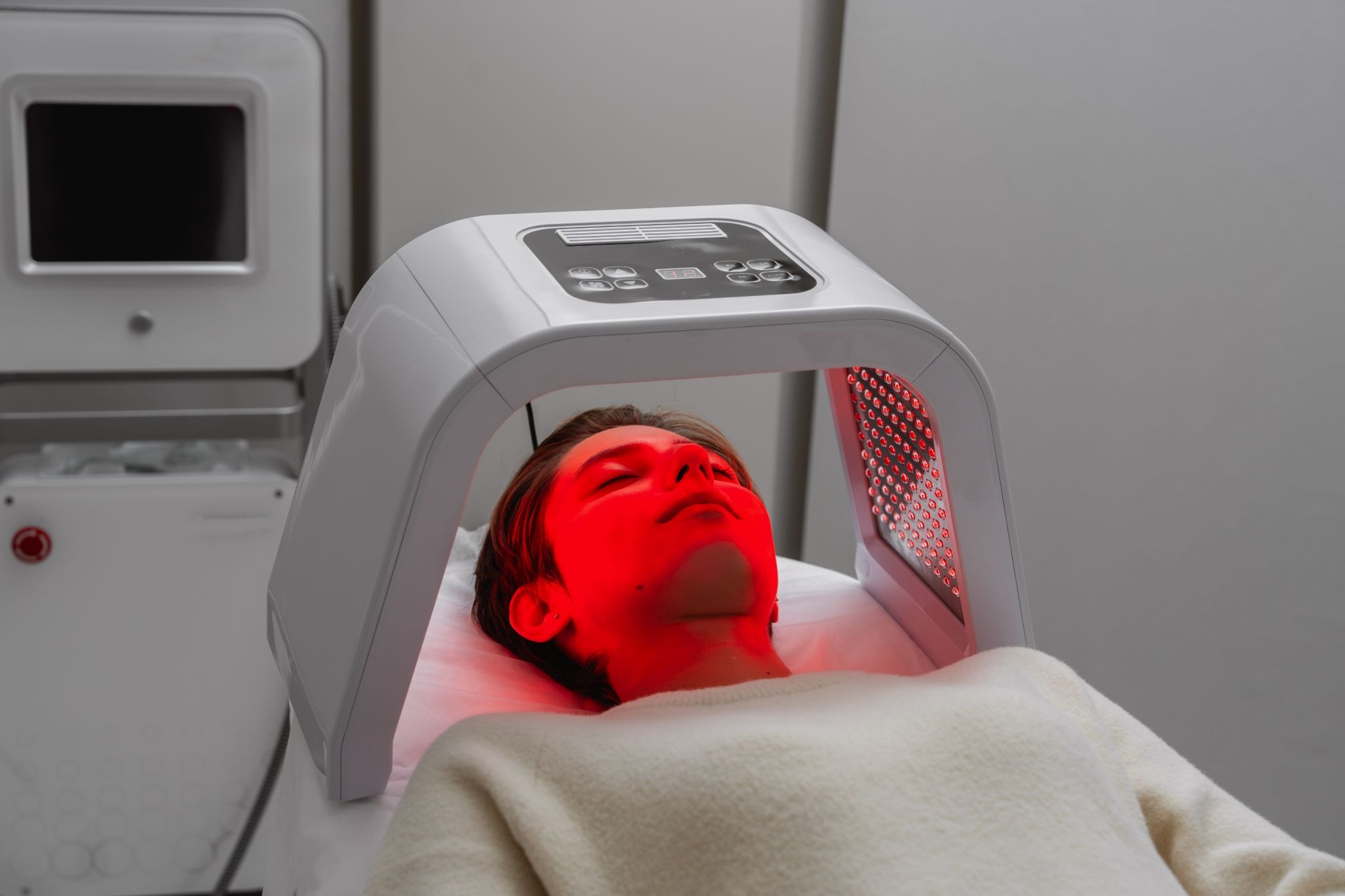
Energy levels often drop without warning, and mood can shift with little explanation. Many people look for simple ways to feel more balanced without complex routines. Light therapy offers a practical option that supports the body through controlled exposure to bright light. It fits into daily habits and works quietly while improving sleep, focus, and emotional stability. Growing interest reflects how strongly light influences people's thinking, feelings, and rest.
Light therapy uses controlled exposure to bright light to regulate biological rhythms and support overall well-being. This method mimics natural daylight and helps the body respond more consistently to daily cycles. Many people rely on simple devices at home to create steady exposure without needing outdoor sunlight. This approach works by influencing internal signals tied to sleep, mood, and energy levels.
Controlled exposure to bright, measured light forms the foundation of this method. Devices deliver consistent brightness that mimics outdoor daylight without harmful ultraviolet rays. Most sessions last about twenty to thirty minutes and fit easily into morning routines. This process does not require direct eye contact with the source; indirect exposure still yields results. Many clinical observations, based on recent sleep research data, support its ability to regulate alertness and mood. This structure keeps the process simple while grounding it in reliable science.
The body responds to light through brain regions that regulate sleep and emotional balance. Exposure to light reduces melatonin levels during the day, helping maintain alertness and focus. At the same time, serotonin activity increases, supporting a more stable mood. This response helps reset the circadian rhythm, the internal clock that controls daily cycles. Many users notice clearer thinking and better focus after consistent use. This effect explains why structured light exposure supports both sleep quality and mental clarity.
Light therapy supports emotional balance by stabilizing mood-related biological signals and daily rhythms. This approach helps reduce the impact of limited daylight exposure, especially during darker months or long indoor periods. Many people report gradual improvements in mood and energy after consistent use. This pattern creates a more stable emotional baseline, supporting daily functioning.
Seasonal mood shifts often occur when reduced daylight disrupts natural rhythms. Shorter days can lead to fatigue, low motivation, and changes in sleep patterns. Regular exposure to bright light helps recreate the effect of longer daylight hours. This consistency improves mood and restores a clearer sense of daily structure. Many users feel more engaged and less withdrawn after several weeks of use. This pattern shows how controlled exposure to light can counter seasonal emotional changes.
Emotional balance improves when daily light exposure supports stable brain chemistry. This method works alongside therapy, lifestyle adjustments, or professional care without adding complexity. Consistent sessions encourage better regulation of mood-related signals in the brain. Many individuals describe reduced heaviness and improved motivation throughout the day. This progress develops gradually, which makes it easier to maintain over time. This support approaches a practical addition to mental health routines.
Light therapy improves sleep quality and daytime energy by guiding the body's internal clock toward a stable rhythm. This method provides clear signals that tell the body when to feel alert and when to rest. Many people experience better sleep patterns after adding regular light exposure to their routine. This adjustment supports both nighttime rest and daytime productivity.
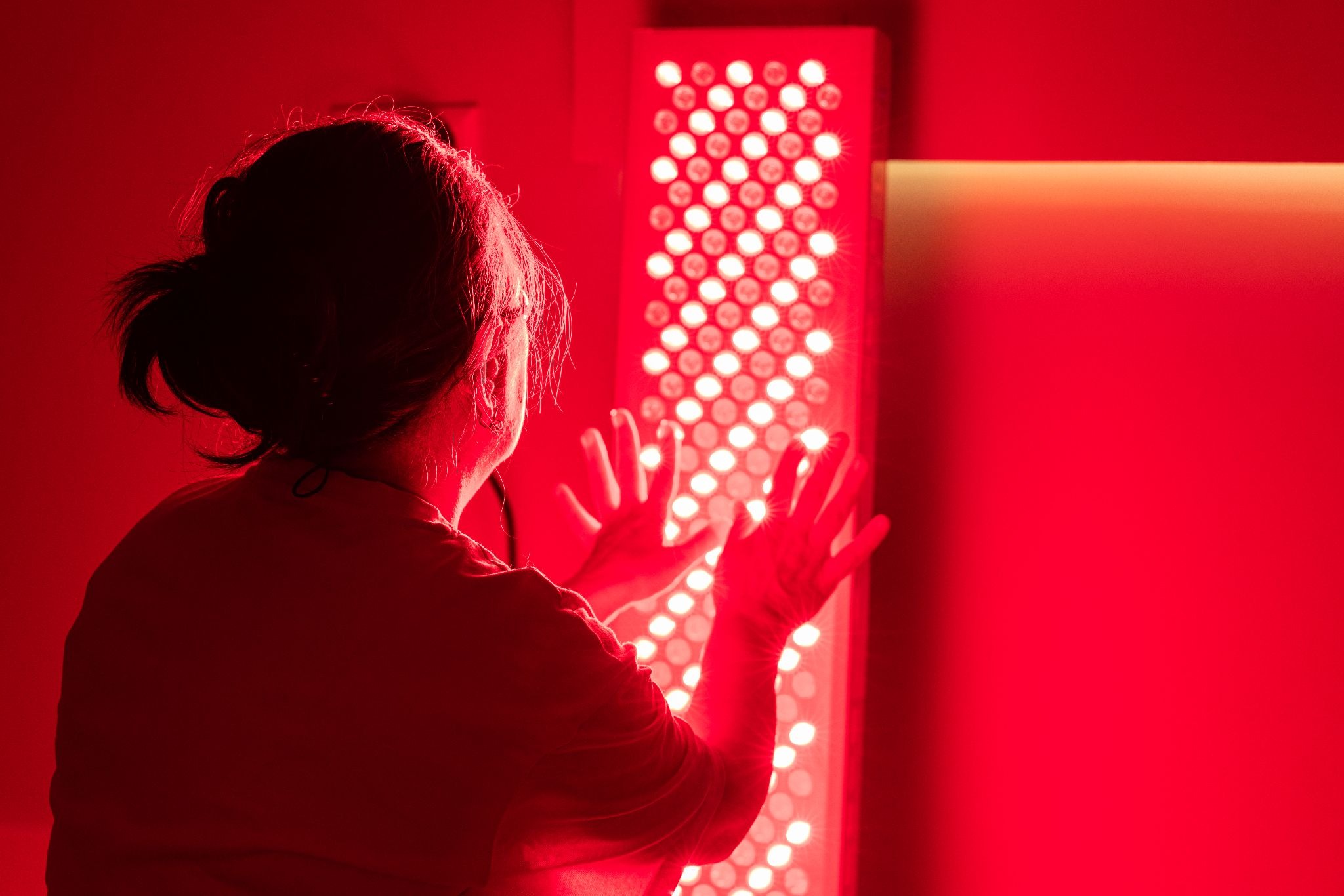
The circadian rhythm depends on consistent light cues to regulate sleep-wake cycles. Irregular exposure can disrupt this system, leading to inconsistent sleep patterns. Morning light helps signal the body to wake up and stay alert throughout the day. This pattern gradually restores a more predictable routine. Many users notice fewer disruptions and smoother transitions between rest and activity. This adjustment improves sleep quality without relying on medication.
Steady light exposure helps reduce fatigue and improve mental clarity during the day. Indoor environments often lack the brightness needed to maintain alertness for long periods. Consistent use helps maintain stable energy levels rather than sharp spikes and drops. Many people notice improved focus during work or study sessions. Research from sleep clinics suggests regular use supports better concentration and productivity. This benefit makes the method useful for maintaining daily performance.
Light therapy supports skin health and physical recovery by using specific wavelengths that interact with cells and tissues. This approach offers a non-invasive option for improving appearance and reducing discomfort. Many people use it as part of a broader wellness or skincare routine. This method provides gradual improvements that build with consistent use.
Targeted wavelengths help reduce acne by addressing bacteria and calming inflammation within the skin. Blue light works on the surface to manage breakouts, while red light supports healing. This combination creates a balanced approach to improving skin clarity. Many users notice fewer breakouts and reduced redness over time. Results appear gradually, which supports a more natural improvement process. This approach offers a gentler option compared to harsher treatments.
Collagen production improves when specific wavelengths stimulate deeper skin layers. This process helps maintain firmness and reduce the appearance of fine lines. Regular sessions help achieve a smoother texture and a more even tone. Changes develop gradually, which keeps results natural and consistent. Many skincare professionals reference light-based treatments in modern clinical routines. This method fits easily into daily care without adding complexity.
Targeted light exposure supports deeper skin and body functions that go beyond surface-level improvements. This approach works within the skin's structure to improve resilience, tone, and circulation. Many of these benefits develop gradually and create visible, lasting changes. This section highlights lesser-known effects that strengthen overall skin health and appearance.
Healthy skin depends on a strong barrier that protects against moisture loss and external stress. This protective layer weakens when inflammation disrupts normal repair processes. Red and near-infrared wavelengths support deeper cellular activity that helps rebuild this structure over time. Consistent sessions encourage better hydration retention and reduce sensitivity caused by environmental triggers. Many dermatological observations link reduced inflammation to improved barrier stability. This improvement leads to calmer, more resilient skin that responds better to daily skincare routines.
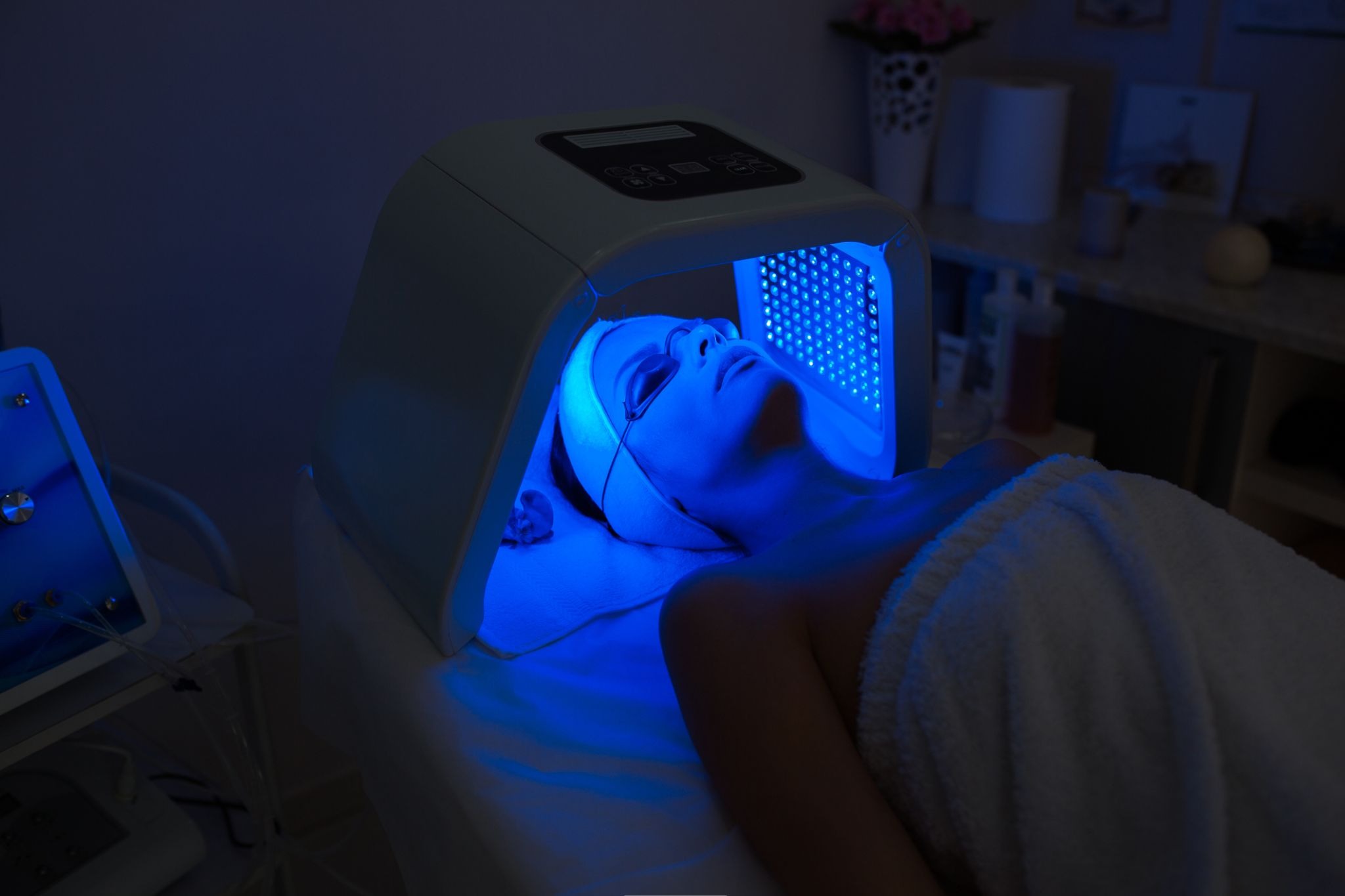
Uneven skin tone often develops when inflammation triggers excess pigment production after acne or irritation. This response results in dark spots that can linger long after the original issue has faded. Controlled light exposure helps calm the skin and supports balanced cellular renewal. Over time, this steady repair reduces visible discoloration and improves overall clarity. Many skincare professionals incorporate light-based treatments into their approach to stubborn pigmentation concerns. This method works best when paired with sun protection and gentle, consistent skincare habits.
Facial puffiness often results from fluid buildup when circulation and lymphatic flow slow down. This condition appears more noticeable around the eyes and cheeks after stress or poor sleep. Improved blood flow helps move excess fluid away from these areas. Consistent exposure helps stimulate tissue activity, which encourages a more refreshed appearance. Some clinical observations suggest improved microcirculation enhances skin brightness and clarity. This effect creates a smoother, less swollen look that supports overall facial balance.
Muscle soreness and joint discomfort often result from inflammation and slow recovery processes. Red light penetrates deeper layers of tissue and supports cellular repair. Many active individuals include this method in post-workout routines to reduce stiffness. Consistent sessions help improve mobility and ease discomfort over time. This process does not require downtime and fits easily into daily schedules. This benefit makes it a practical addition to physical recovery strategies.
Light therapy remains safe and effective when used with proper guidance and consistent habits. This method requires attention to timing, positioning, and device quality for best results. Many people find it easy to follow simple guidelines without professional supervision. This approach supports long-term use without discomfort or risk.
Device selection depends on personal needs, routine, and intended results. Light boxes work well for consistent home use, while portable options offer flexibility. Brightness levels should meet recommended standards for safe exposure. Adjustable settings help improve comfort during sessions. Many devices now include timers that support consistent routines. This choice helps create a setup that feels easy to maintain.
Consistency plays a key role in achieving reliable results from daily sessions. Morning use often provides the clearest improvements in mood and energy. Proper positioning allows effective exposure without direct eye strain. Many users combine sessions with daily tasks such as reading or working. This habit supports long-term consistency without disrupting routines. This structure helps maintain steady progress over time.
Mild discomfort may appear during early use as the body adjusts to increased light exposure. Some individuals report slight eye strain or headaches at first. Gradual exposure helps reduce these effects and improves comfort. This adjustment period usually resolves quickly with consistent use. Professional guidance may help in specific cases involving existing conditions. This awareness supports a safe and positive experience.
Light therapy becomes more effective when guided by consistent habits and informed decisions. Many professionals, including sleep and skincare specialists, recommend a structured approach tailored to individual needs and goals. Their guidance helps refine timing, duration, and device selection for better results over time. Start with a simple routine, stay consistent, and let light therapy support a more balanced, steady daily rhythm.
Find practical, expert-backed ways to improve your routine. Read more on the Naples Laser & Skin Aesthetics blog today.
%402x.svg)