.png)
.png)
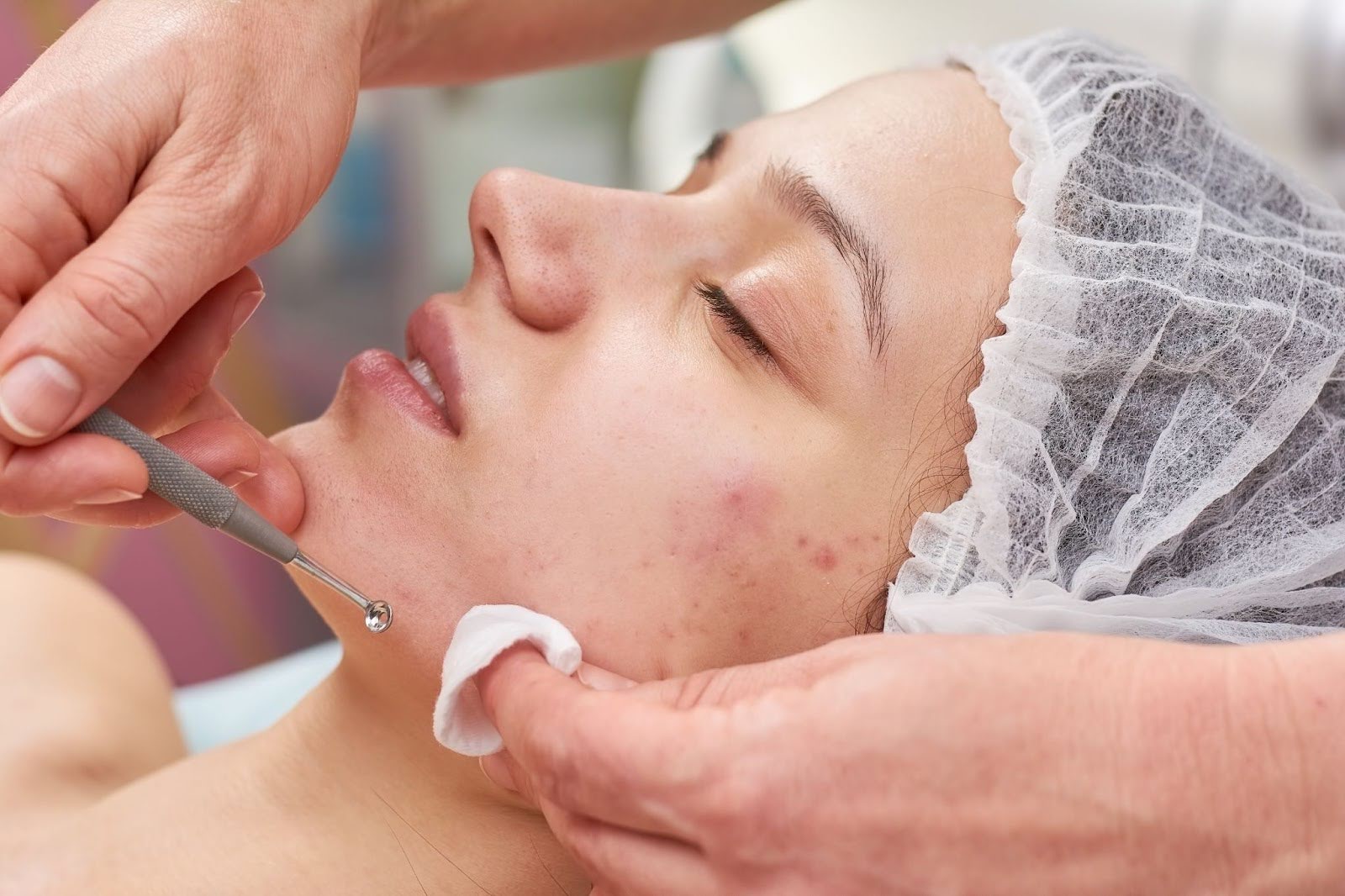
Acne is one of the most common skin concerns, affecting people of all ages and skin types. From blackheads and whiteheads to painful cystic breakouts, the pursuit of clear skin often leads individuals to explore a wide range of treatment options. One popular approach is facial treatments explicitly designed for acne-prone skin. But how effective are these treatments, really? This blog dives into the science, benefits, limitations, and best practices surrounding facial services for acne, helping you determine whether they are the right choice for your skincare journey.
Facials for acne are professional skincare treatments designed to cleanse, exfoliate, and calm inflamed or congested skin. These treatments typically involve multiple steps, including deep cleansing, gentle exfoliation, steam application, manual or mechanical extractions, and soothing masks. Some facials also incorporate antibacterial agents or acne-fighting ingredients like salicylic acid, benzoyl peroxide, or sulfur. The goal is to unclog pores, reduce excess oil, remove dead skin cells, and calm inflammation. When performed correctly and consistently, these elements can work together to reduce the frequency and severity of breakouts.
Facials for acne provide a level of deep cleansing that home routines often can’t match. This helps remove excess oil, dead skin, and buildup that can clog pores.
Professional extractions remove blackheads and whiteheads without damaging the skin. This reduces the risk of scarring and minimizes the spread of bacteria.
Licensed estheticians use high-quality products and tools like LED therapy and high-frequency devices. These technologies help target acne-causing bacteria and calm inflammation.
With regular treatments, facials can improve skin clarity, texture, and overall health. The cumulative effect often includes fewer breakouts and less visible scarring.
Facials are customized to your unique skin needs and acne type. This personalized approach boosts effectiveness and ensures better long-term results.
One key component of acne facials is the extraction process, which removes blackheads, whiteheads, and comedones from the skin. While many people are tempted to perform extractions at home, doing so without proper technique or sanitation can result in scarring or a worsening of the infection. During a professional facial, extractions are performed with sterile tools and techniques that minimize trauma to the skin. This helps prevent future breakouts caused by pore blockages or bacterial spread. When done correctly, extractions can dramatically improve skin clarity and reduce the risk of long-term scarring.
These treatments typically focus on deep cleansing, extractions, and calming masks. They’re ideal for managing mild to moderate breakouts and reducing surface congestion.
Medical chemical peels use exfoliating acids, such as salicylic or glycolic acid, to resurface the skin. They help unclog pores, reduce excess oil, and improve texture.
Hydrafacials use suction technology to cleanse pores while infusing acne-fighting serums. This method hydrates the skin while addressing inflammation and bacteria.
These facials use blue light to kill acne-causing bacteria and calm redness. They are non-invasive and handy for inflamed or sensitive skin.
Choosing the right facial depends on whether your acne is hormonal, bacterial, or caused by congestion. Targeted treatments increase the likelihood of precise, lasting results.
When considering facials for acne, it's helpful to compare them with at-home skincare regimens. While home routines are essential for daily maintenance, they often lack the potency and precision of professional treatments. Facials provide deeper exfoliation, more targeted ingredients, and expert-level care that most people can't replicate at home. That said, professional facials are most effective when combined with a consistent at-home routine that includes non-comedogenic products, gentle cleansers, and acne treatments recommended by a skincare professional. The two approaches are complementary—not interchangeable.
The frequency of facials for acne depends on your skin type, the severity of your breakouts, and your overall skincare goals. For those with moderate to severe acne, facials may be recommended every two to four weeks initially, until skin conditions improve. Once under control, maintenance facials every four to six weeks can help prevent future breakouts and manage oil production. Overdoing facials, however, can irritate sensitive skin and disrupt the skin’s natural barrier, so it's crucial to follow a schedule recommended by a licensed esthetician or dermatologist. A personalized plan ensures you get the benefits without overtaxing your skin.
Most acne facials include specific ingredients designed to target breakouts and reduce inflammation. Salicylic acid is a common choice due to its ability to penetrate pores and dissolve excess oil. Benzoyl peroxide may be used for its antibacterial properties, helping to eliminate P. acnes bacteria from the skin. Clay masks often follow extractions to absorb oil and soothe irritation. Some facials also include niacinamide or tea tree oil to calm the skin further and promote healing. The combination of these ingredients ensures that the facial targets multiple acne triggers simultaneously.
Not everyone with breakouts is automatically a good candidate for acne facials, and understanding your skin type is key. Those with mild to moderate acne, blackheads, or congested pores often respond well to facials when combined with other treatments. However, individuals with severe cystic acne or active, inflamed lesions may need to consult a dermatologist first, as aggressive treatments could worsen the condition. Sensitive skin types should also proceed with caution, as strong exfoliants or extractions may irritate. An initial consultation with a skincare professional can help determine if facials are a safe and effective option for your skin.
While facials for acne can be incredibly beneficial, they're not without potential downsides. Some people may experience redness, purging, or sensitivity following a facial, particularly if the skin is already inflamed. Over-extraction or the use of harsh ingredients can lead to irritation or even post-inflammatory hyperpigmentation. Additionally, facials may not offer lasting results if underlying causes of acne—such as hormones or diet—are not addressed. It's essential to manage expectations and understand that facials are one part of a broader acne management strategy. Working closely with a knowledgeable provider can help reduce these risks.
For many people, the best approach to managing breakouts is a combination of facials for acne and medically supervised treatments. Dermatologists may prescribe topical or oral medications that target acne from within, such as retinoids or antibiotics. When paired with facials that clean pores and reduce surface inflammation, this combination can lead to faster, more effective results. Some clinics offer integrated care, allowing estheticians and dermatologists to collaborate on your skincare plan. This comprehensive approach addresses both the symptoms and root causes of acne for longer-lasting improvements.
Beyond treating active breakouts, acne facials can also help minimize scarring and discoloration left behind by previous breakouts. Treatments like chemical peels or microneedling facials help stimulate collagen production and fade hyperpigmentation. These treatments often require multiple sessions and work best when the skin is clear of active inflammation. Pairing facials with ingredients like vitamin C or alpha arbutin can also speed up the fading of dark marks. If acne scars are a concern, speak with your provider about adding targeted facial treatments to your skincare regimen.
If you're new to acne facials, understanding the process can help you set realistic expectations. A typical facial lasts 45-75 minutes and begins with a consultation to assess your skin type and concerns. The treatment may include cleansing, exfoliation, steam, extractions, masks, and moisturization. Some clients may feel tingling or slight discomfort during specific steps, mainly if active ingredients are used. Afterward, you may experience mild redness or tightness, which usually fades within a day or two, leaving the skin refreshed and balanced.
The cost of acne facials can vary widely based on location, provider experience, and the specific treatment. Basic facials start at around $75, while more advanced treatments, such as chemical peels or LED therapy, cost $150 or more. While this may seem expensive, many clients find that regular facials reduce the need for costly emergency treatments or medications. Some providers offer facial packages or memberships that reduce the per-session price. Ultimately, investing in preventive care may be more cost-effective in the long run than constantly treating breakouts after they occur.
Avoid using harsh exfoliants or active acne treatments a few days before your appointment. This reduces the risk of irritation and allows your skin to respond better to the facial.
Listen to your provider’s recommendations about which products to use or avoid after your facial. Proper aftercare helps prevent flare-ups and supports healing.
Drink plenty of water and wear sunscreen daily to protect and nourish your skin post-treatment. These habits support your skin barrier and maintain results.
Use non-irritating, non-comedogenic products to maintain a clean and calm complexion. Avoid overloading your skin with too many activities right after a facial.
Regular facials paired with good at-home care offer the best long-term benefits. Sporadic visits are less effective at controlling acne and improving skin texture.
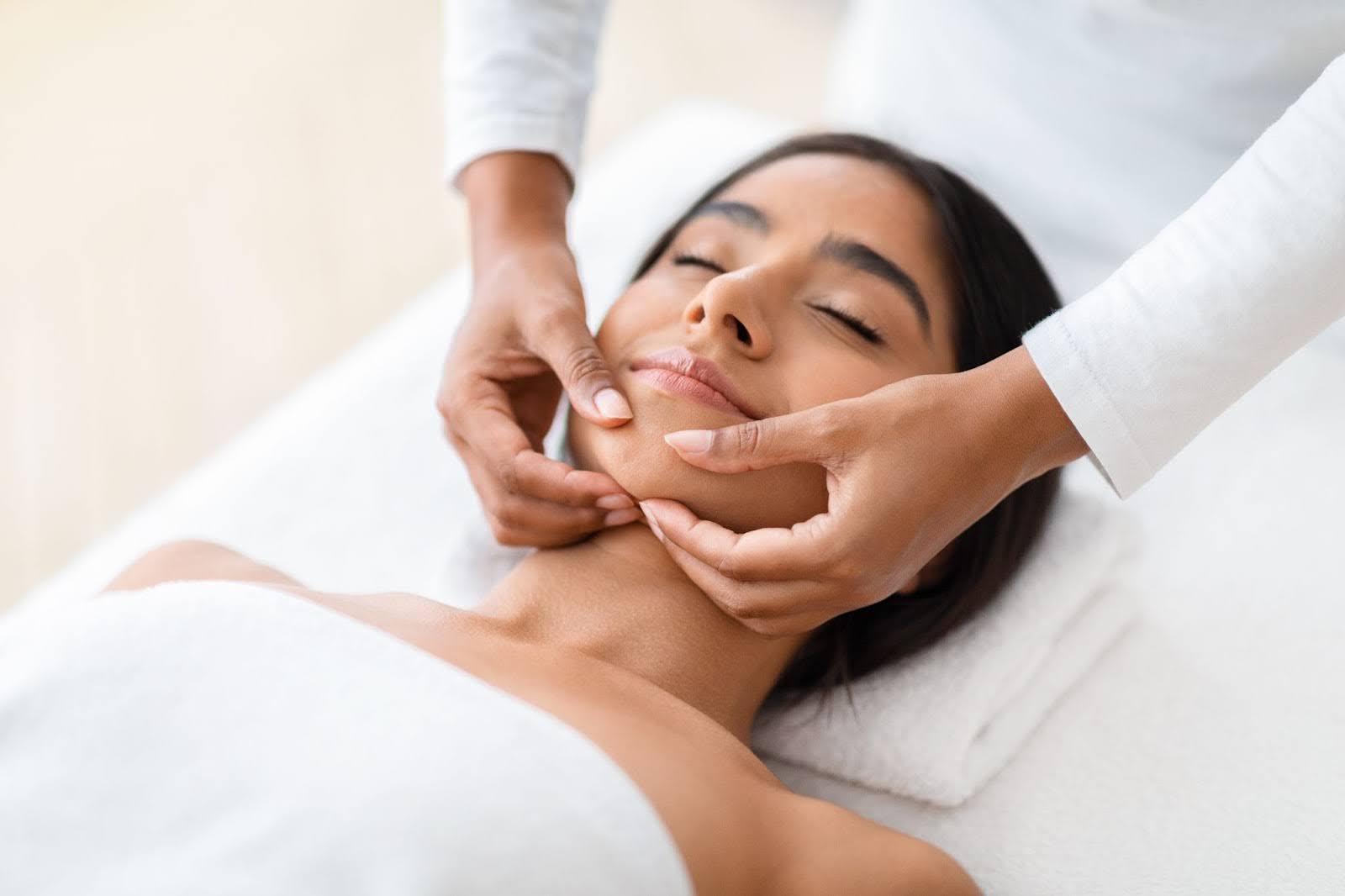
So, are facials for acne effective? The answer is yes—for the right individual and with the right approach. While not a standalone cure, facials offer targeted treatments that cleanse the skin, unclog pores, reduce inflammation, and support healing. When combined with a good skincare routine and, if needed, medical guidance, they can be a powerful tool in managing acne. As with any treatment, consistency, customization, and professional care make all the difference in long-term success.
To learn more about how facials for acne are effective, visit our Naples Laser & Skin Aesthetics blog.
%402x.svg)