.png)
.png)
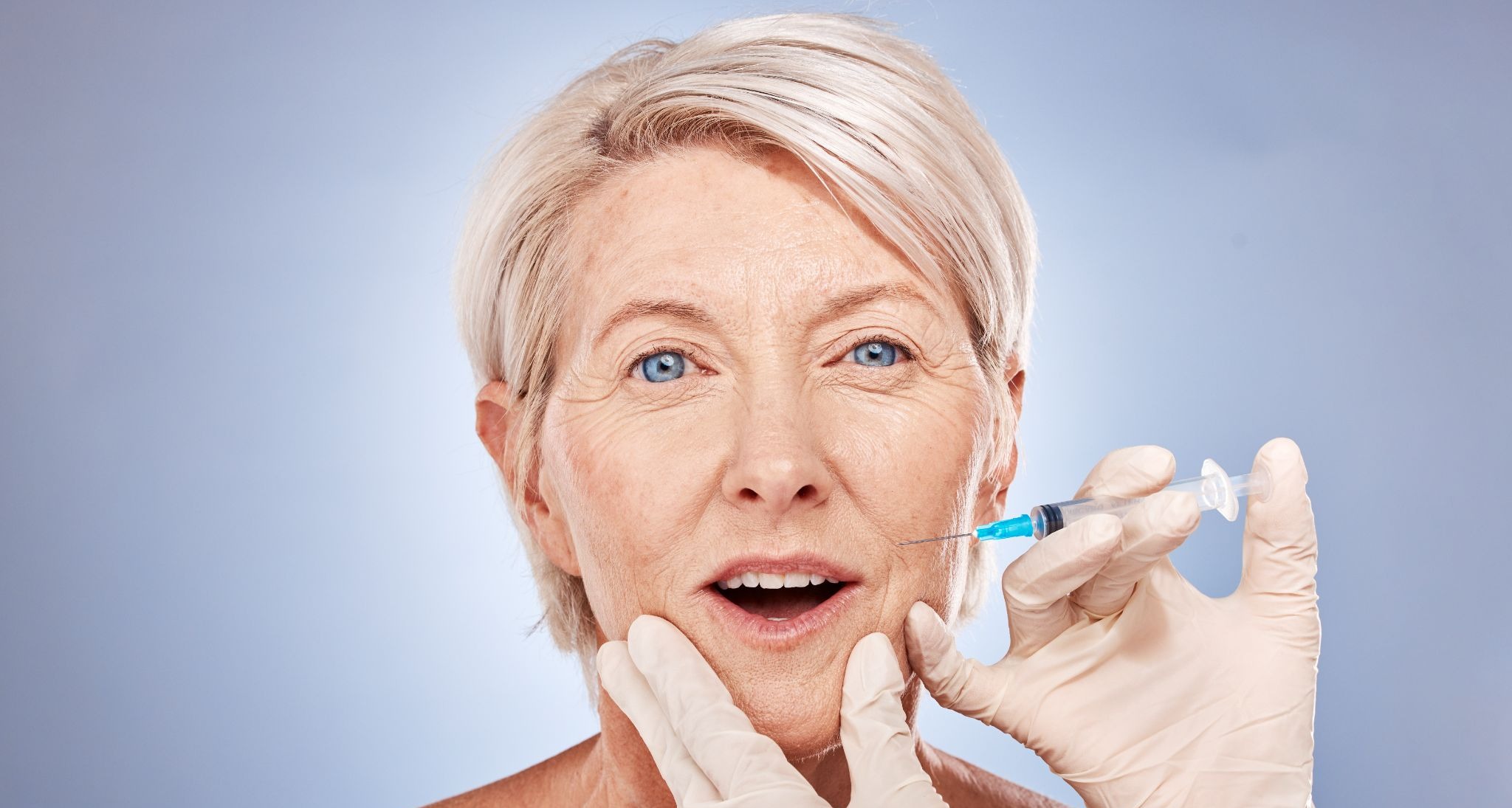
A fresher appearance no longer depends on surgery or a lengthy recovery. Dermal fillers are injectable gel-like substances that restore lost facial volume, smooth wrinkles, and enhance facial contours using products such as hyaluronic acid or collagen-stimulating formulas. These minimally invasive treatments produce immediate or gradual improvements, depending on the filler, while requiring little downtime. Their ability to deliver subtle, natural-looking results has made them a popular choice for refreshing facial features without changing personal identity. Understanding how dermal fillers work helps you decide if they align with your aesthetic goals and expectations.
Facial aging affects more than the skin because deeper tissues also lose volume over time. Dermal fillers address those changes by replacing fullness in targeted areas instead of tightening the skin. Learning how these injectable treatments work helps set realistic expectations before scheduling an appointment.
Dermal fillers are injected beneath the skin to replace volume that naturally decreases with age. Many formulas contain hyaluronic acid, a substance the body already produces to keep tissues hydrated and supported. Once injected, the filler lifts hollow areas, softens facial folds, and creates smoother contours without limiting natural facial expressions. Some products provide immediate volume, while others gradually stimulate collagen production for longer-term improvement. Results often appear right away, although mild swelling may temporarily hide the outcome. Most appointments take less than an hour, making treatment convenient for busy schedules.
Different dermal fillers serve different purposes because every face has unique needs. Hyaluronic acid fillers remain the most common choice because they provide flexible, natural-looking results in many treatment areas. Calcium hydroxylapatite fillers offer additional support for deeper wrinkles and areas needing stronger structure. Poly-L-lactic acid fillers work differently by encouraging the body's natural collagen production over several months. Polymethyl methacrylate fillers contain tiny microspheres that create longer-lasting support for selected facial concerns. A qualified provider recommends the most suitable option after evaluating facial anatomy, skin quality, and cosmetic goals.
Many people appreciate having flexibility before choosing a cosmetic treatment. Most hyaluronic acid fillers can be dissolved with an enzyme called hyaluronidase if adjustments become necessary. Providers may recommend this option when results need refinement or when an uncommon complication develops. Not every filler can be reversed because some products work by stimulating collagen rather than dissolving over time. Discussing available options before treatment helps patients feel more confident about their decisions. An experienced injector explains which products offer this added flexibility during the consultation.
People notice facial aging differently because everyone loses volume at a different pace. Dermal fillers work for many adults seeking subtle improvements rather than dramatic changes. A professional consultation determines whether treatment matches personal concerns and long-term expectations.
Dermal fillers may suit people who notice flattened cheeks, thinning lips, or deeper facial folds. Others seek treatment for under-eye hollows, mild chin imbalance, or reduced jawline definition. Good candidates generally have realistic expectations and understand that fillers provide temporary improvements instead of permanent changes. Healthy skin and good overall health also support better treatment outcomes. An open discussion about goals allows providers to recommend the most appropriate approach. Personalized treatment plans often produce more balanced and natural-looking results.

Dermal fillers are not suitable for every situation, even though they benefit many patients. Active skin infections, certain allergies, or uncontrolled medical conditions may require postponing treatment. Pregnancy and breastfeeding often lead providers to recommend waiting before receiving elective cosmetic procedures. Previous filler treatments should also be discussed because they may influence future recommendations. Honest conversations about medical history improve safety and help providers create an appropriate treatment plan. Careful evaluation protects both patient health and treatment results.
Dermal fillers improve facial balance by restoring volume where natural aging creates noticeable changes. Treatment plans focus on enhancing existing features instead of creating an entirely different appearance. Careful placement allows providers to achieve balanced results that complement each person's facial structure.
Lip enhancement remains one of the most requested uses for dermal fillers. Small, carefully placed injections add volume, improve lip shape, and soften vertical lip lines that often develop over time. Fillers can also reduce the appearance of smile lines around the mouth by restoring support beneath the skin. The goal is to create natural-looking definition rather than excessive fullness. Every treatment reflects the patient's facial proportions and personal preferences. Conservative techniques often produce results that look refreshed instead of overdone.
Loss of facial volume often becomes most noticeable across the cheeks and lower face. Dermal fillers restore cheek fullness while improving overall facial balance and contour. Chin enhancement creates a stronger profile without requiring surgery, while jawline treatments improve definition and soften mild sagging. Providers carefully evaluate facial proportions before selecting injection sites and filler amounts. Small adjustments across several areas often produce better harmony than treating only one feature. This personalized approach helps maintain natural facial expressions throughout the treatment.
Some areas reveal aging sooner because the skin naturally becomes thinner with time. Dermal fillers may improve under-eye hollows that create a tired appearance despite getting enough rest. They also soften deeper facial folds by replacing lost support beneath the skin instead of stretching the surface. Smile lines and lines extending toward the corners of the mouth often respond well to carefully placed filler. Treatment decisions depend on skin quality, facial anatomy, and the severity of volume loss. A skilled injector recommends the safest approach for these delicate areas.
Many people choose dermal fillers because treatments produce noticeable improvements without disrupting daily life. Results can be customized, adjusted over time, and combined with other cosmetic treatments when appropriate. Understanding these advantages helps patients decide whether fillers fit their expectations.
Modern dermal fillers refresh facial features by replacing lost volume where it naturally disappears with age. Providers inject small amounts into carefully selected areas instead of filling every visible line. This technique helps preserve facial movement while creating softer contours and better balance. The outcome often appears subtle because treatment works with existing facial features instead of changing them completely. Experienced injectors focus on proportion and symmetry throughout the process. Patients often look more rested rather than noticeably different.
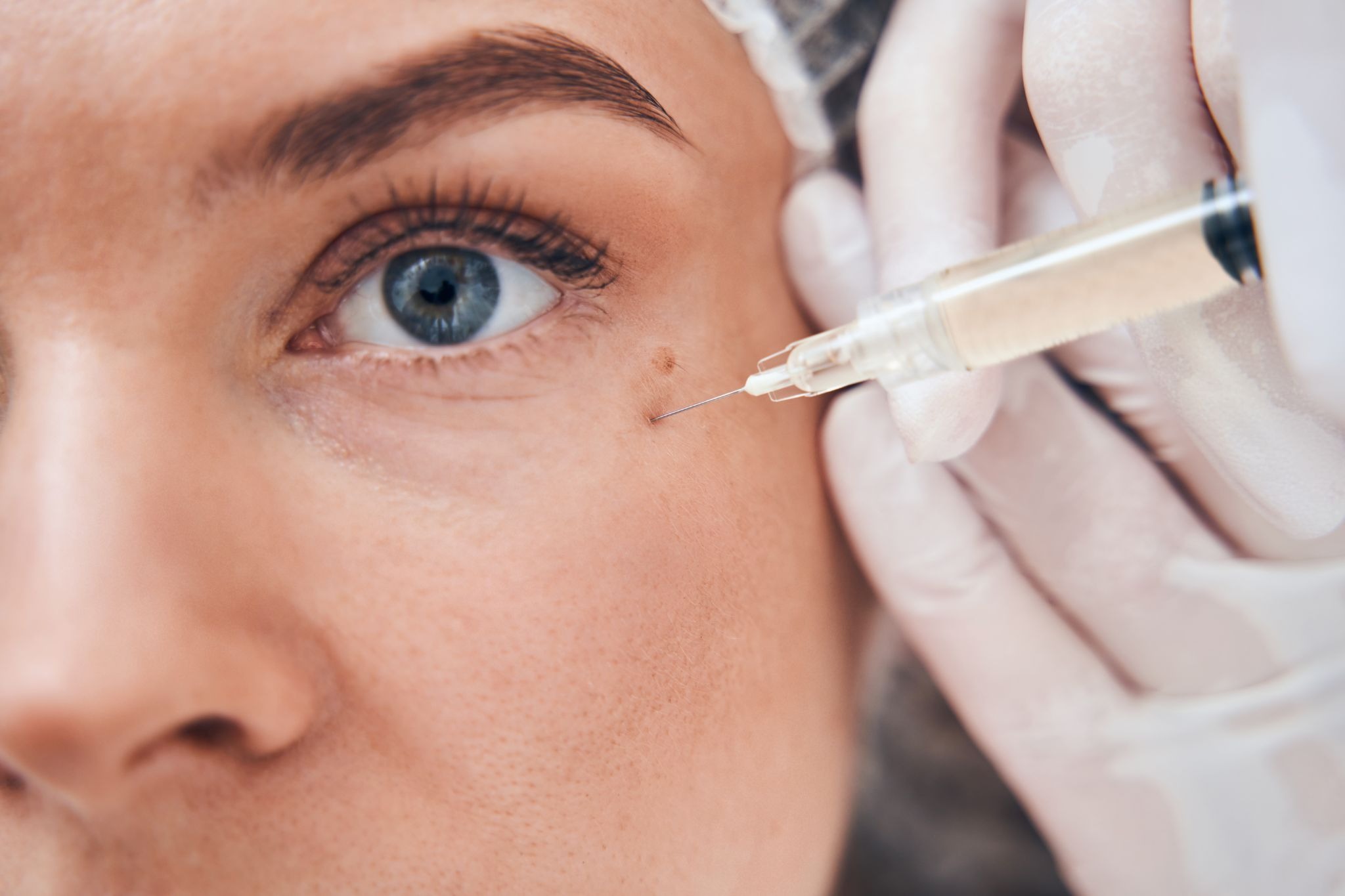
Most dermal filler appointments take less than an hour from consultation to completion. Patients usually return to normal routines shortly after leaving the office. Mild swelling, redness, or bruising may appear but generally improves within several days. Applying a cold compress and avoiding strenuous activity during the first day may help reduce temporary discomfort. Many people appreciate receiving cosmetic treatment without taking extended time away from work or family responsibilities. This convenience continues to make dermal fillers an appealing option.
Every face ages differently, so treatment plans should never follow the same formula. Some patients want fuller lips, while others hope to restore volume across the cheeks or improve facial balance. Providers adjust product selection, placement, and injection depth according to each person's anatomy and expectations. Open communication before treatment helps establish realistic goals and appropriate outcomes. Gradual improvements often create the most natural-looking appearance over time. Personalized care remains one of the biggest advantages of modern dermal filler treatments.
Dermal fillers and Botox® often appear together in cosmetic discussions because both reduce visible signs of aging. Although they share similar goals, they work in completely different ways. Understanding those differences helps patients choose the treatment that best matches their concerns.
Dermal fillers restore volume beneath the skin, while Botox® relaxes muscles that create expression lines. Fillers work well for hollow cheeks, thinning lips, and deeper facial folds caused by volume loss. Botox targets forehead lines, crow's feet, and frown lines created by repeated muscle movement. Some patients receive both treatments because they address different aspects of facial aging. A consultation helps determine which option best fits individual concerns. Providers sometimes recommend combining treatments for more balanced facial rejuvenation.
The best treatment depends on the cause of the cosmetic concern, not age alone. Volume loss generally responds better to dermal fillers, while expression lines often improve with Botox®. During the consultation, providers evaluate facial movement, skin quality, and overall facial structure before making recommendations. Personal goals also influence the treatment plan because some people prefer subtle refinement while others seek more noticeable changes. Honest discussions help patients understand expected results before moving forward. A customized approach usually produces the most satisfying outcome.
Preparing for a dermal filler appointment helps create a smoother treatment experience and supports better results. During your consultation, discuss your medical history, medications, supplements, allergies, and previous cosmetic treatments so your provider can recommend the safest approach. Some providers may advise avoiding alcohol or certain blood-thinning medications before treatment when medically appropriate. On the day of your appointment, arrive with clean skin and use the opportunity to ask questions about the procedure, expected results, and aftercare. Treatment typically begins with a facial assessment and marking of the injection sites before the provider carefully administers the filler, making adjustments as needed to achieve balanced, natural-looking results.
Recovery after dermal fillers is usually straightforward when patients follow their provider's aftercare instructions. Mild swelling, redness, or bruising often improves within a few days, while avoiding strenuous exercise, excessive heat, alcohol, and unnecessary pressure on treated areas during the first twenty-four hours may support a more comfortable healing process. Drinking enough water and following all aftercare recommendations also help the filler settle properly. Results typically last between six and eighteen months, depending on the product used, the treatment area, metabolism, and lifestyle habits. Regular follow-up appointments allow providers to assess the results and recommend maintenance treatments that keep facial contours looking balanced and natural over time.
Looking your best starts with understanding the options that fit your needs and personal goals. Dermal fillers offer a flexible solution that enhances natural features while respecting your unique facial structure. A consultation with a qualified provider can help you explore the right approach, answer your questions, and create a treatment plan designed to deliver results that feel both natural and confidently your own.
Great results start with the right information. Explore the Naples Laser & Skin Aesthetics blog for expert-backed articles that answer your questions and help you choose treatments with confidence.
%402x.svg)