.png)
.png)
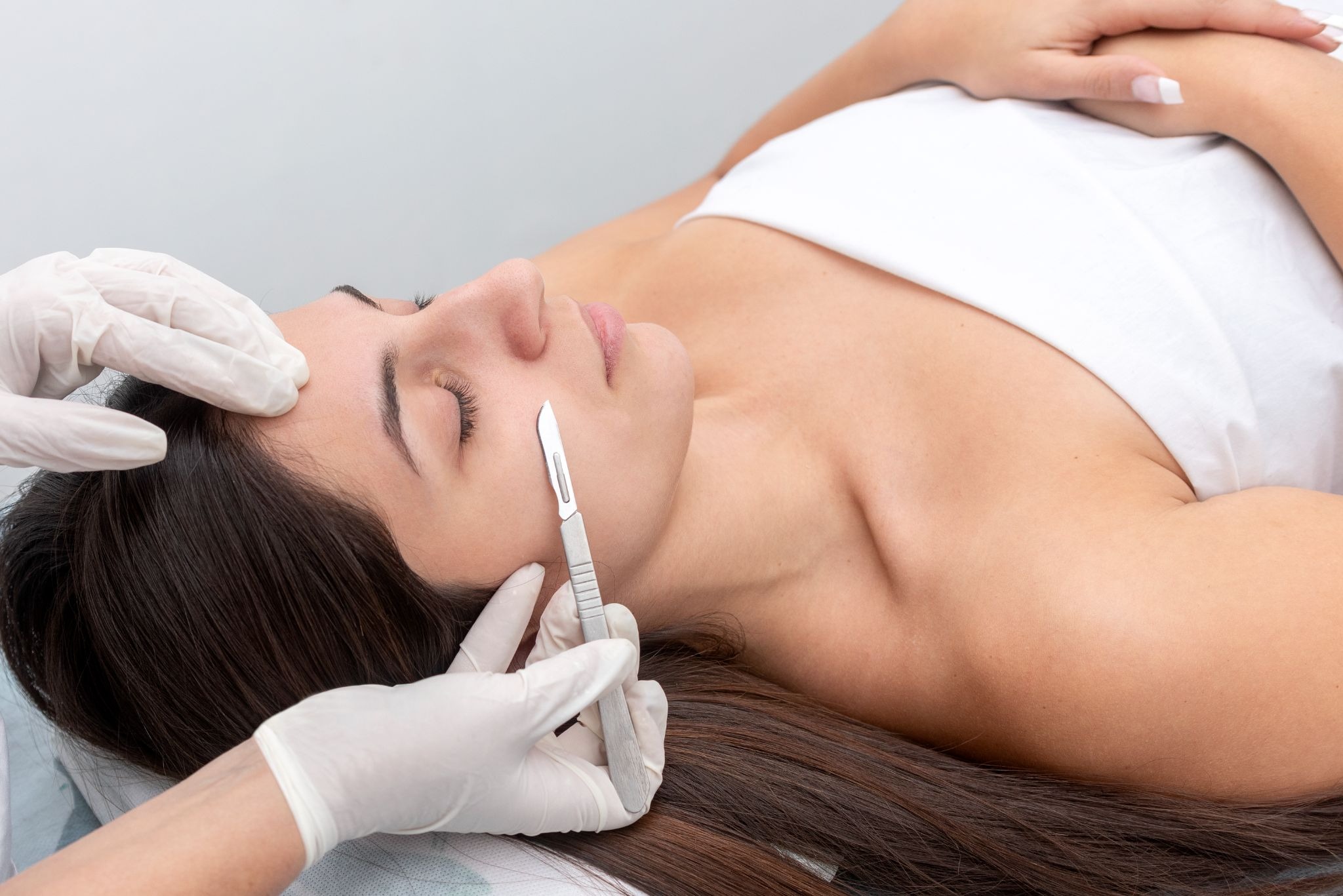
Healthy skin can feel harder to maintain as daily stress and pollution accumulate. Many people notice dullness, uneven tone, and fine facial hair, which affect how makeup sits. These concerns have led to growing interest in treatments that deliver visible results without downtime. Facial dermaplaning answers those needs by gently removing surface buildup for a smoother look. People continue choosing this method because it delivers quick, noticeable improvement with minimal effort.
Facial dermaplaning is a non-invasive exfoliation method that removes dead skin and fine hair. This treatment uses a sterile blade to resurface the skin without harsh chemicals, gently. It works by clearing buildup that can make skin appear dull and uneven. Many skincare clinics recommend it as a simple way to improve texture and brightness.
A sterile blade glides across the skin at a precise angle during treatment. This technique removes dead skin cells along with fine vellus hair, often called peach fuzz. The process reveals a fresher skin layer that reflects light more evenly. Smoother skin allows skincare products to absorb more effectively after treatment. Most people notice an immediate improvement in texture and clarity following one session. Based on recent clinic observations, consistent treatments help maintain a refined and even surface.
Skin reacts quickly once the outer layer of buildup is removed. This response often results in a brighter tone and a smoother feel within hours. Some individuals may notice mild redness, but it usually fades within the same day. Improved absorption allows serums and moisturizers to work more efficiently. The treatment supports natural skin renewal by keeping the surface clear. Over time, regular sessions can help maintain a balanced and polished appearance.
Facial dermaplaning improves skin texture and tone, and enhances product absorption in a single session. This method provides immediate visible results without requiring recovery time. Many people choose it because it fits easily into a regular skincare routine. Clinics often include it as part of broader skin maintenance services.
Removing surface buildup creates a noticeably smoother skin texture. This process helps reduce the appearance of uneven patches and dull areas. As a result, the skin feels softer and looks more consistent in tone. Makeup also applies more evenly because there is no interference from fine hair. Many clients report a more polished look that lasts for weeks. With regular sessions, the skin maintains a refined and balanced texture.
Clearing away dead skin allows skincare products to reach deeper layers more effectively. This process removes the barrier that often blocks active ingredients from working properly. As a result, serums and moisturizers deliver better hydration and nourishment. Many users notice that their existing products perform better after treatment. This improvement makes it a practical addition to a skincare routine. Over time, consistent use can enhance overall skin health and appearance.
Gentle exfoliation smooths the skin's surface, helping reduce the appearance of fine lines. This effect creates a softer look, especially in areas showing early aging. It can also improve the appearance of shallow acne scars and minor imperfections. However, deeper wrinkles remain unchanged since only the outer layer is treated. Many clients still appreciate the refreshed look that follows each session. Regular treatments help achieve a more even, youthful appearance over time.
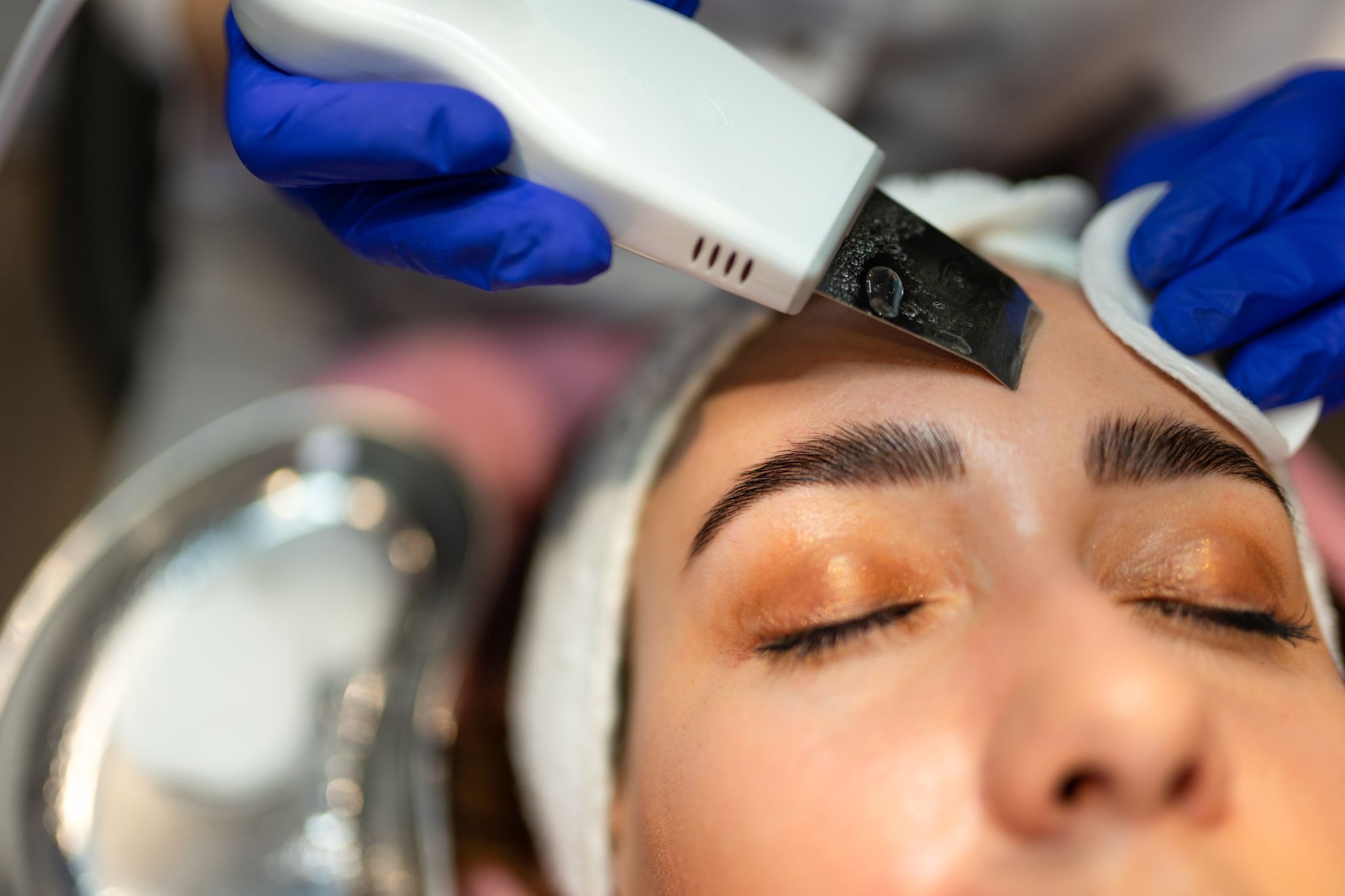
The skin barrier protects against moisture loss and environmental damage. Dermaplaning affects this barrier by removing the outermost layer of buildup. This process can improve product absorption but may also increase sensitivity if not managed well. Understanding how the barrier responds helps maintain balanced and healthy skin after treatment.
Removing dead skin cells exposes a fresher surface that reacts more quickly to external factors. This change allows skincare products to penetrate more effectively, potentially improving hydration when paired with the right ingredients. However, the skin may also become more sensitive to irritants and environmental stress. This reaction occurs because the outer protective layer has been temporarily reduced. Many dermatology-based sources note that barrier support becomes more important after exfoliation treatments. Proper care helps maintain comfort while still benefiting from smoother skin.
Supporting the skin barrier requires gentle and consistent aftercare following exfoliation. Using hydrating products with ingredients like ceramides and hyaluronic acid helps restore moisture balance. Avoiding strong exfoliants or active ingredients for a short period reduces the risk of irritation. Sunscreen also plays a key role by protecting newly exposed skin from UV damage. According to clinical skincare guidance, barrier-repair products can help reduce recovery time and improve comfort. Maintaining these habits helps extend results while keeping the skin stable and resilient.
Facial dermaplaning follows a structured process designed for safety and effectiveness. This procedure focuses on controlled exfoliation performed by trained professionals. Each step prepares the skin and supports a smooth treatment experience. Understanding these steps helps reduce uncertainty before booking a session.
Preparation starts with thorough cleansing to remove oil and surface impurities. This step creates a clean base for safe and even exfoliation. Skincare professionals often assess the skin to check for sensitivity or active conditions. The surface must remain dry so the blade can glide properly. Clean tools and proper sanitation reduce the risk of irritation. Clear communication during this stage helps set realistic expectations.
A sterile blade is held at a specific angle to maintain precision during treatment. This method uses short, gentle strokes across targeted areas of the face. Providers focus on areas like the cheeks, forehead, and jawline. Each movement removes buildup without causing discomfort or damage. Most sessions last about thirty minutes, depending on the treatment area. Clients often describe the sensation as light and comfortable.
Skin often becomes more sensitive after treatment, so proper care supports recovery. A soothing moisturizer helps calm and hydrate the freshly treated surface. Sunscreen becomes necessary because the skin is more exposed to sunlight. Avoiding harsh products helps prevent irritation in the days that follow. Hydration also supports the skin's natural repair process. Most people return to normal activities immediately after treatment.
Facial dermaplaning suits individuals who want smoother and brighter skin without invasive procedures. This treatment works well for those dealing with dullness, uneven texture, or fine facial hair. Many skin types respond positively when the procedure is performed correctly. However, certain conditions require caution before scheduling a session.
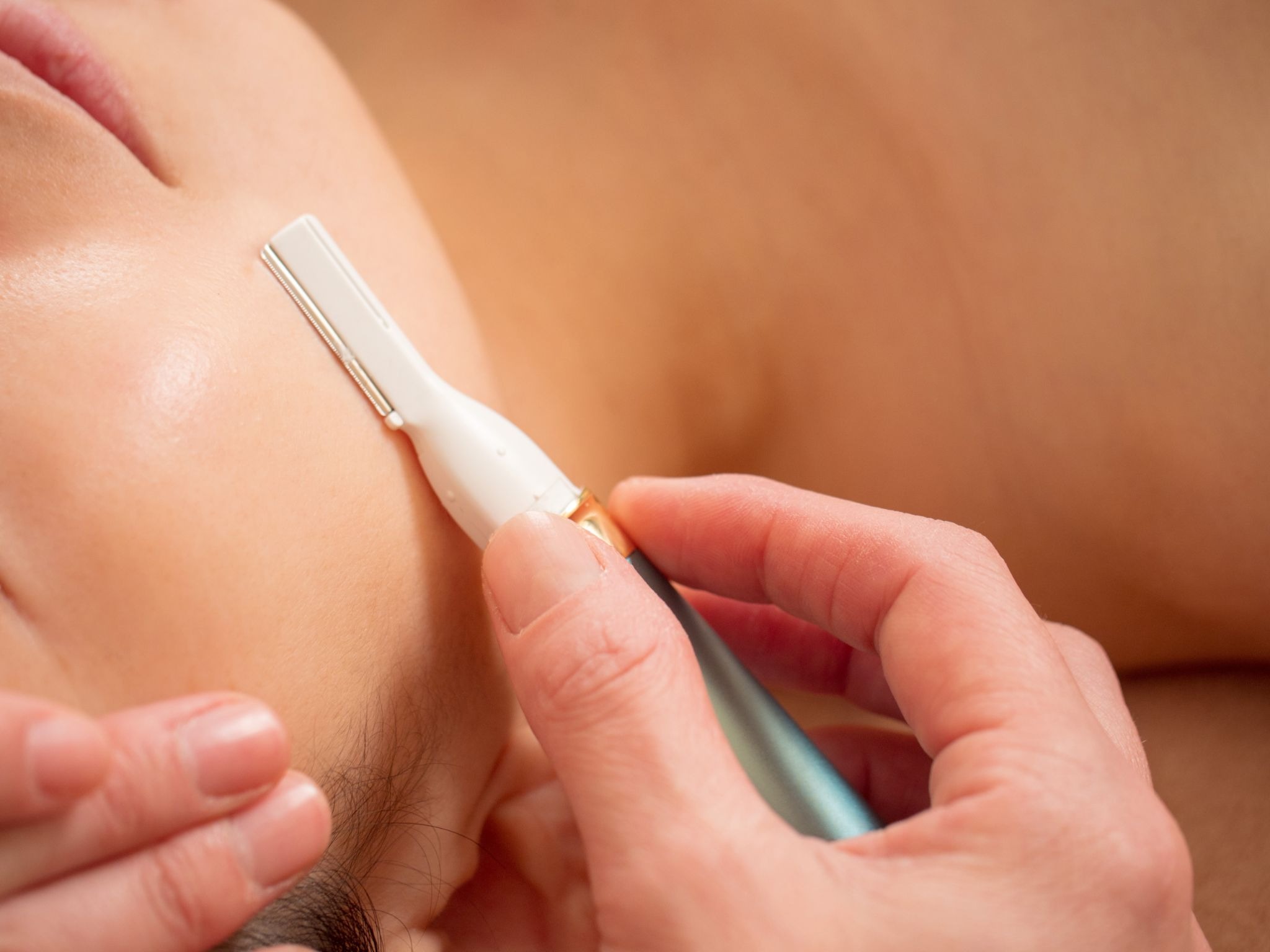
Dry, dull, or uneven skin types often respond well to this treatment. It also benefits individuals with mild surface scarring or texture concerns. People with fine facial hair usually see noticeable improvement after a session. Normal and combination skin types typically tolerate the process without issues. Many clients include it as part of their routine for ongoing maintenance. Regular sessions help maintain consistent smoothness and clarity.
Active acne or inflamed skin can increase the risk of irritation during treatment. Sensitive conditions require careful evaluation before proceeding. Individuals with rosacea or skin infections should seek professional advice first. Open wounds or compromised areas need time to heal before treatment. Consulting a licensed provider helps reduce the risk of complications. Awareness of these factors supports safer results.
Facial dermaplaning works best when scheduled to align with the skin's renewal cycle. This timing allows the skin to recover and regenerate between sessions. Regular treatments help maintain a smooth and refreshed appearance. Finding the right frequency depends on individual skin needs and sensitivity.
Most people schedule treatments every three to four weeks for the best results. This timing aligns with the natural cycle of skin cell renewal. It allows fresh cells to develop before the next session. Some individuals may need adjustments based on their skin type. Over-exfoliation can lead to dryness or irritation if done too often. A balanced schedule supports steady and visible improvement.
Dullness often returns as dead skin builds up again. Uneven texture and reduced brightness may become more noticeable. Skincare products might not absorb as effectively as before. Makeup can start to sit unevenly on the skin. Fine hair regrowth may also affect overall smoothness. These changes signal that it may be time for another session.
Facial dermaplaning aftercare focuses on protecting and maintaining newly treated skin. This stage helps extend results and reduce the chance of irritation. Proper care supports the skin as it adjusts after exfoliation. Consistent habits help maintain a smooth and healthy appearance.
Daily sunscreen protects the skin from UV exposure after treatment. A gentle moisturizer helps maintain hydration and comfort. Avoiding harsh exfoliants reduces the risk of irritation. Clean environments also help prevent breakouts or sensitivity. Drinking enough water supports overall skin health. Monitoring the skin allows a quick response to any changes.
Consistent treatments help maintain smoother and more even skin over time. A balanced skincare routine supports lasting improvements between sessions. Hydration and proper nutrition contribute to better skin quality. Avoiding aggressive products helps protect the skin barrier. Many clients notice steady progress with regular care. This approach keeps the skin looking refreshed and refined.
Active skincare ingredients interact differently with freshly exfoliated skin. Dermaplaning can enhance product absorption, which increases both benefits and potential irritation. Understanding how to manage these ingredients helps prevent unwanted reactions. This knowledge allows users to maintain results without compromising skin health.
Retinol and exfoliating acids become more potent after surface buildup is removed. This increased absorption can lead to irritation if applied too soon after treatment. Most skincare professionals recommend pausing use of these products for at least one to two days. Gradual reintroduction helps the skin adjust without triggering redness or dryness. This approach allows users to continue anti-aging or acne routines safely. Careful timing improves results while reducing discomfort.
Vitamin C can still be used after dermaplaning, but timing and formulation matter. Gentle, non-irritating formulas work better during the initial recovery period. Hydrating ingredients, such as hyaluronic acid, help balance the skin and reduce sensitivity. This combination supports brightness while maintaining moisture levels. Many skincare providers suggest focusing on hydration before reintroducing stronger actives. A balanced routine helps sustain a healthy and radiant appearance.
Brighter skin often starts with removing what holds it back on the surface. Dermaplaning clears away buildup that can dull your natural glow and affect how products perform. Choosing a skilled provider helps you see consistent results while keeping your skin balanced and cared for. A single session can shift how your skin looks and feels with minimal effort. Starting this treatment can help you maintain a smoother, more refreshed appearance over time.
For deeper guidance on achieving smoother, brighter skin, visit the Naples Laser & Skin Aesthetics blog today.
%402x.svg)