.png)
.png)
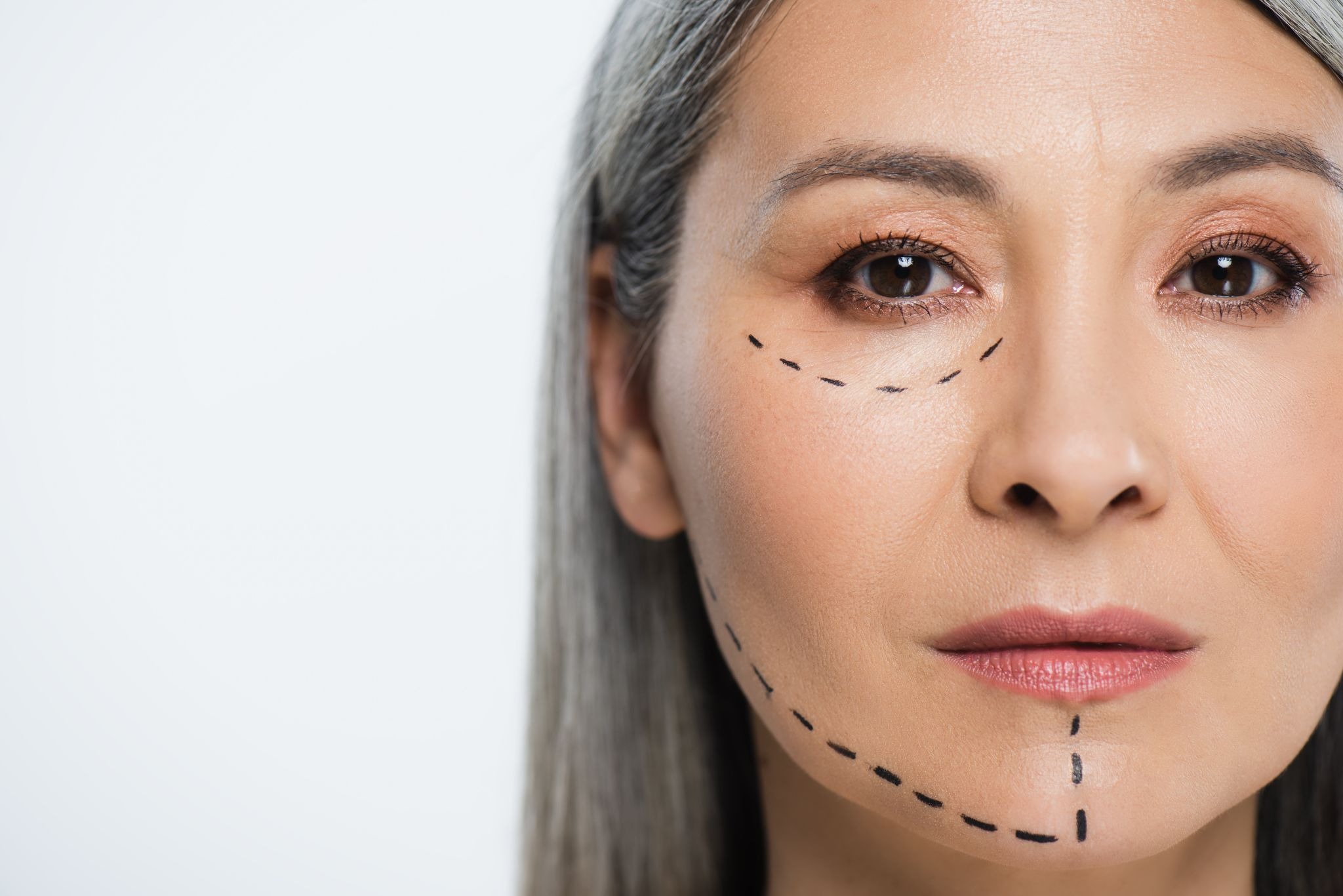
Aging often shows first on the face, where skin gradually loses firmness and structure. Fine lines deepen, cheeks descend, and jawlines soften over time. Many people begin to notice these changes and seek ways to restore a refreshed look. Face lifts offer a surgical option that addresses deeper facial layers rather than surface concerns—knowing how these procedures work helps people approach decisions with clarity and confidence.
Face lifts focus on restoring facial contours that change as skin and tissues lose support. These procedures go beyond simple skin tightening by addressing underlying structures. Many people turn to this option when creams or non-invasive treatments fall short. Understanding the purpose of a facelift helps set realistic expectations from the start.
Face lifts, also called rhytidectomy, involve lifting and tightening facial tissues. Surgeons reposition deeper layers beneath the skin for lasting support. This approach creates smoother contours along the cheeks and jawline. The procedure also removes excess skin that contributes to sagging. Incisions are usually placed near the hairline and around the ears. As a result, scars remain discreet and blend into natural facial lines.
Many individuals notice sagging skin and deep wrinkles as they age. These changes often affect how they feel about their appearance. Some seek a refreshed look that reflects their energy and lifestyle. Others want to improve the definition around the jawline and neck. Social and professional factors may also influence this decision. Ultimately, personal confidence often drives interest in facelifts.
Every face has a unique structure that influences how aging appears over time. These differences affect how surgeons plan and perform procedures. A tailored approach often leads to more natural and balanced outcomes. Understanding anatomy helps explain why results vary between individuals.
Facial bones form the foundation that supports skin and soft tissue. High cheekbones or a defined jawline often create more visible improvements. Softer bone structure may require more refined adjustments during surgery. Surgeons study these features carefully before recommending a technique. This assessment supports balanced proportions after the procedure. It also explains why similar treatments can produce different outcomes.
Fat pads in the face shift and reduce as people age. This change leads to hollow areas and contributes to sagging skin. A facelift may reposition or work around these fat compartments. Some approaches combine lifting with volume restoration for better results. This combination helps create smoother and fuller contours. It also shows why lifting alone may not address every concern.
Skin thickness varies and affects surgical planning. Thicker skin may hold structure better after repositioning. Thinner skin may reveal finer details but needs careful handling. Elasticity affects how well the skin adapts after lifting. Surgeons evaluate this factor during consultations to achieve realistic outcomes. This explains why age alone does not define candidacy.
Facelift surgery follows a structured process that prioritizes safety and results. Each step builds toward a natural and balanced appearance. Surgeons tailor the approach based on facial anatomy and goals. Knowing the sequence helps patients feel more prepared and informed.
Preparation begins with a detailed consultation and facial assessment. Surgeons review medical history to identify potential concerns. Patients discuss goals to align expectations with realistic outcomes. Pre-surgery guidelines often include avoiding certain medications and habits. Smoking cessation may be required to support proper healing. Clear preparation helps reduce risks and improve recovery results.
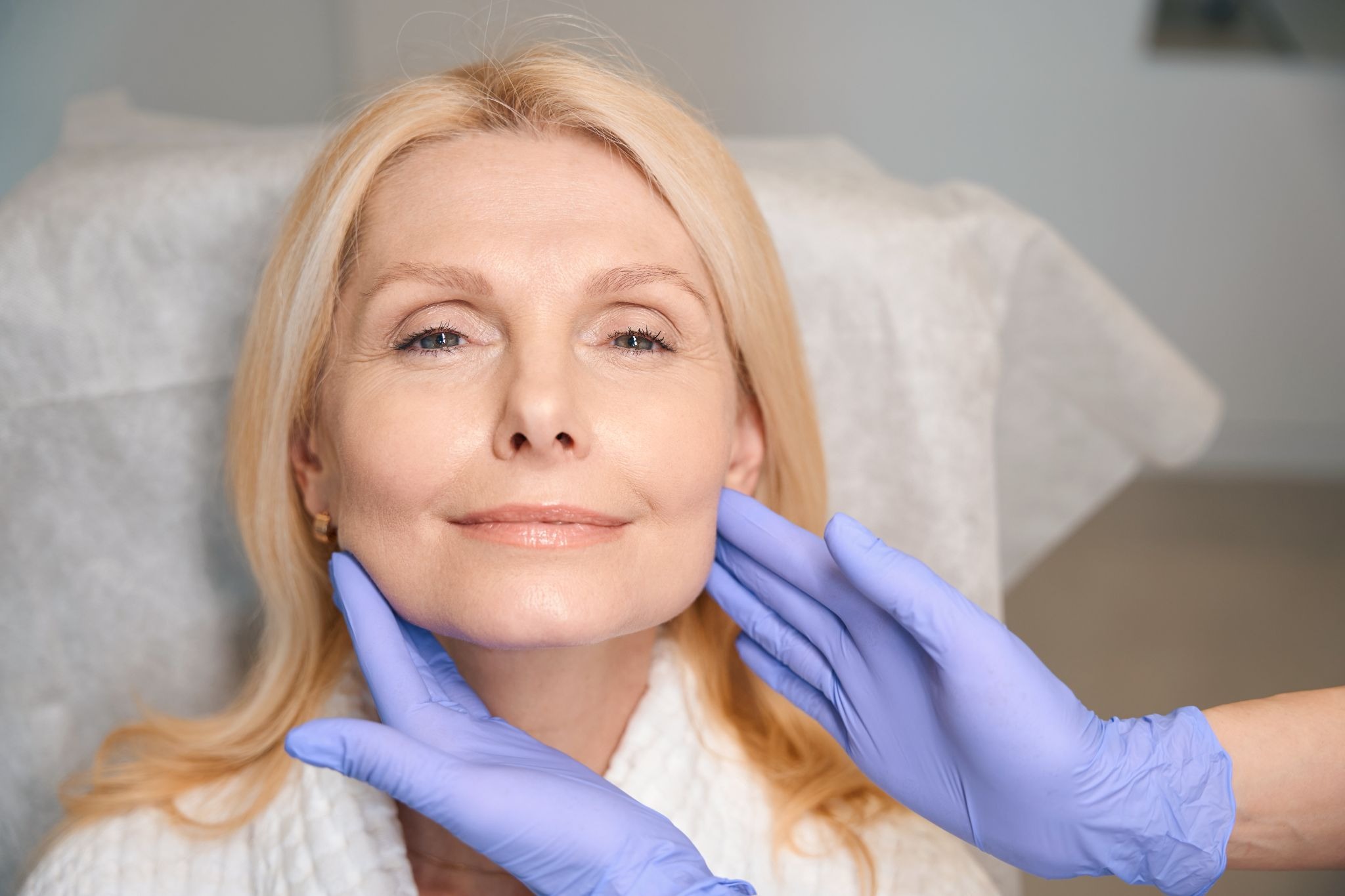
The procedure usually begins with anesthesia to maintain comfort throughout surgery. Surgeons create precise incisions near natural creases and hairlines. They then lift the underlying tissues and reposition them for better support. Excess skin is trimmed carefully to avoid an overly tight appearance. The remaining skin is gently redraped over the new contours. Finally, incisions are closed with care to promote smooth healing.
Recovery starts immediately after the procedure and continues over several weeks. Swelling and bruising appear first but gradually subside with time. Patients may need to limit activity during the initial healing phase. Follow-up visits help monitor progress and address concerns. Most people return to daily routines within a few weeks. Full results become clearer as the face settles into its new shape.
Different facelift techniques address varying levels of aging and skin laxity. Each option offers unique benefits depending on individual needs. Surgeons recommend procedures based on facial structure and desired results. Understanding these variations helps narrow down suitable choices.
A traditional facelift targets the lower face and neck comprehensively. It involves deeper tissue repositioning for longer-lasting results. This method is suitable for individuals with more advanced signs of aging. The results often appear natural when performed by skilled surgeons. Recovery may take longer compared to less invasive options. However, the outcome tends to last for many years.
Mini face lifts focus on mild to moderate sagging in the lower face. They use shorter incisions and involve less tissue adjustment. This approach leads to a quicker recovery period for most patients. Results appear subtle but still improve facial definition. It works well for individuals seeking earlier intervention. Many choose this option for its balance between results and downtime.
Mid-face lifts target the cheeks and under-eye area specifically. Surgeons lift tissues to restore volume and smooth transitions. This method improves the appearance of hollow or sunken cheeks. It often complements other procedures for balanced results. Recovery varies depending on the extent of the surgery. The outcome enhances facial harmony without altering natural features.
Non-surgical treatments offer temporary improvements. Options include dermal fillers, injectables, and skin tightening devices. These methods reduce wrinkles and add volume in targeted areas. Results appear quickly but require ongoing maintenance. They suit individuals not ready for surgical procedures. However, they cannot match the depth of change achieved by face lifts.
Changes in appearance often influence how people feel about themselves. Face lifts can affect both confidence and social interactions. Emotional responses vary depending on expectations and personal goals. Understanding this aspect helps create a more balanced perspective.
Patients sometimes need time to recognize their updated reflection. Even subtle changes can feel unfamiliar at first. This adjustment period is a natural part of recovery. Support from trusted people can help ease the transition. Over time, most individuals grow more comfortable with their results. Awareness of this phase prepares patients for the emotional changes that may occur.
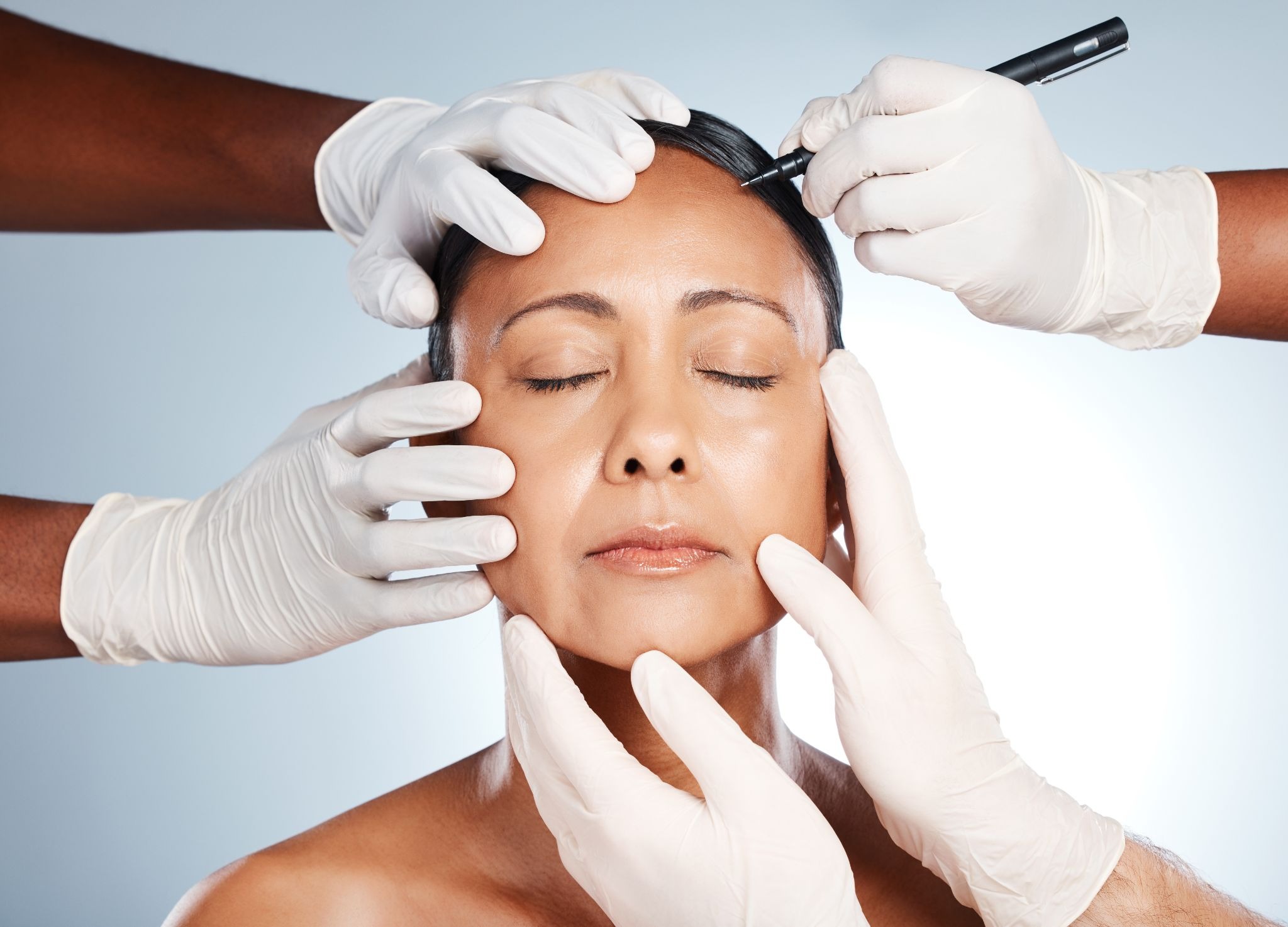
Many people experience increased confidence after a facelift. They may feel more aligned with their internal sense of self. Social interactions can shift as self-assurance increases. However, expectations should remain grounded in personal satisfaction. External opinions should not define the outcome of the procedure. A balanced mindset supports a healthier experience.
Expectations shape how patients evaluate their results over time. Clear communication with the surgeon reduces misunderstandings. Patients should understand that results develop gradually during healing. Comparing outcomes to others can create unnecessary pressure. Personal goals should remain the focus throughout the process. This approach supports long-term satisfaction.
Results from face lifts continue to evolve after the initial recovery period. Long-term care plays a role in preserving those improvements. Many people overlook the importance of post-surgery maintenance. Understanding this phase helps extend the benefits over time.
Consistent skin care helps maintain the improvements from a facelift. Sun protection reduces damage and slows visible aging. Hydration supports overall skin health and texture. Professional skincare treatments may complement surgical results when used carefully. These habits extend the duration of results' visibility. They also protect the investment made in the procedure.
Daily habits influence how long face lift results last. Smoking can weaken skin and reduce elasticity over time. Nutrition supports tissue health and overall appearance. Regular exercise improves circulation and general wellness. Stress management also contributes to better skin condition. These factors work together to sustain a refreshed look.
Face lift results last for years, but do not stop natural aging. Subtle changes may become apparent over time. Some individuals choose minor touch-ups to maintain their appearance. These procedures are usually less invasive than the initial surgery. Timing depends on personal aging patterns and lifestyle habits. Regular consultations help determine if adjustments are appropriate.
The cost of face lifts varies depending on several factors. Understanding pricing helps individuals plan before committing to surgery. Expenses often reflect the complexity and scope of the procedure. Transparency during consultation helps avoid unexpected costs.
Facelift procedures typically fall within a broad price range. Costs may include surgeon fees, anesthesia, and facility charges. Prices vary depending on the procedure selected. More advanced techniques often require higher fees. Geographic location also affects pricing differences. Patients should request a detailed cost breakdown.
Surgeon experience often impacts the overall cost of the procedure. Highly trained specialists may charge higher professional fees. Facility quality and staff support also affect pricing. Additional treatments may increase the final expense. Customized approaches often require more time and precision. These factors combine to shape the total cost.
Advancements continue to shape how facelifts are performed today. Techniques now focus on subtle and natural-looking results. Patients often prefer improvements that enhance rather than change appearance. These shifts reflect evolving preferences in cosmetic care.
Modern techniques prioritize deeper tissue support instead of surface tightening alone. Surgeons use refined methods to reduce visible scarring. Recovery times have improved with updated approaches. Technology also supports precision during procedures. These improvements lead to balanced and natural outcomes. Patients benefit from results that align closely with their features.
Public perception of cosmetic procedures has shifted over time. More people see face lifts as a personal and informed choice. Social media has increased awareness and access to information. Open discussions have reduced stigma around these treatments. Individuals now feel more comfortable exploring their options. This shift supports thoughtful and informed decisions.
Choosing face lifts reflects a desire to feel more aligned with your appearance over time. This decision involves understanding the process, weighing options, and trusting skilled guidance. When approached thoughtfully, the results can appear subtle, natural, and long-lasting. A well-planned step can help you feel more confident in how you present yourself each day.
For deeper guidance on face lifts and personalized care, visit Naples Laser & Skin Aesthetics' blog and explore your next steps.
%402x.svg)