.png)
.png)
Aging skin often manifests as fine lines and reduced firmness. Many people want visible improvement without surgery or long recovery periods. Non-invasive treatments have gained attention because they fit modern routines and expectations. Advanced techniques now focus on stimulating the skin’s natural repair process rather than masking concerns. Interest continues to grow as more people look for subtle changes that still feel meaningful.
Fibroblast skin tightening is a non-surgical procedure that stimulates collagen production using controlled plasma energy. The method focuses on improving firmness by activating fibroblast cells within the skin. It targets surface layers while encouraging deeper regeneration over time. Many choose it as an alternative to more invasive cosmetic procedures.
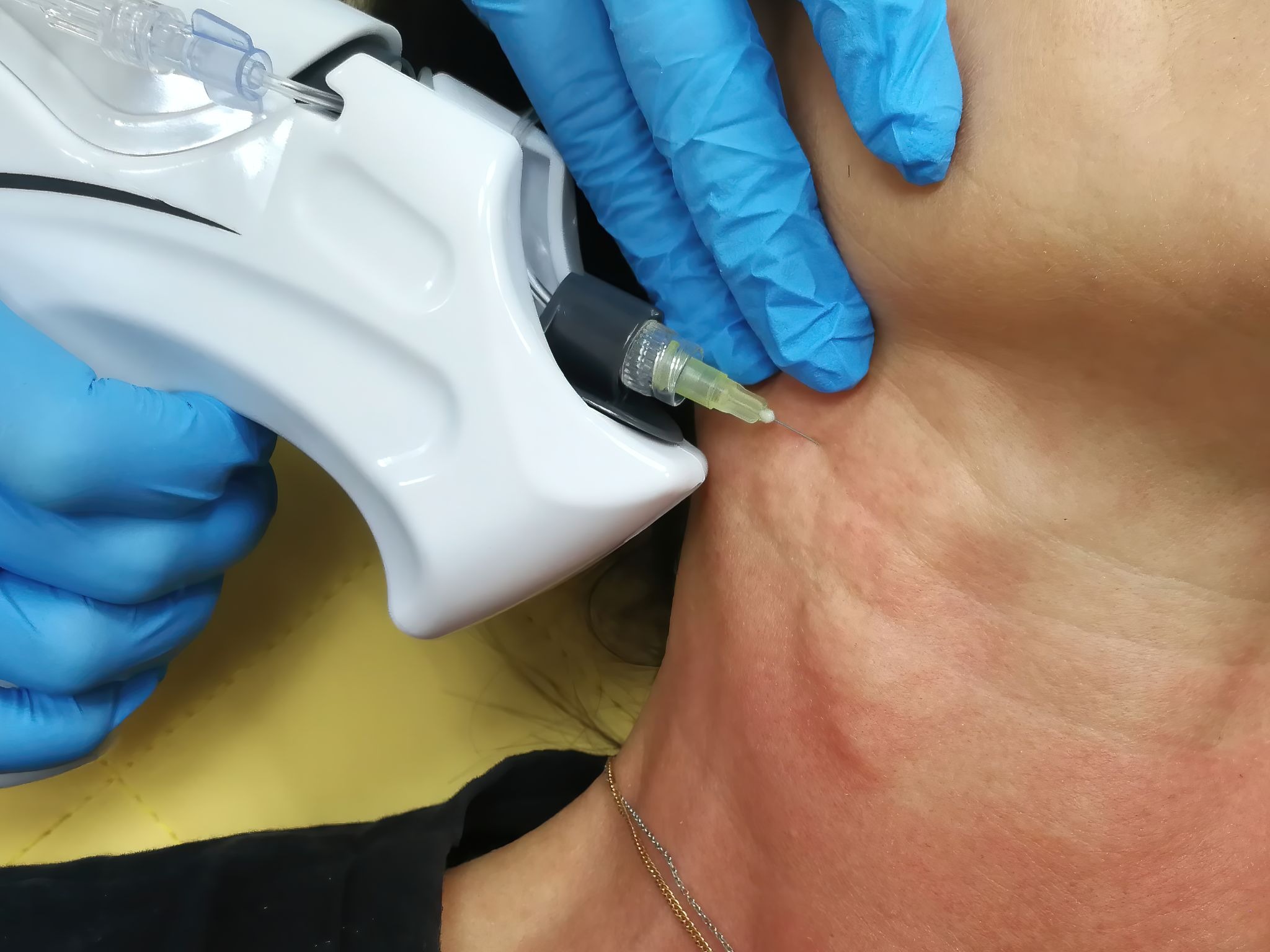
Fibroblast cells produce collagen and help maintain skin elasticity. Aging slows their activity, which leads to sagging and fine lines. Plasma energy creates tiny micro-injuries that trigger a healing response in the skin. As repair begins, collagen production increases, helping tighten skin. New cell growth also gradually improves texture and tone. Recent clinic observations show steady improvements appearing over several weeks.
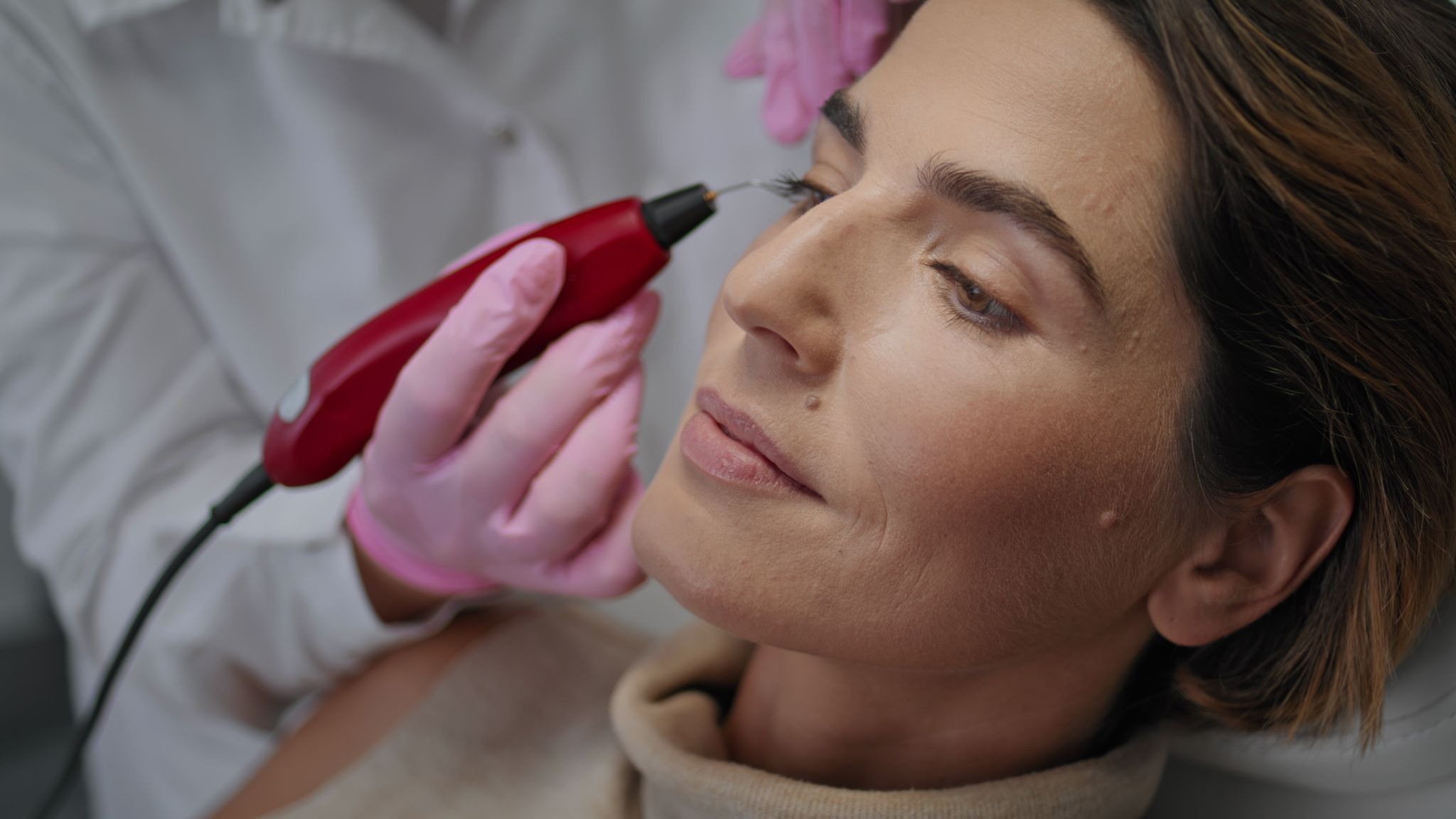
Treatment begins with a professional consultation to review skin condition and personal goals. A numbing agent is applied after the area is cleaned properly. The plasma pen creates small dots across the skin without direct contact. Each dot stimulates contraction and initiates the healing process. Sessions usually last under one hour, depending on the area treated. Mild swelling and visible dots appear afterward as part of normal recovery.
Collagen production increases gradually after the procedure rather than immediately. The body requires time to rebuild fibers that support firmness and elasticity. Skin tightening becomes more noticeable as new collagen develops beneath the surface. Improvements often continue for several weeks after visible healing ends. Many people report better texture and tone over three months. Natural progression helps results blend smoothly with existing features.
Fibroblast skin tightening offers a non-invasive option for improving firmness and texture. Many prefer it because it avoids surgical risks and long recovery periods. The treatment works with natural healing rather than external fillers or implants. Gradual changes yield a balanced, realistic outcome.
Visible tightening occurs without incisions or anesthesia, which reduces potential complications. Skin heals naturally, allowing results to appear subtle and balanced. Targeted application allows providers to focus on specific problem areas. Most individuals return to daily routines shortly after treatment. The short recovery period makes it convenient for busy schedules. Comfort during the process improves overall satisfaction for many patients.
Increased collagen production strengthens the skin structure over time. Fine lines soften as elasticity improves during the healing process. Results continue to develop even after the initial recovery phase ends. Long-lasting effects often depend on skincare habits and lifestyle choices. Some individuals choose to follow up on sessions to maintain their improvements. Gradual enhancement supports a natural appearance instead of sudden changes.
Skin renewal occurs as new cells replace damaged ones during healing. Uneven areas may become less noticeable as regeneration continues. A more balanced tone often develops as the surface improves. Texture feels smoother as collagen supports the outer layer. Many notice a refreshed look without drastic alteration. Combined effects make the treatment appealing for overall rejuvenation.
Fibroblast skin tightening can treat both facial and body areas with precision. The technique adapts to different levels of skin laxity and sensitivity. Small, delicate zones and broader areas can both benefit from treatment. Flexibility makes it suitable for a range of cosmetic concerns.
Thin skin around the eyes responds well to targeted treatment. The under-eye area often appears firmer as collagen begins to rebuild. Crow’s feet and forehead lines may soften gradually. Jawline definition can improve as skin tightens over time. Natural-looking changes help maintain facial balance. Many patients prefer these subtle enhancements over more dramatic procedures.
Neck areas often benefit from improved collagen support and a tighter appearance. Abdominal skin may show slight firming, especially after weight changes. Arms and knees can respond well to focused sessions. Stretch marks may appear less visible as new skin forms. Gradual improvement helps maintain a consistent look across treated areas. Versatility increases the appeal for those seeking broader results.
Skin type influences how well fibroblast skin tightening performs and how it heals after treatment. Different tones and sensitivities react uniquely to plasma energy and collagen stimulation. Providers evaluate these factors before recommending the procedure. Proper assessment helps reduce risks and improve overall outcomes.
Melanin levels play a key role in how the skin responds to controlled micro-injuries. Lighter skin tones often heal with a lower risk of pigmentation changes. Darker skin tones may be more prone to post-inflammatory hyperpigmentation. Careful technique and adjusted energy levels help reduce this risk. Healing time may also vary depending on individual skin response. Professional evaluation supports safer and more predictable results.
The Fitzpatrick scale classifies skin based on its response to sun exposure. Practitioners use this system to guide treatment decisions and settings. Lower types usually tolerate fibroblast procedures with fewer complications. Higher types require more caution due to increased pigmentation sensitivity. Some providers may adjust techniques or suggest alternatives for certain cases. This classification helps create a more personalized and safer approach.
Preparation and aftercare play a strong role in minimizing complications. Avoiding sun exposure before and after treatment helps prevent unwanted pigmentation. Gentle skincare supports healing without irritating the treated area. Providers may recommend specific products to calm and protect the skin. Following instructions closely improves both safety and results. Consistent care helps maintain a more even tone during recovery.
Fibroblast skin tightening requires preparation and proper aftercare for the best results. The process includes visible healing stages that vary between individuals. Understanding each phase helps reduce uncertainty. Clear expectations support a smoother experience.
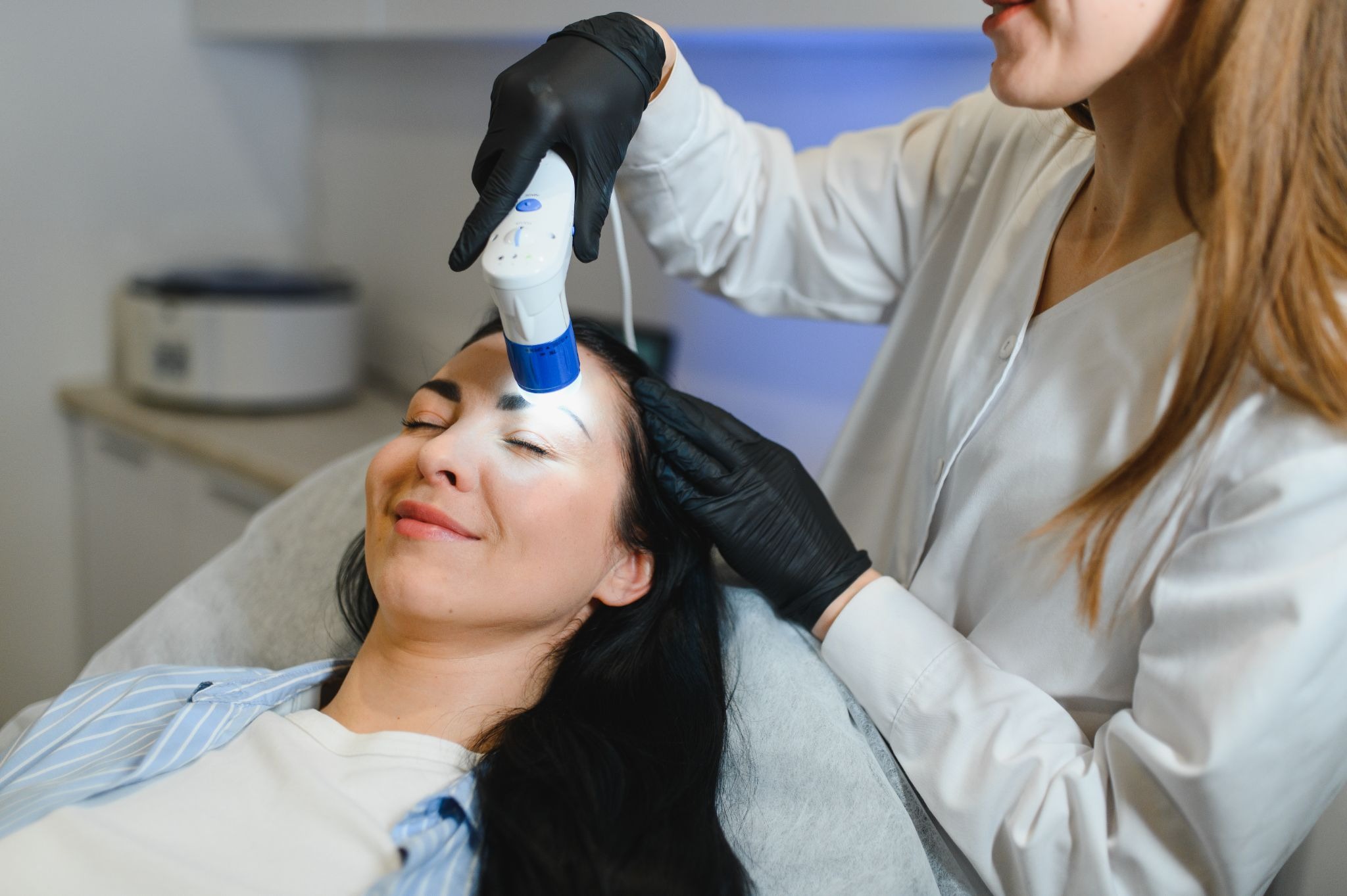
Consultations help determine whether the treatment aligns with personal skin goals. Medical history and skincare routines are reviewed carefully. Avoiding sun exposure before the session helps reduce the risk of irritation. Certain products may need to be paused temporarily. Clear guidance from the provider supports better preparation. Following instructions improves both safety and outcomes.
Small scabs form shortly after treatment as part of the healing process. These marks usually fall off naturally within about one week. Mild redness and swelling may appear during early recovery. Skin sensitivity can also occur, but tends to fade gradually. Proper aftercare supports smoother healing and better results. Firmer skin becomes visible as the repair process continues.
Fibroblast skin tightening involves some risks despite being non-invasive. Careful technique and proper aftercare reduce the chance of complications. Understanding possible side effects helps set realistic expectations. Awareness supports safer decision-making.
Swelling and redness often appear immediately after the procedure. Mild discomfort may occur, but usually remains manageable. Temporary sensitivity can develop during the healing phase. Small scabs form as part of the natural repair process. Pigmentation changes may occur if aftercare instructions are not followed. Proper guidance from a trained provider helps reduce these risks.
Certain skin conditions may make this treatment unsuitable. Individuals prone to scarring should proceed with caution. Some medications and medical treatments can affect the healing response. Pregnancy may also restrict access to the procedure. Professional evaluation helps identify these concerns early. Careful screening protects both safety and expected results.
Fibroblast skin tightening differs from other cosmetic treatments in technique and results. Plasma energy offers a distinct approach compared to light-based or surgical methods. Understanding these differences helps guide treatment choices. Each option suits different goals and expectations.
Plasma energy targets the skin differently than laser-based systems. Laser treatments use focused light, while fibroblast devices create controlled surface dots. Recovery may vary, with fibroblast showing visible scabbing during healing. Laser procedures often result in redness without dot formation. Both methods stimulate collagen but follow different pathways. Treatment choice depends on skin condition and desired outcome.
Surgical procedures provide more dramatic tightening in a single session. Recovery periods tend to be longer and involve greater risk. Non-surgical fibroblast treatment offers gradual improvement instead. Many prefer a slower change that looks more natural. Surgery costs are often higher than those for non-invasive options. Personal preference usually guides the final decision.
Fibroblast skin tightening costs vary based on several treatment factors. Pricing reflects the expertise required and the complexity of each session. Understanding these details helps with planning. Comparing options supports better financial decisions.
Treatment size plays a large role in determining total cost. Larger areas require more time and precision from the provider. Experience and certification levels can also influence pricing. Clinic quality and equipment standards may affect overall rates. Location often creates noticeable price differences between regions. Combined factors shape the final treatment cost.
Gradual results and lower risk make fibroblast therapy appealing for many individuals. Improvements develop over time, which supports a natural appearance. Maintenance sessions may help extend the results further. Personal goals often determine whether the investment feels worthwhile. Comparing costs with expected outcomes helps guide decisions. Balanced expectations lead to better satisfaction after treatment.
Visible change begins with informed choices and realistic expectations about skin improvement. Fibroblast skin tightening offers a path to firmer skin through gradual, natural repair. Guidance from experienced skincare experts can help tailor the treatment to your specific needs and reduce potential risks. A well-timed decision, supported by professional insight, can lead to smoother, more resilient skin that continues to improve over time.
Explore more expert-backed insights on fibroblast skin tightening at Naples Laser & Skin Aesthetics blog and take the next informed step for your skin.
%402x.svg)