.png)
.png)
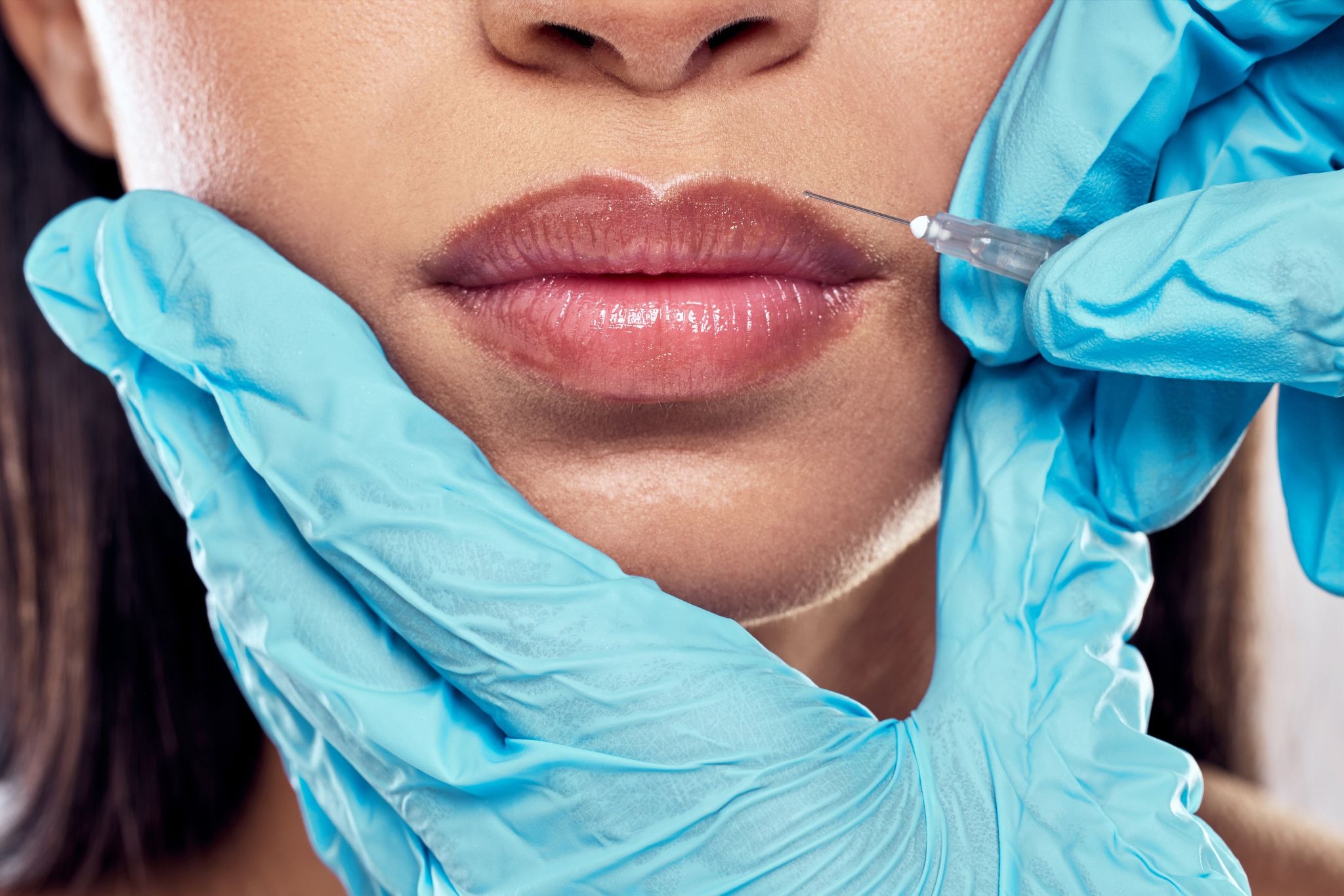
Full, well-shaped lips often enhance facial balance and overall expression. Many people notice thinning lips as natural collagen levels decline with age. Modern cosmetic treatments now provide non-surgical options to restore volume and refine lip contours. Injectable dermal enhancements deliver noticeable improvements with minimal downtime. Understanding the available enhancement methods helps patients choose solutions that match their aesthetic goals.
Lip fillers add volume and definition by injecting dermal fillers beneath the skin. Cosmetic clinics report rising demand because treatments offer visible improvement without the recovery time of surgery. Modern injection techniques prioritize balance, symmetry, and natural movement rather than exaggerated results. Many dermatology clinics confirm, based on patient data, that subtle lip enhancement remains the most requested aesthetic service.
Natural-looking lip enhancement focuses on subtle volume that complements facial proportions. Patients increasingly request gentle improvements rather than the dramatic lip enlargement seen in earlier trends. Dermatology clinics now design treatments around facial harmony rather than isolated lip size. For example, injectors examine jawline structure, cheek balance, and mouth width before planning injections. This careful evaluation helps lips look fuller while maintaining natural movement and expression. Additionally, modern social media culture favors refined cosmetic results that appear effortless and authentic.
Dermal fillers add lip volume with injectable gels that support the skin's structure beneath the surface. These filler materials expand slightly after placement because they attract water molecules. The hydration effect creates softness and gentle fullness inside the lips. Doctors inject small amounts along the lip border or the central body. Precise placement improves symmetry while maintaining natural lip flexibility. Similarly, experienced injectors shape the cupid's bow and lip contour to refine overall facial balance.
Temporary lip fillers dissolve gradually because the body naturally breaks down their ingredients. These filler types appeal to first-time patients who want flexibility and reversible results. Most temporary formulas last six to 12 months, depending on the product type and metabolism. Longer-lasting fillers contain materials that resist natural breakdown inside the body. These filler formulas provide extended volume but require careful placement by trained professionals. According to recent dermatology clinic reports, most patients begin with temporary fillers before considering longer-lasting alternatives.
Lip enhancement treatments rely on injectable substances designed to add volume and refine lip contours. These materials vary in composition, longevity, and their interactions with natural lip tissue. Dermatology clinics classify fillers into several categories based on these characteristics. Understanding these differences clarifies why practitioners recommend specific filler types for certain lip goals.
Hyaluronic acid lip fillers dominate cosmetic dermatology because the substance is already present in human skin. This naturally occurring molecule binds water and maintains hydration within connective tissue. Injectable versions mimic these natural molecules to safely restore lip volume. Most dermatology clinics recommend hyaluronic acid fillers as the first option for lip enhancement treatments.
Hyaluronic acid fillers attract water molecules, creating smooth, hydrated lip volume. This hydration property allows the filler to expand gently within lip tissue. Doctors can shape lips gradually during treatment using small injection amounts. Additionally, hyaluronic acid integrates well with natural tissue and maintains lip flexibility. Dermatologists appreciate that this filler dissolves safely if adjustments are needed. Medical journals frequently cite hyaluronic acid fillers as among the safest injectable cosmetic treatments.
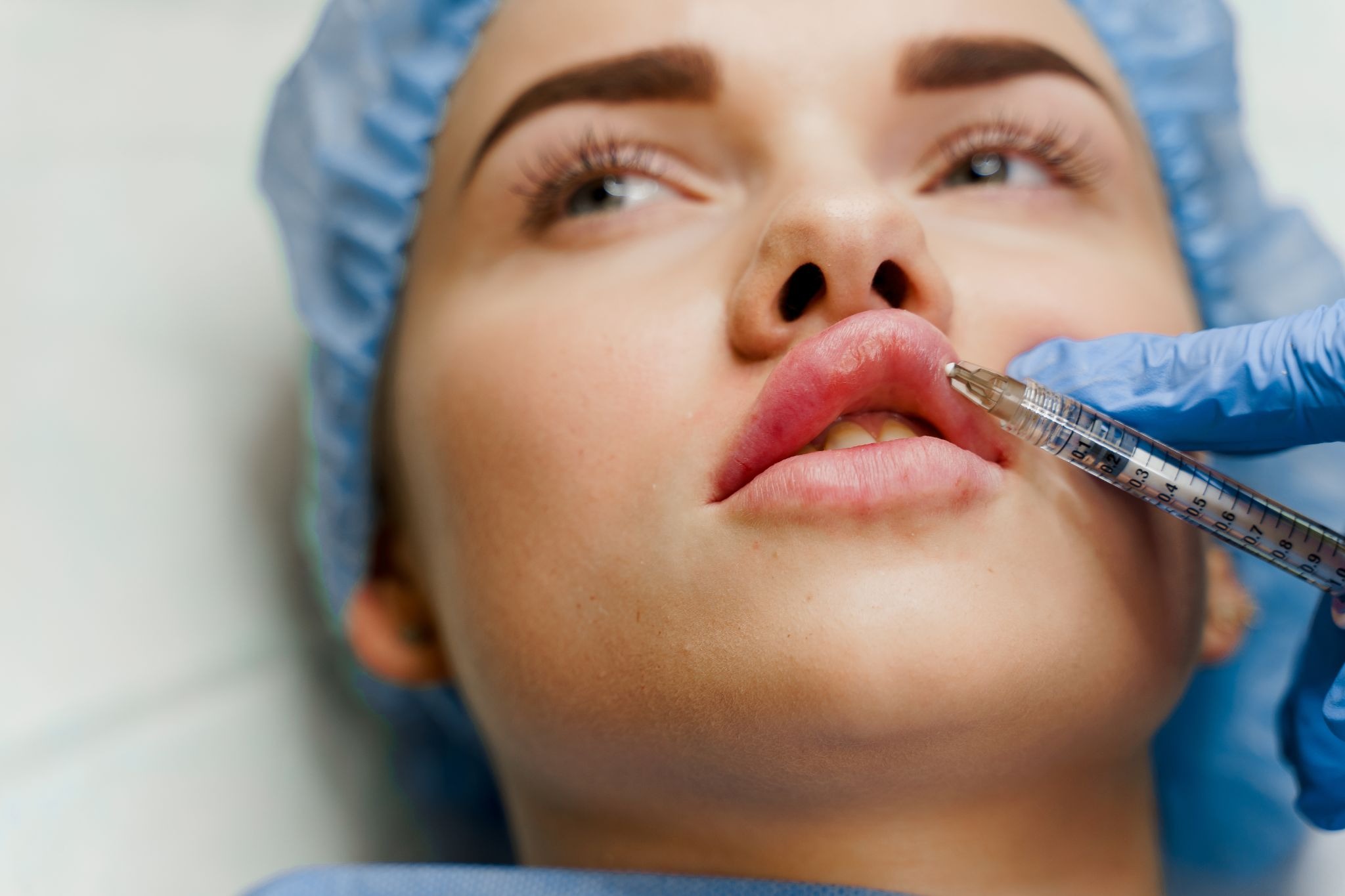
Several hyaluronic acid filler brands appear commonly in dermatology clinics worldwide. Well-known product lines include Juvederm and Restylane, both widely studied in clinical trials. These brands offer formulas designed specifically for delicate lip tissue. Some fillers provide soft hydration, while others support a stronger lip structure. Doctors select specific formulas depending on lip anatomy and aesthetic goals. Similarly, clinic consultation helps patients understand how different formulas influence lip shape and longevity.
Hyaluronic acid fillers provide flexible results that doctors can adjust over time. Patients usually notice improvement immediately after the injection. This treatment option also allows gradual volume building across multiple visits. Doctors can dissolve the filler using a specialized enzyme called hyaluronidase. That reversal option offers reassurance for patients concerned about cosmetic changes. Based on dermatology clinic experience, this filler category remains the most trusted choice for lip augmentation.
Collagen lip fillers are among the earliest injectable cosmetic treatments developed for lip enhancement. Collagen forms a structural protein that supports skin elasticity and firmness. Early aesthetic procedures used purified animal collagen to increase lip fullness. Modern filler technology eventually replaced these early formulas with safer alternatives.
Collagen fillers work by replacing structural proteins beneath the lip surface. Doctors injected collagen material directly into the lip body. This injection method created temporary fullness and improved lip contour. Patients often noticed smoother lip texture immediately after treatment. However, the body gradually absorbed collagen within several months. As a result, patients required frequent maintenance appointments to maintain lip volume.
Collagen fillers declined after hyaluronic acid dermal fillers were introduced. Hyaluronic acid produced longer results and required fewer allergy precautions. Earlier collagen formulas sometimes caused allergic reactions because they originated from animal sources. Doctors, therefore, performed allergy testing before treatment sessions. Modern fillers have largely eliminated these concerns while improving treatment longevity. Today, most dermatology clinics rely on advanced filler materials rather than traditional collagen injections.
Fat transfer lip fillers use a patient's own body fat instead of synthetic injectable materials. Surgeons remove small fat deposits through gentle liposuction techniques. Doctors then purify the fat cells before injecting them into the lips. This treatment method appeals to patients seeking natural cosmetic enhancement.
Fat transfer begins with collecting fat from areas such as the abdomen or thighs. Doctors use specialized equipment to isolate healthy fat cells. These purified cells can be used as an injectable material for lip augmentation. Surgeons inject small amounts of fat into strategic lip areas. This injection process improves lip volume while preserving natural shape. Some fat cells remain permanently after healing, while others dissolve naturally.
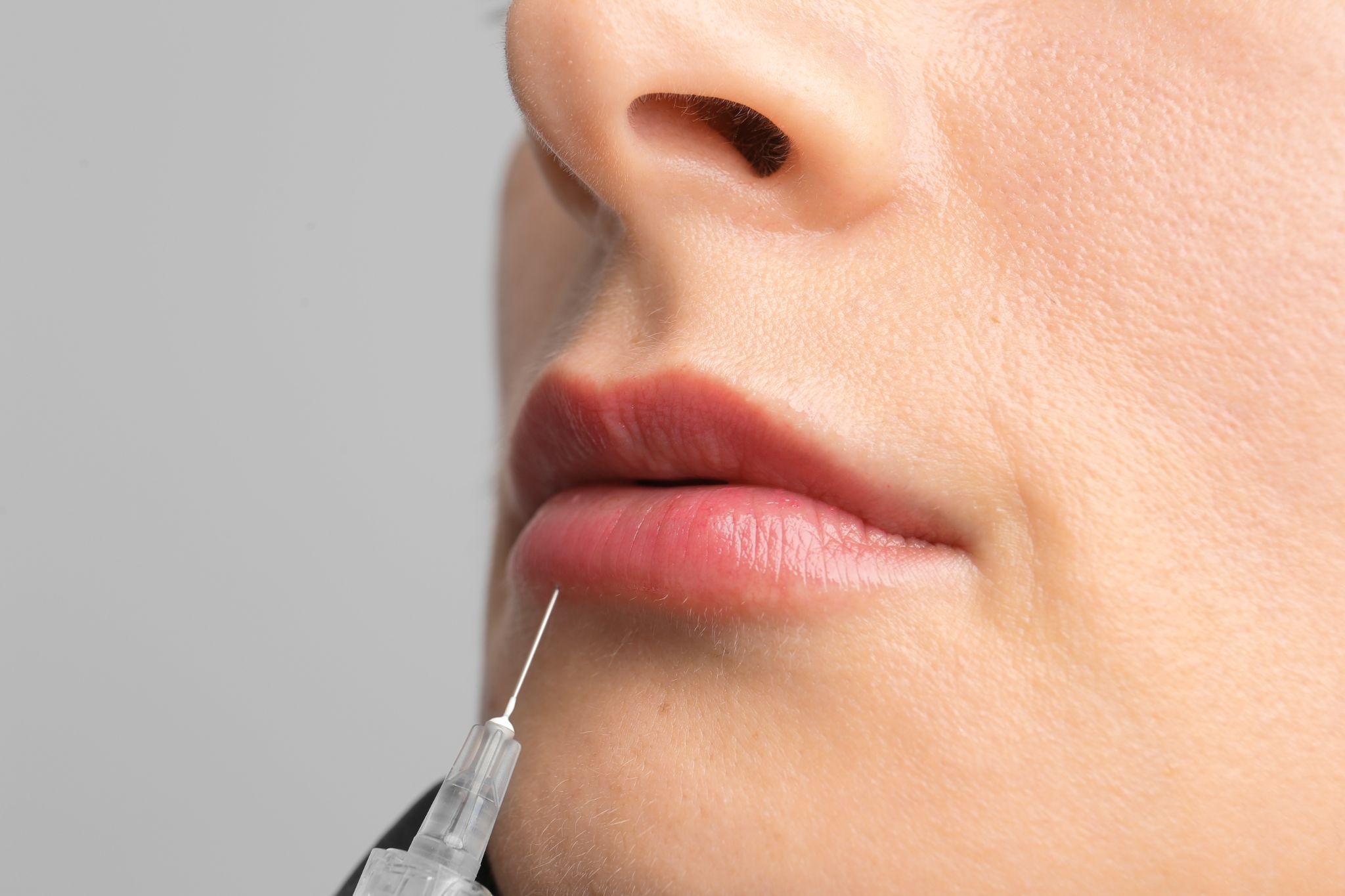
Fat transfer offers a natural filler option because the body recognizes its own tissue. This biological compatibility reduces concerns about allergic reactions. Patients also appreciate that liposuction removes small fat deposits during the procedure. Additionally, successful fat transfer may provide longer-lasting lip volume than temporary fillers. However, results vary because the body absorbs some transferred cells. Many plastic surgery clinics recommend fat transfer as a natural filler alternative for patients.
Fat transfer involves minor surgery rather than a quick injection appointment. This surgical procedure requires anesthesia and a short recovery period. Patients may experience swelling and bruising after treatment. Additionally, fat survival rates vary between individuals. Doctors sometimes schedule follow-up sessions to refine lip volume. Patients should discuss expectations carefully before selecting this cosmetic option.
Synthetic lip fillers contain laboratory-created materials designed for extended durability. These filler types last longer because the body does not easily break them down. Some patients choose these formulas to reduce the frequency of maintenance appointments. However, dermatology clinics approach these fillers cautiously due to their longer permanence.
Semi-permanent lip fillers often contain microscopic particles suspended within gel carriers. One well-known material involves polymethyl methacrylate microspheres. These particles stimulate collagen growth after injection. The surrounding collagen provides long-lasting structural support for the lips. Other fillers use calcium-based compounds that mimic the body's natural minerals. Doctors use these formulas carefully because they produce longer-lasting results.
Synthetic fillers can maintain lip volume for several years after treatment. This extended longevity appeals to patients seeking durable cosmetic results. However, incorrect placement may remain visible longer than temporary fillers. Additionally, rare complications include small nodules forming around injection sites. Experienced dermatologists minimize these risks through careful technique and patient screening. Many clinics, therefore, recommend temporary fillers before exploring semi-permanent alternatives.
Selecting the right lip filler depends on anatomy, lifestyle preferences, and aesthetic expectations. Dermatology professionals evaluate facial proportions before recommending filler options. This personalized approach helps maintain natural facial harmony during treatment. Patients benefit most when experienced injectors guide these decisions.
Lip filler selection begins with analyzing natural lip structure and facial proportions. Thin lips may require structural support rather than simple hydration. Younger patients often prefer subtle volume that enhances existing shape. Mature patients may request fillers that restore lost definition. Lifestyle preferences also influence filler selection because some formulas require more maintenance visits. Dermatology consultations allow patients to compare filler types before deciding on treatment.
Lip injections require advanced knowledge of facial anatomy and blood vessel pathways. Skilled injectors place filler carefully to avoid complications. This medical expertise improves safety and cosmetic results. Patients also benefit from personalized treatment planning during consultations. Doctors evaluate lip balance, facial symmetry, and desired outcomes before injecting filler. Based on dermatology clinic experience, expert injectors consistently deliver lip enhancement that looks more natural.
Different types of lip fillers offer varied results depending on lip structure, treatment goals, and maintenance preferences. A professional consultation helps determine which filler suits facial proportions and desired lip volume. Experienced injectors evaluate anatomy, discuss options, and recommend the most appropriate formula for natural-looking results. Exploring these choices with a qualified provider allows patients to approach lip enhancement with clarity and confidence.
Stay informed about the latest aesthetic treatments and skin care innovations. Read more helpful articles on the Naples Laser & Skin Aesthetics blog and discover what today’s cosmetic options can offer.
%402x.svg)