.png)
.png)
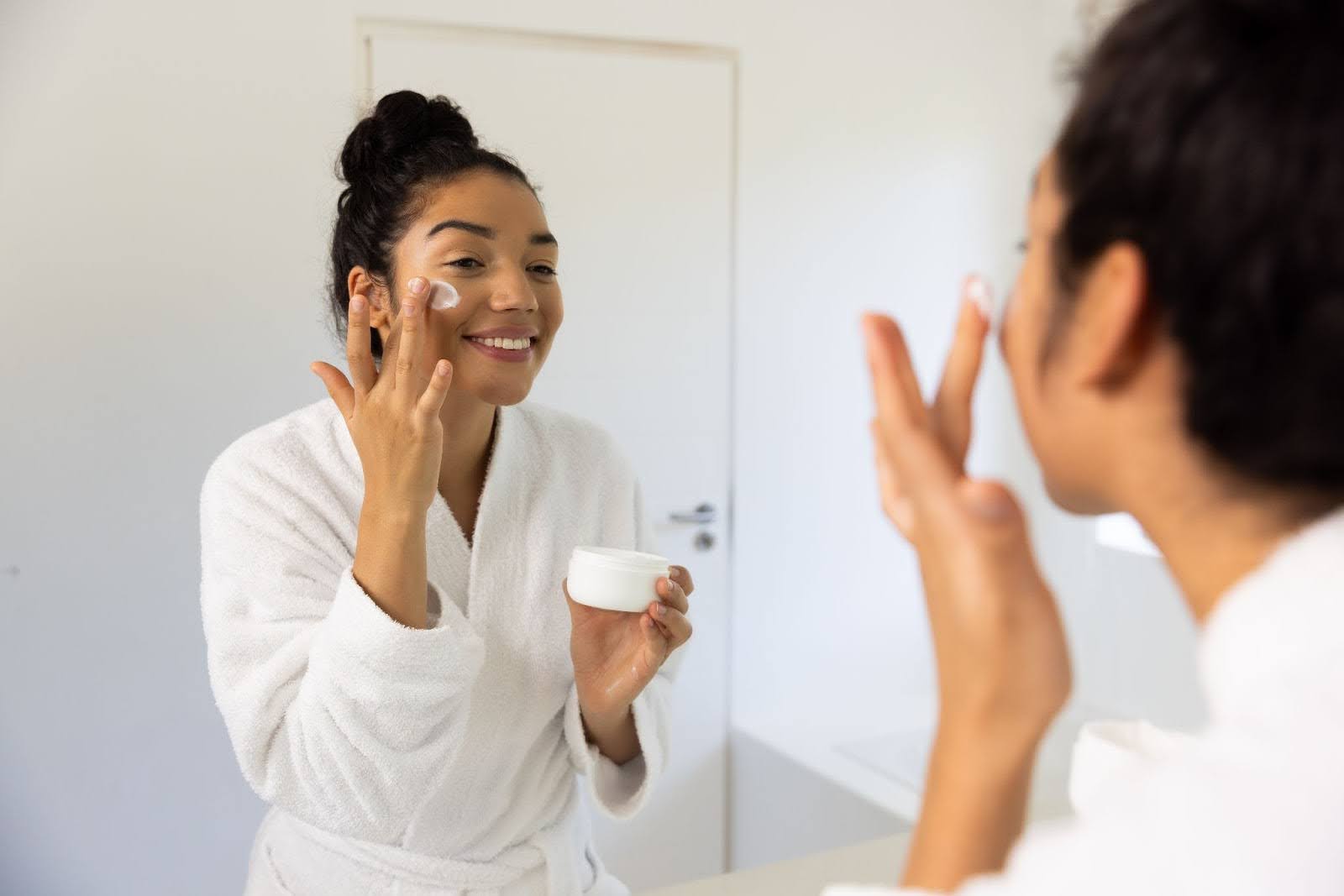
Skincare concerns affect confidence, comfort, and daily interactions more than many people admit. Changes in texture, tone, or clarity often feel frustrating when products promise results but fall short. Many routines fail because skin needs guidance, not guesswork or trends. Professional skincare provides structure, clarity, and informed care that adapts to skin's changes. That difference shapes how skin looks, feels, and responds over time.
Professional skincare refers to treatments and guidance provided by trained specialists using regulated methods. These services focus on skin health rather than surface-level appearance alone. Unlike casual routines, professional care follows assessment, planning, and follow-through. This structured approach supports consistency and measurable improvement.
Professional skincare includes licensed treatments, clinical tools, and informed product selection. Providers study skin behavior, conditions, and treatment responses before making recommendations. This process reduces uncertainty caused by random product testing. Each treatment follows safety protocols designed to protect skin integrity. Additionally, professionals track progress and adjust care when the skin reacts or changes. That level of oversight builds trust and predictability.
Home skincare often relies on trial-and-error driven by marketing claims. Professional skincare relies on evaluation and experience rather than on products. Store-bought products typically limit ingredient strength to ensure general safety. Professionals use formulations designed for controlled application and targeted results. Similarly, treatment techniques affect how ingredients penetrate and perform. These differences explain why outcomes vary so widely.
Every skin type behaves differently under stress, aging, and environmental exposure. Professional skincare begins with a clear understanding of these differences. Personalization avoids unnecessary treatments and wasted spending. That focus leads to better alignment between skin needs and care choices.
Professionals examine hydration levels, sensitivity, texture, and underlying conditions. They consider daily lifestyle factors that influence skin behavior. This process identifies concerns that may not appear on the surface. As a result, treatment targets causes rather than symptoms. Additionally, assessments prevent treatments that could worsen existing issues. This foundation supports smarter long-term care.
Acne, discoloration, dryness, and aging require different strategies. Professional skincare adapts treatments to match those needs precisely. This approach avoids one-size-fits-all routines that rarely succeed. Providers adjust techniques and products as skin responds. Similarly, treatment intensity changes based on tolerance levels. Customization improves comfort and visible outcomes.
Skin changes with age, hormones, stress, and seasons. Professional skincare adapts to those shifts without requiring a restart of routines. Providers monitor progress and refine treatments accordingly. This flexibility prevents stagnation and setbacks. Additionally, it helps maintain results rather than constantly chasing new solutions. That continuity supports skin stability.
Professional skincare introduces methods unavailable for home use. These techniques address deeper layers and complex concerns. Controlled environments allow safe application of advanced treatments. The result involves more consistent improvement.
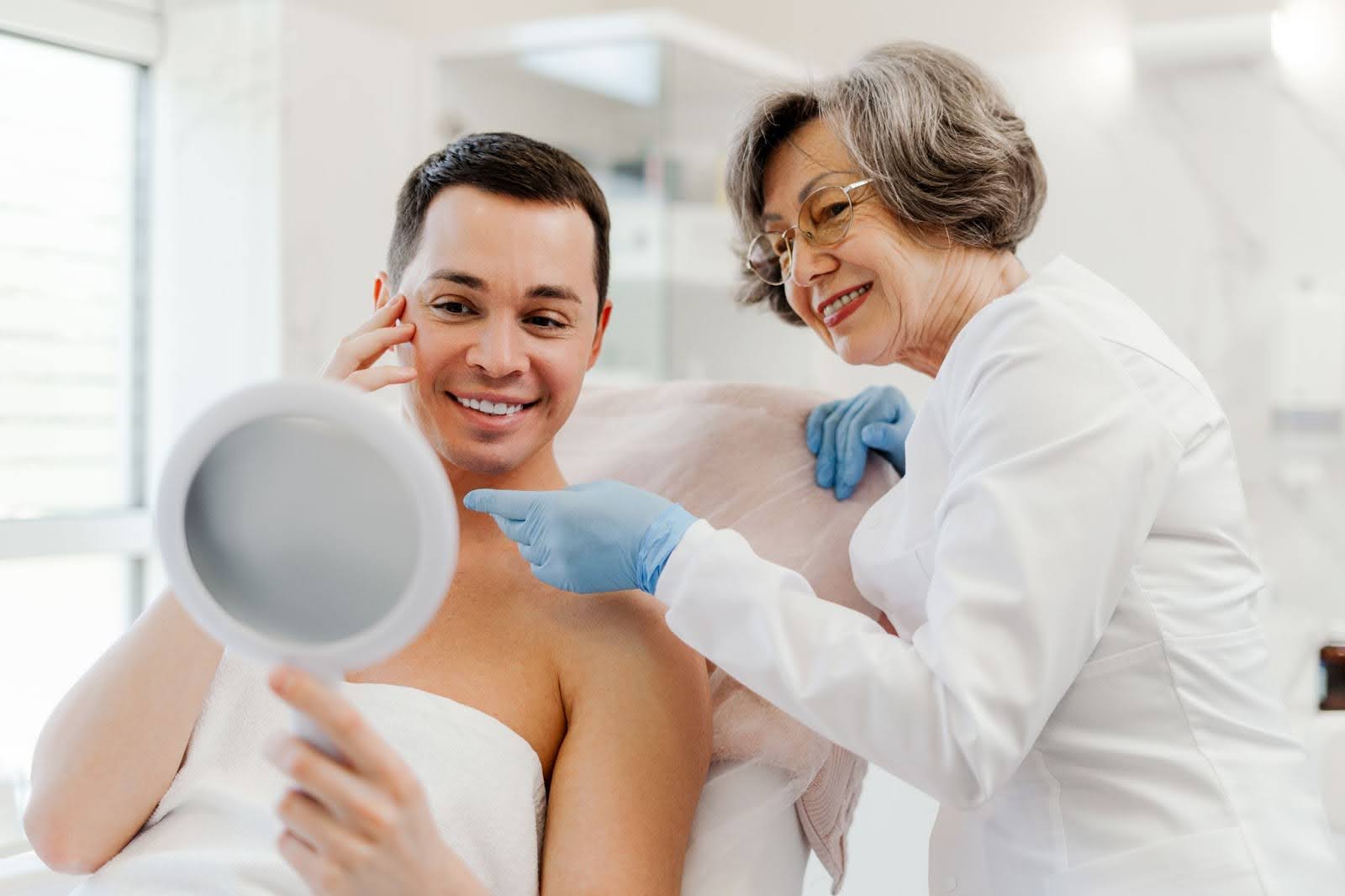
Professional treatments use devices that carefully exfoliate, stimulate, or resurface the skin. These tools reach depths that topical products cannot. Providers receive training to control pressure, timing, and frequency. That control reduces irritation and uneven results. Additionally, tools often pair with specific products for enhanced effectiveness. Precision drives reliability.
Professional exfoliation removes buildup that dulls skin's appearance. Renewal treatments encourage cell turnover and a smoother texture. These methods improve product absorption afterward. Similarly, stimulation treatments support circulation and firmness. Over time, skin appears more balanced and resilient. Consistency strengthens these effects.
Advanced treatments require supervision to avoid damage. Professionals follow protocols based on skin type and condition. They recognize warning signs before irritation escalates. Additionally, recovery guidance supports healing between sessions. This oversight reduces risks associated with aggressive methods. Safety sustains long-term benefits.
Professional skincare meets needs that routine products and casual advice cannot fully address. Skin changes constantly in response to stress, environment, and internal shifts. Without informed guidance, care becomes reactive rather than intentional. The following sets the stage for understanding how expert-led skincare supports consistency, adaptability, and informed decision-making over time.
Professional care introduces formulations developed for performance rather than shelf appeal. These products support treatment goals instead of quick cosmetic effects. Their value depends on informed selection and proper use. When paired with expert oversight, product quality becomes a practical advantage rather than a risk.
Professional products often contain higher concentrations of active ingredients designed for targeted results. These formulas require controlled use to avoid irritation or imbalance. Trained providers evaluate skin tolerance before introducing stronger options. This measured approach reduces unnecessary reactions while improving effectiveness. Additionally, professionals adjust frequency and dosage as the skin responds. Strength works best when guided by experience rather than assumption.
Product performance depends on ingredient quality and formulation balance. Professional lines prioritize stability, purity, and ingredient interaction. This attention reduces conflicts that weaken results or irritate skin. Providers select products that complement treatments and daily routines. Similarly, compatibility supports consistency without overwhelming the skin. Balanced formulations create more predictable outcomes.
Sustained improvement depends on how the skin is maintained between treatments. Professional care focuses on stability rather than short-lived changes. Long-term planning replaces reactive adjustments. This approach encourages steady progress without unnecessary setbacks.
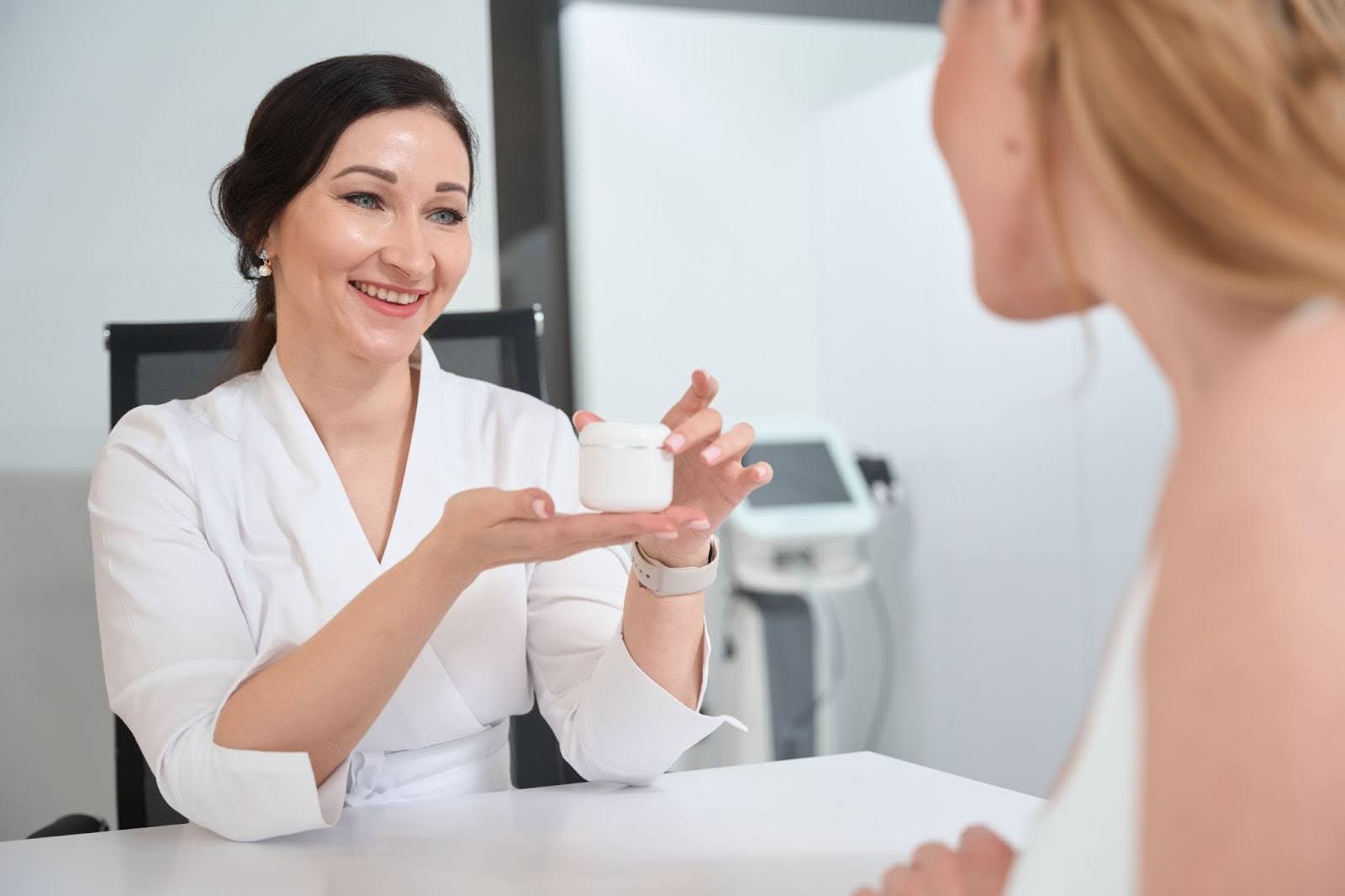
Minor concerns often worsen when addressed incorrectly or ignored. Professional care identifies warning signs before problems intensify. Providers recognize patterns that signal potential flare-ups. Early guidance limits the need for corrective measures later. Additionally, preventative care reduces cumulative damage. Thoughtful intervention protects skin integrity.
The skin barrier influences hydration, sensitivity, and resilience. Professional care supports barrier repair through controlled treatments. Providers avoid excessive exfoliation, which can weaken natural defenses. Similarly, hydration strategies improve elasticity and comfort. Balanced care supports recovery and stability. Strong barriers improve tolerance to treatments and products.
Daily exposure to pollution, sunlight, and stress can affect skin condition. Professional care accounts for these external pressures. Treatments and product choices address cumulative impact over time. Providers also suggest protective habits that fit daily routines. This alignment supports realistic care. Skin responds better when routines reflect real conditions.
Daily routines determine how long professional results last. Guidance bridges the gap between treatments and home care. Clear instructions reduce confusion and inconsistency. Education becomes a practical tool for better outcomes.
Many products underperform due to improper use. Professionals explain correct amounts and application order. This instruction prevents overuse, which can irritate the skin. Additionally, timing between steps affects absorption and effectiveness. Proper technique improves consistency. Small adjustments often produce noticeable improvement.
Popular trends often promote excessive or unsuitable practices. Professional guidance filters unreliable advice. Providers explain why certain habits cause irritation or imbalance. Similarly, they recommend safer alternatives when appropriate. This clarity reduces unnecessary experimentation—skin benefits from restraint and structure.
Uncertainty leads many people to switch products frequently. Professional guidance replaces doubt with informed direction. Providers explain the reasoning behind recommendations clearly. This transparency builds trust and routine stability. Confidence encourages consistency. Skin responds best to predictable care.
Skin concerns influence self-image and daily confidence. Professional care acknowledges this emotional connection. Support extends beyond visible changes—reassurance and structure matter.
Improved skin often changes how people feel socially and professionally. Professional care sets realistic expectations for progress. Providers track changes that might otherwise go unnoticed. Additionally, guidance helps manage setbacks calmly. Confidence grows through understanding rather than perfection. Emotional relief accompanies physical improvement.
Scheduled treatments create intentional moments of care. These sessions provide mental relief as well as physical benefits. Structure replaces uncertainty with routine. Similarly, knowing skin receives proper attention reduces anxiety. Skincare becomes restorative rather than stressful. Consistency supports both skin and mindset.
Professional skincare requires commitment, yet offers lasting value. Thoughtful care reduces waste and missteps. Long-term planning replaces impulse decisions. This perspective reframes cost discussions.
Unplanned product buying often leads to clutter and inconsistent results. Professional guidance narrows options based on actual skin behavior. This direction reduces unnecessary spending driven by uncertainty. Treatments often replace several products that promise similar outcomes. Over time, spending reflects informed choices rather than impulse decisions. Financial efficiency becomes easier to recognize as routines stabilize.
Daily responsibilities affect how consistently care routines are followed. Professional plans account for work schedules, travel, and social commitments. Treatments and home care can be adjusted without disrupting daily life. This flexibility prevents routines from becoming overwhelming. Maintenance plans support balance rather than a rigid structure. Consistency improves when care aligns with realistic expectations.
Professional care reduces missteps caused by unsuitable products and inconsistent routines. Guided decisions prevent cycles of irritation and recovery that delay progress. This stability saves time that would otherwise be lost to correcting avoidable issues. Additionally, targeted treatments reduce the need for repeated adjustments. Resources are directed toward care that aligns with actual skin needs. Over time, efficiency replaces trial-based spending and frustration.
Professional skincare offers clarity in a space crowded with conflicting advice and short-term promises. Choosing expert guidance shifts care from constant adjustment to steady direction. This approach supports decisions rooted in understanding rather than reaction. When skin care feels intentional and well-supported, committing to professional solutions becomes a practical next step rather than a risky leap.
Find clear, expert-led perspectives on professional skin care by visiting the Naples Laser & Skin Aesthetics blog.
%402x.svg)