.png)
.png)
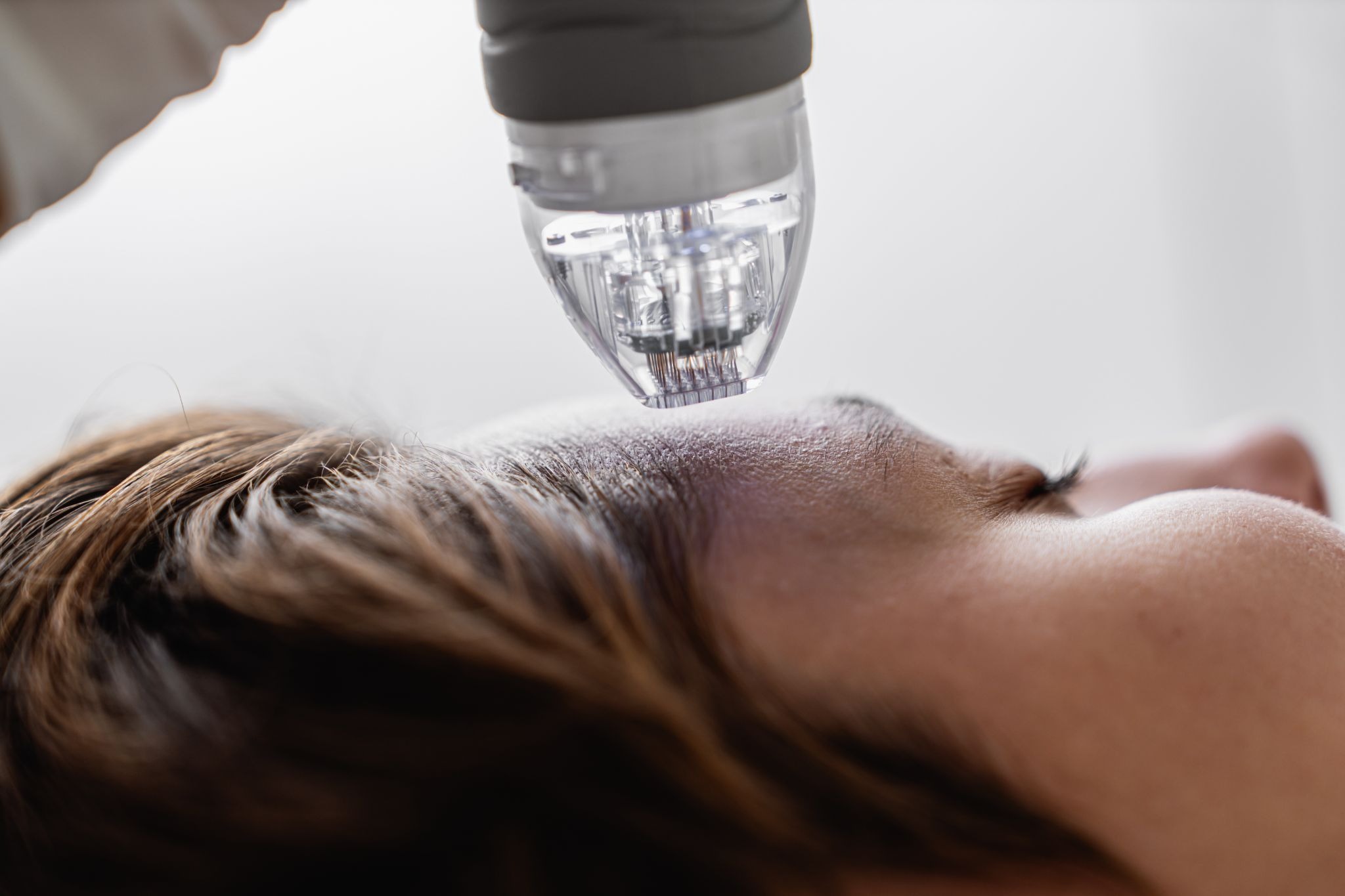
Microneedling can refresh your skin, but the treatment is only part of the journey. The days that follow create the conditions your skin needs to repair itself and reveal gradual improvements. Simple choices, from cleansing to sun protection, can affect both your comfort and your final results. Understanding what your skin experiences after treatment helps you recover with confidence while avoiding common mistakes that may slow the healing process.
Microneedling works by creating controlled micro-injuries that encourage the skin to repair itself naturally. That repair process begins immediately after your appointment and continues beneath the surface for several weeks. Knowing what happens during healing makes it easier to support your skin while it rebuilds.
During treatment, fine needles create tiny channels in the skin that activate its natural healing response. Your body responds by increasing blood flow and stimulating collagen and elastin production, which gradually improve skin texture and firmness. Although the skin starts repairing itself right away, noticeable improvements appear over time rather than overnight. Mild redness, warmth, and sensitivity are common because the skin is actively healing. These reactions usually improve within a few days as the surface begins to recover. Deeper collagen remodeling continues well after visible redness disappears.
Many people focus on the procedure itself and underestimate the recovery period. Freshly treated skin remains more sensitive to irritation, bacteria, and sunlight while its protective barrier rebuilds. Gentle aftercare allows that barrier to recover without unnecessary stress. Harsh products or poor habits may delay healing and increase discomfort. Consistent care also helps preserve the benefits of collagen stimulation. Looking after your skin during recovery gives your treatment the best opportunity to deliver lasting improvements.
Healing follows a predictable pattern for most people, although every person's skin responds differently. Knowing the typical recovery timeline helps you understand what feels normal and what deserves professional attention. Patience during each stage supports a smoother recovery and more satisfying results.
Your skin will likely appear pink or red immediately after treatment, much like a mild sunburn. Slight swelling, warmth, and tightness are also common during the first day. Avoid touching your face unless your hands are freshly washed. Skip makeup, strenuous exercise, and unnecessary sun exposure while the skin remains especially sensitive. Focus on gentle hydration and follow the aftercare instructions provided by your treatment professional. Giving your skin a quiet environment helps natural healing begin without interruption.
Redness often begins to fade while dryness and tightness become more noticeable. Light flaking may develop as older surface cells naturally shed. Resist the temptation to scrub or peel loose skin because this can interrupt recovery. Continue using gentle skincare products that support hydration without irritating the skin. Most people begin feeling more comfortable during this stage as the skin barrier strengthens. Visible improvements remain subtle because deeper healing continues beneath the surface.
Many people notice smoother skin as peeling gradually comes to an end. Surface sensitivity usually decreases, although the skin may still feel slightly delicate. Continue protecting your face from excessive sunlight and avoid rushing back to strong skincare products. Your provider may recommend slowly reintroducing active ingredients once your skin has recovered. Healthy habits during this stage continue supporting collagen production beneath the surface. Even though your skin looks better, deeper repair continues for several more weeks.

The hours and days after treatment shape how your skin responds in the weeks ahead. A few thoughtful adjustments can reduce irritation while giving your skin the time it needs to recover naturally. Understanding the most important aftercare practices makes it easier to avoid setbacks and get the most from every microneedling session.
Freshly treated skin needs simple, gentle care instead of an elaborate skincare routine. Cleansing and moisturizing help protect the skin barrier while reducing dryness and irritation. Choosing the right products during recovery gives your skin the support it needs without adding unnecessary stress.
Wait until your provider recommends cleansing your face after treatment, which is often several hours later. Once you can wash your skin, use a mild, fragrance-free cleanser with lukewarm water. Avoid hot water because it may increase redness and sensitivity. Massage the cleanser lightly using clean fingertips instead of a washcloth or cleansing brush. Rinse thoroughly and pat your face dry with a soft, clean towel. Gentle cleansing removes impurities without disturbing the healing process.
Healing skin often feels tight because it loses moisture more easily after microneedling. Apply a gentle moisturizer whenever your skin begins to feel dry or uncomfortable. Products containing ceramides and hyaluronic acid can help restore moisture while supporting the skin barrier. Avoid heavily scented creams and products containing exfoliating acids during this stage. Drinking enough water also supports your body's natural recovery, although it should not replace a good moisturizer. Hydrated skin generally feels more comfortable throughout the healing process.
General aftercare recommendations work well for many people, but every treatment is different. Needle depth, treatment intensity, and individual skin concerns all influence the recovery process. Your skincare professional understands how your treatment was performed and can provide advice that matches your specific needs. Follow those instructions even if they differ slightly from general online recommendations. Contact your provider if you notice unusual symptoms or have questions during recovery. Personalized guidance helps reduce uncertainty while supporting better long-term results.
Healing skin remains more sensitive to environmental stress than usual. Sun exposure, heat, and bacteria can interfere with recovery if you return to normal activities too quickly. A few temporary adjustments help protect your skin while collagen production continues beneath the surface.
Freshly treated skin reacts more easily to ultraviolet rays because its protective barrier is still rebuilding. Stay indoors during peak sunlight whenever possible, especially during the first few recovery days. If you need to go outside, wear a wide-brimmed hat and seek shaded areas whenever available. Physical protection often provides the best defense while your skin remains sensitive. These simple precautions reduce unnecessary irritation during healing. Consistent sun protection also helps preserve your treatment results over time.
Ask your provider when it is appropriate to begin wearing sunscreen again after treatment. Once your skin is ready, choose a broad-spectrum sunscreen formulated for sensitive skin. Mineral sunscreens containing zinc oxide or titanium dioxide often feel gentler on healing skin than many chemical formulas. Apply sunscreen generously before spending time outdoors, even on cloudy days. Reapply according to the product directions if you remain outside for extended periods. Daily sun protection supports healthier skin long after recovery ends.

High temperatures can make freshly treated skin feel more irritated. Skip strenuous workouts, hot yoga, saunas, steam rooms, and hot tubs during the early stages of healing. Sweat and heat may increase redness while your skin remains sensitive. Wash with lukewarm water instead of taking hot showers during the first few days. Give your skin time to recover before returning to intense physical activity. Waiting a short time now can help you avoid unnecessary irritation later.
Some skincare ingredients that normally benefit your skin should remain on hold during recovery. Healing skin responds differently after microneedling, making strong products more likely to irritate. Giving your routine a temporary reset allows your skin barrier to recover without added stress.
Retinoids, glycolic acid, salicylic acid, and similar exfoliating ingredients should stay out of your routine until your provider recommends using them again. Applying these products too early may cause burning, excessive dryness, or prolonged redness. Give your skin enough time to rebuild before reintroducing stronger treatments. When you begin using active ingredients again, add one product at a time instead of several together. This gradual approach helps you identify any irritation before it becomes a larger problem. Slow changes usually produce better long-term results.
It is tempting to cover redness immediately after treatment, but freshly treated skin benefits from a short break. Most providers recommend avoiding makeup for at least the first twenty-four hours. This waiting period allows the tiny treatment channels to close naturally while reducing exposure to bacteria. Once makeup becomes appropriate, use clean brushes, fresh products, and gentle application techniques. Remove cosmetics carefully without scrubbing the skin. Clean makeup tools regularly to help prevent unnecessary irritation.
Light peeling is a normal part of the healing process for many people. Resist pulling loose skin or using facial scrubs to speed things up. Premature exfoliation may damage healing skin and interfere with natural renewal. Allow dead skin to shed on its own while keeping the area comfortably moisturized. Gentle care often produces smoother results than aggressive exfoliation. Patience remains one of the most valuable parts of post-treatment recovery.
Healthy skin responds to more than topical skincare products. Daily habits such as eating well, getting enough sleep, and staying hydrated also contribute to the healing process. Looking after your overall health gives your skin additional support while it repairs itself.
Your body needs nutrients to build new collagen and repair healthy tissue. Include lean protein, colorful fruits, vegetables, and healthy fats in your meals whenever possible. Foods rich in vitamin C help support collagen production, while zinc contributes to normal wound healing. Antioxidant-rich foods may also help protect skin from everyday environmental stress. A balanced diet supports recovery without replacing professional aftercare. Good nutrition benefits your skin long after the healing period ends.
Your body performs much of its repair work while you sleep. Getting enough rest gives your skin valuable time to recover after treatment. Try sleeping on your back if possible to reduce unnecessary pressure on your face. Using a clean pillowcase also helps minimize contact with bacteria and excess oil. Consistent sleep supports healthy skin as well as your overall well-being. Even small improvements in your sleep routine can benefit recovery.
Long-term skincare results depend on more than occasional professional treatments. Gentle cleansing, daily moisturizing, and consistent sun protection support healthy skin between appointments. Avoid smoking and limit excessive alcohol because both can affect normal skin function. Follow your recommended treatment schedule if multiple sessions are part of your skincare plan. Healthy routines help maintain your results while preparing your skin for future treatments. Consistency often delivers greater benefits than constantly changing products.
Questions often come up after a microneedling appointment, especially during the first few days of healing. Reliable answers can help you avoid common mistakes and feel more confident throughout recovery. Always contact your skincare provider if your symptoms seem unusual or continue getting worse.
Yes, but keep your shower short and avoid hot water during the first day or two. High temperatures may increase redness and make sensitive skin feel more uncomfortable. Wash gently without directing strong water pressure against your face. Skip heavily scented soaps if they come into contact with the treated area. Pat your skin dry instead of rubbing it with a towel. Gentle care helps your skin recover more comfortably.
Wait until your provider recommends bringing active ingredients back into your routine. Healing skin may react differently than it normally does after treatment. Starting too early can increase irritation and delay recovery. Reintroduce one active product at a time once your skin has recovered. Watch for signs of irritation before adding another product. A gradual approach helps protect your skin while maintaining your results.
Light daily activities are usually fine, but strenuous exercise should wait until your provider says your skin is ready. Heavy workouts increase body temperature and perspiration, which may irritate freshly treated skin. Giving your skin a short recovery period reduces unnecessary stress. Most people return to their normal fitness routine within a few days. The exact timing depends on how deeply the skin was treated. Following professional advice remains the safest approach.
Microneedling creates the opportunity for healthier-looking skin, but thoughtful aftercare helps those improvements develop over time. Gentle cleansing, consistent hydration, daily sun protection, healthy lifestyle habits, and patience all support the healing process while protecting your investment. Treat every recovery day as part of your skincare routine, and stay in touch with your provider whenever questions arise so your skin can continue moving toward its best possible results.
Your skin's recovery deserves thoughtful guidance at every stage. Visit the Naples Laser & Skin Aesthetics blog for trusted insights, practical skincare advice, and expert tips to help you get the most from every treatment.
%402x.svg)