.png)
.png)

Maintaining clear, healthy skin can feel difficult as concerns change over time. Fine lines, acne scars, and uneven tone can affect both appearance and confidence. Many people turn to microneedling because it supports natural skin repair without invasive methods. Results develop gradually, which makes the outcome look more refined and realistic. Knowing how microneedling results unfold helps you make informed choices and set practical expectations.
Microneedling results come from controlled skin stimulation that triggers collagen production. This process uses fine needles to create micro-injuries that activate natural healing. As the skin repairs itself, it becomes firmer and smoother over time. These microneedling results appear gradually because collagen forms beneath the surface.
Collagen supports skin strength and elasticity, which directly affects overall appearance. Controlled micro-injuries signal the body to increase collagen and elastin production. This response gradually improves firmness and softens visible lines. The repair process strengthens the skin barrier and refines texture. Changes may appear subtle at first but become clearer with repeated sessions. Based on recent clinic data, consistent treatments lead to more refined and lasting improvements.
This treatment improves several common skin concerns through steady regeneration. Acne scars respond as new collagen smooths uneven areas. Fine lines soften as the skin rebuilds lost structure. Uneven tone and mild pigmentation fade with consistent sessions. Enlarged pores appear smaller as firmness improves over time. These changes develop gradually, creating a balanced and natural appearance.
Immediate microneedling results appear right after treatment as the skin begins healing. This stage includes visible redness and mild swelling that signal active repair. These reactions may seem intense, but they usually fade within a short period. Understanding this timeline helps reduce concern and supports better aftercare decisions.
Immediately after treatment, the skin often appears red and slightly sensitive. This reaction resembles a mild sunburn and may feel warm or tight. Small pinpoint marks can form where the needles entered the surface. These marks usually fade within one to two days as healing begins. This stage reflects the body’s natural repair response. Most people notice visible calming within the first day.
During the first few days, the skin begins to recover and stabilize. Redness fades gradually while sensitivity decreases over time. Some individuals notice dryness or light peeling as new skin forms. Gentle skincare helps support healing and reduces the risk of irritation. Harsh products and sun exposure can interfere with recovery. Proper care during this phase supports smoother and more even results.
Proper aftercare plays a direct role in how well the skin heals. Gentle cleansing helps maintain balance without irritating. Hydration supports repair and keeps the skin comfortable. This step also involves avoiding strong active ingredients during recovery. Sunscreen protects healing skin from damage and discoloration. Following professional advice helps maintain steady and visible improvements.
Early microneedling results appear within the first few weeks as healing progresses. These changes often include smoother texture and a brighter appearance. Improvements may feel subtle but indicate active collagen production. Patience during this stage helps you appreciate gradual progress.
Within the first weeks, the skin often feels smoother and more even. New cell turnover helps refine rough areas and improve surface texture. This change also enhances how light reflects off the skin. Pores may appear smaller as firmness increases. These improvements build gradually with each session. Many people notice a natural glow rather than a dramatic shift.
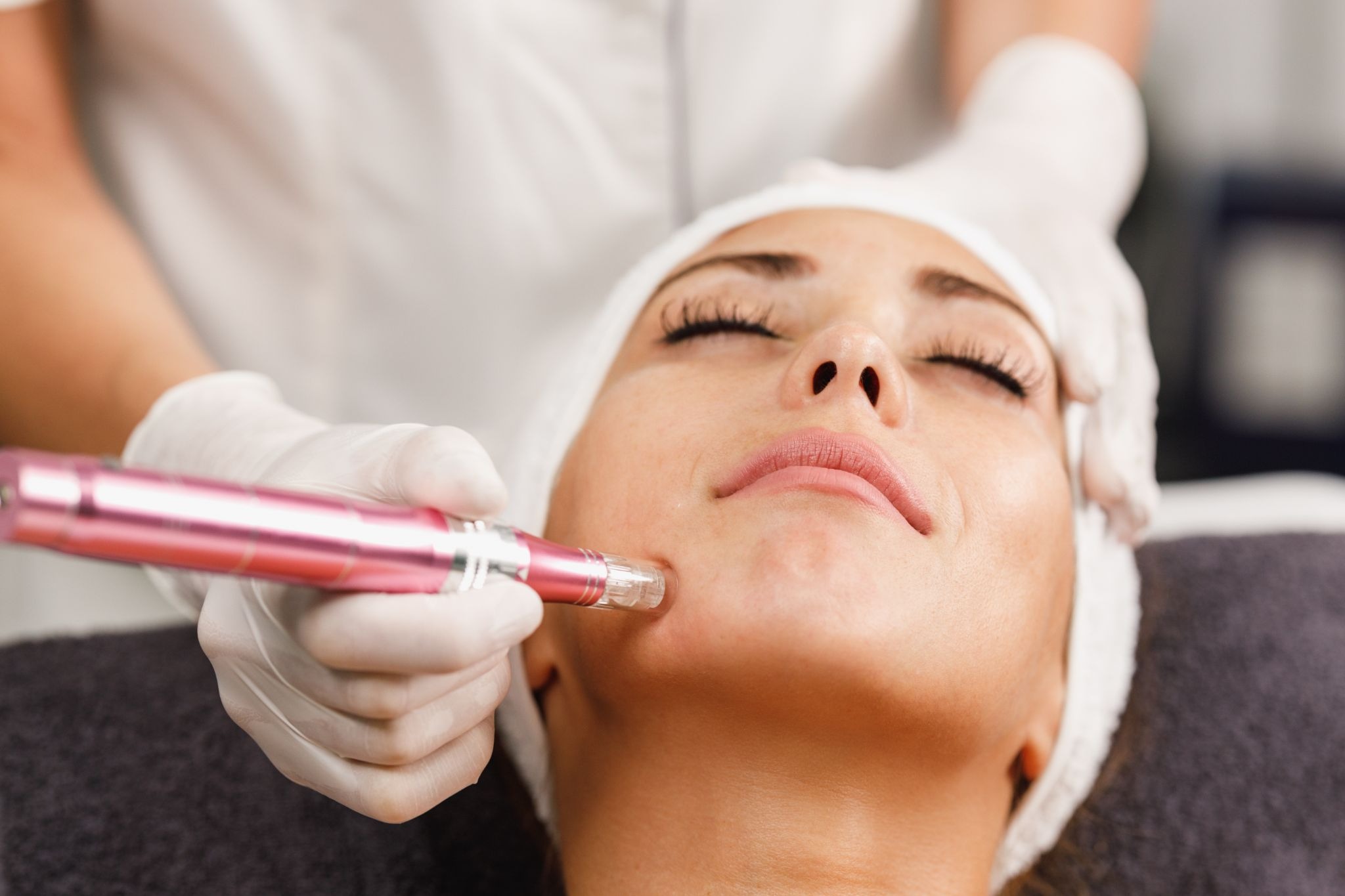
Collagen production continues beneath the surface after each session. This process takes time because the body builds structure gradually. Fine lines begin to soften as support within the skin increases. Acne scars may slowly flatten with consistent treatments. This steady progress highlights the importance of patience. Regular sessions help maintain continuous improvement.
Microneedling results improve when treatments align with the skin's natural renewal cycle. This cycle refers to how the skin replaces old cells with new ones over time. These biological processes influence how collagen develops after each session. Proper timing allows the skin to recover fully before the next treatment.
Skin renewal refers to the shedding of old cells and the replacement of new ones. This cycle typically takes 28 to 40 days, depending on age. It slows over time, which affects healing and collagen production. Collagen continues forming beneath the surface during this period. This process requires time to improve structure and texture. Respecting this cycle supports steady and visible results.
Proper spacing allows the skin to complete each healing phase. Scheduling sessions too close together may interrupt collagen formation. This overlap can lead to irritation instead of improvement. Most skincare providers recommend several weeks between treatments. Consistent timing supports better skin recovery. Well-planned intervals lead to more reliable outcomes.
Treatment timing should reflect individual skin needs and response. Younger skin may recover faster and tolerate shorter intervals. Mature skin often requires more time between sessions. This adjustment helps prevent overstimulation and supports healing. Providers monitor progress and adjust timing accordingly. Personalized scheduling leads to more refined results.
Long-term microneedling results reflect bigger structural changes in the skin. These improvements become more visible over time, with multiple sessions. These results often include firmer skin and more even tone. A consistent treatment plan helps maintain these outcomes.
Noticeable improvements appear after completing multiple sessions. Fine lines reduce as collagen strengthens weakened areas. Acne scars become less visible as the skin regenerates evenly. This improvement also enhances clarity and smoothness. Firmer skin creates a refreshed and balanced look. These changes develop gradually for a more natural result.
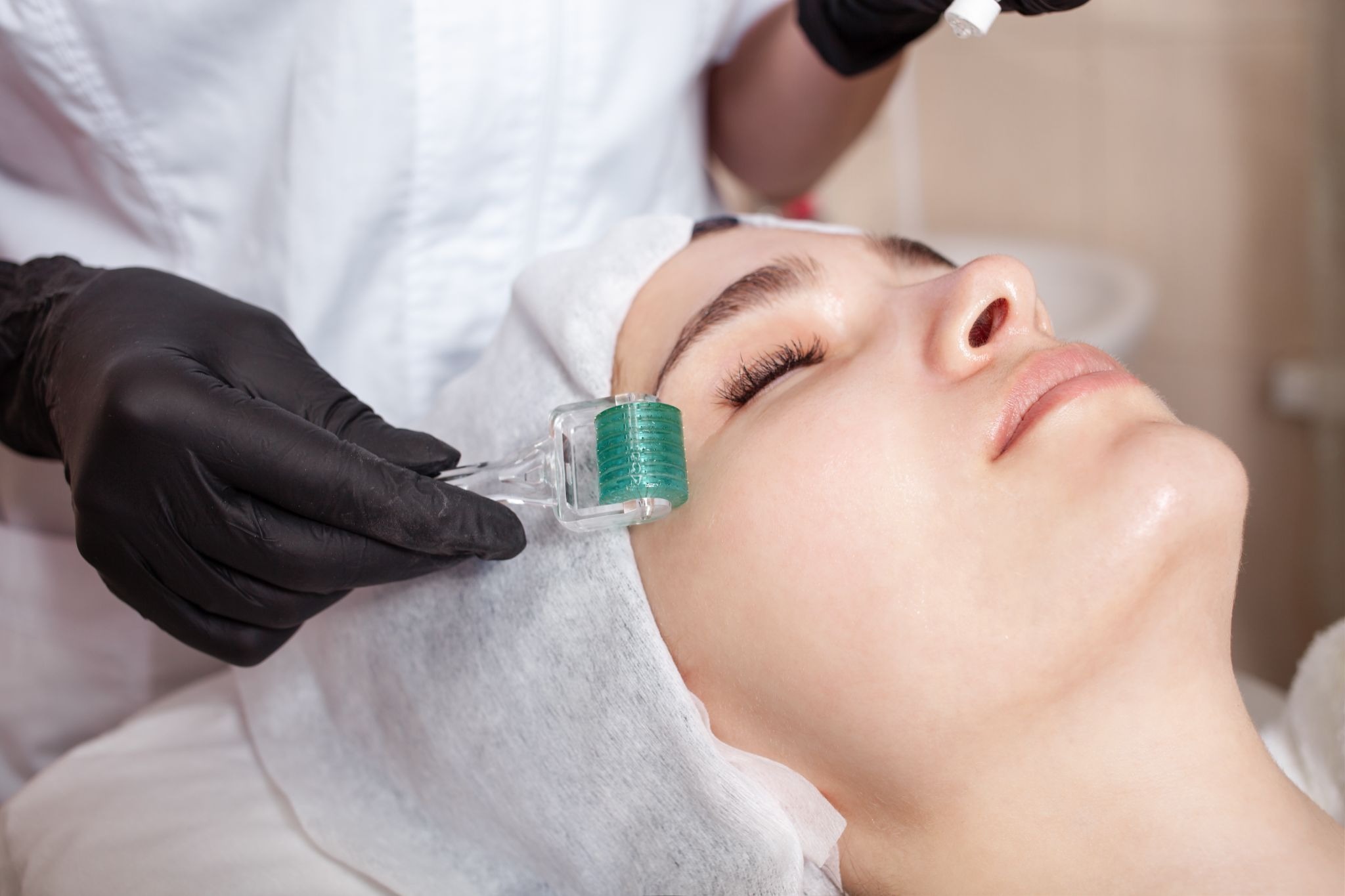
The number of sessions varies based on individual skin concerns. Mild issues may improve after a few treatments spaced weeks apart. Deeper scars or wrinkles often require additional sessions for better outcomes. This plan depends on skin condition and treatment goals. Professionals adjust depth and frequency for optimal results. Consistency supports steady progress and improved outcomes.
Ongoing care helps preserve improvements achieved through treatment. Collagen production slows over time, which affects long-term results. Maintenance sessions are often scheduled every few months. This routine supports continued skin renewal and firmness. Skincare habits also influence how long results last. Consistent care keeps the skin looking balanced and refined.
Microneedling results vary because several factors influence how the skin responds. These factors include skin type, treatment quality, and daily habits. These variables shape both the speed and extent of visible improvements. Understanding them helps set realistic expectations.
Individual skin characteristics influence how the skin responds to treatment. Younger skin may recover faster due to higher collagen levels. Severe scars often take longer to improve than mild concerns. This variation affects how quickly results become visible. Sensitive skin may require gentler treatment settings. Personalized plans often lead to better outcomes.
Treatment quality depends on the provider’s experience and approach. Proper technique controls depth, pressure, and consistency. High-quality devices create even micro-injuries that support healing. This method reduces the risk of irritation or uneven texture. Skilled aestheticians adjust treatments based on skin response. Experience often leads to more reliable and balanced results.
Daily habits can support or limit the skin’s ability to heal. Hydration helps maintain balance and supports repair processes. A nutrient-rich diet contributes to collagen production and skin health. This routine also includes sun protection to prevent damage. Smoking and stress may slow healing and reduce effectiveness. Consistent skincare helps maintain visible improvements.
Microneedling results depend heavily on needle depth and device precision during treatment. These technical factors determine how deeply the skin responds to stimulation. These differences influence collagen production and overall treatment effectiveness. Understanding these elements helps explain why results vary between providers.
Treatment depth determines how the skin responds during each session. Shallow settings focus on surface concerns, such as fine lines and texture. Deeper penetration targets acne scars and more pronounced wrinkles. This adjustment allows providers to match treatment to specific needs. Incorrect depth may limit results or irritate. Skilled professionals balance safety with effectiveness through careful control.
Device choice influences precision and overall treatment consistency. Dermapens use vertical motion to create controlled micro-injuries. Dermarollers use a rolling action that may create angled punctures. This difference affects how evenly the skin responds. Dermapens often allow better control in delicate areas. Device selection plays a direct role in the quality of outcomes.
Technique affects how evenly and safely the skin is treated. Providers adjust pressure, speed, and coverage during each session. This method helps avoid overlapping areas and uneven results. Poor technique may lead to irritation or slower healing. Experienced practitioners refine their approach based on skin response. Attention to detail supports more predictable outcomes.
Microneedling results improve skin gradually rather than instantly. These expectations help prevent disappointment and confusion. These outcomes depend on consistency and individual response. A clear understanding supports better treatment decisions.
This treatment improves texture, tone, and mild scarring over time. Fine lines soften as collagen rebuilds the skin’s structure. It also enhances clarity and smoothness across treated areas. Results appear natural because they develop gradually. Multiple sessions provide more noticeable improvements than a single treatment. Consistency remains key to achieving visible changes.
Many people expect immediate changes after one session. This expectation does not align with how collagen production works. Social media often presents unrealistic timelines and outcomes. Real improvements develop gradually through repeated treatments. Understanding this process helps set accurate expectations. Clear information supports better treatment decisions.
Microneedling results reflect the choices you make before, during, and after each session. Consistency, proper technique, and informed decisions shape how your skin improves over time. This process rewards patience and attention to detail, especially when guided by a skilled provider. Small adjustments in care and timing can lead to more refined and lasting outcomes. Commit to a thoughtful approach and give your skin the conditions it needs to improve with purpose.
Better skin starts with the right information. Visit the Naples Laser & Skin Aesthetics blog for expert guidance on microneedling results.
%402x.svg)