.png)
.png)

Lip fillers have become a common option for people seeking fuller, more balanced lips. Many people feel unsure about pricing because costs vary across clinics and providers. Confusion often comes from unclear details about what the treatment includes. Reliable information helps people avoid rushed decisions and unexpected expenses. A clear look at lip filler prices can make planning feel more grounded and manageable.
Lip filler pricing reflects more than just the product placed into the lips. Aesthetic clinics consider several elements when setting their fees for each treatment. Patients often see different price points even within the same city or area. Knowing what drives these variations helps avoid confusion and supports smarter decisions.
Lip fillers are injectable gels that add volume, shape, and hydration to the lips. Most providers use hyaluronic acid, which is naturally produced by the body. This substance attracts water, helping create a smooth, soft appearance. The injector places the filler beneath the skin using a fine needle or cannula. Results appear quickly, often within hours after treatment. This outcome gradually fades as the body absorbs the filler over several months.
Lip filler prices vary because clinics base costs on multiple service-related factors. Injector experience often raises prices due to skill and consistency in results. Additionally, clinic standards, including safety protocols and equipment, affect pricing levels. This variation also reflects differences in patient care and consultation time. Some clinics provide more detailed assessments, which add value to the service. This approach explains why no single price applies across all providers.
Filler types directly influence lip filler prices, as they differ in formulation and longevity. Some fillers last longer, which increases their cost per syringe. Others focus on flexibility and softness for subtle enhancements. This selection depends on the patient’s desired outcome and facial structure. Clinics often explain product options during consultations to guide decisions. This process helps patients understand how product choice affects overall pricing.
Average lip filler prices typically fall within a set range based on recent clinic data. Most patients pay per syringe, which serves as the standard pricing method. This cost structure helps patients compare clinics more easily. This general range provides a realistic starting point for budgeting.
Lip filler prices usually range from $500 to $1,000 per syringe in many clinics. Some high-end providers charge more due to advanced expertise and premium services. This cost depends on how much filler the patient needs for their goals. Many first-time patients start with one syringe for a natural look. Others may require more volume for noticeable enhancement. This decision often comes from a consultation with the injector.
Brand differences influence lip filler prices because each product offers unique benefits. Some well-known brands cost more due to consistent results and safety records. This pricing reflects years of clinical testing and patient satisfaction. Clinics may offer several brands to match different preferences and budgets. Patients often choose based on texture, longevity, and desired finish. This choice directly affects the total treatment cost.
Location affects lip filler prices because operating costs vary between areas. Urban clinics often charge more due to higher rent and demand. This pricing difference also reflects staffing and facility expenses. Smaller areas may offer lower prices, but options can be limited. Patients sometimes travel to find experienced injectors at reasonable rates. This decision requires balancing cost with quality and safety.
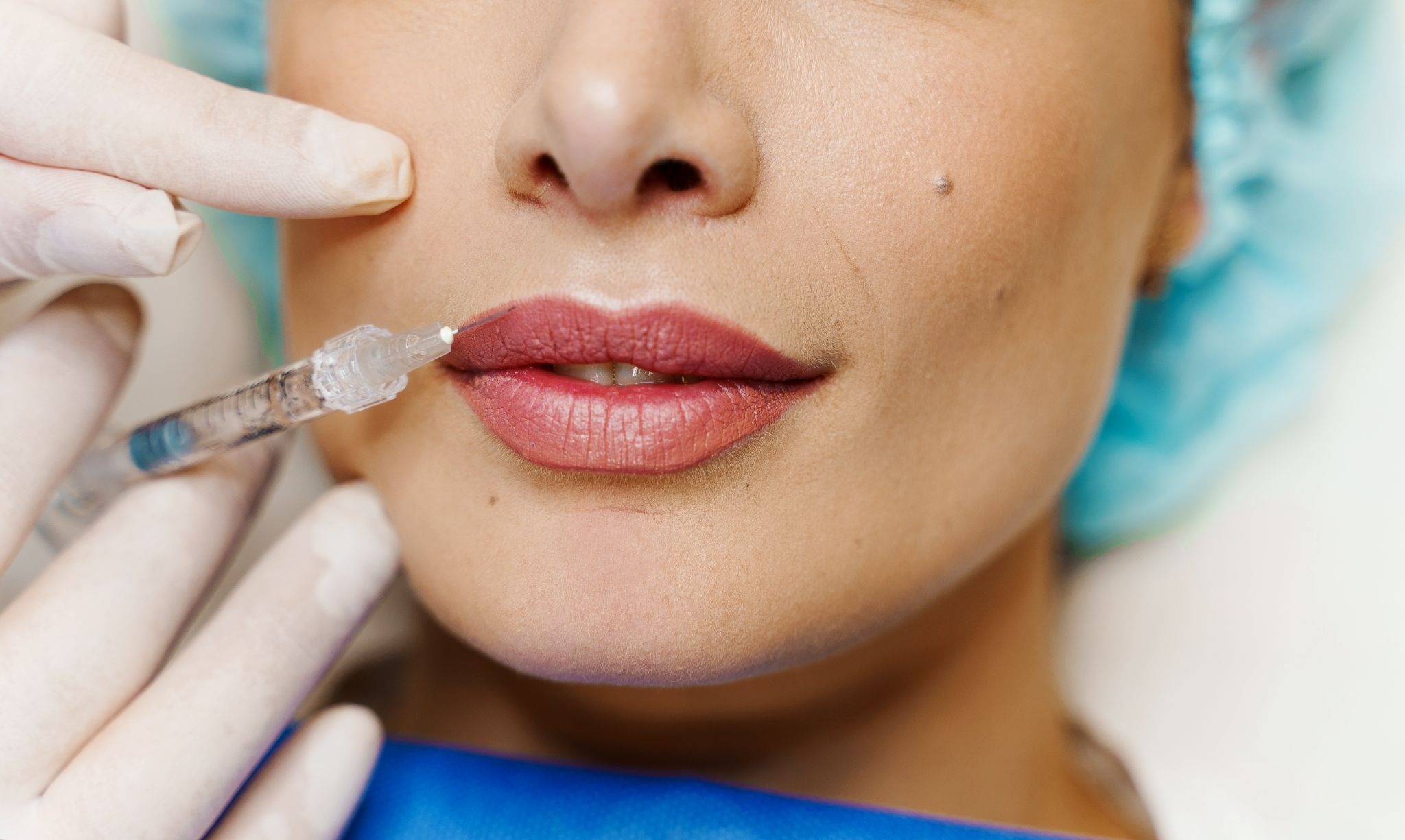
Lip filler prices depend on several service-related factors beyond the product itself. Clinics consider expertise, environment, and customization when setting rates. This pricing reflects the overall treatment experience, not just the injection. This understanding helps patients recognize fair and realistic costs.
Injector experience strongly affects lip filler prices because skilled injectors achieve better treatment outcomes. Experienced professionals charge higher fees due to training and proven results. This expertise reduces risks like uneven placement or complications. Patients often prefer skilled injectors for natural-looking results. This preference supports higher pricing in reputable clinics. This investment often leads to better satisfaction over time.
Clinic quality influences lip filler prices through safety and service standards. High-quality clinics maintain strict hygiene and use advanced tools. This setup requires ongoing investment in staff training and equipment. Patients benefit from a cleaner and more professional environment. This experience often feels more comfortable and reassuring. This factor contributes to higher pricing but improves overall care.
The amount of filler needed directly impacts lip filler prices for each patient. Subtle changes require less product, while fuller lips need more volume. This requirement depends on natural lip shape and personal goals. Some patients build volume gradually across multiple sessions. Others prefer immediate results with larger amounts. This choice influences how costs add up over time.
Hidden costs are additional expenses beyond the base treatment fee. Patients may overlook these costs during initial consultations. This oversight can lead to unexpected financial strain later. Awareness helps patients plan more effectively.
Consultation fees may apply before treatment begins at some clinics. This fee covers assessment, planning, and personalized recommendations. Some clinics include it in the final treatment cost. Follow-up visits may also carry additional charges depending on the provider. This step allows adjustments or evaluation of results. This clarity helps patients understand the full financial picture.
Maintenance costs arise because lip fillers gradually dissolve. Most results last between six and twelve months, depending on the product. This timeline means patients need repeat treatments to maintain volume. Some prefer smaller, frequent touch-ups for consistency. Others wait longer between sessions based on personal preference. This pattern affects long-term spending.
Correction costs occur when patients need adjustments after their initial treatment. This situation may involve dissolving filler or refining uneven areas. Clinics may charge additional fees for these services. This risk decreases when patients choose experienced injectors. However, understanding possible costs remains important. This knowledge helps patients prepare for any outcome.
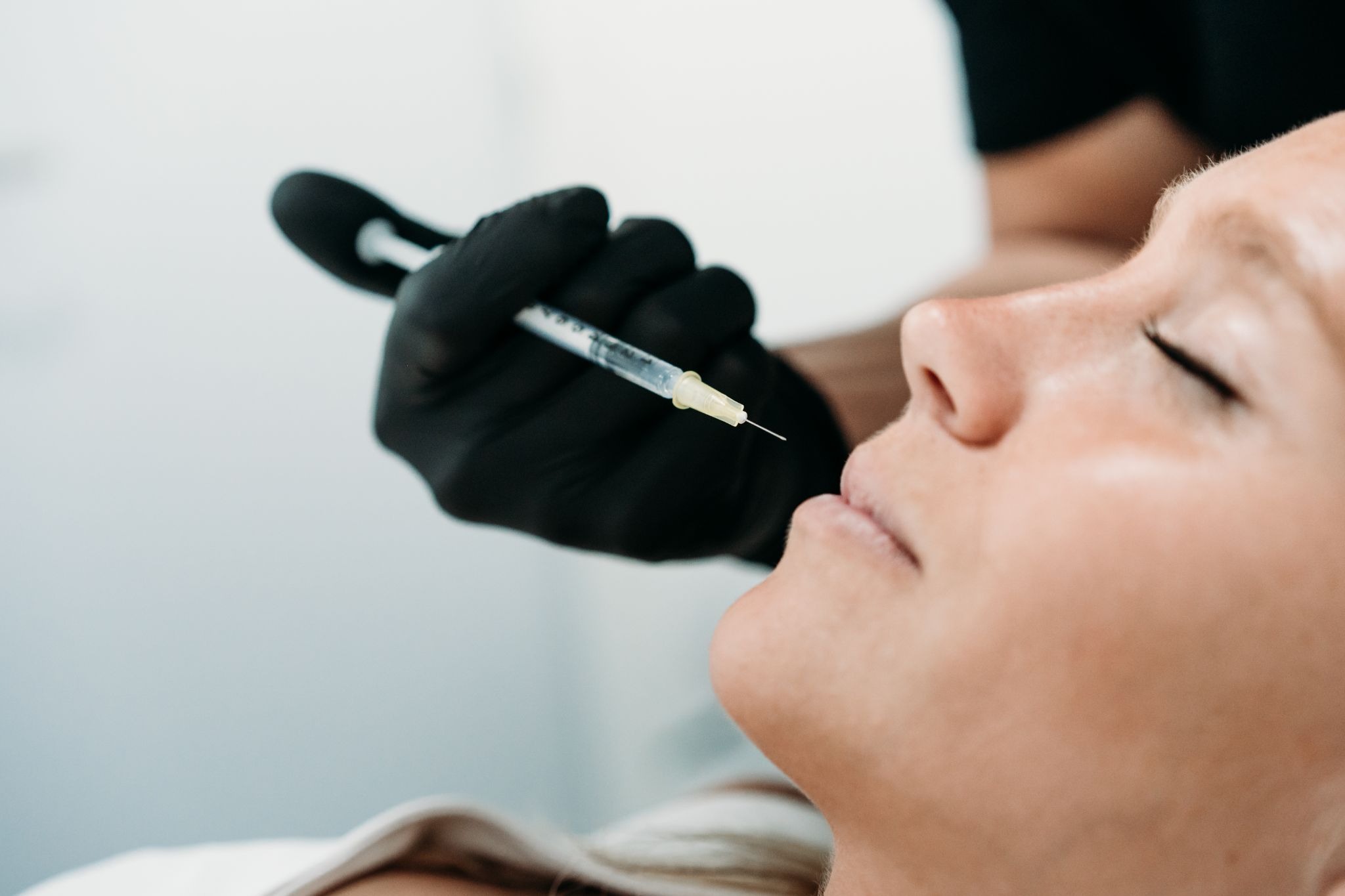
Cheap and premium lip filler prices reflect differences in quality, safety, and service. Lower-cost options may seem appealing but can involve trade-offs. This comparison helps patients weigh risks against potential benefits. This awareness supports more informed decisions.
Low-cost lip filler prices may indicate reduced product quality or limited injector experience. Some providers cut costs by using less reliable materials. This practice increases the risk of uneven or unnatural results. Patients may require corrective treatments later, which adds to expenses. This outcome can reduce the initial savings. This risk makes careful research essential.
Higher lip filler prices often include premium products and experienced injectors. Patients usually receive more detailed consultations and aftercare support. This service improves both comfort and overall results. Clinics also invest in better equipment and safety measures. This environment enhances the treatment experience. This value explains the higher cost.
Balancing price and quality requires evaluating both cost and provider reputation. Patients should review before-and-after photos and client feedback. This research offers insight into expected results. Asking clear questions during consultations builds trust. This process helps identify fair pricing. This balance leads to better long-term satisfaction.
Planning lip filler prices involves preparing for both initial and ongoing expenses. Patients benefit from a structured approach to managing costs. This preparation reduces financial stress during treatment. This strategy supports more confident decision-making.
Payment plans help patients manage lip filler costs by spreading the cost over time. Many clinics offer financing with monthly installments. This option makes treatments more accessible for different budgets. Patients should review terms carefully before agreeing. This step prevents unexpected financial obligations. This approach works well for long-term treatment plans.
Promotions can lower lip filler prices through seasonal offers or loyalty programs. Clinics sometimes provide discounts for repeat clients or package deals. This opportunity helps reduce overall treatment costs. Patients should ask about available offers during consultations. This inquiry can reveal valuable savings. This option encourages consistent care with trusted providers.
Fair lip filler prices reflect a balance between product quality, injector skill, and clinic standards. The right clinic will present clear pricing, realistic outcomes, and honest recommendations without pressure. This transparency helps you avoid unnecessary risks and focus on results that match your expectations. Booking a consultation with a trusted provider can help you find pricing that aligns with both your budget and desired look.
Visit the Naples Laser & Skin Aesthetics blog for honest guidance on lip filler prices and make informed choices today.
%402x.svg)