.png)
.png)
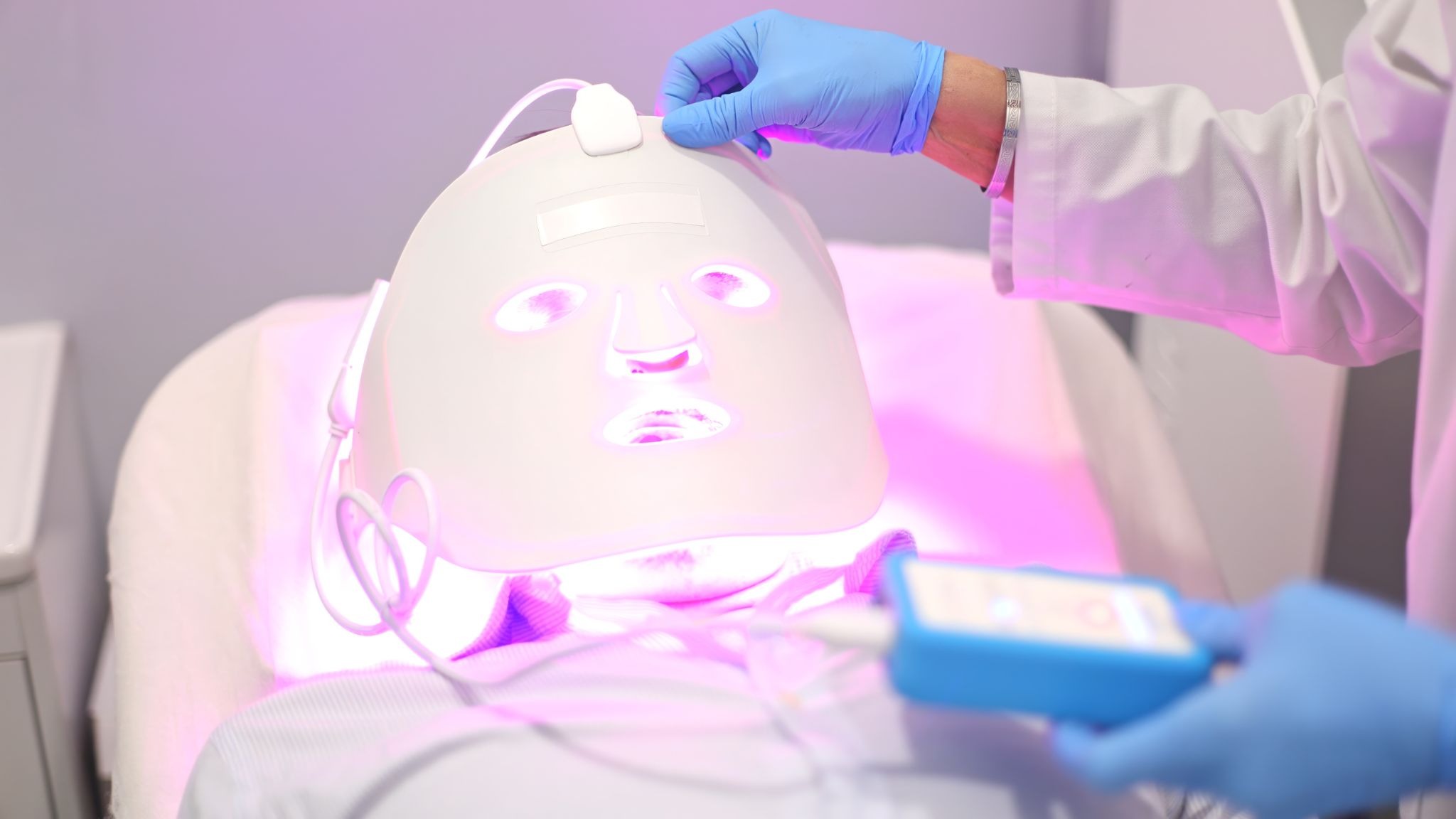
Healthy skin often reflects daily habits, environmental exposure, and consistent care. Many people now seek non-invasive treatments that fit busy lifestyles without lengthy recovery periods. Light-based skincare has gained attention because it supports different skin concerns with minimal discomfort. Many clinics and home devices now offer this technology, making it easier to include in regular skincare routines, and understanding how different wavelengths work helps people make informed choices before starting treatment.
LED light therapy uses specific light wavelengths to support natural skin processes without damaging the surface. Different colors target different concerns because each wavelength reaches varying skin depths. Treatment feels gentle and usually creates a warm, relaxing experience rather than discomfort. Knowing the basics helps people choose realistic goals and appropriate treatment plans.
Unlike laser treatments, LED devices do not rely on heat to remove or damage skin tissue. Instead, the light reaches targeted layers and encourages normal cellular activity over time. That approach makes sessions comfortable for most people with little interruption to daily routines. Many treatments finish within minutes and require no recovery afterward. Results usually develop gradually because healthy skin responds through repeated exposure instead of dramatic changes. Consistency often matters more than treatment intensity for long-term improvement.
Each color delivers a different wavelength that interacts with the skin in unique ways. Red light commonly supports collagen production and helps reduce the appearance of signs of aging. Blue light focuses on acne-causing bacteria that contribute to frequent breakouts. Near-infrared light reaches deeper layers and may encourage healing after certain procedures. Some devices combine several wavelengths during one session for broader skin support. Treatment selection depends on individual goals, not the brightest or strongest light.
Many people seek light therapy because it fits several skincare goals within one treatment approach. The technology supports gradual improvement instead of producing sudden cosmetic changes. Results often become more noticeable after several scheduled sessions. Realistic expectations help people appreciate steady progress instead of expecting overnight results.
Collagen naturally declines with age, causing skin to lose firmness and elasticity. Red wavelengths encourage natural collagen activity beneath the skin's surface over time. Improved collagen may soften fine lines while supporting smoother skin texture. Many users notice healthier-looking skin before dramatic wrinkle changes appear. Regular treatments combined with sunscreen often produce better long-term cosmetic results. Daily skincare habits still influence how well those improvements last.
Acne develops from several factors, including bacteria, oil production, and inflammation. Blue light targets acne-causing bacteria without harsh scrubbing or irritating ingredients. Reduced bacterial activity may help decrease active breakouts after consistent treatment sessions. Many providers combine light therapy with personalized skincare for better overall results. Severe acne may still require medical treatment alongside professional light sessions. A balanced skincare routine supports clearer skin between appointments.
Persistent redness often affects confidence and daily comfort. Certain light wavelengths help calm visible inflammation and support healthier-looking skin. People with sensitive complexions often appreciate the gentle treatment experience. Improvement usually appears gradually rather than after one appointment. Gentle cleansers and fragrance-free products often complement these treatments well. Professional guidance helps determine realistic expectations for chronic redness concerns.

Visible improvements attract many people, yet deeper skin support often matters just as much. Healthy cellular activity contributes to stronger skin over time through repeated treatments. Light-based care also pairs well with many established skincare routines and professional services. These combined advantages explain why many providers recommend scheduled sessions instead of occasional visits.
Minor skin irritation often improves as natural repair processes become more active. Certain wavelengths encourage healthy cellular communication during recovery. Many providers recommend treatment after select cosmetic procedures to support healing. Shorter recovery periods often help people return to normal activities sooner. Professional timing remains important because every procedure has different healing stages. Following aftercare instructions gives the skin the best opportunity to recover comfortably.
Uneven texture can make healthy skin appear dull or tired. Repeated light sessions support smoother-looking skin through gradual cellular renewal. Many people notice softer skin before major visual changes become obvious. Consistent hydration also helps maintain those improvements between appointments. Gentle exfoliation may complement treatment when recommended by a skincare professional. Healthy lifestyle habits contribute to lasting improvements throughout the year.
Many cosmetic procedures involve discomfort or extended recovery periods. Light therapy sessions usually feel calm, quiet, and comfortable from beginning to end. Most people relax while the device delivers the selected wavelengths. The treatment rarely interrupts work schedules or everyday responsibilities. That convenience encourages people to maintain recommended treatment schedules. Regular appointments often become another part of a balanced self-care routine.
Many people compare clinic treatments with at-home devices before deciding. Both options offer valuable benefits, yet they differ in strength, supervision, and expected results. Understanding those differences helps people invest in the solution that matches their goals. Careful research often prevents disappointment and unrealistic expectations.
Licensed skincare providers begin by evaluating skin concerns before recommending a treatment plan. Professional equipment generally produces stronger light output than consumer devices. Sessions remain comfortable while trained professionals adjust settings for individual needs. Providers also monitor skin responses throughout a treatment series. That guidance helps reduce unnecessary risks while supporting better long-term results. Follow-up visits allow adjustments as skin changes over time.
Home devices appeal to people who value convenience and flexible scheduling. Quality products should include safety testing and clear operating instructions. Using the device exactly as directed supports more consistent results. Lower-powered devices usually require more frequent treatments than professional equipment. Patience becomes important because gradual improvements often take several weeks. Reading independent reviews and consulting a skincare professional helps narrow reliable options.
Some people schedule professional treatments while maintaining results with home devices. This combined approach offers flexibility without replacing expert evaluations. Professional visits help address changing skin concerns throughout the year. Home maintenance sessions support ongoing progress between appointments. Product selection still matters because not every device delivers comparable performance. A personalized treatment schedule often produces the most satisfying long-term outcome.
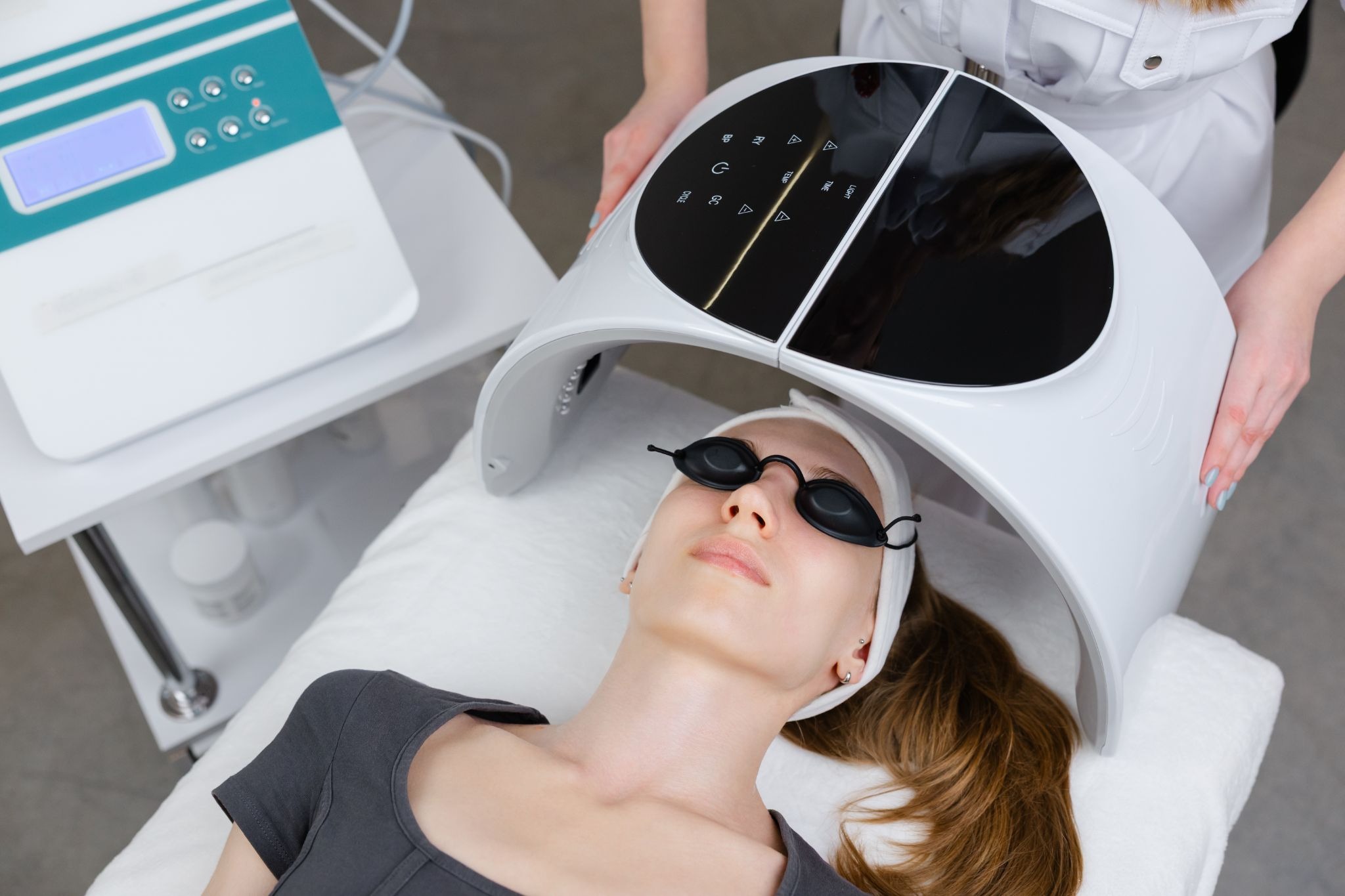
Visible changes develop gradually because healthy skin responds over time, not overnight. The treatment timeline varies based on skin concerns, treatment frequency, and individual skin health. Consistent sessions often produce steadier improvements than occasional treatments. Understanding the typical timeline helps set realistic expectations before starting care.
Some people notice healthier-looking skin after just a few treatment sessions. Early improvements often include a brighter complexion and smoother skin texture. Acne-related inflammation may also appear calmer with regular treatments. Fine lines and firmness usually require more time because collagen develops gradually. Most providers recommend several weeks of consistent sessions before evaluating noticeable changes. Taking progress photos under similar lighting helps reveal subtle improvements that are easy to overlook.
Healthy skin continues changing throughout life, so maintenance treatments often become part of ongoing care. Many people schedule periodic sessions after completing their initial treatment series. Daily skincare, sunscreen, and healthy lifestyle habits also support lasting results. Missing occasional appointments rarely reverses progress immediately, yet long gaps may reduce visible improvements over time. A personalized maintenance schedule depends on skin goals and the recommendations of a skincare professional. Long-term consistency often produces more satisfying outcomes than frequent treatment cycles followed by extended breaks.
Light-based skincare offers unique benefits, yet it is not the only option available. Every cosmetic treatment addresses different concerns through a different approach. Understanding those differences helps people choose treatments that match their expectations and skin goals. Professional guidance can determine when combining treatments may provide better results than relying on a single option.
LED light therapy supports natural skin activity without removing or heating skin tissue. Laser treatments use concentrated energy to target deeper concerns or remove damaged skin layers. Laser procedures often produce faster changes for certain conditions but usually involve longer recovery periods. Light therapy offers a gentler experience that fits regular skincare maintenance. Treatment selection depends on the condition being addressed, not on choosing the most intensive option. A skincare professional can explain which approach aligns with individual goals and skin health.
Chemical peels improve skin by removing damaged outer layers through carefully selected exfoliating solutions. LED treatments work differently because they stimulate natural skin processes without peeling the surface. Peels often improve discoloration and rough texture more quickly, while light therapy focuses on gradual skin support. Recovery time also differs because stronger peels may require several days of visible healing. Some providers combine both treatments within a customized skincare plan when appropriate. Proper scheduling helps maximize benefits while reducing unnecessary skin irritation.
Microneedling creates tiny, controlled skin injuries that encourage collagen production during healing. LED light therapy supports skin without puncturing or disrupting the surface. Microneedling may deliver faster improvements for acne scars and deeper wrinkles, although temporary redness commonly follows treatment. Light therapy provides a comfortable option for ongoing maintenance with little interruption to daily activities. Some skincare professionals recommend using both treatments at different stages of a treatment plan. Combining therapies should always follow professional guidance to support safe healing and consistent results.
Healthy skin responds best to regular care instead of occasional treatments. Light sessions work alongside daily skincare rather than replacing healthy habits. Small improvements often add up to noticeable changes after several weeks. A realistic schedule helps people stay committed without becoming discouraged.
Treatment frequency depends on individual goals and the device being used. Professional providers often recommend a series of sessions before maintenance visits begin. Home devices usually require more frequent use because they operate at lower power levels. Skipping several weeks may slow visible progress and delay expected improvements. Keeping a consistent routine makes it easier to evaluate changes over time. Recording photos every few weeks also helps track subtle improvements objectively.
Daily skincare supports the benefits of light therapy between appointments. Gentle cleansing removes dirt without disrupting the skin barrier. Moisturizers help maintain hydration and improve overall skin comfort. Sunscreen protects treated skin from unnecessary sun damage every day. Targeted skincare products may complement treatments when chosen carefully. Professional advice helps prevent combinations that could irritate sensitive skin.
Healthy skin reflects more than the products used on its surface. Balanced nutrition supplies nutrients that support normal skin function. Quality sleep gives the body time to repair and renew tissues. Managing everyday stress may also reduce flare-ups linked to certain skin concerns. Drinking enough water supports overall wellness, although hydration alone cannot solve every skin issue. Consistent healthy habits often strengthen the results of professional skincare treatments.
Clearer and healthier-looking skin often begins with informed decisions instead of quick promises. LED light therapy offers a gentle option for people seeking gradual improvements without lengthy recovery. Consistent treatments, realistic expectations, and professional guidance create a stronger foundation for lasting results. Taking the next step with a qualified skincare provider or a trusted home device can help you begin building a routine that supports healthier skin for years to come.
Your best skincare decisions start with reliable information. Visit the Naples Laser & Skin Aesthetics blog for expert insights, practical tips, and the latest treatment guidance.
%402x.svg)