.png)
.png)
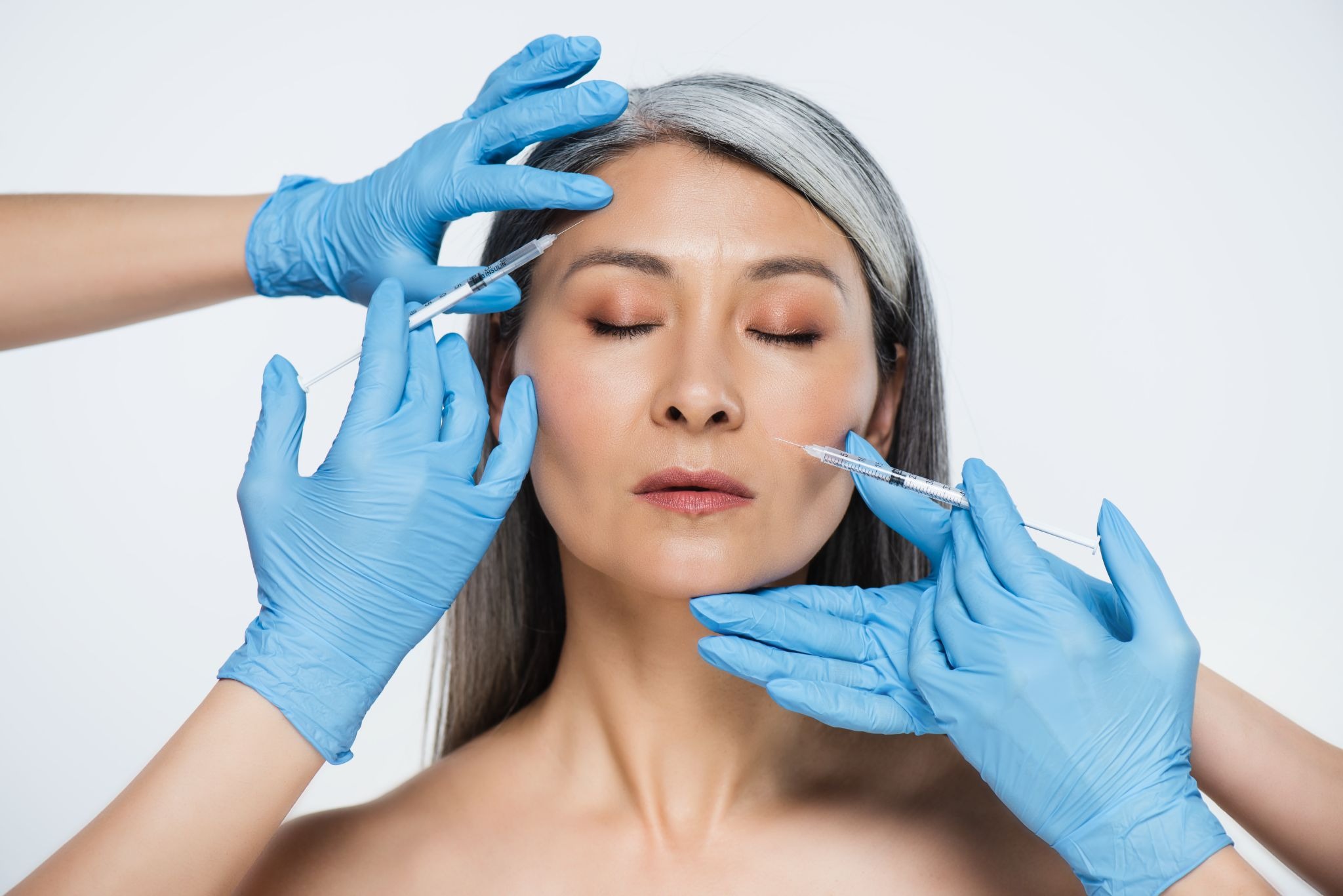
Many people want a refreshed appearance without surgery or lengthy recovery periods. Cosmetic injectables have become a popular option because they offer visible changes with minimal downtime. These treatments can address volume loss, soften facial lines, and improve facial balance. Understanding how dermal fillers work helps people make informed decisions about their appearance and overall confidence.
Modern aesthetic treatments offer several ways to improve facial appearance without surgery. Soft tissue fillers remain among the most requested cosmetic procedures today. These products add volume beneath the skin and help restore youthful facial contours. Results often appear quickly, making treatment attractive for many individuals.
Dermal fillers are gel-like substances injected beneath the skin. Providers use them to add volume, smooth wrinkles, and improve facial proportions. Different filler materials serve different cosmetic goals and treatment areas. Most modern products are designed to integrate naturally with facial tissues. Treatment sessions usually take less than an hour, depending on the areas being addressed.
Facial volume decreases naturally with age, causing changes in facial shape. Many people seek fillers to address these visible changes without surgery. Some patients want fuller lips, while others prefer smoother facial contours. The procedure offers noticeable improvements with little interruption to daily activities. This combination of convenience and visible results is driving demand.
Different filler materials produce different outcomes and treatment durations. Providers select products based on the patient's goals and facial anatomy. Understanding the available options helps patients discuss treatments more confidently. Product selection should always align with individual needs and expectations.
Hyaluronic acid fillers remain among the most commonly used cosmetic injectables. Hyaluronic acid naturally exists within the body and helps retain moisture. These fillers can enhance the lips, cheeks, and the area around the mouth. Results often look natural because the material integrates smoothly with tissues. Many patients appreciate that these fillers can be adjusted or dissolved if needed.
Calcium hydroxylapatite fillers contain microscopic particles suspended in a gel carrier. Providers often use them to treat deeper wrinkles and restore facial volume. The product offers structural support while encouraging collagen production. Results generally last longer than some hyaluronic acid options. Treatment plans depend on facial anatomy and desired improvements.
Poly-L-lactic acid works differently from traditional volume replacement products. It stimulates the body's natural collagen production over time. Improvements develop gradually rather than appearing immediately after treatment. Many patients choose this option for broader facial rejuvenation goals. Multiple treatment sessions may be recommended for optimal outcomes.
Polymethylmethacrylate fillers contain tiny biocompatible microspheres within a collagen-based gel. These fillers provide longer-lasting structural support beneath the skin. Providers typically reserve them for specific treatment goals and selected patients. Thorough consultation becomes especially important before choosing a longer-lasting filler. Proper placement significantly influences both safety and cosmetic results.
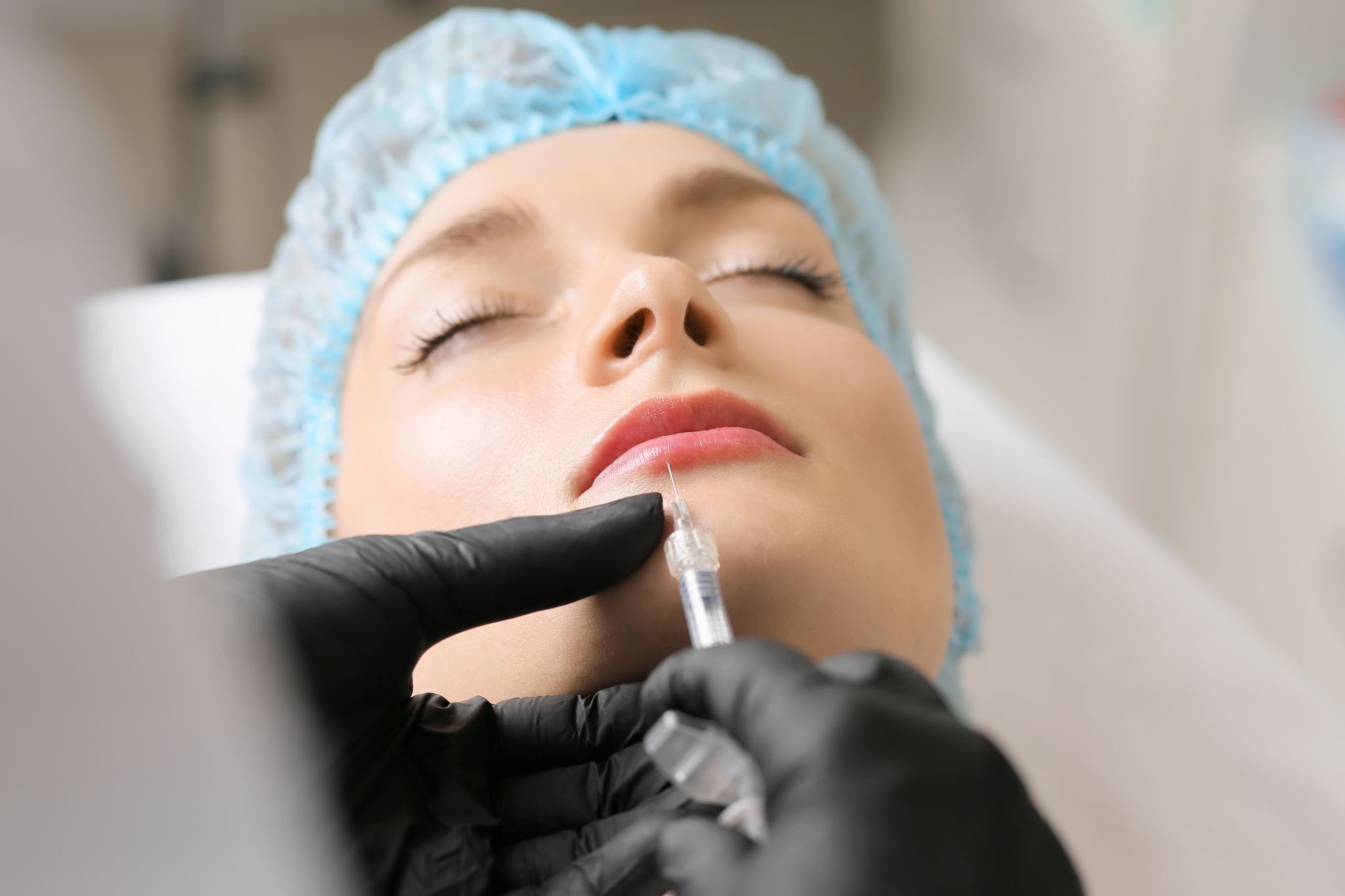
Injectable treatments can address several areas of the face. Each region requires a unique approach and product selection. Skilled providers consider facial harmony rather than focusing on isolated features. Balanced enhancements often create the most natural-looking outcomes.
Lip fillers can add volume, improve shape, and define lip borders. Some individuals want fuller lips, while others prefer subtle refinement. Treatment can also address asymmetry and age-related volume loss. Experienced injectors focus on maintaining natural movement and expression. Results vary depending on the filler used and treatment goals.
The cheeks influence overall facial structure and youthful appearance. Volume loss in this area often contributes to a tired appearance. Fillers can restore contour and provide subtle lifting effects. Strategic placement helps improve facial balance without creating an exaggerated look. Many patients notice improvements in the surrounding facial areas as well.
Lines extending from the nose to the mouth become more noticeable over time. Fillers can soften these folds by restoring support beneath the skin. Treatment often creates a smoother transition between facial regions. Providers frequently combine this approach with cheek enhancement for balanced results. A comprehensive assessment helps determine the most suitable strategy.
Facial fillers can improve jawline definition and chin projection. These treatments help create stronger facial proportions and improved balance. Some individuals seek a more sculpted appearance without surgery. Providers carefully evaluate facial structure before recommending treatment. Customized planning produces more natural and harmonious outcomes.
Many first-time patients feel more comfortable when they understand the process. Cosmetic filler appointments generally follow a structured treatment plan. The experience varies slightly depending on treatment areas and product selection. Clear communication helps patients feel informed throughout the procedure.
The consultation serves as the foundation for successful treatment. Providers review medical history, cosmetic goals, and facial anatomy. Photographs may be taken to assist treatment planning. Patients should discuss concerns, expectations, and previous cosmetic procedures. Honest communication helps establish realistic goals and appropriate treatment options.
Most treatments begin with cleansing and preparation of the treatment area. Some fillers contain anesthetic ingredients to improve comfort. Providers use needles or cannulas depending on the treatment approach. The injection process typically takes relatively little time. Patients often return to normal activities soon afterward.
Mild swelling and redness commonly occur after treatment. Some patients also experience temporary bruising at injection sites. These effects usually improve within several days. Providers often recommend avoiding strenuous activity immediately after treatment. Following aftercare instructions supports a smoother recovery experience.

The popularity of cosmetic fillers continues to grow for several reasons. Patients often appreciate their flexibility and convenience. Treatment plans can be tailored to individual goals and facial features. Results often support a refreshed appearance without the need for surgical intervention.
Many individuals prefer treatments that avoid surgery and lengthy recovery periods. Fillers offer a less invasive option for addressing cosmetic concerns. Most appointments fit easily into busy schedules. The absence of surgical incisions appeals to many patients. This convenience remains a major factor in the treatment's popularity.
Every face has unique proportions, strengths, and cosmetic concerns. Fillers allow providers to create personalized treatment plans. Small adjustments can produce noticeable yet natural-looking improvements. Patients can often build results gradually over multiple appointments. This flexibility supports individualized aesthetic outcomes.
Many filler treatments provide visible changes shortly after the procedure. Patients often appreciate seeing results without long wait times. Some products continue improving as swelling resolves. The combination of speed and convenience attracts a wide range of individuals. Regular maintenance helps preserve desired results over time.
Every cosmetic procedure involves some degree of risk. Understanding possible complications supports informed decision-making. Patients should prioritize safety alongside aesthetic goals. Qualified providers play a major role in reducing treatment risks.
Temporary swelling, redness, and bruising remain the most common reactions. Mild tenderness can also occur in treated areas. These effects usually resolve without additional intervention. Patients should receive clear aftercare instructions before leaving the clinic. Open communication helps address concerns during recovery.
Facial anatomy contains complex networks of blood vessels and tissues. Proper training helps providers perform treatments safely and effectively. Experience also influences product selection and injection techniques. Choosing a qualified professional reduces the likelihood of complications. Researching credentials remains an important step before treatment.
Fillers can improve facial appearance, but they have limitations. Results vary according to anatomy, product type, and treatment goals. Unrealistic expectations often lead to dissatisfaction despite technically successful outcomes. Honest discussions during consultation help establish achievable objectives. A balanced perspective contributes to a more positive experience.
Many people research cosmetic injectables before scheduling a consultation. Common questions often focus on safety, longevity, and expected results. Clear answers help patients understand what treatment entails and what realistic outcomes are. These frequently asked questions address some of the most common concerns.
The longevity of dermal fillers depends on the product and treatment area. Many hyaluronic acid fillers last between six and eighteen months. Areas with greater facial movement may break down filler more quickly. Individual metabolism also affects how long results remain visible. Regular maintenance treatments can help preserve the desired appearance.
Most FDA-approved fillers have strong safety records when used correctly. Safety depends heavily on proper product selection and injection technique. Choosing a qualified provider reduces the likelihood of complications. Patients should always discuss their medical history during consultation. Following aftercare instructions also supports a smoother recovery process.
Most patients describe treatment as mildly uncomfortable rather than painful. Many filler products contain lidocaine to improve comfort during injections. Providers may also apply a topical numbing cream beforehand. Sensitivity varies depending on the treatment area and individual pain tolerance. Any discomfort usually subsides quickly after the procedure.
Dermal fillers and Botox® address different cosmetic concerns. Fillers restore volume beneath the skin and enhance facial contours. Botox® relaxes specific muscles that contribute to expression lines. Many patients combine both treatments for more comprehensive facial rejuvenation. A consultation can determine which approach best matches individual goals.
Many patients notice improvements immediately after treatment. Mild swelling may temporarily affect the appearance during the first few days. Results often become more refined as swelling decreases. Some collagen-stimulating fillers develop gradually over several weeks. The timeline depends on the product used and the treatment area.
Healthy adults seeking non-surgical facial enhancement often make suitable candidates. Many people choose fillers to address volume loss, facial folds, or lip definition. Good candidates should have realistic expectations about potential outcomes. A professional consultation helps determine if treatment aligns with personal goals. Individual recommendations depend on facial anatomy and medical history.
Some fillers can be dissolved if adjustments become necessary. Hyaluronic acid fillers respond to a special enzyme called hyaluronidase. This option provides flexibility when refining or reversing results. Not all filler types can be removed in the same way. Patients should discuss product options before beginning treatment.
Maintenance schedules vary according to the filler type and treatment area. Some patients return every six to twelve months for touch-ups. Others may enjoy results for longer periods before additional treatment is needed. Lifestyle factors and metabolism also influence longevity. A provider can recommend a maintenance plan based on individual needs.
Facial changes rarely happen overnight, yet they often become more noticeable over time. Injectable fillers offer a flexible option for addressing those concerns without committing to surgery. The right treatment plan focuses on enhancing existing features while maintaining natural facial expression. Speaking with a qualified provider today can help you understand your options and determine which approach aligns with your personal goals.
Every cosmetic decision starts with the right information. Explore the Naples Laser & Skin Aesthetics blog to discover expert perspectives on fillers, skincare, and personalized aesthetic treatments.
%402x.svg)