.png)
.png)
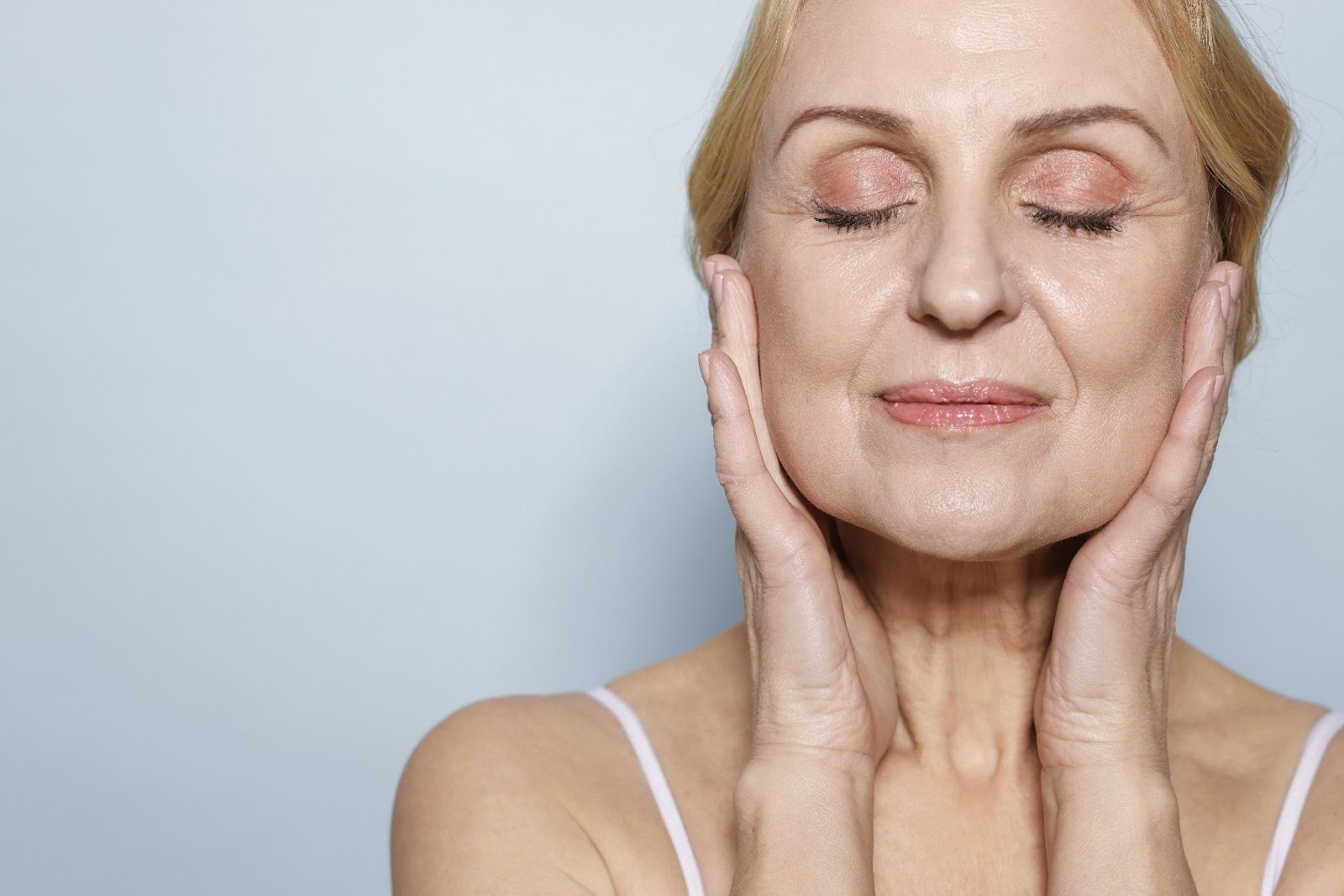
Skin often changes quietly over the years, then gradually feels less firm and resilient. Many people notice sagging after weight loss, aging, or long sun exposure. These changes may affect the face, arms, stomach, or other visible areas. As elasticity fades, people begin searching for practical ways to tighten loose skin. Reliable skin care knowledge helps individuals choose safe methods that improve firmness over time.
Loose skin develops when structural proteins weaken, and skin stretches beyond its natural capacity. Aging, weight fluctuations, and environmental exposure gradually affect the skin’s elasticity. Collagen and elastin fibers lose strength as the body produces fewer supportive proteins. Understanding these biological changes helps people select effective ways to tighten loose skin.
Natural aging reduces the production of collagen and elastin, which support firm skin. These proteins maintain skin strength, flexibility, and resistance to stretching. As production slows, skin gradually loses its tight structure and begins to sag. This natural process often becomes visible during middle age and later years. Additionally, thinning of the skin layers makes wrinkles and looseness more noticeable. Dermatology research and clinical observations consistently show this gradual decline.
Rapid weight loss often leaves stretched skin behind after fat disappears. Skin expands during weight gain and may struggle to contract afterward. Long periods of stretching weaken elastic fibers beneath the surface. This structural change frequently appears on the abdomen, arms, and thighs. Gradual weight reduction gives skin more time to adjust to body changes. Medical weight management clinics often recommend slower weight loss for this reason.
Sun exposure gradually weakens the fibers that keep skin firm. Ultraviolet radiation penetrates deep into the skin and damages collagen structures. Over time, this damage leads to sagging, wrinkles, and uneven skin texture. Pollution and environmental stress also affect skin health and resilience. This environmental impact accelerates visible aging in exposed areas such as the face and neck. Dermatology studies consistently link long-term UV exposure with reduced skin elasticity.
Skin tightening takes time because the body rebuilds collagen slowly. Collagen remodeling occurs through gradual biological cycles beneath the skin. Many treatments stimulate this rebuilding process rather than producing immediate tightening. Understanding the timeline helps people maintain realistic expectations while improving loose skin.
Collagen renewal follows a natural cycle that often lasts around ninety days. During this period, skin cells gradually rebuild structural proteins. This biological process strengthens the skin’s support network under the surface. Dermatology research frequently observes visible improvement after several collagen cycles. Additionally, new collagen fibers continue forming months after stimulation treatments. This gradual remodeling explains why patience often yields better skin-tightening results.
Skin tightening treatments stimulate collagen production rather than immediately tightening the skin. Devices such as radiofrequency and ultrasound trigger controlled heat in deeper layers. This stimulation signals the body to slowly rebuild structural proteins. New collagen then forms and reorganizes over several months. Dermatology clinics often observe the greatest improvement three to six months after treatment. This delayed improvement reflects natural tissue repair rather than a temporary cosmetic change.
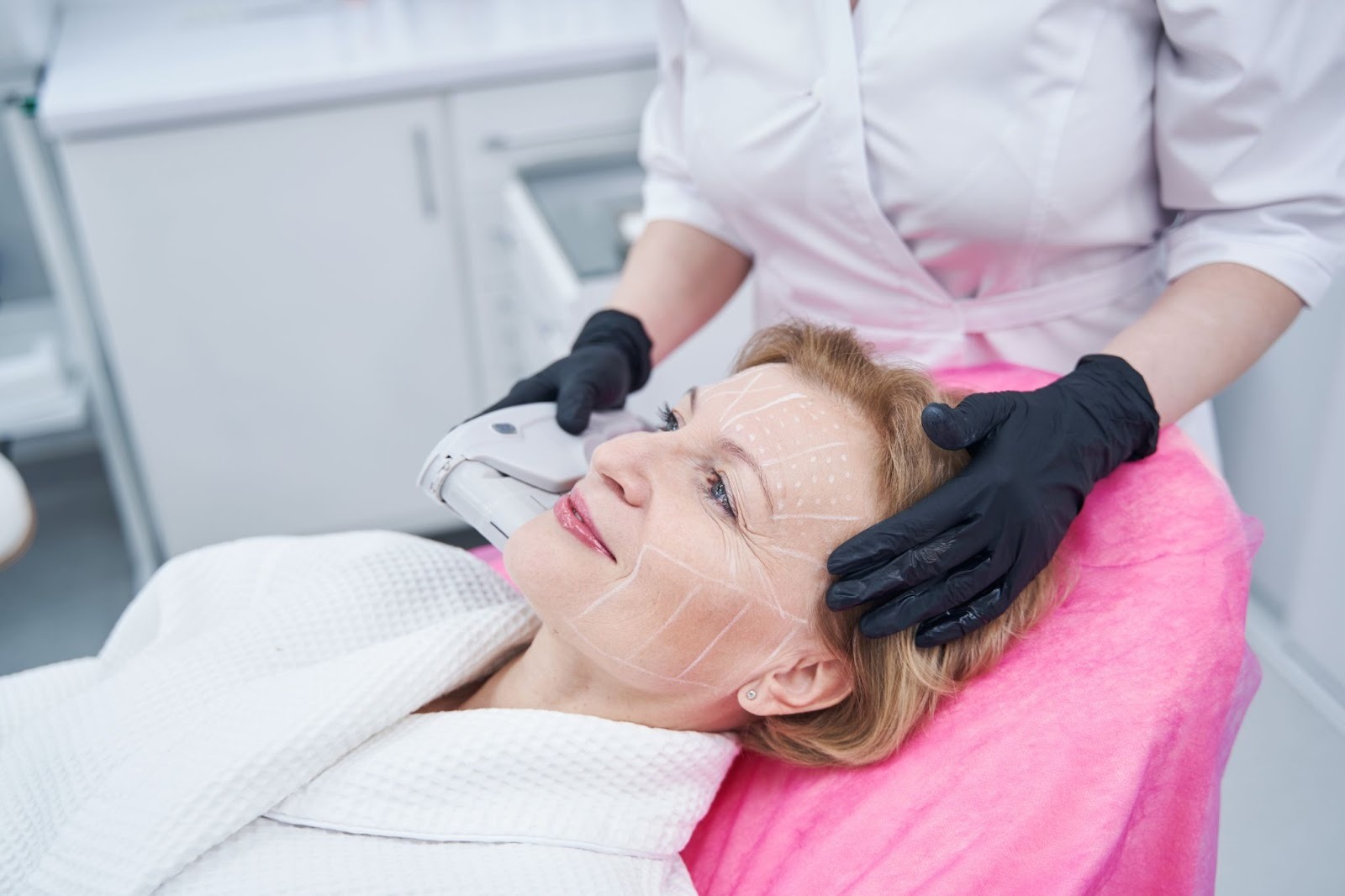
Several lifestyle factors influence how quickly skin rebuilds collagen. Age affects the body’s ability to efficiently produce structural proteins. Nutrition also supports or weakens the skin’s rebuilding capacity. Smoking and excessive sun exposure can dramatically slow collagen regeneration. Additionally, sleep quality influences hormonal balance and tissue repair. Dermatology clinics often recommend healthy lifestyle habits to support collagen remodeling.
Healthy lifestyle choices support collagen production and improve skin structure over time. Skin responds slowly to consistent habits that strengthen underlying tissues. Daily routines that support muscle growth, nutrition, and hydration encourage better firmness. These lifestyle adjustments work gradually but provide reliable support for tightening loose skin.
Strength training builds muscle that supports skin from underneath. Muscle development fills space beneath loose areas and improves body contour. This physical change reduces the appearance of sagging skin over time. Resistance exercises also improve circulation throughout the body. Better circulation helps deliver nutrients needed for tissue repair. Fitness programs often combine weight training with balanced nutrition for stronger results.
Nutrition provides the building blocks that help skin maintain structure. Protein supplies amino acids that support collagen formation. Vitamin C assists the body in producing stable collagen fibers. Healthy fats also protect skin cells and improve hydration. Additionally, minerals like zinc assist natural repair processes within skin tissues. Nutrition research and dermatology clinics widely recognize these nutrients for supporting skin health.
Hydration improves skin texture and supports the flexibility of skin cells. Water intake helps maintain circulation and healthy cellular activity. Moisturizers also strengthen the outer skin barrier and reduce dryness. This skin care routine protects skin from environmental stress and irritation. Sunscreen further protects collagen from ultraviolet damage. Dermatologists consistently recommend these daily habits for maintaining healthier skin.
Healthy routines strengthen skin gradually through steady repetition. Skin regeneration responds best to consistent sleep, nutrition, and activity. This lifestyle approach supports collagen renewal and cellular repair. Over time, improved tissue health contributes to firmer skin texture. Visible improvements often appear slowly but remain sustainable. Long-term dermatology observations confirm the value of consistent daily habits.
Non-surgical skin-tightening treatments stimulate collagen without invasive procedures. Aesthetic clinics widely offer these treatments for mild or moderate skin laxity. Modern technologies encourage the natural rebuilding of collagen beneath the surface. Many people choose these procedures because they require minimal recovery time.
Radiofrequency treatments tighten loose skin by heating deeper tissue layers. This controlled heat stimulates collagen production beneath the skin surface. Over time, new collagen strengthens the structure of treated skin. This gradual rebuilding process improves firmness and smoothness. Treatment sessions usually take less than one hour. Dermatology clinics frequently recommend radiofrequency technology for facial and body skin tightening.
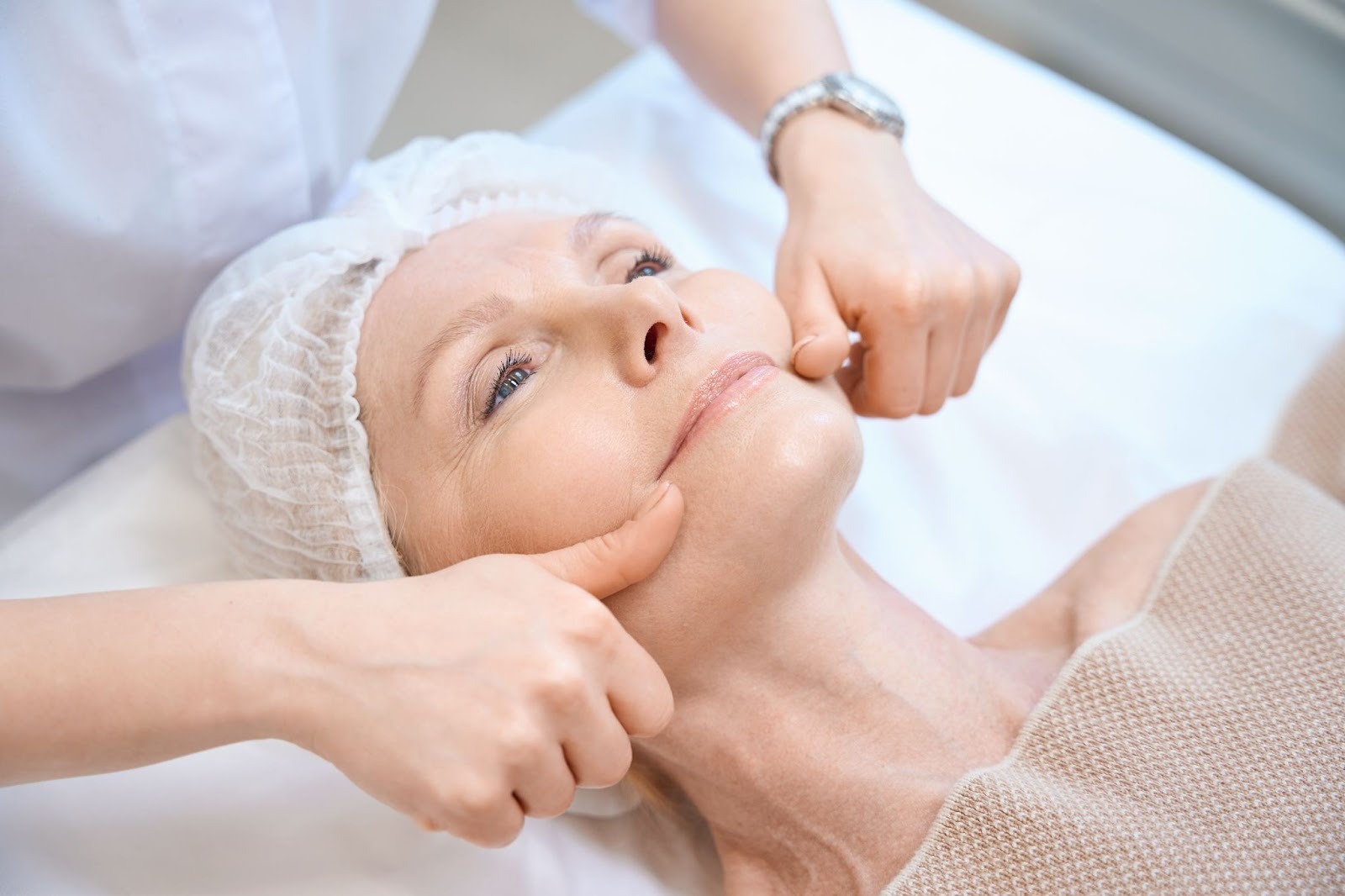
Ultrasound therapy targets deeper skin layers using focused sound energy. This energy stimulates collagen formation within structural tissue layers. Over several months, collagen rebuilding tightens skin and improves contour. Ultrasound devices are often used to treat areas such as the neck, jawline, and upper arms. Results appear gradually as the skin rebuilds natural support fibers. Many dermatology clinics rely on ultrasound treatments for non-invasive skin tightening.
Laser skin tightening uses controlled light energy to stimulate collagen renewal. This treatment warms the skin layers without damaging the surface. New collagen formation gradually improves skin firmness and elasticity. Dermatologists commonly treat the face, abdomen, and thighs with laser therapy. Mild redness may appear temporarily after treatment sessions. Most patients resume daily activities shortly after treatment.
Natural approaches help maintain skin elasticity and support healthy tissue repair. Home routines cannot replace medical treatments, but they can gradually improve skin condition. Consistent care encourages circulation and collagen activity beneath the surface. These methods provide supportive ways to tighten loose skin over time.
Skin massage improves blood flow and stimulates tissue activity. This increased circulation helps deliver oxygen and nutrients to skin cells. Regular massage may also encourage lymphatic drainage beneath the skin. This gentle stimulation gradually improves skin texture and tone. Many skin specialists recommend massage as part of home care routines. Consistent sessions support healthier skin structure over time.
Collagen supplements provide amino acids used to build connective tissue. Some clinical studies suggest these supplements support skin elasticity. This nutritional support works best when combined with balanced diets. Vitamin C also improves collagen synthesis inside the body. Many dermatologists view supplements as supportive rather than primary treatment. Skin health improves most when supplements are combined with healthy lifestyle habits.
Certain skincare ingredients support collagen activity and skin renewal. Retinol promotes faster cell turnover and stimulates collagen production. Peptides strengthen structural proteins within skin tissues. This ingredient combination helps improve skin texture and resilience. Hyaluronic acid also improves hydration within skin layers. Dermatology clinics widely recommend these ingredients for aging skin.
Sleep allows the body to repair tissues and regenerate skin cells. Hormonal balance during sleep supports collagen production and tissue renewal. This natural repair process improves skin resilience over time. Poor sleep disrupts recovery and may accelerate visible skin aging. Consistent rest supports healthier skin structure and overall wellness. Dermatology research frequently links sleep quality with skin health.
The skin microbiome refers to beneficial bacteria living on the skin surface. These microorganisms protect the skin barrier and support tissue health. Balanced microbiome activity helps control inflammation and environmental damage. Skin health experts increasingly study this relationship when evaluating skin firmness.
The skin microbiome includes millions of beneficial microorganisms. These bacteria protect the skin against harmful microbes and irritation. Healthy bacteria also help maintain the skin barrier’s protective function. This protective system prevents excessive inflammation within skin tissues. When the microbiome remains balanced, skin maintains stronger structural resilience. Dermatology research increasingly highlights the importance of microbiome balance.
Microbiome imbalance can trigger irritation and low-grade inflammation. This inflammation weakens collagen fibers beneath the skin surface. Over time, weakened collagen contributes to sagging and loss of elasticity. Harsh skincare products sometimes disrupt beneficial bacteria. Additionally, excessive cleansing may damage the protective skin barrier. Dermatologists often recommend gentle skincare to protect microbiome health.
Healthy skin barriers depend on a balanced microbiome. Gentle cleansing helps maintain protective bacteria on the skin. Moisturizers strengthen the barrier and reduce irritation. This protective layer also helps skin retain hydration and elasticity. Dermatology experts increasingly recommend barrier-supportive skincare products. Consistent care supports long-term skin resilience and firmness.
Medical procedures treat loose skin that does not improve through lifestyle changes or non-surgical treatments. Dermatologists and plastic surgeons evaluate skin elasticity, overall health, and treatment goals before recommending options. Surgical procedures such as body contouring remove excess skin from areas like the abdomen, arms, or thighs, allowing the remaining tissue to rest more smoothly over the body. Facial and neck lift procedures tighten deeper tissue layers to improve sagging and restore more defined contours. These treatments often follow large weight loss or age-related skin changes that affect skin structure. Dermatology and plastic surgery clinics base recommendations on clinical evaluation, current medical research, and patient outcomes.
Skin tightening requires steady commitment to healthy habits and informed treatment choices. Lifestyle adjustments support collagen renewal, while modern treatments offer further improvement. This combined approach helps many individuals regain smoother, firmer skin. People who begin addressing loose skin today often experience gradual but lasting improvements.
Explore more expert skin care insights and treatment guidance on the Naples Laser & Skin Aesthetics blog, where professionals share trusted advice for healthier, firmer skin.
%402x.svg)